Pregnancy with type 1 diabetes (T1D) is still too often framed as “too risky” or “not worth it.” On Maternal Health Awareness Day, we’re pushing back on that narrative because people with T1D deserve accurate information, supportive care, and hope grounded in real experience.
We spoke with two mothers living with T1D, Hayleigh and Brittany, about pregnancy, birth, and postpartum. Their stories are different, but they share a powerful truth: with the right tools and team, pregnancy with T1D is possible.
Myths That Still Shape Care and Confidence
For Hayleigh, misconceptions started early and stayed with her for years.
“Prior to my pregnancy, and really before having children was ever a thought in my mind, I was told by countless doctors that having children was not in the cards for me because of my diagnosis. The doctor that diagnosed me with T1D at age 4 (in 2005) even told my parents it wasn’t a possibility, and I held that belief right up until I started working at Breakthrough T1D in 2023. I had never met anyone who had gone through pregnancy with T1D until then.”
She wishes more people understood two things: “The two biggest misconceptions I think are 1) that it is completely unsafe and 2), that my child is 100% guaranteed to have T1D.” As she put it, “Pregnancy is just a little trickier with T1D,” and “there is no guarantee my daughter will ever be diagnosed with T1D. There may be a slightly elevated risk, but we are preparing ourselves by having her screened for T1D autoantibodies as soon as possible.”
Brittany’s experience was different. She knew pregnancy might be labeled “high-risk,” but she also had something many people don’t: visible proof that it could be done.
“I knew a couple of women with T1D who had successful pregnancies so I knew it was possible!”
Sometimes, the difference between fear and hope is simply seeing someone who looks like you make it through.
Overwhelmed? Start with support and a plan
T1D already demands constant decision making. Add pregnancy, and all the pressure that comes with protecting a growing baby, and it can feel like you’re managing diabetes in a new language. Both moms emphasized how much easier this journey becomes when you aren’t doing it alone.
“The three best resources I found at the beginning of my pregnancy were the book ‘Pregnancy with Type 1 Diabetes’ by Ginger Vieira and Jennifer C. Smith, an incredible online community of other moms with type 1 diabetes on Facebook, and Breakthrough T1D’s Pregnancy Guide,” Hayleigh said. “I cannot emphasize enough how important these resources were to me… especially finding that community of moms who understand the complexities of what I was going through and could offer advice and support during such a stressful time.”
Brittany recommends beginning with your medical foundation: “I would suggest starting by speaking with their endocrinologist, as long as they have a positive relationship with them.” She also encourages finding mentorship: “Finding women who have already been through it and can serve as a mentor.” And the final suggestion of finding “Books that promote a positive T1D pregnancy!”
The Reality of Pregnancy with T1D and the Strength You Discover
The numbers matter, but they’re only part of the story. Hayleigh described one of the biggest realities: insulin needs can change dramatically.
“I had nearly quadrupled my insulin needs by the end of my third trimester, going from my usual ~70 units/day to a whopping ~280 units/day!”
Brittany described the mental weight that can come with every reading, especially late in pregnancy: “The most challenging part was trying my best not to stress out over high blood sugar readings and managing my BG’s in the 3rd trimester.”
And yet both moms also described wins that deserve more airtime.
For Brittany: “I had my best A1C as a diabetic after my first trimester and overall kept very good control and it wasn’t as difficult as I thought it would be to achieve that.”
For Hayleigh: “Learning just how resilient I can be, especially when it came to having to advocate for my health AND the health of my baby in ways I never had to before.”
Advocacy is Maternal Health
Pregnancy with T1D often requires not just management but advocacy. Hayleigh came prepared and made a decision that shaped her delivery experience:
“One major point where speaking up made a difference in my care was actually in that first appointment, when I told my doctor that I wanted to manage my own T1D in the hospital and made sure that was noted in my care plan.”
Because she made that clear early, she said, “I had no issues when I went in for my delivery and was able to manage my T1D on my own, with minimal interference from hospital staff.”
Brittany emphasized the power of a supportive team: “My endocrinologist is also a T1D & a Mom so that was incredibly helpful,” she said. “I also had the most fabulous high-risk OB.” And she shared a reminder for anyone who assumes certain outcomes are inevitable:
“Another thing that surprised me was that I could have a VBAC with my 2nd baby (vaginal birth after cesarean) because my doctor believed I could so I believed I could and I did it! T1D’s don’t always have to have a c-section. It’s very common but not always needed! Find a doctor who believes in you!”
Advocacy didn’t stop after delivery, either. Brittany recalled a moment many people with diabetes will recognize:
“Since I was labeled a diabetic, they were trying to be restrictive on what I could eat and I was like NO, I can eat what I want, when I want. Do not limit me!”
Maternal health includes dignity, autonomy, and being recognized as the expert in your own day to day care.
Postpartum: the Numbers Change Fast and You Deserve Care, Too
The postpartum period can bring a new kind of unpredictability. Sleep deprivation, feeding schedules, healing, and major hormonal shifts. Hayleigh described how quickly insulin needs can change after birth, especially with breastfeeding:
“I had constant low blood sugars in the month after giving birth, especially while feeding my daughter. I had a special spot next to the couch where I kept my postpartum supplies and it was ALWAYS stocked up with low snacks.”
She also shared what deserves to be said out loud, especially for moms navigating postpartum depression:
“Another thing that I believe is even more important to mention, especially for moms like me who faced postpartum depression, is that taking care of yourself is just as important as taking care of your baby.”
Brittany described the reality of shifting priorities with a newborn (and later, a newborn plus a toddler): “With a new baby… my focus was not on myself that much.” And she echoed how breastfeeding can complicate predictability: “Breastfeeding also made it difficult to predict my glucose readings and would often cause me to run low!”
Her advice is compassionate and practical:
“To embrace the chaos and be patient with yourself! … Try your best to find the balance, take as much help as you can get from your family and friends, and give yourself a lot of grace.”
Support That Makes a Real Difference
Both moms emphasized support that truly protects maternal health: mental health check ins, practical help, and shared load.
“The biggest piece of advice I can give for loved ones supporting ANYONE during pregnancy, not just people with T1D, is to check on that person’s mental health,” Hayleigh said.
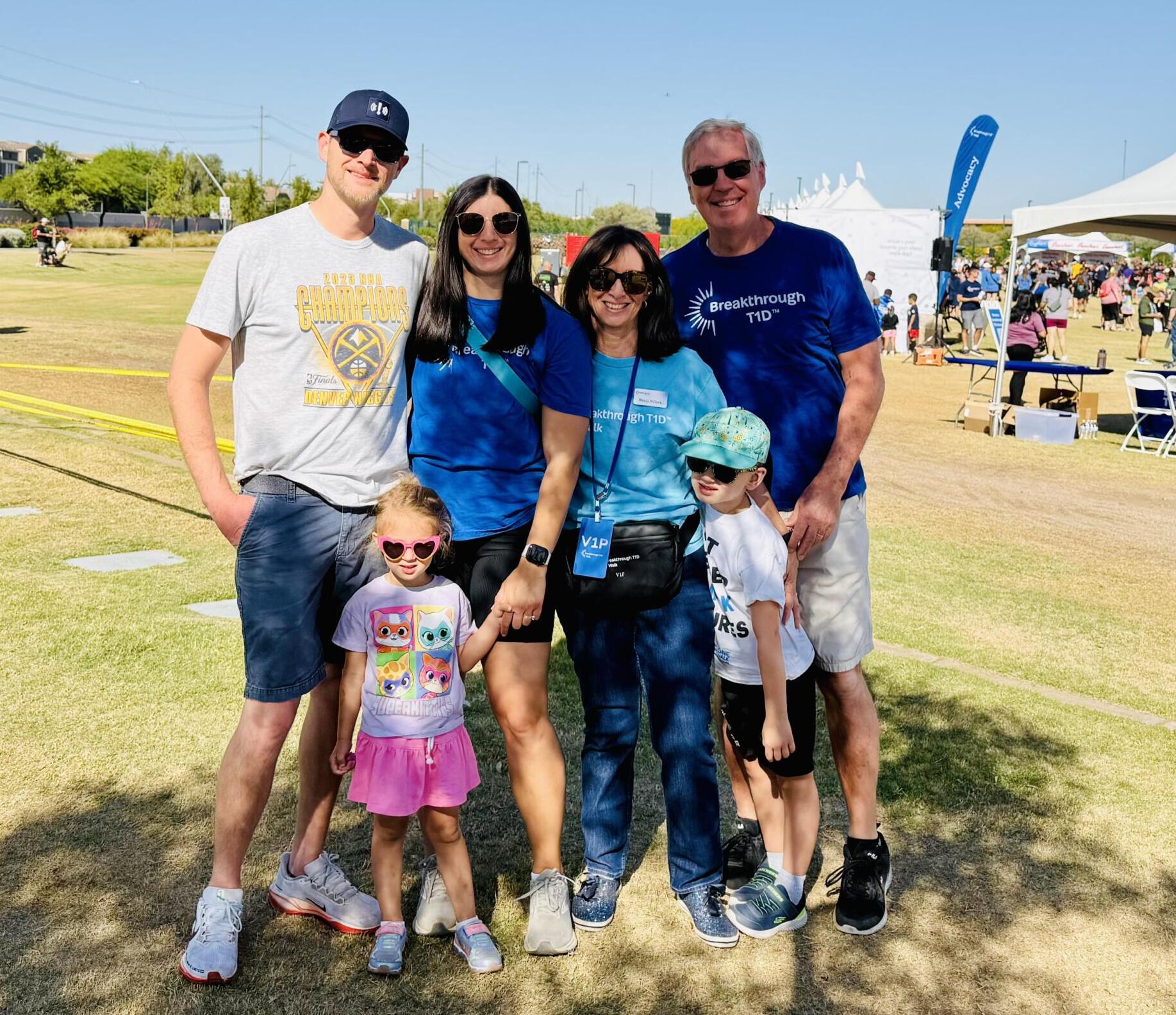
She also shared what it looked like when someone truly stepped in: “My partner often took over managing my T1D for a few hours at a time just so I could have a break from the constant worry… If you can help your loved one by taking anything off their plate, please do it. It made a world of difference to me.”
Brittany added:
“Always bring a positive attitude and do not be offended when the T1D comes at you! It usually is not about you but you are a safe space for your person so you may get the brunt of it.”
The Message Every Person with T1D Deserves to Hear
Hayleigh captured what so many people with T1D have been told or have feared:
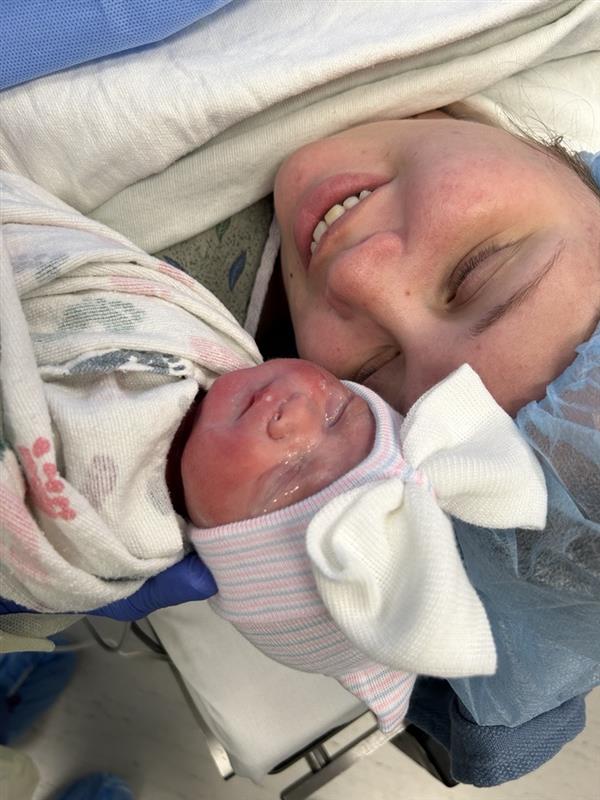
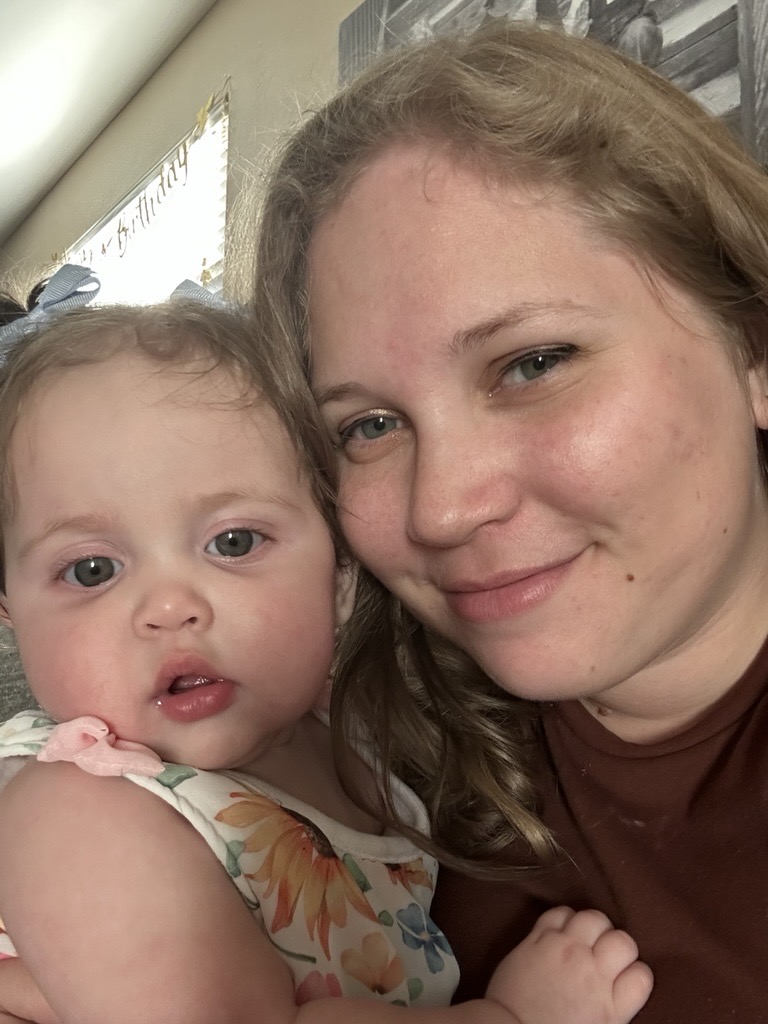
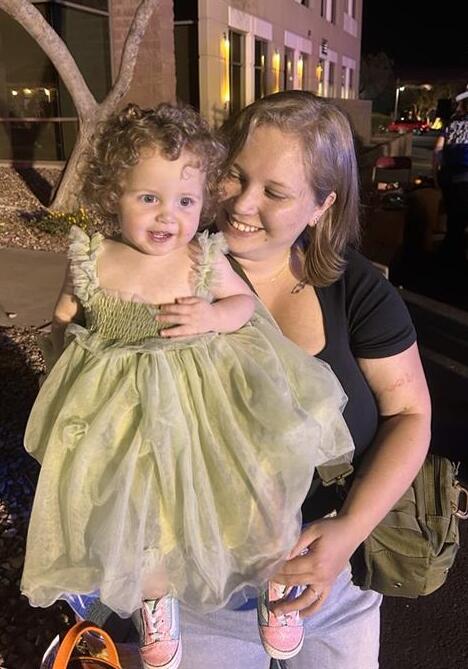
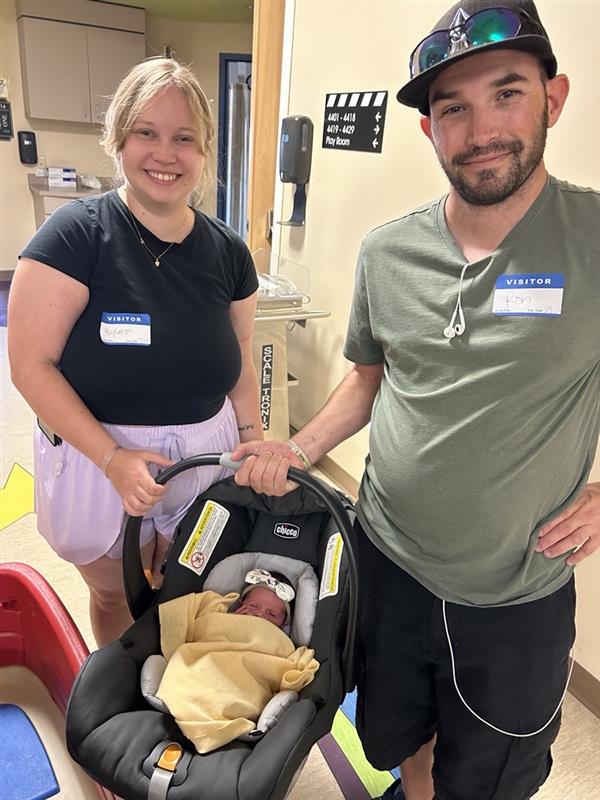
“I never thought I would be able to hear someone call me ‘mommy’, and being a mom to my daughter Lilith is truly the greatest accomplishment of my life. If you take away ANYTHING from this, let it be this: parenthood and pregnancy with T1D is possible.”
Brittany’s message is pure conviction:
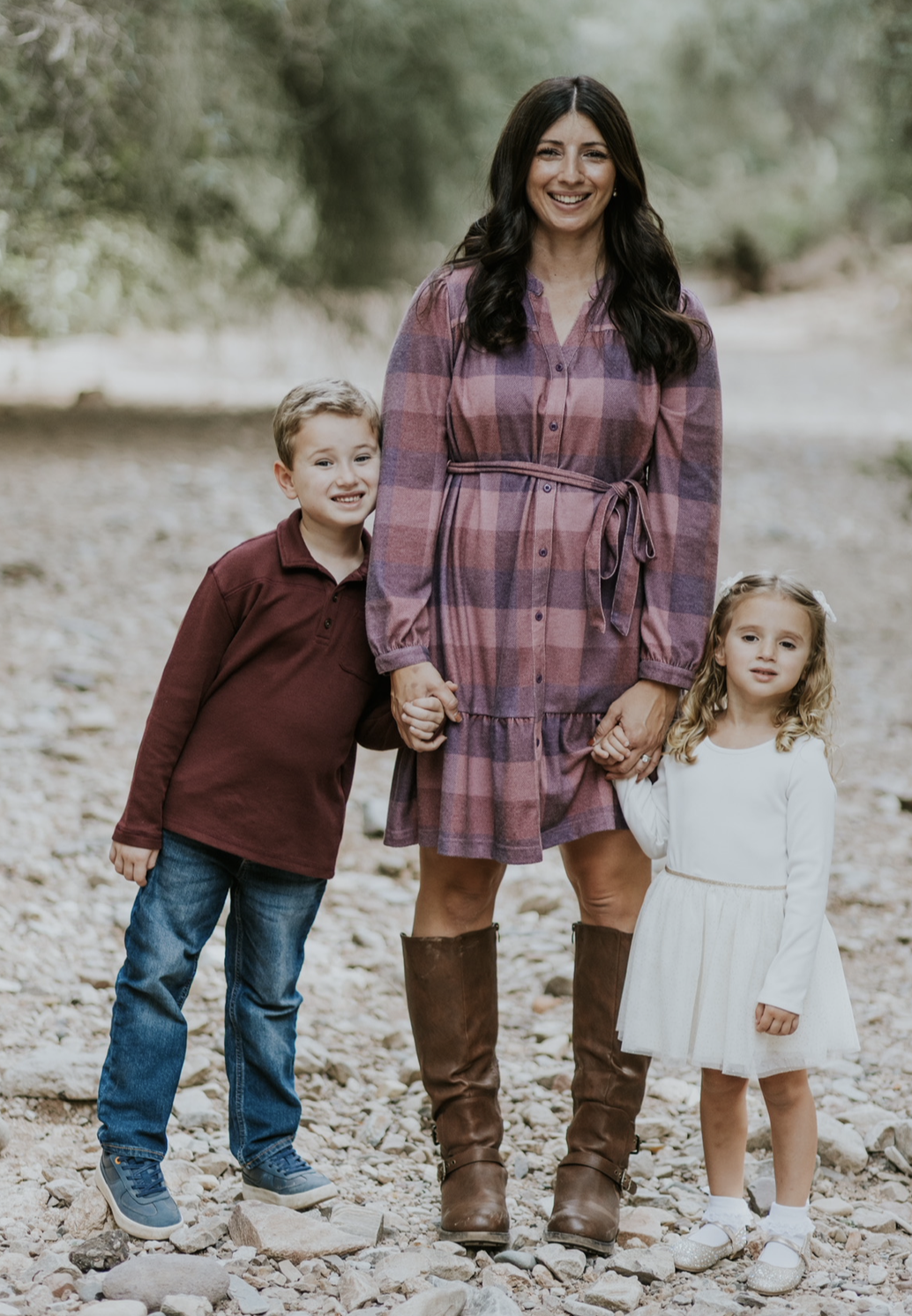
“YOU CAN DO IT! If anything, T1D has equipped you to handle anything. Women are SO much stronger… than we ever give ourselves credit for. I was blown away with what I was capable of achieving and doing during both of my pregnancies and now as a mom! We are superhumans!”
Ready for More Support?
If you’re thinking about pregnancy, currently pregnant, or navigating postpartum with T1D, we’re here for you.
Use these resources to help plan, prepare, and advocate with confidence:
Breakthrough T1D Pregnancy Guide
New International Consensus on Diabetes Technologies in Pregnancy