
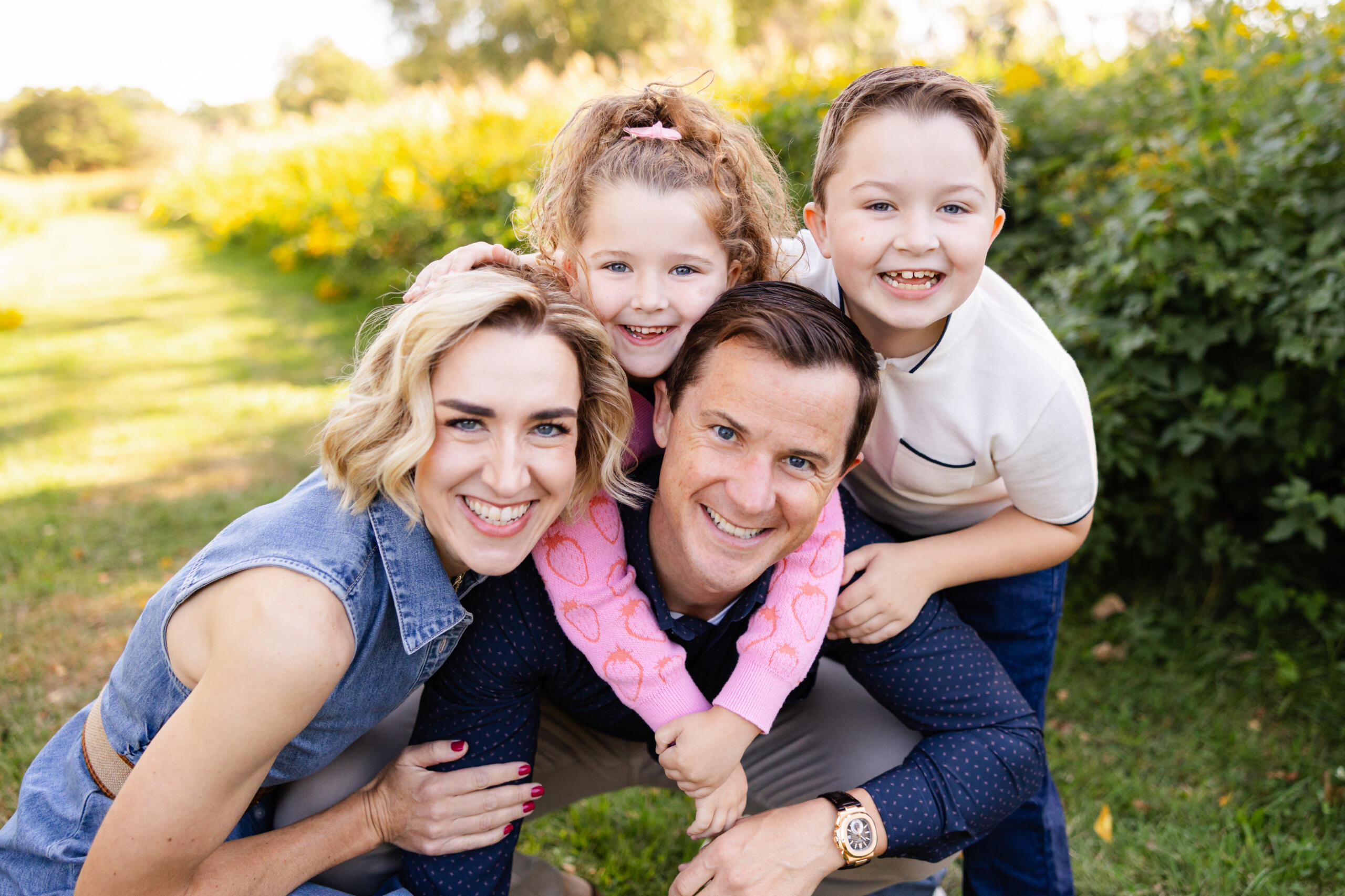
For Bridget Tichar, type 1 diabetes (T1D) is more than a diagnosis affecting one person. It is woven into the fabric of her family’s daily life. Both of her children live with T1D, as do her sister-in-law and nephew, giving Bridget a unique perspective on the challenges, resilience, and strength that define the T1D community.
When her children were diagnosed at a young age, Bridget found herself learning two roles at once: how to be a mother and how to manage a complex chronic condition. As she puts it, while learning to be a mom, she was also learning to be a pancreas. The experience reshaped her perspective, teaching her flexibility, patience, and how to navigate life’s uncertainties one day at a time.
The reality of T1D is something Bridget wishes more people understood. “It’s constant,” she says. “Just because we carry the weight well doesn’t mean it’s not heavy.” Managing T1D doesn’t stop when school ends, work finishes, or when everyone goes to bed. It requires ongoing attention, decision-making, and vigilance, often in ways that others never see.
One misconception she frequently encounters is the belief that diabetes can be managed with a single dose of insulin and then forgotten for the rest of the day. In reality, T1D requires continuous monitoring and adjustments. For caregivers, that responsibility can feel all-encompassing. Bridget describes it simply: “Everything is heightened; even in my most relaxed state, I am twice as stressed and occupied as anyone.”
Through it all, community has become one of her greatest sources of strength. Connecting with other families affected by T1D has helped ease the isolation that can come with the diagnosis. Whether attending chapter events, participating in the Spring Social, or leading a local parent group, Bridget values the opportunity to learn from others and share experiences across different stages of the T1D journey.
“There’s a strength in numbers,” she says, describing the confidence and reassurance that comes from seeing so many families navigating similar challenges. Listening to parents of older children has also helped her look ahead with hope, offering a glimpse into future milestones and greater independence for her own children.
That sense of connection is what motivates Bridget to stay involved. She has found that supporting the T1D community transforms her role from one of obligation to one of purpose. By sharing her story, speaking at events, and creating space for conversations among caregivers, she helps others feel seen, understood, and less alone.
When she thinks about the future, Bridget’s hope is simple but powerful: giving her children the tools and understanding they need to confidently manage their health and gain greater independence. Until then, she continues to advocate for awareness while reminding others that it’s okay to acknowledge the difficult moments along the way. Life with T1D can be frustrating, exhausting, and unfair, she says, and those feelings are valid.