When a child is diagnosed with type 1 diabetes (T1D), the world can start to feel scary and unfamiliar. Hospital rooms replace playrooms. New routines arrive before families have time to catch their breath. For Jessica and her family, those early days with her daughter Kay are still easy to remember, because that is where everything changed.
“When Kay was diagnosed with type 1 diabetes at age 3, we found ourselves at UMC navigating an entirely new and overwhelming world. Like so many families, those early days were filled with fear, learning, and trying to make sense of life after diagnosis.”
As the medical routines became part of daily life, Jessica noticed something else that mattered just as much. Making sure Kay could still enjoy being a kid.
“As Kay adjusted to finger pokes, insulin, and medical devices, I quickly realized how important representation and normalcy are—especially for children. Seeing herself reflected in toys became a small but powerful way for Kay to feel less alone and more confident in her new reality.”
That realization stayed with the family and eventually grew into something impactful for other children too.
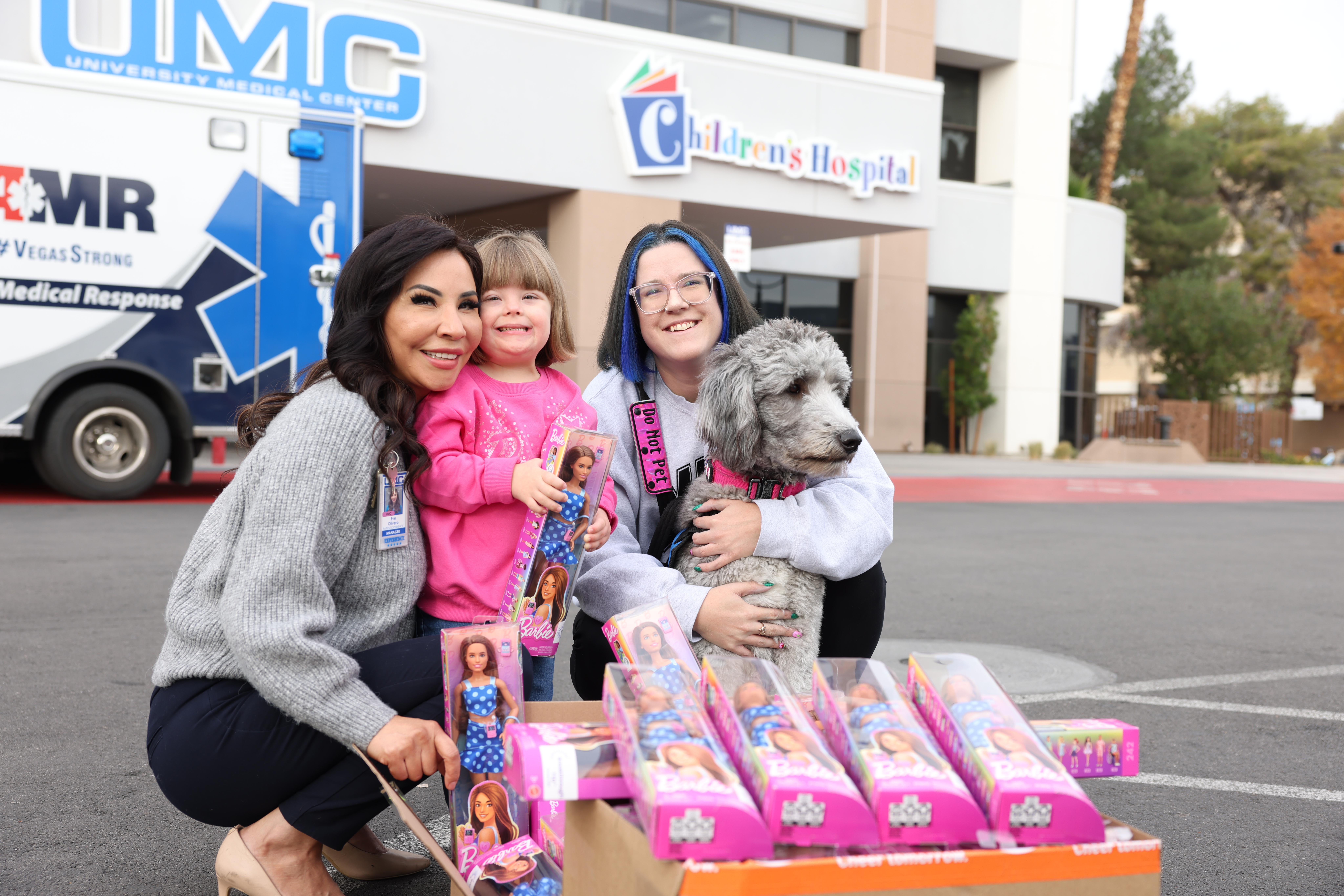
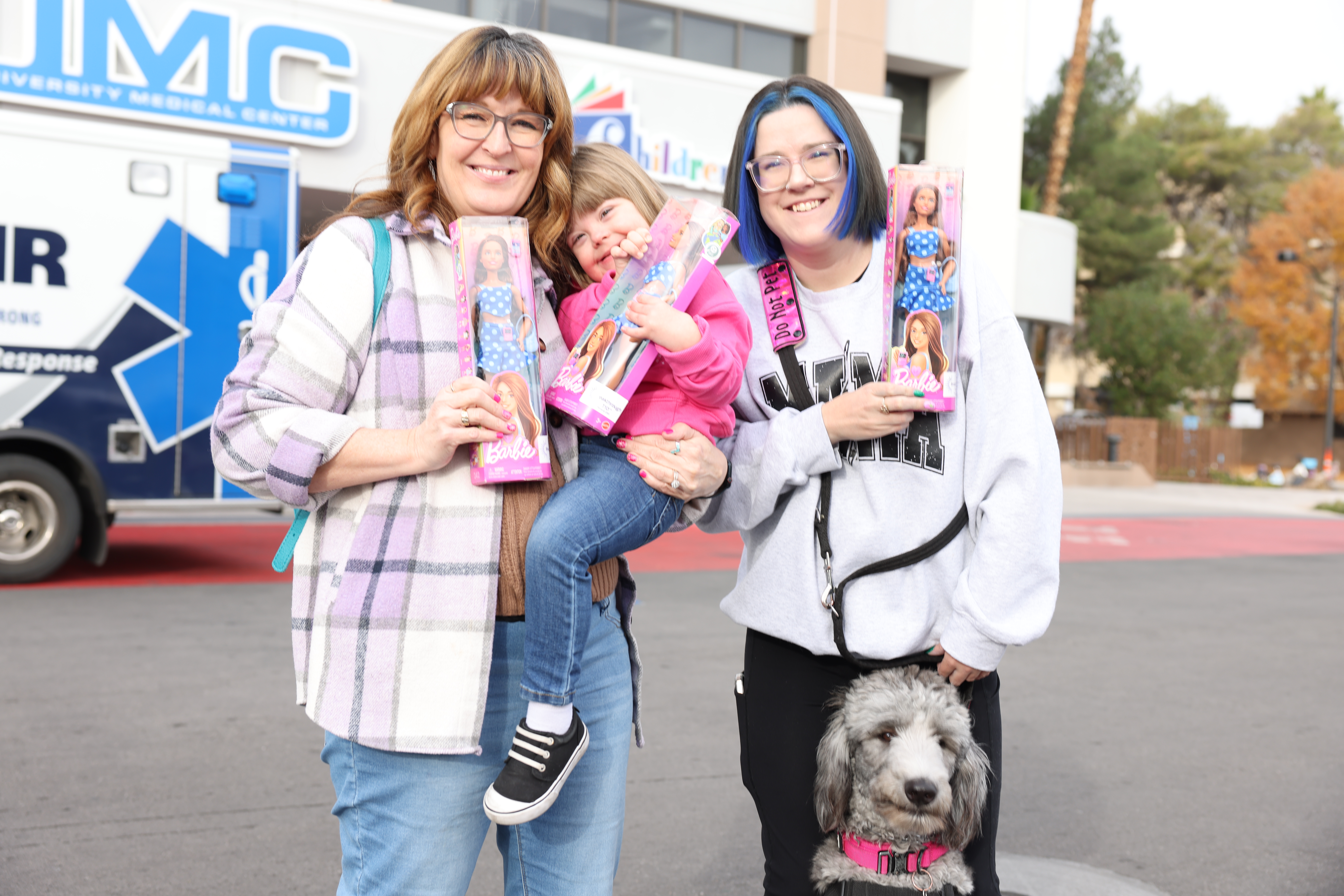
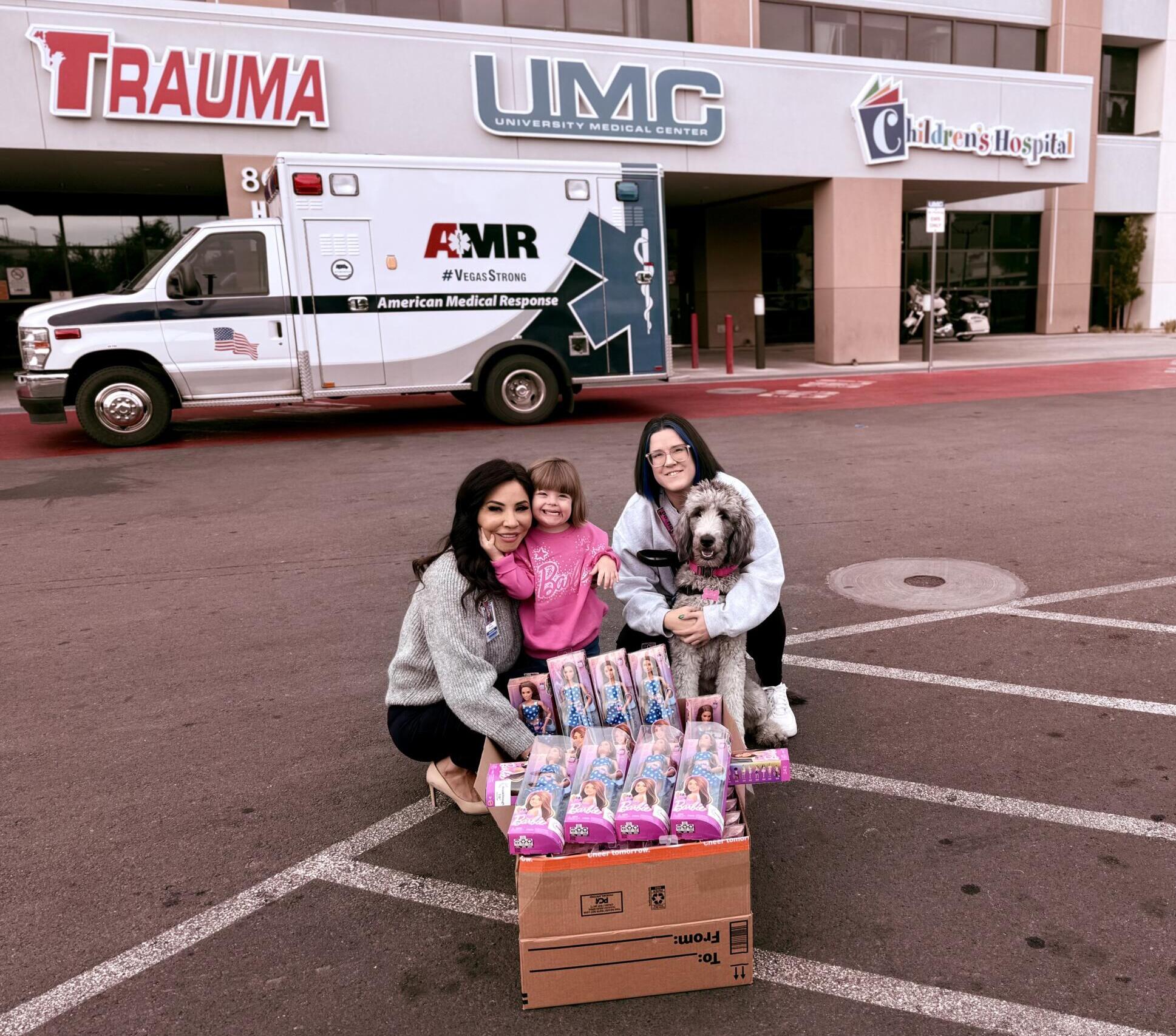
“That idea inspired a T1D Barbie toy drive, with the goal of donating dolls that look like kids living with diabetes. In December, we were able to donate 50 T1D Barbies to UMC, with the hope that newly diagnosed children might find a little comfort, joy, and familiarity during such a difficult time—just like Kay did.”
Each doll is now waiting to be placed into the hands of a child who is spending nights in an unfamiliar hospital room and learning what life with T1D will look like.
UMC Children’s Hospital, one of Breakthrough T1D’s healthcare partners, supports families at diagnosis with both medical care and education.
The hospital shared, “As home to Nevada’s highest level of care for children, UMC Children’s Hospital is proud to provide comprehensive support for families facing type 1 diabetes. We have a team of dedicated child life specialists and a diabetic nurse educator on hand to help families understand the disease and teach them effective strategies for management while they are in our care and even when they go home.”
Through UMC’s partnership with Breakthrough T1D, families like Kay’s receive Breakthrough T1D educational resources at diagnosis that help make learning about diabetes feel less frightening and more approachable during an already overwhelming time. Those same free resources are available to families today. If you did not receive Breakthrough T1D materials at diagnosis, or know a family who could benefit from them, you can request age specific resources, in English and Spanish, through the links below.
Bag of Hope (0-11 years old): BreakthroughT1D.org/support-children/bag-of-hope
Teen Pack (12-17 years old): BreakthroughT1D.org/support-teens/teen-pack
Adult Pack (18 and older): BreakthroughT1D.org/support-adults/adult-pack
What started as one family noticing what helped their own child feel brave has now become a moment of comfort for dozens of others. Jessica and her family remind us that even small acts of kindness can change how a child remembers one of the hardest days of their life. And sometimes, that change begins with a Barbie that looks just like them.