
Autoimmune diseases occur when a person’s immune system wrongly attacks the body’s healthy cells, tissues, and organs. This response can result in a range of conditions, depending on which parts of the body are affected.
Autoimmune diseases are often called “invisible” because their symptoms are not always evident to the people around you. As a result, it may be difficult to get an accurate diagnosis, and many people facing autoimmune diseases feel a lack of support.
This Autoimmune Disease Awareness Month, we asked a few members of the T1D community to share their perspectives on living with an autoimmune disease.
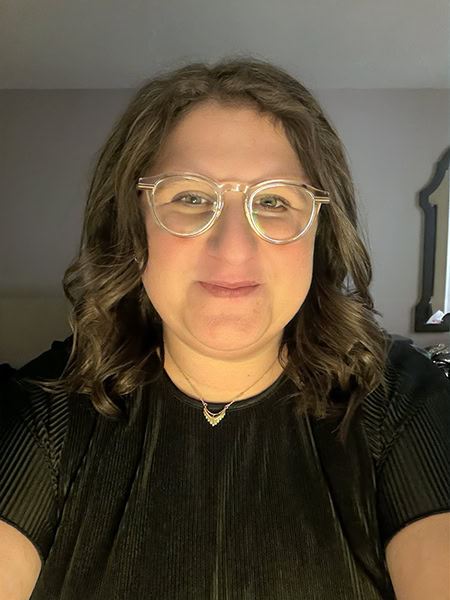
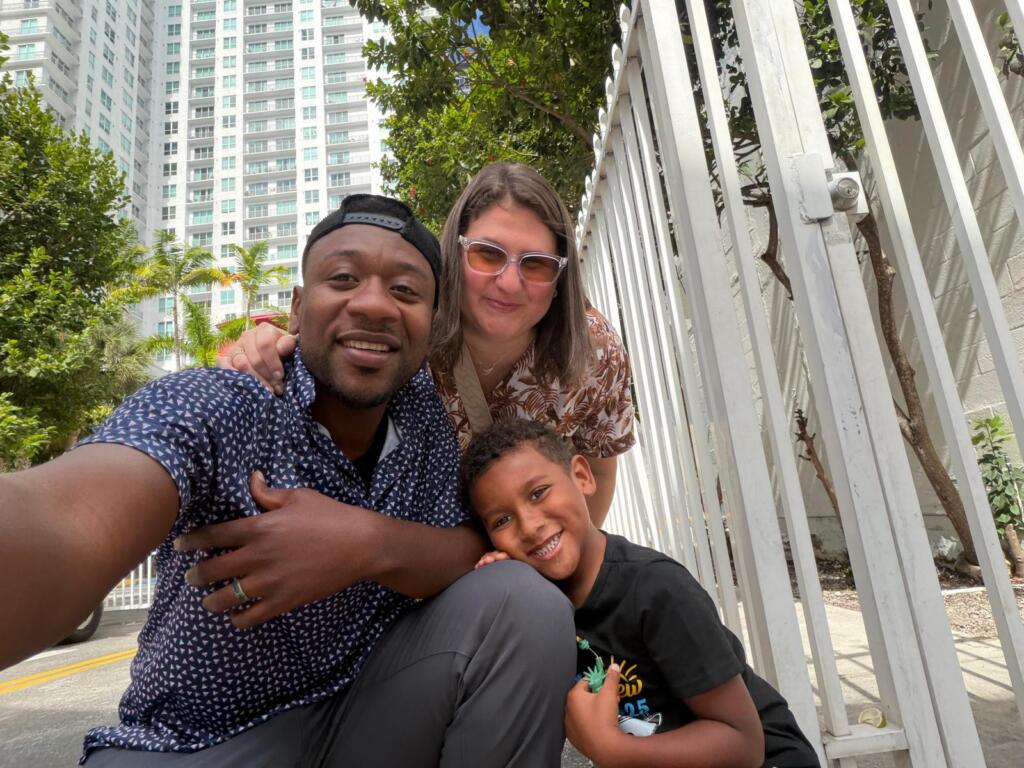
Arielle
37 | Florida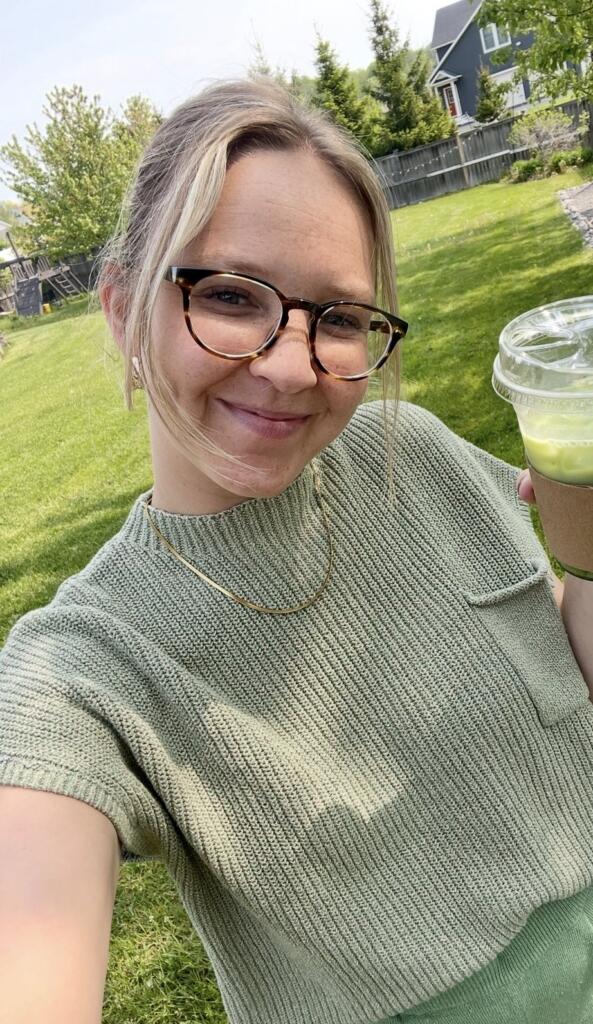
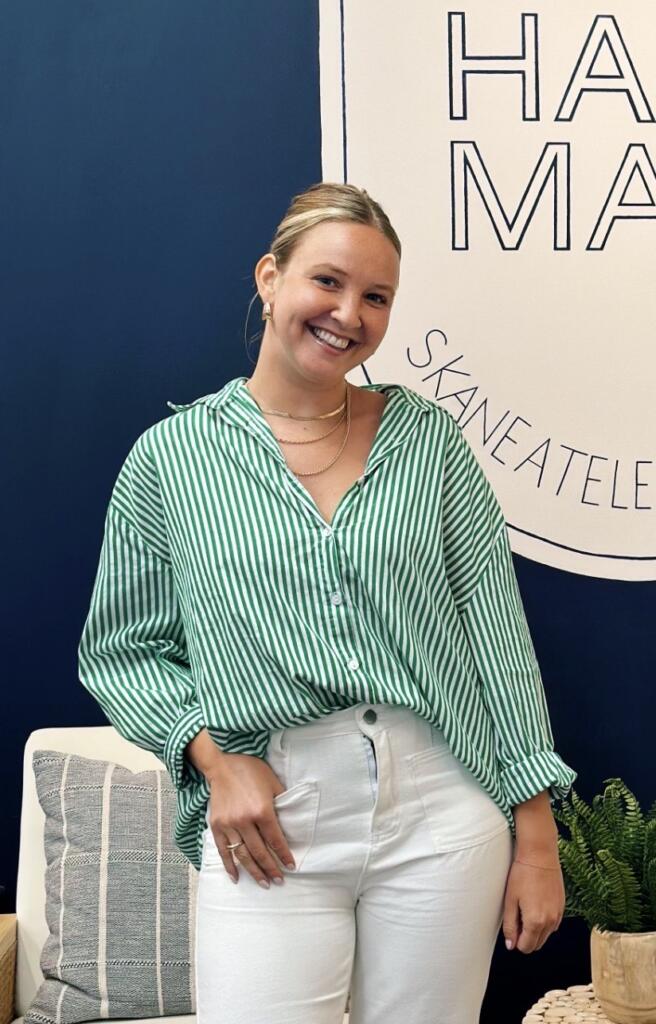
Elizabeth
32 | New York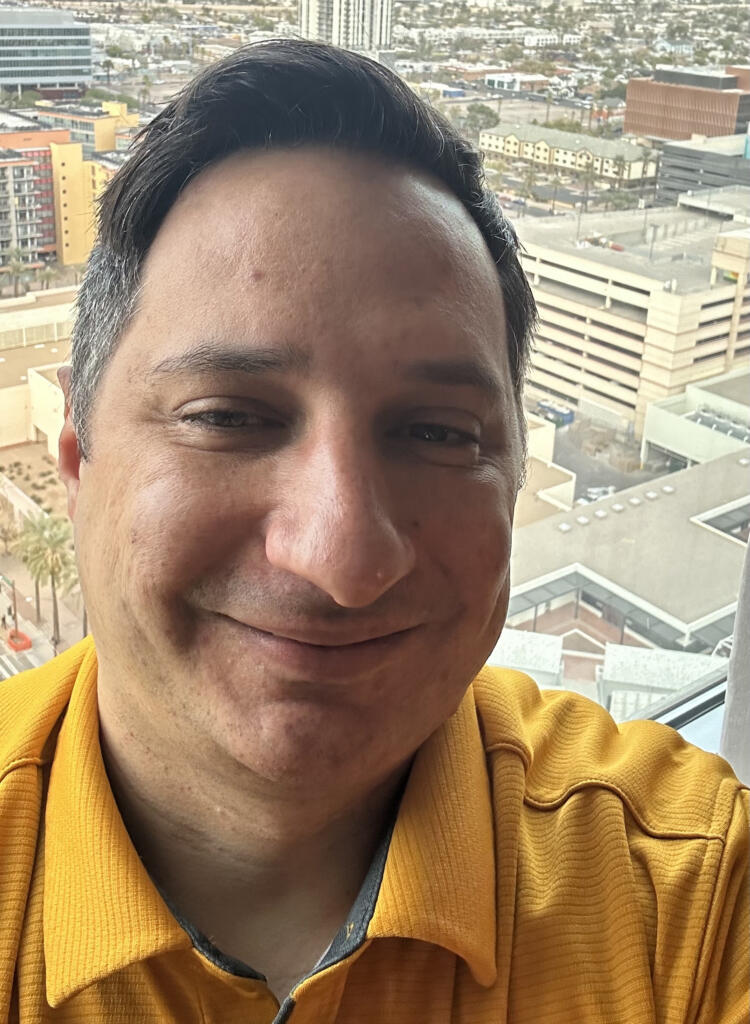
Jason
43 | Ohio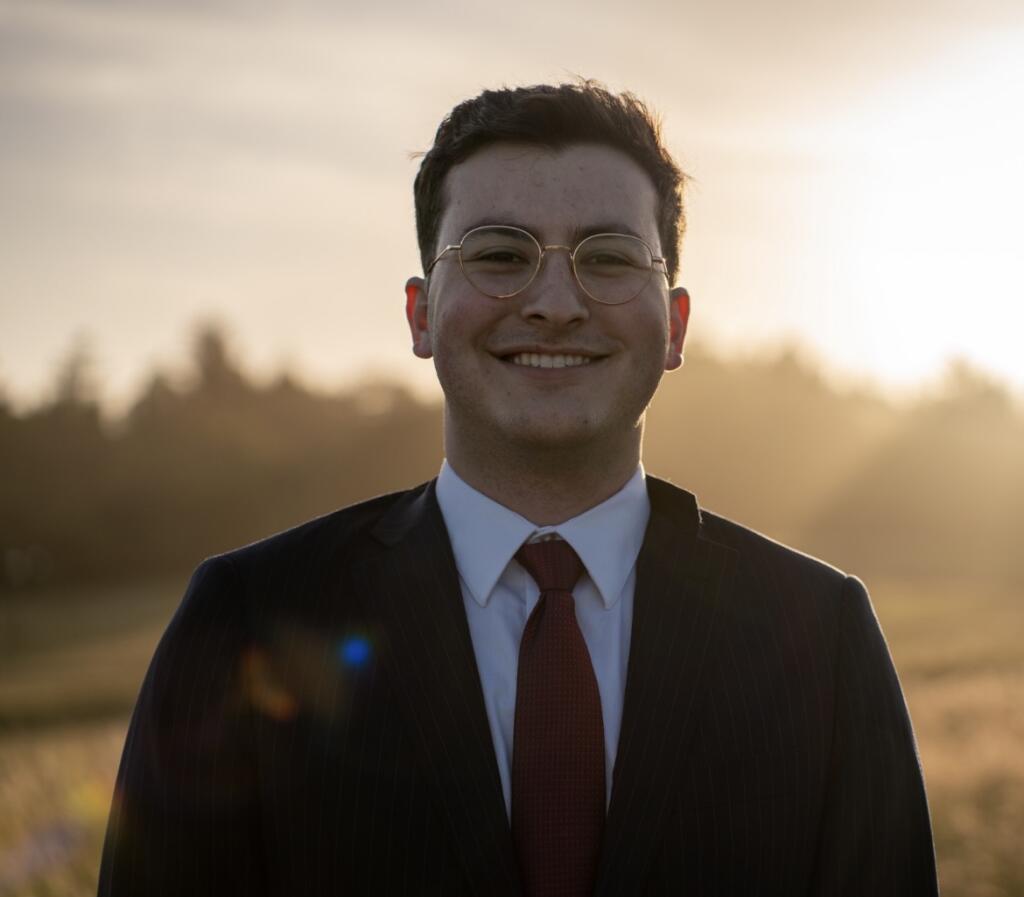
Jonah
21 | California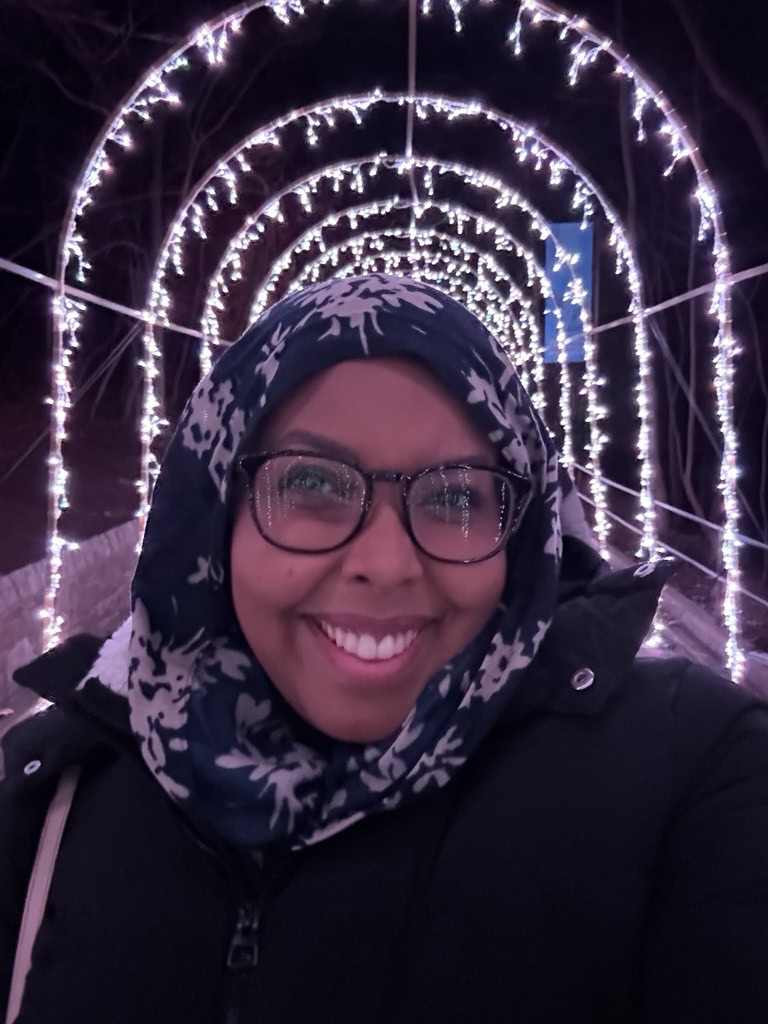
Yousra
26 | Washington, D.C.Q: What do you wish people knew about everyday life with autoimmune disease?
Arielle:
I wish people knew that T1D relates more to other autoimmune conditions than other types of diabetes. My immune system attacks my skin, pancreas, and thyroid every minute of every day.
Elizabeth:
That it’s not just the needles and insulin, the Dexcom, and Omnipod changes. There are so many mini decision-makings throughout the day that people don’t hear. It’s the first thing I think about when I wake up and the last thing before going to bed. So be patient with us, we have a lot on our minds!
Jason:
With T1D, you don’t get any days off. It’s there when you wake up in the morning, and when you go to bed at night, and all day in between. It’s constantly in the back of your mind. It goes beyond simply watching what you eat. There are so many things that can impact your blood sugar, like stress, medication, illness, exercise, and even lack of sleep!
Jonah:
No two days are the same. It’s possible the first time we meet, I’m having a great day where my blood sugar is in range, but the next time we meet, I’m in a terrible mood because I’ve had a week of out-of-control blood sugar and technology issues. The highs and lows of the disease impact everyday life more than people would expect.
Yousra:
Part of managing diabetes is trying to expect the unexpected; everything impacts T1D, from food to stress to exercise to sleep. Even if I do the exact same things every single day, my blood sugars would still be different, which doesn’t mean I am doing something wrong.
Q: Fill in the blank: “I wish others would _______ when I’m talking about my condition.”
Arielle:
Listen more.
Elizabeth:
Listen with the willingness to learn.
Jason:
Be inspired to help make a difference.
Jonah:
Ask more questions.
Yousra:
Ask questions.
Q: What are your tips for living a healthy and happy life while managing an autoimmune disease?
Arielle:
My main tip is to stay resilient and on top of your health. You will have to take extra steps in the day to equip your body for every activity and moment, but with your strength and preparation, you can do it!
Build a strong proactive support system, too. My husband, my son, my sister, my dad, my aunt, my close friends…they are all the reasons I can remain strong and the reasons I feel my best. They understand the prep work and are right alongside me for the ride. My son, Jace, often hands me gummies when my blood sugar dips low, and my CGM alarm goes off. He says, “One for mommy’s blood sugar and one for Jace’s tummy.”
Elizabeth:
Try not to become hyper-fixated on perfection—good blood sugars 100% of the time, eating healthy 100% of the time, being active 100% of the time…it’s not realistic!! If you want to go to the gym but enjoy a glass of wine and a burger after, that’s okay! If your blood sugars were a little high but you got a good night’s rest, that’s okay! Try shifting your focus to the good.
Jason:
First and foremost, don’t try to handle everything yourself. Make sure you have a great support team behind you. This includes finding the right physician who’s a good fit for you, but also making sure you have a family member, friend, neighbor, or someone close to you whom you can talk to when you’re struggling. And understanding there are days you’re going to struggle—it’s part of the disease. You can count carbs exactly, take the exact dose of insulin you should, and still not get the result you want. It’s part of the journey of managing the disease. Type 1 diabetes has an incredible community, from amazing organizations like Breakthrough T1D with so many support resources to activities like meet-ups, online communities, and so much more.
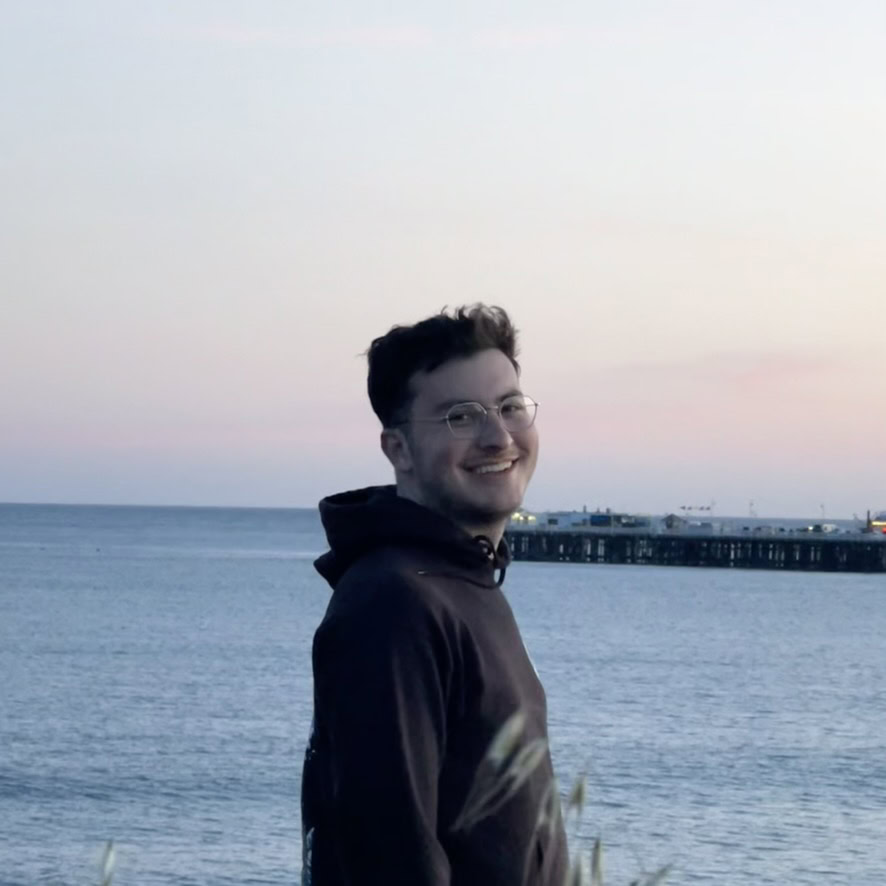
Jonah:
Everything in moderation. I’ve lived a happy life by doing everything in moderation. I eat pretty healthily, but if I want to eat something that could be seen as unhealthy, I don’t eat a ton of it. I exercise a lot, but I make sure not to overdo it and hurt myself. I try not to beat myself up if I’m having a rough week. After 15 years, I know there will be blips and tough spots, but it won’t impact my overall health in any severe ways.
Yousra:
You are always your own biggest advocate, which is part of managing the nuances of your condition. If you’re concerned about something big or small, take the time to learn more, ask questions, and find options that feel like the right fit for you. Even if treatment plans are similar, there is no “one-size-fits-all” policy for managing your day-to-day.
Q: What do you wish you could tell your younger self?
Arielle:
My first autoimmune condition was T1D, and I was diagnosed at 4 years old. I wish I could tell younger me that there might be more conditions to come in your future, but you have the strength to deal with it. You will become independent faster than most your age, you will have challenges in your adolescence and years to come, but you will be resilient through it all. You will grow up to work at the top organization for type 1 diabetes research. Be proud of who you are!
Elizabeth:
You go, girl!
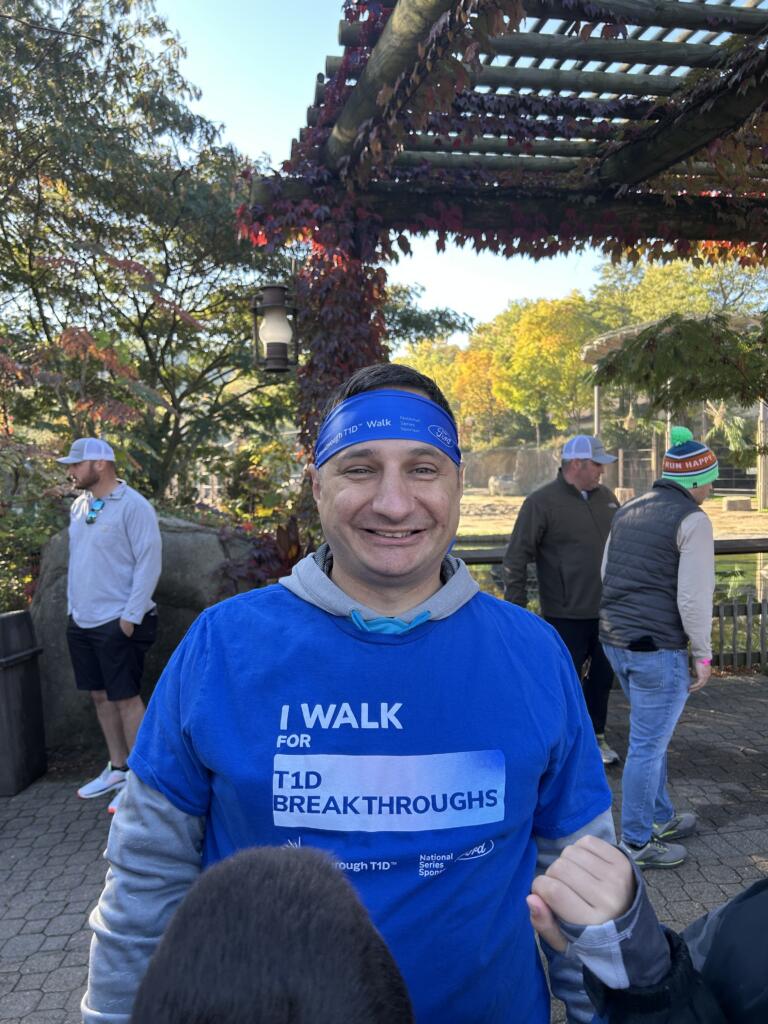
Jason:
Don’t beat yourself up over your numbers. I used to go to my doctor’s appointments feeling like I was getting the results of an exam in school, and if my numbers weren’t where I wanted them to be, I’d feel like a failure. Some months are going to be harder than others, and that’s okay—that’s life. With advancements, it’s going to become easier to manage the disease, and it’s truly going to take some of the stress away.
Jonah:
There are a lot of fantastic people you will meet with this disease that come from all different places, and you will be able to bond with them on a level most friendships never get to.
Yousra:
You have made it through 100% of your bad days, so don’t be too hard on yourself when it comes to an unexpected test result or a day with unexplainable blood sugars. Give yourself a moment to be proud of progress as you work for more.
Q: What is your hope for the future?
Arielle:
My hope for the future is that the work we are doing at Breakthrough T1D will help other autoimmune conditions as well. They are all linked, and we are getting closer to cures!
Elizabeth:
I, of course, hope one day there is a cure for type 1 diabetes! But until then, I hope people just take the time to educate themselves on things they may not understand and always lead with kindness. You never know what someone else is going through!
Jason:
My hope is in a cure! Thinking about the day I get to take off my insulin pump doesn’t feel like a dream—it feels inevitable. Until there’s a cure, I’m hopeful about the incredible technological advances that have been made. I think back to when I was first diagnosed 25 years ago, and relying on only a few finger pricks throughout the day to see how I was doing. I would go to bed at night fearful that I would have low blood sugar in the middle of the night and not realize it.
Now, I can look at my phone and see my readings every 5 minutes for the entire day, and my insulin pump automatically adjusts insulin throughout the day. I get alerted any time my blood sugar is low, and my wife can look at her phone and see my blood sugar—even if I’m thousands of miles away! It’s truly amazing how far we’ve come. I feel like our progress isn’t linear either; it’s exponential, and advancements are moving so quickly now.
Jonah:
A cure that is accessible to all people living with this disease, regardless of socioeconomic status or citizenship.
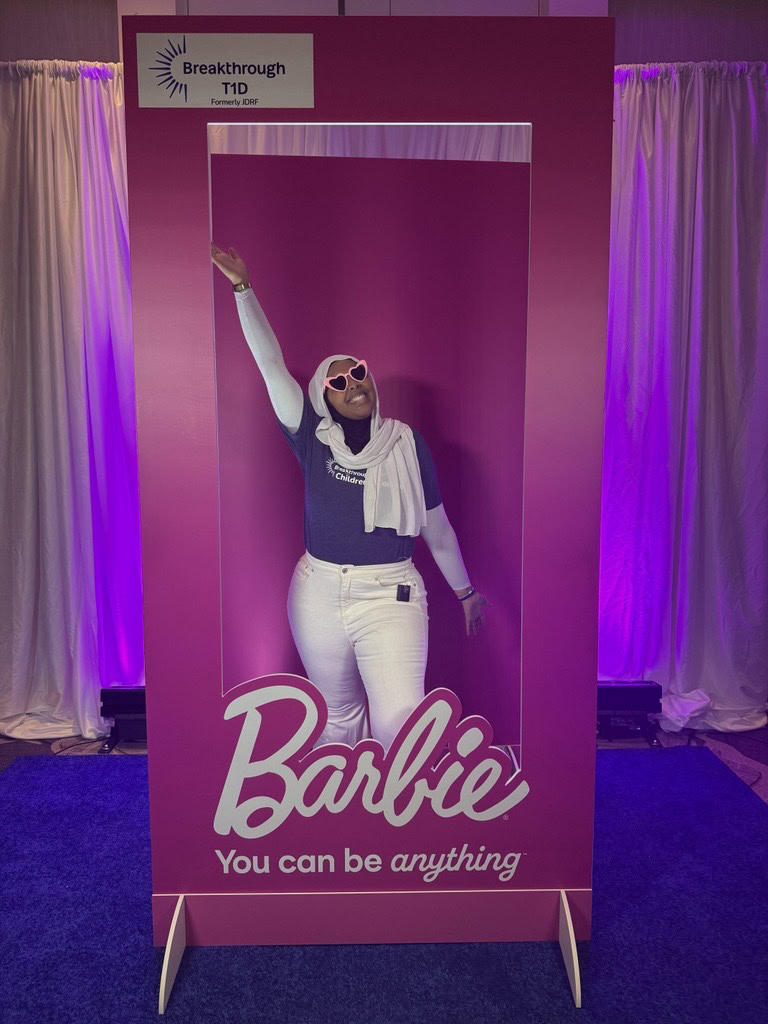
Yousra:
I hope that shame and stigma are taken out of the equation when it comes to talking about T1D, especially since it’s not something any of us could have avoided. I would love for people to know what life is like with T1D to get a better sense of all the hard work it takes to try to stay healthy.
Share Your Story
Living with T1D looks different for everyone. We want to hear your story: the highs, the lows, the challenges you’ve overcome, and the people who have supported you on your journey.
