
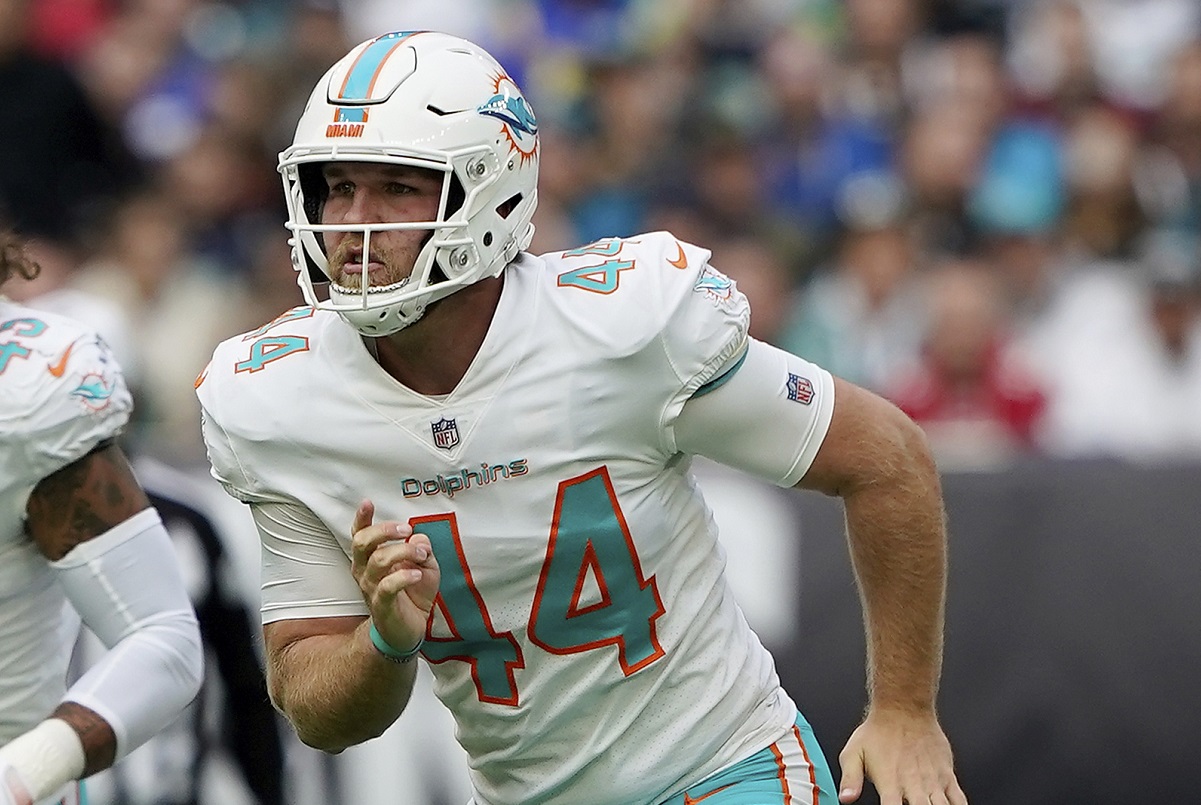
NFL Miami Dolphins and Breakthrough T1D Ambassador Blake Ferguson Snaps Hard for Cures!
NFL long snapper for the Miami Dolphins Blake Ferguson is a T1D Champion! Learn how he's helping Breakthrough T1D win in the fight against T1D.
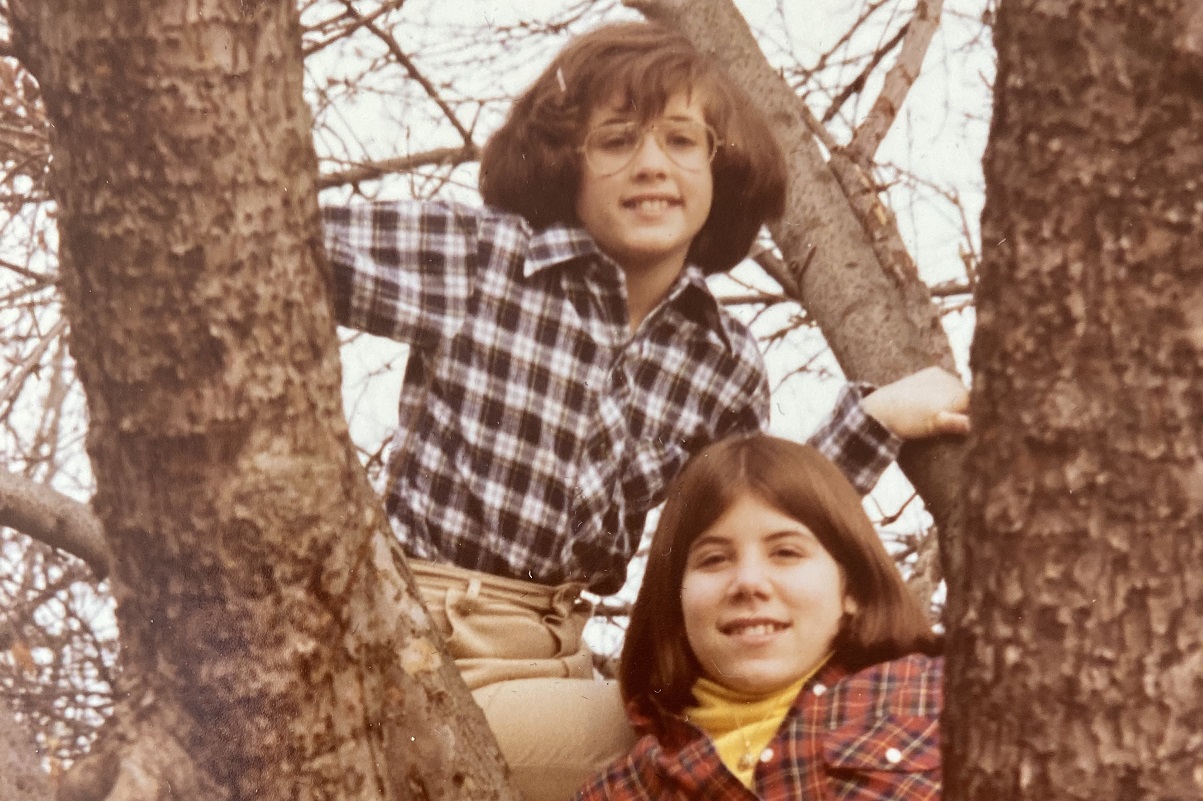
The Bonds of Family and the Power of Fiction
Author Eve Yohalem interviews her sister about life with type 1 diabetes and the power of fiction to make diabetes a normal part of humanity.

Research, Innovation, and Wellness at TypeOneNation Virtual Summit
Help us kick off National Diabetes Awareness Month at TypeOneNation Virtual Summit on November 1, 3, and 4, from 6:00 – 8:00 pm ET. This free event is for people of all ages and stages of type 1 diabetes and their loved ones. We’re offering three nights of sessions covering important topics like Breakthrough T1D’s […]
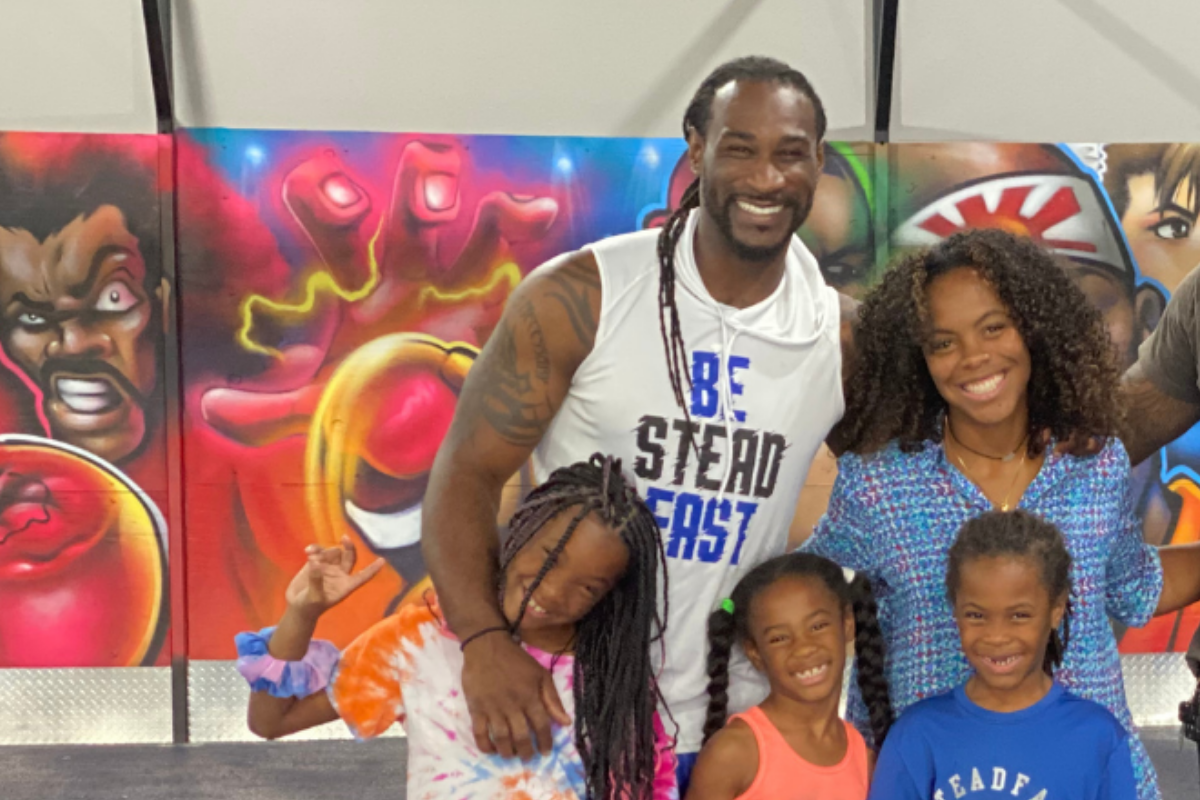
T1D Champions, The Stanbacks, Featured on GMA’s Thriver Thursday
Breakthrough T1D Volunteer Family, NFL Champion Isaiah Stanback, his wife Natalie, and their daughter Nadia featured on GMA's Thriver Thursday.
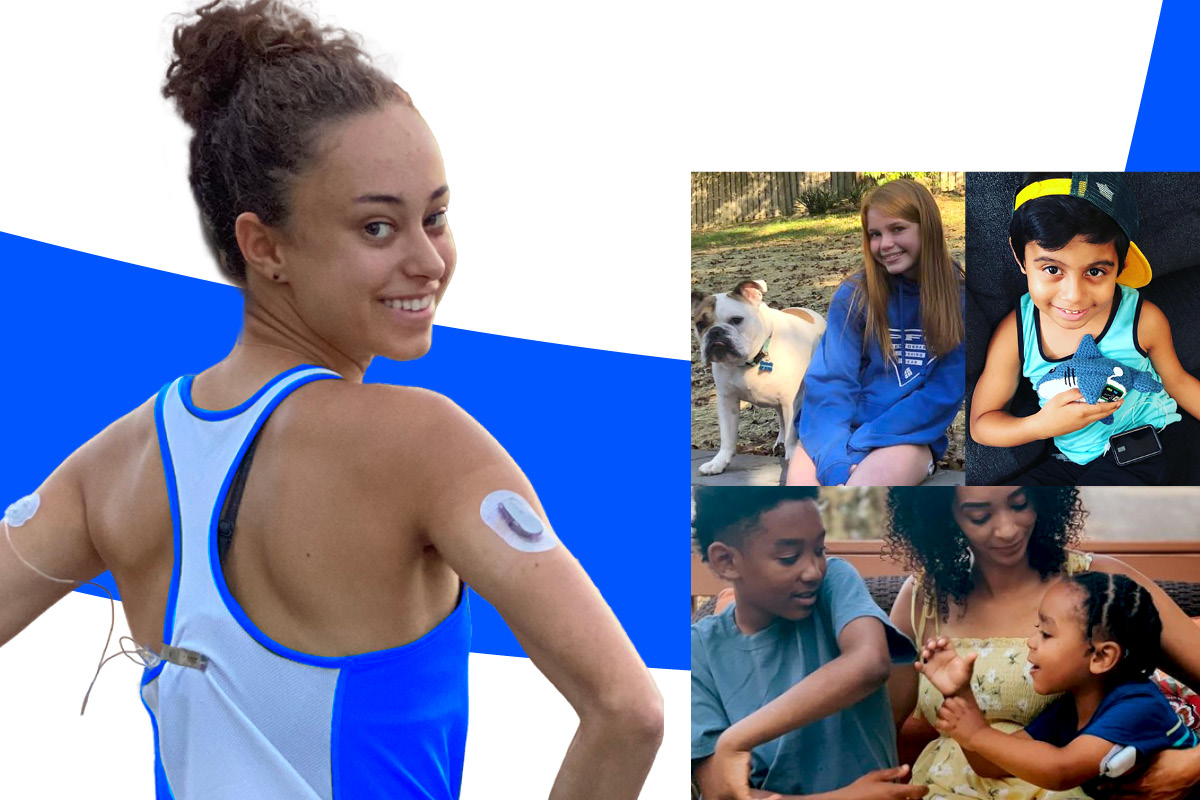
It’s Less than Two Months Away!
From T1Day (wear blue!) to social media storytelling and celebrity appearances, Breakthrough T1D has a bunch of exciting plans that you won’t want to miss out on!

Game Over, T1D! Fundraiser Brings Video Game Community Together in Support of Breakthrough T1D
From August 13–22, Breakthrough T1D Game2Give held Game Over, T1D, a livestream fundraising event that raised over $60,000 for type 1 diabetes (T1D) research.
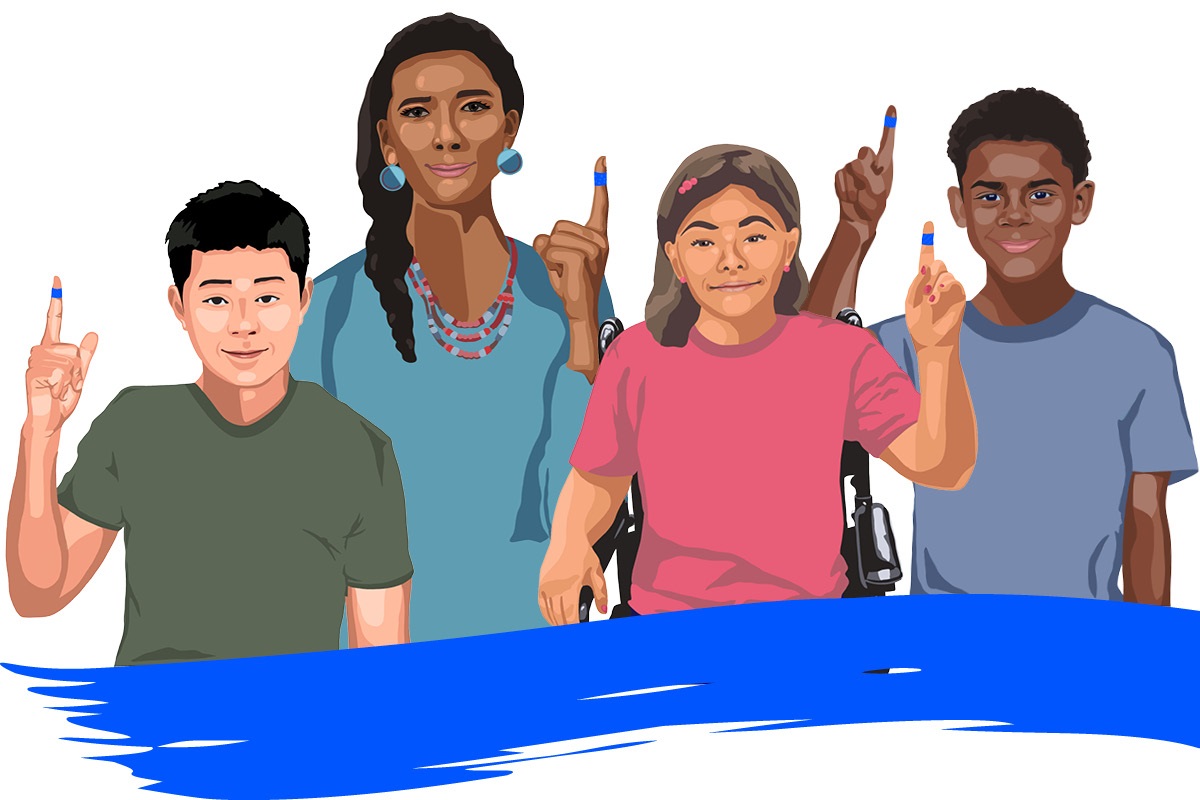
T1D Doesn’t Discriminate: Know Your Risk with T1Detect
How Breakthrough T1D’s screening education and awareness program can help address health disparities experienced by underserved members of the T1D community.

How Coming Out Helped Me Accept My T1D Diagnosis
In recognition of Pride Month, Breakthrough T1D shares the first-hand account of a member of the LGBTQ+ community who explains how coming out helped him accept his T1D diagnosis.
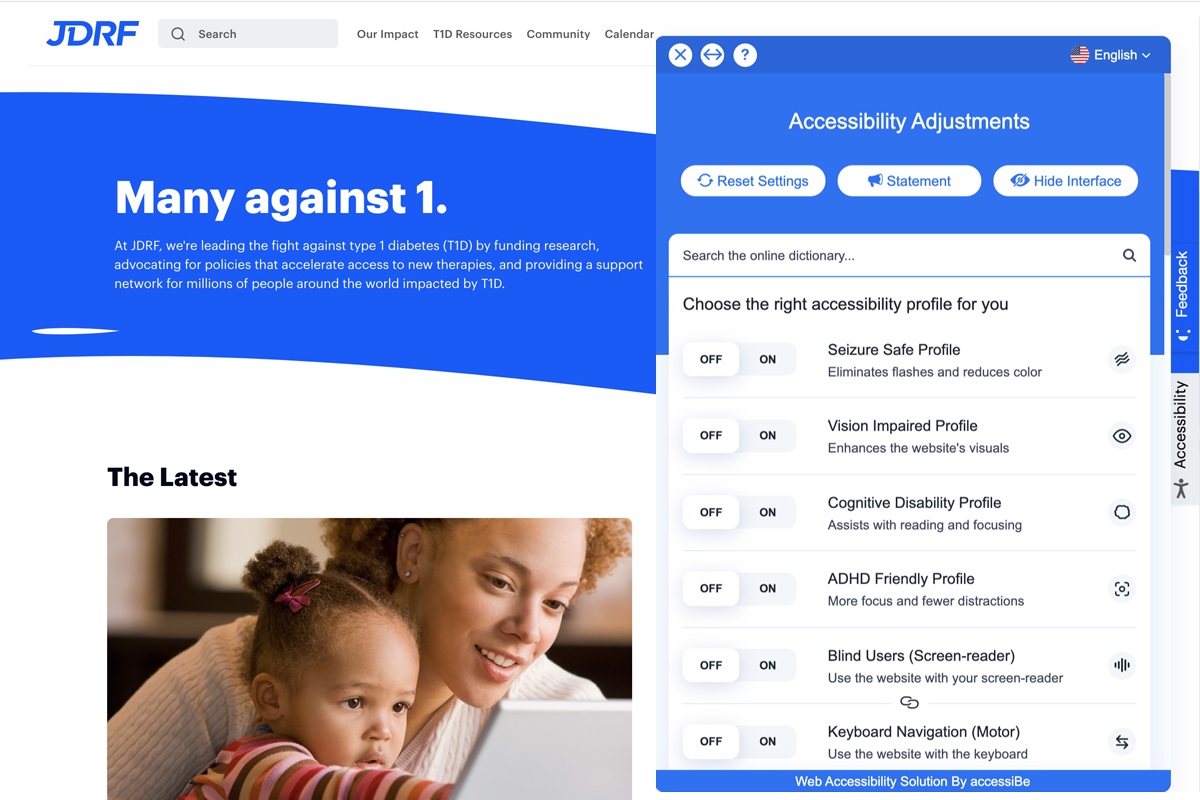
Did You Know Our Website Is Accessible for People with Disabilities?
JDRF’s website uses accessiBe technology to improve accessibility and usability for people with physical and psychiatric disabilities.

At Any Age, Breakthrough T1D is There
Interested in joining a virtual meet-up? In need of advice from someone who’s been there? Are looking for newly diagnosed resources? Breakthrough T1D is ready to help.

