
A goal of David Alagpulinsa, Ph.D., of Massachusetts General Hospital, is to contribute to a treatment that makes people with type 1 diabetes live like everyone—without T1D and its related complications.
David Alagpulinsa, Ph.D., a postdoctoral fellow in the laboratory of Mark Poznansky, M.D., Ph.D., focuses on immunoprotection for beta cells. Specifically, he is trying to stop beta cells that have been transplanted from becoming the target of immune attack, as well as prevent the immune system from destroying beta cells in the first place to cause type 1 diabetes (T1D). His laboratory discovered that the human protein CXCL12 serves to maintain a local immunosuppressed environment when it is expressed. He is taking two different paths to hopefully lead, one day, to cures for T1D.
Read the interview below to find out more about this research and the early-career scientist who is undertaking it.
Breakthrough T1D: Can you describe your research and tell us what you’re trying to do?
Dr. Alagpulinsa: My research is focused on two important areas in type 1 diabetes. The first one: I’m trying to develop a strategy to protect transplanted beta cells from immune destruction. The second part: I’m trying to protect the beta cells from being destroyed in the first place.
Alginate: A substance that comes out of a particular type of seaweed. It is biocompatible, meaning that you can put it into the human body, and the human body doesn’t have a huge reaction to it.
For the first part, we are using an immune molecule CXCL12 to incorporate into alginate to encapsulate stem cell-derived beta cells. Stem cell-derived beta cells can be produced in unlimited quantities, so if there’s a strategy to protect them from immune destruction, you could probably produce a functional cure for type 1 diabetes.
Encapsulation: An advanced form of transplantation where a gel capsule is designed to keep beta cells protected from immune attack, while letting insulin out and letting oxygen and other nutrients in.
For the second part, I am using gene delivery strategies and drug delivery strategies to harness CXCL12 and increase it in the pancreas to attract stem cells and immune regulatory cells, to prevent the immune system from destroying the beta cells. We have seen that this treatment prevents type 1 diabetes in animal models.
Breakthrough T1D: What are you hoping to accomplish in your postdoctoral fellowship and in your career?
Dr. Alagpulinsa: My main goal is to contribute to a treatment that will make type 1 diabetics live like everyone else. That could be a strategy that protects beta cells from immune destruction or a treatment that prevents complications that are associated with type 1 diabetes.
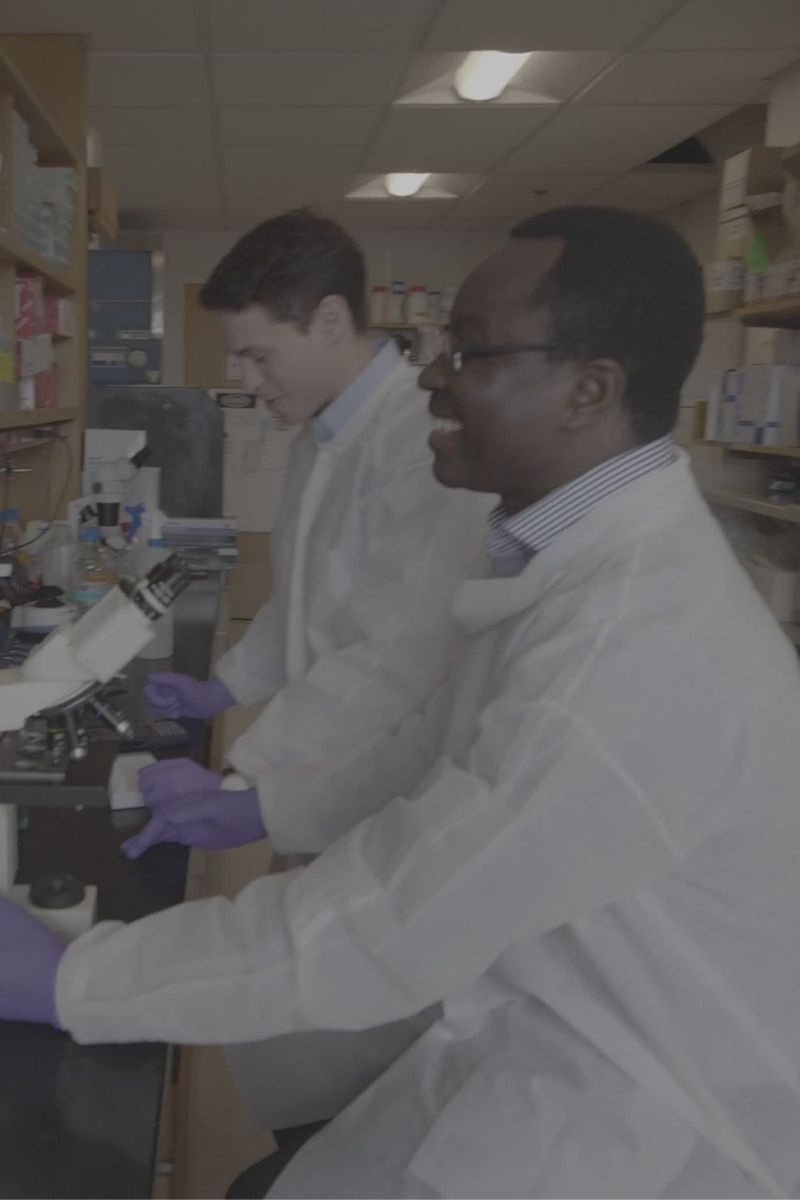 Breakthrough T1D: How did you get into type 1 diabetes research?
Dr. Alagpulinsa: This is a very, very interesting question, because I never thought I would do type 1 diabetes research. My Ph.D. was in cancer biology. After my Ph.D., I started my postdoctoral work at Dana-Farber Cancer Institute. But within a few months, I realized that I was basically doing the same thing that I did for my Ph.D. Within six months, I had already started looking for more exciting research.
I saw a position in Dr. Klibanski’s lab, who is now the president of Massachusetts General Brigham. I applied for the position, and I wanted Dr. Poznansky, who is now my advisor, to review my documents. A few days later, he calls me and tells me he has this new project on stem cell-derived beta cells for treating type 1 diabetes. It was very exciting science. I jumped on it, and it really has opened me up to new opportunities. Now, I really love type 1 diabetes research, and I’m not going back.
Breakthrough T1D: What happens in the course of a typical day in your research?
Dr. Alagpulinsa: I’m a morning person. By 4 a.m. to 5 a.m., I’m awake and I can’t sleep, so I tend to come to the lab relatively earlier than most people would do. So, between 7 a.m. and 8 a.m., I’m in the lab. I have specific journals that I like, and I follow them to see what is new in research. Then by 9 a.m., I start with my lab experiments and by 5 p.m., I’m done for the day. And the cycle repeats.
Breakthrough T1D: What do you do when you’re not at work?
Dr. Alagpulinsa: I like to sleep a lot. Sundays in particular; I devote that to more sleeping. I like to read literature, like novels, poetry; I do a lot of writing. I also like to listen to music, and I watch soccer, as well. I follow the English Premier League. Very keenly.
Follow Dr. Alagpulinsa on his Twitter feed at @Alagsdave.
Stem cells—first isolated by scientists in 1998—have two unique characteristics, with unique translatable potential: (1) They can be made to replicate themselves again and again without changing their essential nature, and (2) they can develop into virtually any type of human tissue. Stem cells have the potential to lead to treatments for type 1 diabetes (T1D), but it has taken us more than 20 years to get to this point. Read on.
Hear more from Dr. Melton about his search for T1D cures in our Meet the Scientist Video.
| 1999 | Breakthrough T1D testifies at one of the first congressional hearings on stem cell research. |
| 1999 | Breakthrough T1D forms first patient advocacy organization to support stem cell research. |
| 2000 | Breakthrough T1D funds a 10-year grant to Douglas Melton, Ph.D., for almost $1.4 million, to make beta cells from stem cells. |
| 2000 | Investigators at the Breakthrough T1D Center for Islet Transplantation—including Dr. Melton and Nissim Benvenisty, M.D., Ph.D.—demonstrate that growth factors could direct the development of human stem cells, setting the stage for the development of beta cells from stem cells in the laboratory.[1] |
| 2001 | Breakthrough T1D leads the creation of a coalition of patient and health advocacy organizations and research institutions to promote favorable stem cell research policies. Breakthrough T1D is involved in congressional hearings, press conferences, and builds support for congressional sign-on letters to the Administration. |
| 2001 | Breakthrough T1D meets with President Bush and Vice President Cheney in the White House to discuss stem cell research. A few weeks later, President Bush, in his first national prime time address, announces federal policy on stem cell research. |
| 2002 | Breakthrough T1D creates $20 million Stem Cell Research Development Fund and launches focused stem cell funding efforts worldwide. |
| 2003 | Breakthrough T1D leads an effort, along with coalition partners, to promote dialogue on stem cell research with the public at large, on Capitol Hill, and in the Administration. A Breakthrough T1D scientific white paper, “Why Federal Stem Cell Policy Must Be Expanded,” analyzes the state of stem cell research in the U.S. and articulates the case for expansion of the federal policy. |
| 2003 | Dr. Melton announced the development of 17 new stem cell lines, and Breakthrough T1D provides support for the distribution of them. |
| 2004 | Breakthrough T1D and coalition partners build support in Congress—206 Representatives and 58 Senators sign letters to Administration calling for a review and expansion of federal stem cell policy. |
| 2006 | Breakthrough T1D and coalition partners build support in Congress for expanded policy—legislation passes House and Senate but is vetoed. |
| October 2006 | Novocell develops a way to convert stem cells into insulin-producing cells, with partial funding from Breakthrough T1D.[2] The cells do not secrete much insulin and don’t do so in response to glucose, but the research represents a vital first step in coaxing stem cells to become cells that sense blood sugar and ultimately produce insulin in response. |
| 2007 | Breakthrough T1D and coalition partners build support in Congress for expanded policy again—legislation passes House and Senate but is vetoed. |
| 2009 | An Executive Order for which Breakthrough T1D had advocated is signed by the President, significantly expanding the number of stem cell lines which can be utilized in federally-funded research. |
| 2009 | The California Institute of Regenerative Medicine (CIRM), created in 2004 with leadership from Breakthrough T1D advocacy, awards $20 million to the Novocell Disease Team. |
| November 2011 | Breakthrough T1D supports ViaCyte (formerly Novocell, which resulted in a three-way merger with Novocell, CyThera, and BresaGen), which is developing an encapsulated beta cell replacement therapy that combines precursor beta cells made from stem cells that, over time, develop into mature pancreatic hormone-producing cells, including insulin-producing cells. |
| November 2011 | Breakthrough T1D has its first educational symposium with FDA. They have taken place quarterly every year since. |
| March 2013 | Breakthrough T1D launches the Encapsulation Consortium, including researchers with expertise in bioengineering, beta cell biology, pancreatic transplants, and materials science, who will work to develop and incorporate new engineering concepts and designs that will improve cell encapsulation. |
| September 2014 | ViaCyte starts its clinical trial of the first ever stem cell-derived encapsulated cell replacement therapy, VC-01™.[3],[4] The trial will enroll approximately 60 people at multiple clinical sites. |
| September / October 2014 | Significant progress in made in making beta cells in the lab: Two Breakthrough T1D-funded investigators—Dr. Melton and Timothy Kieffer, Ph.D.—develop a method for converting stem cells into insulin-producing beta cells.[5],[6] |
| 2015 | Dr. Melton founded Semma Therapeutics in 2015 to develop stem cell-derived beta cells into curative therapies for T1D. |
| 2017 | In early 2017, the Breakthrough T1D T1D Fund made a catalytic investment in Semma, to bridge the company to its next large venture round, which took place at the end of that year. |
| September 2019 | Vertex Pharmaceuticals acquires Semma Therapeutics for nearly $1 billion.[7] |
| October 2019 | ViaCyte has shown—for the first time ever—that its VC-01™ therapy helps people with T1D produce insulin again.[8] Preliminary data show that when pancreatic precursor cells, called “PEC-01 cells,” are implanted under the skin and properly engrafted, they are capable of producing circulating C-peptide, a biomarker for insulin, in people with T1D. |
| October 2020 | JDRF-funded researchers partner with the Advanced Regenerative Manufacturing Institute (ARMI) to translate the manual process to create stem cell-derived beta cells into a robust, reproducible, and automated procedure, for the eventual development as a replacement therapy for people with T1D.[9],[10],[11] |
| March 2021 | Vertex launches the clinical trial of VX-880, which uses stem cell-derived beta cells (pioneered by Dr. Melton) to try to restore the body’s ability to produce insulin, in combination with immunosuppressive therapy to protect the cells from rejection, for people with T1D with severe low blood-sugar (called hypoglycemia) events and those who struggle to perceive the onset of hypoglycemia.[12] The FDA granted Fast Track designation to Vertex—the first cell therapy in diabetes to receive this distinction. |
| October 2021 | Vertex announces promising data from its phase I/II clinical trial, that the first person to receive VX-880, the stem cell derived therapy for use in people living with T1D, needs 91% less insulin 90 days after receiving an infusion of these fully differentiated cells at just half the target dose, and other clinically meaningful benefits. |
| November 2021 | A new first for ViaCyte and CRISPR Therapeutics: Gene-editing for T1D. By the end of the year, they will start a clinical trial of VCTX210, a gene-edited stem cell replacement therapy for this disease. Combining ViaCyte’s leading stem cell capabilities, which were developed with significant support from Breakthrough T1D, with CRISPR Therapeutics’ pre-eminent gene-editing platform, has significant potential in the development of a cell replacement therapy that does not require immune suppression, advancing ViaCyte’s mission of providing a cure for diabetes and Breakthrough T1D’s vision of a world without T1D. Breakthrough T1D Leadership: Breakthrough T1D has been a long-time and significant supporter of ViaCyte, supporting the company through research funding, as well as advocating for government funding for the California Institute of Regenerative Medicine, which also supported ViaCyte. Our funding 15 years ago (when ViaCyte was called Novocell) underwrote development of the proprietary line of precursor stem cells used in their treatment. Breakthrough T1D also funded the preclinical and clinical studies of ViaCyte’s PEC-01™ therapies, which are designed to mature into islet tissue in humans, including glucose-responsive insulin-secreting beta cells. This includes the first ever clinical trial to test a stem cell-derived cell replacement therapy for T1D, in 2014. |
| July 2022 | Vertex Pharmaceuticals announces that they have acquired ViaCyte for $320 million in cash to help speed up the development of VX-880, Vertex’s stem cell-derived therapy for people with T1D. Vertex and ViaCyte have been working independently to develop cell replacement therapies for people with T1D. This merger brings two of the biggest companies pursuing this technology for diabetes together, and will allow them to combine their resources, technologies, intellectual property, and more. |
[1] Schuldiner M, Yanuka O, Itskovitz-Eldor J, Melton DA, Benvenisty N. Effects of eight growth factors on the differentiation of cells derived from human embryonic stem cells. Proc Natl Acad Sci U S A. 2000; 97 (21): 11307-11312. https://doi.org/10.1073/pnas.97.21.11307
[2] D’Amour KA, Bang AG, Eliazer S, Kelly OG, Agulnick AD, Smart NG, Moorman MA, Kroon E, Carpenter MK, Baetge EE. Production of pancreatic hormone-expressing endocrine cells from human embryonic stem cells. Nat Biotechnol. 2006 Nov; 24 (11): 1392-401. https://doi.org/10.1038/nbt1259
[3] https://www.breakthrought1d.org/blog/2014/08/19/jdrf-partner-viacyte-to-immediately-initiate-type-1-diabetes-clinical-trial
[4] https://clinicaltrials.gov/ct2/show/results/NCT02239354
[5] Rezania A, Bruin JE, Arora P, Rubin A, Batushansky I, Asadi A, O’Dwyer S, Quiskamp N, Mojibian M, Albrecht T, Yang YH, Johnson JD, Kieffer TJ. Reversal of diabetes with insulin-producing cells derived in vitro from human pluripotent stem cells. Nat Biotechnol. 2014 Nov; 32 (11): 1121-33. https://doi.org/10.1038/nbt.3033
[6] Pagliuca FW, Millman JR, Gürtler M, Segel M, Van Dervort A, Ryu JH, Peterson QP, Greiner D, Melton DA. Generation of functional human pancreatic β cells in vitro. Cell. 2014 Oct 9; 159 (2): 428-39. https://doi.org/10.1016/j.cell.2014.09.040
[7] https://www.breakthrought1d.org/blog/2019/09/04/semma-therapeutics-backed-jdrf-t1d-fund-acquired-major-biopharma-company/
[8] https://www.breakthrought1d.org/blog/2019/10/03/viacyte-announces-insulin-production-people-t1d/
[9] Pagliuca FW, Millman JR, Gürtler M, Segel M, Van Dervort A, Ryu JH, Peterson QP, Greiner D, Melton DA. Generation of functional human pancreatic β cells in vitro. Cell. 2014 Oct 9; 159 (2): 428-39. https://doi.org/10.1016/j.cell.2014.09.040
[10] Hogrebe NJ, Augsornworawat P, Maxwell KG, Velazco-Cruz L, Millman JR. Targeting the cytoskeleton to direct pancreatic differentiation of human pluripotent stem cells. Nat Biotechnol. 2020; 38 (4): 460-470. https://doi.org/10.1038/s41587-020-0430-6
[11] Maxwell KG, Augsornworawat P, Velazco-Cruz L, Kim MH, Asada R, Hogrebe NJ, Morikawa S, Urano F, Millman JR. Gene-edited human stem cell-derived β cells from a patient with monogenic diabetes reverse preexisting diabetes in mice. Sci Transl Med. 2020 Apr 22; 12 (540): eaax9106. https://doi.org/10.1126/scitranslmed.aax9106
[12] https://www.breakthrought1d.org/blog/2021/02/01/vertex-new-horizon-curing-type-1-diabetes/
Update: On July 5th, the FDA Clinical Hold was lifted. The trial will now be reopened for screening, enrollment and dosing at multiple sites in the U.S.
Vertex published a press release with many updates on their Phase 1/2 Clinical Trial of VX-880. The good news? The clinical trial participants are showing positive results. The surprising news? The trial has been put on Clinical Hold by the FDA. Let’s dive in.
What Is VX-880
VX-880 is the name of the Vertex therapy undergoing clinical testing. It uses stem cell-derived beta cells to try to restore the body’s ability to produce insulin, in combination with immunosuppressive therapy to protect the cells from rejection.
These cells are administered through the portal vein in the liver. After receiving the cells, study participants are on immunosuppressive therapies akin to those taken by someone who has received an organ transplant.
Some Encouraging Data
Results from the first person to receive VX-880 (at half the target dose) have been covered extensively both here and elsewhere. Vertex has intermittently released data showing a simultaneous increase in C-peptide (an indicator that the body is making insulin) and reduction in external insulin requirements. This latest update is the biggest yet: Patient #1 is 100% insulin independent 270 days after receiving the therapy with an HbA1c of 5.2%. He is on immunosuppressive therapy, but no longer needs to administer insulin.
Patient #2 also received a half dose of VX-880 and, like Patient #1, is seeing a simultaneous increase in C-peptide and a reduction in insulin requirement, but to a smaller extent than Patient #1. After 150 days, they have a 30% reduction in insulin requirements.
A third patient has received the full dosage of VX-880. They are experiencing an increase in C-peptide and improving glycemic control after 29 days. Patient #3 will be more fully evaluated at their 90-day visit later this summer.
There have been no serious adverse events with any of the three participants, meaning none have experienced a serious and undesirable experience because of VX-880.
“Breakthrough T1D is encouraged to learn that Patient #1 is fully insulin independent and that VX-880 is showing meaningful insulin production in Patient #2,” says Breakthrough T1D Chief Scientific Officer Sanjoy Dutta, Ph.D. “Breakthrough T1D is looking forward to seeing further data from these patients and, hopefully, more patients in the future, as soon as the FDA’s questions have been addressed by Vertex.”
What is a Clinical Hold?
Update: the Clinical Hold was lifted on 7/5 and the trial has resumed.
A Clinical Hold is a mechanism through which the FDA can suspend an ongoing clinical trial for a multitude of reasons. In this case, Vertex has stated that the hold is due to “insufficient information to support dose escalation with the product.” FDA has up to 30 days to send Vertex a written explanation of the decision. Vertex has stated that they are committed to working through this with FDA and want to resume this clinical trial as soon as possible.
In the meantime, Vertex will not be administering VX-880 to any trial participants or enrolling new participants in the study, but they will continue to follow the three patients who have already been enrolled. We will update this blog with more information as we learn more.
“It is not uncommon for clinical trials of such novel therapies to be suspended for the company and FDA to carefully consider the data,” says Breakthrough T1D Vice President of Regulatory and Health Policy, Campbell Hutton. “We hope that process can happen quickly so the research can continue.”
Breakthrough T1D Role
Simply put, VX-880 would not be possible without Breakthrough T1D. Douglas Melton, Ph.D., who just departed Harvard to work at Vertex, received a Breakthrough T1D grant to make insulin-producing beta cells from stem cells in 2004. Since then:
- He founded Semma Therapeutics in 2015 to develop these cells into curative therapies for T1D.
- The Breakthrough T1D T1D Fund made a catalytic investment in Semma in 2017.
- Vertex acquired Semma for almost $1 billion in 2019.
- VX-880 received fast-track designation from FDA in March, 2021.
Breakthrough T1D fully supports a variety of cell therapy approaches, investing in creating an unlimited supply of cells and finding ways to keep them safe without immunosuppressive therapies. Learn more about our efforts in Cell Therapies here.
Breakthrough T1D will also continue to proactively work with the FDA to keep them current on the latest in cell therapy technology so that these therapies, when ready, can progress through the regulatory process as quickly and safely as possible.
What’s Next
Breakthrough T1D has confidence Vertex will work with the FDA to address any concerns they have so this important clinical trial can continue as soon as possible. Breakthrough T1D has no insight into the specific reason for the hold or when the clinical trial will resume in the US.
In the meantime, Vertex has reaffirmed their commitment to developing therapies for type 1 diabetes and is also working on at least two other therapies as a part of their Cell Plus program. This includes one that takes the cells from VX-880 and encapsulates them in a device that keeps them safe from the immune system. They’re also working on genetically modifying cells to make them hypoimmune, meaning immune evasive. Both therapies are intended to function without the need for chronic immunosuppression, unlike VX-880. Vertex plans to file an Investigative New Drug (IND) application on the encapsulated cells in 2022.
In November, we covered some very exciting news from ViaCyte and CRISPR: The launch of a clinical trial for VCTX210 to test a gene-edited stem cell replacement therapy for type 1 diabetes (T1D). Yesterday, they passed an important milestone—the first person has received the therapy.
This novel therapy is designed to eliminate the need for immune suppression.
How It Works
To cure people with established T1D, two things must happen. The body must regain the ability to produce insulin, and the cells that make the insulin must be able to thrive inside the body, safe from immune attack. The approach taken by ViaCyte and CRISPR utilizes gene-edited precursor cells to accomplish this.
Precursor cells are cells that require further maturation before they are fully functional. These cells have been genetically modified to make them immune-evasive, i.e., they can function inside the body without being attacked by the immune system. Because they have been designed to evade the immune system, immunosuppressive therapy is not required to keep the cells alive.
This phase I trial is studying the safety of the therapy, the body’s ability to tolerate it, and the immune-evasiveness of the cells. Enrollment began in late 2021 in Canada. If the phase I trial is successful, further trials will specifically look to examine the efficacy of the therapy to see if it works as planned, restoring insulin production without the need for chronic immune suppression.
Breakthrough T1D Leadership
Breakthrough T1D has been a long-time and significant supporter of ViaCyte, supporting the company through research funding, as well as advocating for government funding for the California Institute of Regenerative Medicine, which also supported ViaCyte. Our funding 15 years ago (when ViaCyte was called CyThera) underwrote development of the proprietary line of precursor stem cells used in their treatment. Breakthrough T1D also funded the preclinical and clinical studies of ViaCyte’s PEC-01™ therapies, which are designed to mature precursor cells into functional islet tissue in humans, including glucose-responsive insulin-secreting beta cells. This includes the first ever clinical trial to test a stem cell-derived cell replacement therapy for T1D, in 2014.
This funding is one of several approaches to cell replacement Breakthrough T1D has advanced through research funding as part of the Breakthrough T1D Cell Replacement Consortium.
You know how Breakthrough T1D talked about stem cell-derived precursors that can—once implanted in humans—mature into beta cells and produce insulin? That was ViaCyte’s PEC-Encap, VC-01™. And now, the company’s second technology, VC-02™, which is in a first-in-human clinical study, has preliminary results.
The trial yielded the first reported evidence of implanted stem cells secreting insulin in response to food/meal consumption, however, the insulin secreted by the implants did not have a sufficient clinical effect, i.e., the people in the trial still had to take insulin.
The trial results are also one of the first to report implanted cell survival and functionality one year post transplantation, which is significant for the durability of these treatments.
What’s next?
Many questions remain, as spelled out by Eelco de Koning, M.D., Ph.D., and Françoise Carlotti, Ph.D., in their accompanying commentary. Researchers need to determine the differentiation stage at which the cells are most optimal for transplantation, and the best transplantation site. It is also not clear whether the effectiveness and safety of the cells can be maintained over time, whether the dose of cells is sufficient, and whether it is possible to eliminate the need for immunosuppressive therapy.
But, they end with this: “An era of clinical application of innovative stem cell-based islet replacement therapy for the treatment of diabetes has begun.”
Yes, it has.
Breakthrough T1D Leadership: Breakthrough T1D has been a long-time and significant supporter of ViaCyte, supporting the company through research funding, as well as advocating for government funding for the California Institute of Regenerative Medicine, which also supported ViaCyte. Our funding 15 years ago (when ViaCyte was called Novocell) underwrote development of the proprietary line of precursor stem cells used in their treatment. Breakthrough T1D also funded the preclinical and clinical studies of ViaCyte’s PEC-01™ therapies, which are designed to mature into islet tissue in humans, including glucose-responsive insulin-secreting beta cells. This includes the first ever clinical trial to test a stem cell-derived cell replacement therapy for T1D, in 2014.
Cell therapy is one of Breakthrough T1D’s priority T1D cures pathways, and this clinical trial is one of a number of potential beta cell replacement cures therapies Breakthrough T1D is supporting.
Breakthrough T1D believes that stem cells are a promising way to create a cell replacement therapy. See our stem cell therapy timeline for more info.
Photo Citation: de Koning and Carlotti, Stem cell-based islet replacement therapy in diabetes: A road trip that reached the clinic, Cell Stem Cell (2021), https://doi.org/10.1016/j.stem.2021.11.008
Breakthrough T1D CEO Aaron Kowalski, Ph.D., weighs in on the exciting, recent news surrounding stem cell-derived beta cell replacement therapies, now in human clinical trials, and as reported in The New York Times on Saturday, November 27.
As we approach the end of 2021, I am elated by the incredible progress we’ve seen in T1D research and development. On Saturday, The New York Times reported on a clinical trial that is currently being conducted by the company Vertex and the news has generated significant interest in the community and has elicited a spectrum of emotions—from joy and hope, to skepticism and doubt.
Given that this area of research is a top priority for us at Breakthrough T1D, and that we funded and advocated for this work and many more of the exciting advancements happening in type 1 diabetes today, I thought I would weigh in with my perspective.
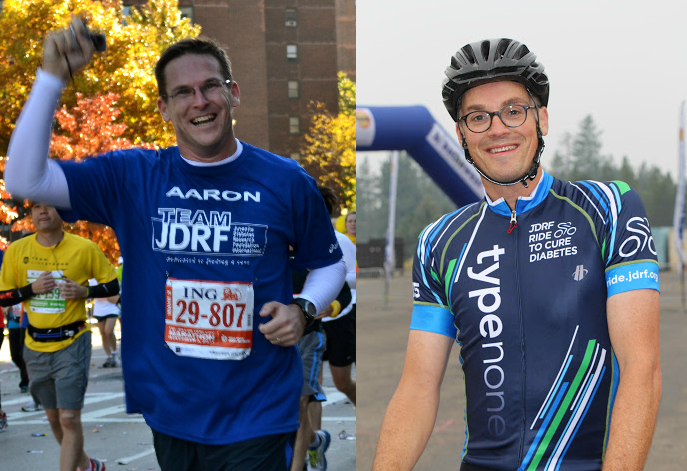 A little bit about me (for those of you who may not know my story): I’ve been CEO at Breakthrough T1D for about 2.5 years now and prior to taking on the role of CEO, I spent many years as a member and then the leader of the scientific team (my background being molecular genetics). While I’ve worked professionally on diabetes a long time, my family has been impacted by the disease much longer—more than 40 years. My brother Stephen was diagnosed with T1D at the age of 3 in 1977 and started on two shots of animal insulin a day and urine glucose testing. I was diagnosed at 13 in 1984, when color-based glucose testing and three shots of animal (cow-pig) insulin a day was the norm.
Today we are fortunate to be healthy and benefitting tremendously from the T1D technologies Breakthrough T1D played a seminal role in advancing. That said, my goal at Breakthrough T1D is the same as the founding families that formed this great organization—cures for T1D! This is why these recent reports are so important.
This past Saturday’s The New York Times reported on the experience of the first patient to be implanted with Vertex’s stem cell-derived islets, Mr. Brian Shelton, in a clinical trial run by the company Vertex. The New York Times reports, “Now his body automatically controls its insulin and blood sugar levels,” and that, “Mr. Shelton, now 64, may be the first person cured of the disease.” This amazing anecdote was reported by Vertex in a press release on Monday, October 18, and Breakthrough T1D made a statement regarding our excitement from this first report.
Here I’d like to express my excitement as well and provide some additional context. Is Mr. Shelton the first person to be “cured” of type 1 diabetes? No—he is not. But is this truly a sign of progress? Yes it is—and it’s one of several potential cures in human clinical trials, with support from Breakthrough T1D and all of you.
The Backstory: Islet Cell Transplantation
There have been thousands of people with T1D who have had their blood sugars normalized by receiving islet transplantations and in some cases whole pancreas transplants. These are fields of research that Breakthrough T1D invested in heavily going back to the 1980s and culminating in 1999 with what today is known as “The Edmonton Protocol.”
Led by James Shapiro, M.D., Ph.D., and an incredible multi-disciplinary team, people with T1D were infused with cells from organ donors and with a less toxic immunosuppression than was used previously (to prevent rejection of the islets). The results are incredible—restoration of normal blood sugars and insulin production for a decade on average. The challenge with this approach was two-fold: The need for organ donation for islets and the need for chronic immunosuppression. Breakthrough T1D has been working on solving each of these challenges (which are big challenges!) since the advent of islet transplantation.
Challenge #1: The need for an unlimited number of cells
The math is simple—to develop cures for everyone with T1D, organ donation is not sufficient. There are far too few pancreas organ donations each year to help the 1.6 million people with T1D in the United States and many millions more globally. While islet cell transplantation provided proof of concept, we knew we needed an additional source of insulin-producing cells. To solve this problem, Breakthrough T1D became an early pioneer in the field of stem cell research—funding and advocating for the ethical use of stem cells to cure diseases.
Breakthrough T1D strongly advocated on Capitol Hill for years to ensure research could proceed and funded research grants in the United States and across the globe to advance the science focused on the process of transforming stem cells into insulin-producing beta cells (and the other hormone producing cells of the islet). Doug Melton, Ph.D., who is highlighted in this The New York Times article, was an early scientific leader in the field. Breakthrough T1D began support of Dr. Melton’s work in 2000 and our funding continues today. When Dr. Melton formed his company, Semma, the Breakthrough T1D T1D Fund provided crucial investment to move this research into product development, which led, several years later, into it being acquired by Vertex. Breakthrough T1D has also supported many other groups who have developed insulin-producing cells from stem cells—funding hundreds of researchers around the world for the past 20 years and supporting over 40 groups and $80 million of currently active research globally.
Challenge #2: The need for immunosuppression
Islet transplantation requires a lifetime of immunosuppression so that the transplanted cells are not rejected. In fact, rejection of beta cells is driven by two challenges: The first is that the cells are from a donor and just like any other transplant, without immunosuppression, the cells will be rejected. Second, the person with diabetes still has autoimmunity and our bodies will attack beta cells. We call these alloimmunity and autoimmunity, respectively. Breakthrough T1D has invested heavily in solving these challenges, launching a Beta Cell Consortium in 2013 which is supporting research by multiple teams focused on four primary fronts:
- Macroencapsulation of the cells: Placing a group of cells in a “device” that physically protects them;
- Microencapsulation of the cells, also physically protecting the cells, but at the cellular level;
- Gene editing (using CRISPR or other methods to modify the cells so that they are “invisible” to the immune system); and
- Immunologic approaches that “teach” the immune system to not attack the new insulin-producing cells or provide “local” immune protection to the transplanted cells.
The Latest Progress and Why it Matters
OK, that’s a lot of background and context—but, it’s important to understand why this report is so noteworthy, what else is happening in the field, and what is coming next. With that, I’d like to address a number of the questions that I’ve received, and seen posed in the diabetes online community:
1. Is this a big deal? I thought we’ve been able to do this since islet transplantation.
This is a really big deal!! Yes, islet transplantation has shown that we can restore normal blood sugar levels with transplanted cells, but as I’ve described above, we don’t have enough islets. Stem cell-derived islets could provide an unlimited source. This would allow (theoretically) everyone with T1D to have cells. It’s been 20 plus years of research that has taken us to a place where stem cell-derived islets could be tested in people. The Vertex report is an awesome step forward. I should also note that Breakthrough T1D (including Breakthrough T1D’s T1D Fund) believes that competition drives innovation and that “multiple shots on goal” are a good thing.
It’s important to note that Breakthrough T1D-supported firms ViaCyte and Sernova have also recently reported insulin-production in their human trials of stem cell-derived T1D therapies. In 2019, Sernova showed in its Breakthrough T1D-funded clinical trial that its cell replacement therapy, the Cell Pouch System™, can produce insulin in people with T1D.
That same year, ViaCyte, a beta cell replacement company long supported by Breakthrough T1D, showed—for the first time ever—that its PEC-Encap therapy helps people with T1D produce insulin again. Last month, ViaCyte and CRISPR Therapeutics announced another exciting first: Gene-editing for T1D. By the end of the year, they will start a clinical trial of VCTX210, a gene-edited stem cell replacement therapy for this disease.
And, the T1D Fund has several important investments including Seraxis, Diagon, and eGenesis, all of whom are working on beta cell replacement technologies.
2. Why is Vertex reporting just the data from one person? Shouldn’t they have waited until the trial was complete?
This is data from just one person, and, as a scientist, I know it’s critical for us to see the data from the entire group of people who receive these cell transplants. The field will not move forward until many more people participate in these trials. That said, it is a significant finding that these cells are making insulin and driving clinical benefit. This finding will help us begin to plan the next stage of clinical trials and assess the benefit/risk of this potential therapy, including paving regulatory and health policy pathways that are key priorities of Breakthrough T1D.
3. But Mr. Shelton is still taking immunosuppressants. Isn’t that like trading one problem for another?
Mr. Shelton is indeed on immunosuppressants in this trial. That said, this is an important step. There are a number of circumstances in which the benefit/risk of a therapy that includes immunosuppression could be positive. For example, there are many people with T1D who are already taking immunosuppressants due to having had a kidney transplant. A therapy like this could take away their diabetes without adding new risks from immune suppression. That could be a HUGE step forward for many people with T1D. At the same time, many people with T1D face significant risks from the disease every day. Given the improved safety profile of anti-rejection drugs, I’d venture that for a number of people the tradeoff would be a positive one.
4. Is Breakthrough T1D jumping on the bandwagon? Is Breakthrough T1D really committed to a cure?
For over 20 years beta cell therapy has been a major area of focus for us and we’ve been the leading organization focused on curing T1D since two families founded our organization to develop cures for their sons. Breakthrough T1D has been a leader in stem cell research since the beginning and has funded over $150 million since 2000. In this case, Breakthrough T1D funded Dr. Melton back in 2000 and continues to do so today. Our T1D Fund invested in Dr. Melton’s company Semma and we are currently working with Vertex to accelerate the pathway to regulatory approval and health care coverage. While I’m proud of my work as a scientist at Breakthrough T1D on artificial pancreas systems (and my brother and I currently wear artificial pancreas systems that are derived from Breakthrough T1D-supported work), more than anything else I want to take off my diabetes devices and achieve what our founders set out to do—find cures for T1D.
5. What’s next? When might I or my loved one benefit from this work?
Breakthrough T1D’s mission is “Improving lives today and tomorrow by accelerating life-changing breakthroughs to cure, prevent, and treat T1D and its complications.” Of course, there would be nothing more life-changing than taking off our pumps, putting down our insulin pens, and making our own insulin again. I dream about that every day, for my brother Steve and me, and for everyone impacted by T1D. Breakthrough T1D will do all that we can to see this work move forward as fast as possible. We will continue to fund millions of dollars in research, our T1D Fund will continue to invest in companies moving forward in this space, our regulatory team will continue to work with FDA and regulators around the world on pathways to product approvals, and our health policy team will continue to work on ensuring that when these products are approved, they are affordable and accessible to everyone with T1D. Your ongoing support for this mission critical work is essential for our success.
6. I heard this before and just can’t get my hopes up too high. Has Breakthrough T1D given up on better treatments and prevention of T1D?
I realize that there is sentiment out there that cures are “always right around the corner.” I appreciate this but remember that science is moving forward and ultimately the data are the data. These approaches are now being tested in people and the data are very compelling. Moreover, the approaches have moved from academia to formal research and development programs. There is work to be done, but I firmly believe this isn’t a matter of if stem-cell transplants will be available to the T1D community, it’s only a matter of when. The more research and advocacy we support—the faster it will happen.
Breakthrough T1D will continue to support work on better treatments and prevention as well. We need our T1D community to be healthy when cures arrive and we need to stop T1D from happening in the next generation. Tremendous progress is being made on both of these fronts as well.
- We have multiple automated insulin-delivery systems on the market and more coming in the near future. They continue to get smaller, more integrated, and drive better control. Breakthrough T1D also continues to invest in glucose-responsive insulins and other approaches to lower blood sugar beyond insulin.
- We’ve also made great strides in prevention. The first drug to delay T1D—teplizumab—received FDA advisory committee recommendation for approval this past summer. Breakthrough T1D and our T1D Fund continue to make investments that aim to restore immune balance in T1D, which will be critical in stopping the development of the disease and to provide further curative approaches beyond cell replacements.
More Optimistic Than Ever
Let’s come full circle. The recent report in The New York Times has generated great excitement and many questions. I welcome both of these responses. I’m thrilled that Vertex is moving the work from Dr. Melton and Semma into the clinic and toward a product. This is huge. I’m thrilled that companies such as ViaCyte, Sernova, and others are racing to get there as well. I’m proud that Breakthrough T1D has played a pivotal role in this field moving forward and I’m more committed than ever that we will do everything we can to accelerate these life-changing breakthroughs to everyone with T1D.
ViaCyte, a beta cell replacement company long supported by Breakthrough T1D, and CRISPR Therapeutics have a new first: Gene-editing for type 1 diabetes (T1D). By the end of the year, they will start a clinical trial of VCTX210, a gene-edited stem cell replacement therapy for this disease. Combining ViaCyte’s leading stem cell capabilities, which were developed with significant support from Breakthrough T1D, with CRISPR Therapeutics’ pre-eminent gene-editing platform, has significant potential in the development of a cell replacement therapy that does not require immune suppression, advancing ViaCyte’s mission of providing a cure for type 1 diabetes and Breakthrough T1D’s vision of a world without type 1 diabetes.
“Breakthrough T1D applauds ViaCyte and CRISPR for bringing their VCTX210 therapy into human clinical trials. This is an enormous step forward in alignment with Breakthrough T1D’s vision to bring insulin independence to people with type 1 diabetes without the need for immunosuppression,” says Sanjoy Dutta, Ph.D., Breakthrough T1D Vice President of Research. “Breakthrough T1D is proud of the work we have done with ViaCyte over the past 10+ years that has led to this transformative step and looks forward to forthcoming results.”
The phase I clinical trial to evaluate the safety, efficacy, and immune evasiveness of the therapy will begin in Canada this year.
Breakthrough T1D Leadership: Breakthrough T1D has been a long-time and significant supporter of ViaCyte, supporting the company through research funding, as well as advocating for government funding for the California Institute of Regenerative Medicine, which also supported ViaCyte. Our funding 15 years ago (when ViaCyte was called CyThera) underwrote development of the proprietary line of precursor stem cells used in their treatment. Breakthrough T1D also funded the preclinical and clinical studies of ViaCyte’s PEC-01™ therapies, which are designed to mature into islet tissue in humans, including glucose-responsive insulin-secreting beta cells. This includes the first ever clinical trial to test a stem cell-derived cell replacement therapy for T1D, in 2014.
This funding is one of several approaches to cell replacement Breakthrough T1D has advanced through research funding as part of the Breakthrough T1D Cell Replacement Consortium. Visit here to find out more about our program.
In February, Vertex announced they were beginning a clinical trial for VX-880, their stem cell-derived therapy for use in people with type 1 diabetes (T1D). Today, they announced that the first person to receive this therapy now needs 91% less insulin 90 days after receiving an infusion of these fully differentiated cells at just half the target dose. It’s a big deal.
Curing T1D in the 1.6 million Americans living with it and millions more around the world requires a renewable source of beta cells that can be produced in laboratory—and they must work. Once placed into the body, they need to be up to the task of restoring insulin production in people and automatically regulating blood-glucose levels. Although Vertex only shared the data for one individual, their data shows that VX-880 checks this box.
Data
There are few things to keep in mind while assessing the data. One is that these are only results from a single person. Data is needed from many more to fully evaluate the potential of this therapy. The second is that this person only received half the target dose of cells.
The efficacy of this therapy is evaluated using a few key metrics. One way is by measuring C-peptide levels—a marker that directly indicates endogenous beta cell function. The patient in this study had no detectable C-peptide at all pre-infusion. After infusion of the cells, the patient had both fasting and stimulated C-peptide, which directly indicates the presence of basal and glucose-responsive insulin secretion.
The patient also saw a significant reduction in HbA1c, improving from 8.6% to 7.2% without severe hypoglycemic events. As a reminder, this therapy is only being tested in people with severe hypoglycemia. This lower HbA1c was achieved with a 91% daily reduction in insulin administration.
Another key metric to look at is safety. These therapies are of no use if they are not safe. During the first 90 days, this patient did not experience any severe adverse events considered related to VX-880. Individuals in this clinical trial are on a standard regime of immunosuppressive therapies, which do come with side effects.
Breakthrough T1D’s Role
Today’s exciting news can be traced back to 2000, when Breakthrough T1D gave Douglas Melton, Ph.D., a grant to make insulin-producing beta cells from stem cells—which he did in 2014. Since that breakthrough:
- He founded Semma Therapeutics in 2015 to develop these cells into curative therapies for T1D.
- The Breakthrough T1D T1D Fund made a catalytic investment in Semma in 2017.
- Vertex acquired Semma for almost $1 billion in 2019.
- VX-880 received fast-track designation from FDA in March, 2021.
It’s a busy and exciting time for the development of these therapies—and Breakthrough T1D continues to support the field and a variety of tactics to get these cells safely and effectively into people with T1D.
What Comes Next?
This clinical trial is in an extremely limited patient population—people with severe hypoglycemia. The cells in VX-880 do not have any sort of protection from the immune system, which is why immunosuppressive drugs are required. For this therapy to be applicable for the entire T1D population, the cells need to both work and they need to function without or with minimal immunosuppressive therapies.
That’s why it’s also exciting to hear that Vertex plans to file an Investigational New Drug application with the FDA in 2022 for their encapsulated islet cell program, which could eliminate the need for immunosuppressives.
In the meantime, Vertex will continue their clinical trial in T1D’s with severe hypoglycemia . They are currently enrolling in several sites in the United States. Learn more here.
Vertex Pharmaceuticals recently announced it has launched a clinical research study for an investigational cell therapy in type 1 diabetes (T1D) patients. As you may know, clinical research studies are carefully designed and conducted in people to see if an investigational medicine is safe and effective. Vertex is looking for adults ages 18 to 65 with type 1 diabetes in the U.S. who experience severe low blood sugar (hypoglycemia) events and impaired hypoglycemia awareness to participate in this clinical research study.
Vertex seeks to evaluate an investigational fully differentiated, stem cell derived islet cell infusion therapy, called VX-880, in people with T1D who meet study criteria to see if it can work and whether it is safe. The goal of this infusion, which is delivered intravenously (through IV), is to provide replacement islet cells for the ones that have been lost or don’t work properly in people with T1D.
Participants in the study will receive ongoing immunosuppressive medication to protect the new islet cells. These immunosuppressive medications are similar to the ones people who undergo an organ transplant receive. The follow-up period is about five years following a participant’s final infusion. Study visits are less frequent after the initial 2-year follow-up (e.g. every 6 months). Participants and their study doctor may choose to have some of the study visits at the participant’s home with a home health nurse, allowing for a lower number of times that participants must travel to the study site. There are options to complete some visits remotely throughout the study to minimize necessary travel.
If qualified for the research study and an individual chooses to participate, he/she will receive all study-related medications and procedures at no cost. In addition, participants may also be compensated for study-related time and reimbursed for travel.
New medicines are made possible by the volunteers who participate in clinical research studies. Vertex encourages patients to speak first with their doctor about their potential eligibility to volunteer and enroll in a clinical research study. For more information, please visit Type1DStudy.com
There are many unique challenges that need to be addressed to cure type 1 diabetes (T1D). For example, it’s incredible that, thanks to years of Breakthrough T1D funding, stem cell-derived insulin-producing beta cells created in a lab are in human clinical trials. However, this won’t translate into a cure for everyone with T1D until those cells can thrive inside the body to fully regulate blood-glucose levels without the use of broad immunosuppression. It’s an incredibly complex engineering and immune challenge, which is why Breakthrough T1D and the National Institutes of Health (NIH) brought together the top minds in these fields to discuss new technologies, approaches, and strategies.
Over two days, from July 27-28, nearly fifty scientists from a variety of scientific disciplines, including transplant immunology and bioengineering, assessed the scientific landscape, identified knowledge gaps and barriers, and outlined a roadmap to achieving localized immune modulation and immune tolerance key to implanted beta cells thriving in the body.
“We are very excited about the potential for cutting-edge research at the intersection of immunology and bioengineering,” said Jaime Giraldo, Ph.D., Breakthrough T1D Associate Director, Research. “It’s critical that Breakthrough T1D provides the opportunity to explore unique approaches for protecting transplanted cells, allowing for the next generation of beta cell replacement therapies to benefit a broad patient population. While we remain enthusiastic about the progress made with encapsulation technologies and their potential to address the challenges we face in creating beta cell replacement therapies, we are also encouraged at the prospect of next-generation technologies that can enable cell survival and function, without the need for physical barriers to protect the cells.”
Different Approaches, Same Goal
In order to protect the beta cells put into people to cure their T1D, they must be kept safe from the immune system. This can be done through localized immune modulation and induced immune tolerance.
Localized immune modulation creates small areas in the body that are immune privileged, which means they can tolerate the introduction of antigens—the alarm sirens secreted by beta cells—without eliciting an inflammatory response. This could be accomplished by:
- Using special drug delivery systems that release drugs locally in the vicinity of implanted cells; or
- Enabling beta cells to secrete biological signals that block the activity of attacking immune cells.
Inducing immune tolerance means teaching the body’s immune system to ignore and not mount an attack against certain stimuli. In T1D, people are missing immune tolerance to some of their beta cell proteins, which allows the body’s immune system to destroy their beta cells, giving them T1D.
These approaches have the potential to create an environment that allows a transplanted beta cell to flourish in an individual with T1D—safe from the autoimmune attack that created T1D in the first place.
Breakthrough T1D’s Strategy: Get the Top Minds Together
Breakthrough T1D’s approach to solving complex problems involves bringing a diverse set of experts to explore myriad solutions. This workshop featured immunologists, material scientists, biomedical engineers, and transplant specialists, among others, to brainstorm potential solutions and collaborations that have not been possible before.
“It was a great pleasure to work with Dr. Giraldo and the Breakthrough T1D team in the organization of this successful workshop that attracted an outstanding group of speakers, moderators and participants who discussed current therapeutic barriers and how to tackle them with immuno-engineering solutions enabling more effective and durable interventions in the context of cell replacement therapies for immune mediated diabetes,” said Dr. Guillermo Arreaza-Rubín, M.D. Director, Clinical Immunology and Diabetes Technology Program. “Workshops like this one allow our agencies to better coordinate and catalyze efforts to promote cutting edge and translational research in key priority areas”
This group came to the consensus that, while this technology has come a long way in recent years, there is still some work to be done before it becomes a commercially available therapy. Breakthrough T1D plans to take this information and create funding opportunities aimed at addressing fundamental gaps in knowledge needed to move forward, while continuing to push on other key approaches in cell replacement therapy such as encapsulation, oxygenation, gene modification, clinical development and others.
Not only was the workshop a productive two days of information sharing and brainstorming, but it was also a return to normalcy for Breakthrough T1D research. Interdisciplinary workshops have been key in forming the relationships and partnerships that produce solutions to complex problems which have brought T1D science to where it is today. This workshop was the first Breakthrough T1D hosted since the pandemic began in 2020.
Learn more about Breakthrough T1D’s work in cell therapies here.
