Advocacy
Cell Therapies
Clinical Trials
Events and Conferences
People and Leadership

Clinical trials are critical to making type 1 diabetes a condition of the past.
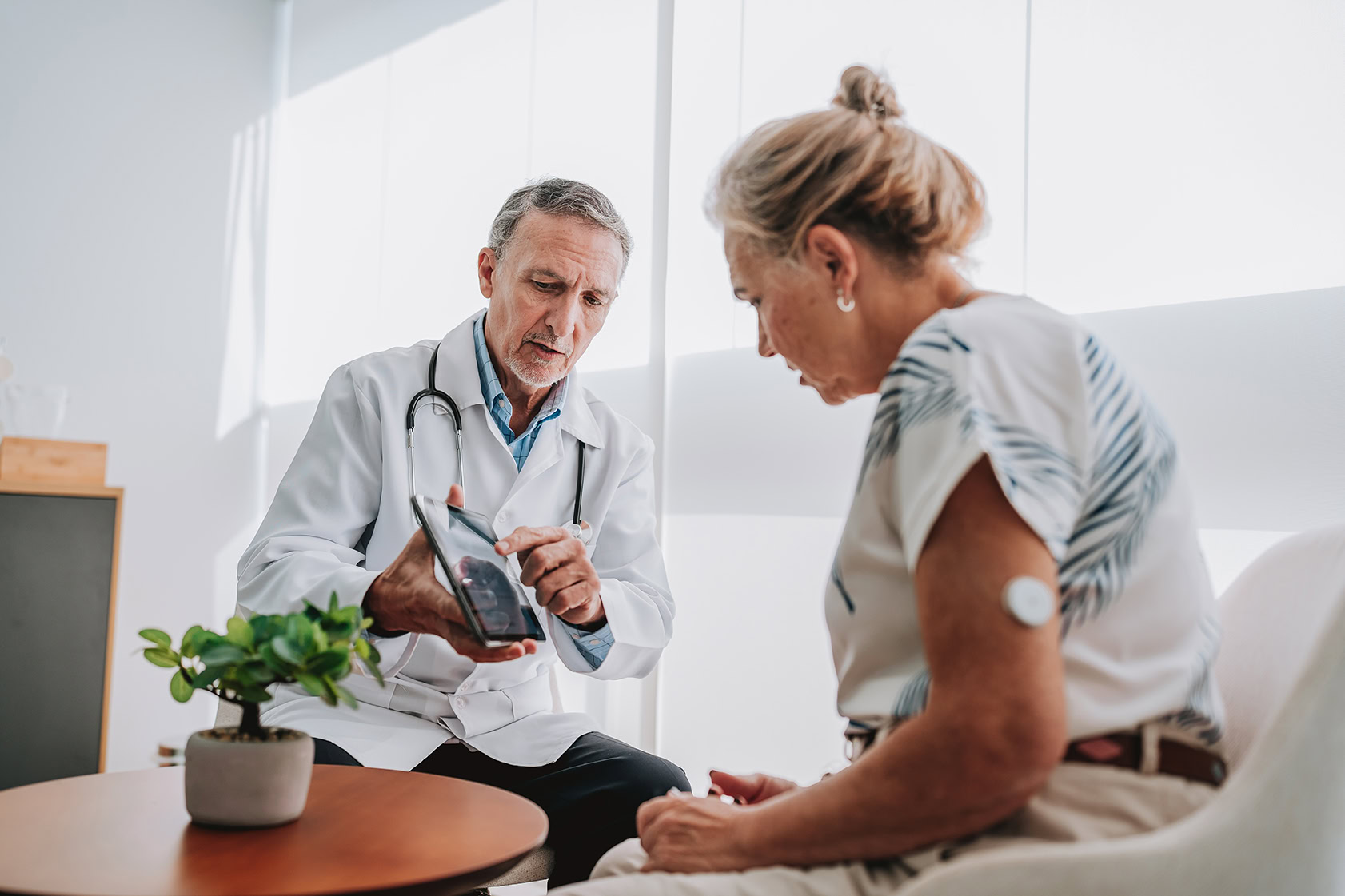
For a treatment, drug, or device to make it into the hands of people with T1D, it must first complete a vital process: a series of clinical trials to ensure safety and efficacy.
Currently, there are over 300 clinical trials for T1D. Enrolling in these clinical trials is essential to our mission: Accelerating life-changing breakthroughs to cure, prevent, and treat type 1 diabetes and its complications.
We’re here to make it as easy as possible for every member of this incredible community to learn more about type 1 diabetes clinical trials and consider participation.
Despite how critical clinical trials are to finding therapies to cure, prevent, and treat T1D, many trials are delayed due to slow enrollment, which can hinder progress. Participating in a clinical trial is a great way to contribute to a future without T1D!
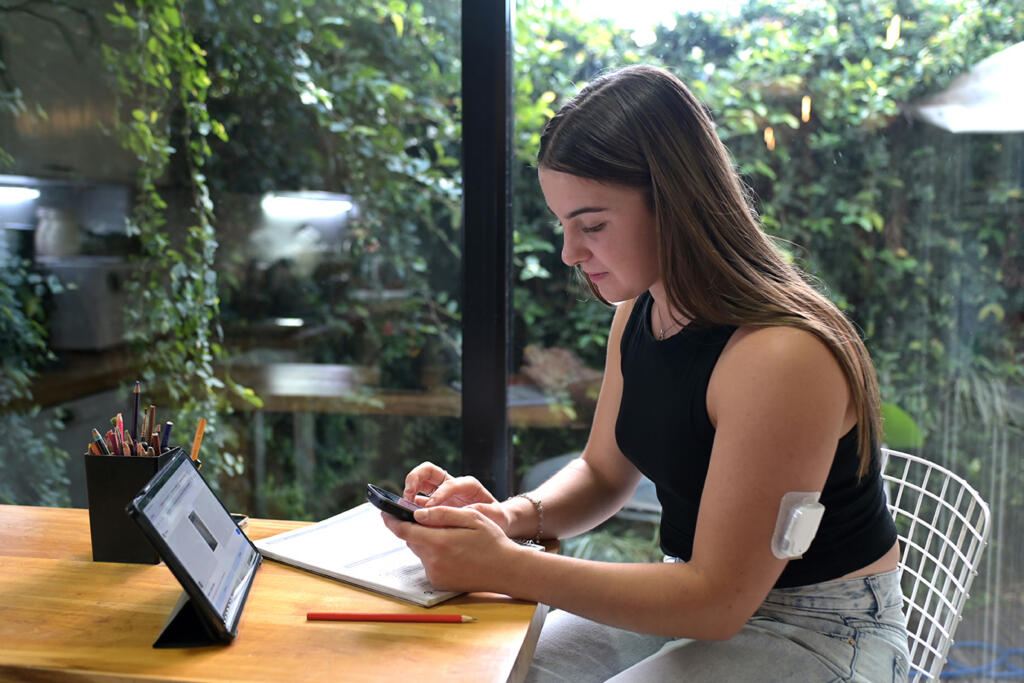
Visit our partners at Antidote to match with clinical trials you might be eligible for—all in under a minute.
Our Clinical Trial Education Volunteers (CTEVs) are highly trained to answer questions you may have or connect you to local clinical trial coordinators.
Our Participant Advisory Council promotes representation in clinical trials and ensures the participant’s voice is used to inform clinical trial design and implementation.
Sign up for our monthly research newsletter, The Pipeline, for the latest in type 1 diabetes science and clinical research.
Learn about currently recruiting clinical trials for disease-modifying therapies, which may slow or stop T1D progression.
Learn about currently recruiting clinical trials for cell therapies.
Learn about currently recruiting clinical trials that are being conducted virtually.

The RESET T1D (TN36) clinical trial is testing rezpegaldesleukin to see if it can help people recently diagnosed with T1D continue to make insulin by improving the function of regulatory T cells (Tregs), which help balance the immune system.
All participants will receive injections every 2 weeks at a study site, have blood tests, and be closely monitored. The study is enrolling people between ages 18 to 45 who are US residents and were diagnosed with T1D in the last 3 months. More information about the RESET T1D study, including how to sign up, is available on the TrialNet website.

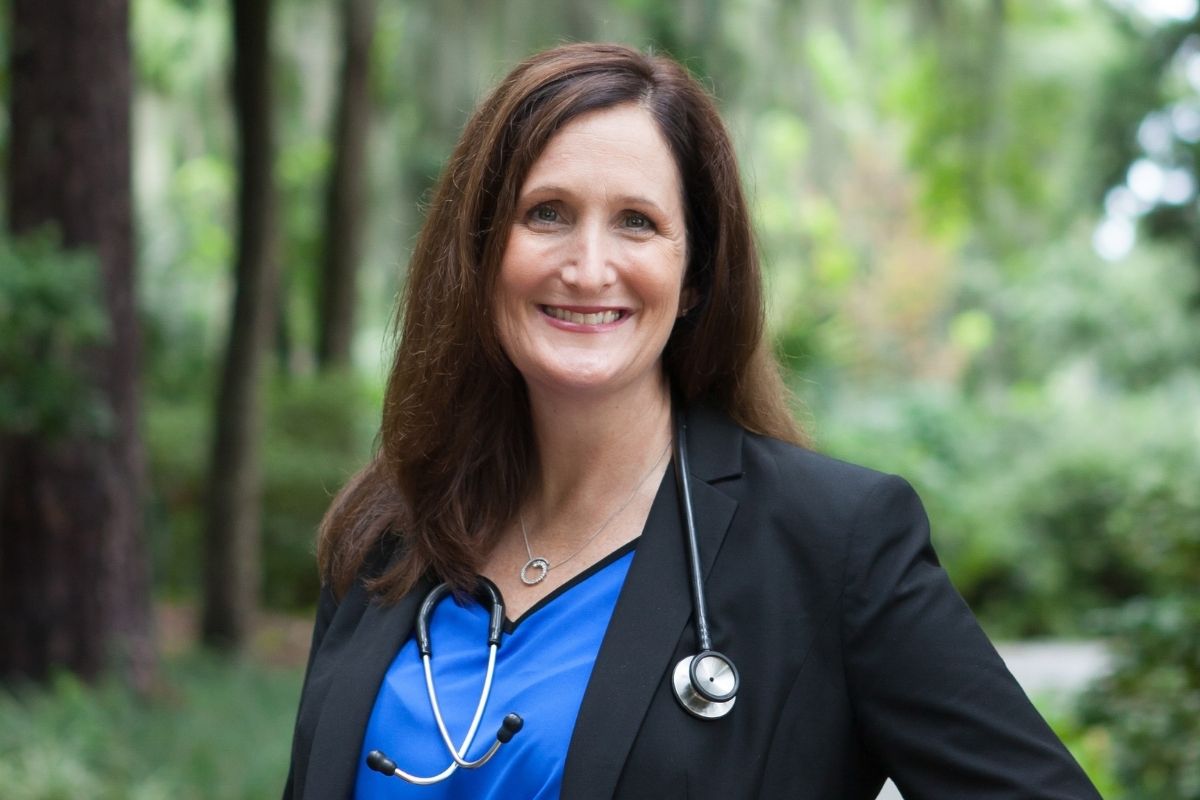
We want every member of the diverse T1D community to be aware of clinical trials, how to participate, and where to find information. The next generation of breakthroughs depends on it!”
A clinical trial is a research study involving human volunteers that tries to answer a specific health question. Clinical trials closely monitor people’s progress as they take part in the study of an investigational drug, device, or method of treatment that has not been approved by the FDA for that specific indication. Carefully conducted clinical trials are the gold standard to find treatments that work. Whether it’s an everyday, over-the-counter treatment, or the latest and greatest medical device, it went through the rigorous testing process of a clinical trial.
There are many clinical trials that a person with long-standing T1D diagnosis can enroll in. Go to the Breakthrough T1D Clinical Trials Connection, and enter where you live, the distance you can travel, and other attributes to be matched with clinical trials that you may be eligible for. You can even get up-to-date information on new trials when you enter your email address. Find your local Breakthrough T1D CTEV to discuss clinical trials in your area or virtual trials
All clinical trials have guidelines, called eligibility criteria, about who can participate. The criteria are based on factors such as age, sex, stage of disease, previous treatment history, and other medical history. These criteria help to reduce the risk to an individual look at more specific groups of patients to ensure that the researchers will be able to answer the questions they plan to study. Not everyone who applies for a clinical trial will be able to participate.
In clinical trials, experimental drugs are often compared with placebos (a treatment with no therapeutic value) to evaluate the treatment’s effectiveness.
Breakthrough T1D has an easy-to-use tool called the Clinical Trials Connection, which asks users simple questions—about where they live, the distance they can travel, and other characteristics—to match them with trials for which they are eligible. Currently, there are more than 300 clinical trials for people living with T1D and T1D-related complications underway.
Currently, there are more than 300 clinical trials for people living with T1D and T1D-related complications under way.
Unfortunately, no. Many clinical trials are delayed or fail because doctors cannot find enough people to take part.
Marjorie
Clinical Trial Participant
Our national team of Clinical Trial Education Volunteers (CTEVs) are highly trained to answer any questions you may have or introduce you to the clinical trial team near you.
Email [email protected]
Jude Restis: [email protected]
Laura Tremblay: [email protected]
Bithika Thompson: [email protected]
Email [email protected]
Northern California:
Kim Fisher: [email protected]
Joe Carlino: [email protected]
Vanessa Larco: [email protected]
Kirin Jamison: [email protected]
John Roane: [email protected]
Greater Los Angeles Chapter:
Jeannette Hacker-Stratton: [email protected]
Greater Orange County Chapter:
[email protected]
San Diego and Hawaii Chapter:
Allison Orechwa: [email protected]
Dawn Rosenblum: [email protected]
David St. John-Larkin: [email protected]
Marjorie Lazarre: [email protected]
Ryan Chompre: [email protected]
Atlanta area:
Kim Kukler: [email protected]
Other areas:
Holly Hailey: [email protected]
Donny Harris: [email protected]
Tampa area:
Craig Bobik: [email protected]
Northern Florida:
Anna Casu: [email protected]
Joselyn Ramirez-Gutierrez: [email protected]
Palm Beach:
Mike Patipa: [email protected]
Allison Orechwa: [email protected]
Dawn Rosenblum: [email protected]
Mark Smith: [email protected]
Stephanie Pfaff: [email protected]
Arlene Stach: [email protected]
Jamie Felton: [email protected]
Karissa Thompson: [email protected]
Kelly Hoenig: [email protected]
Emily Rapp: [email protected]
Jamie Felton: [email protected]
Email [email protected]
Amanda Gilchrist: [email protected]
Kristin Neff: [email protected]
Nancy Adleman: [email protected]
Amanda Gilchrist: [email protected]
Kristin Neff: [email protected]
Colleen Buggs-Saxton: [email protected]
Jen Miner: [email protected]
Meezan Hamzavi: [email protected]
Debbie Evans: [email protected]
Angie Grant: [email protected]
Email [email protected]
Emily Rapp: [email protected]
Julie Geddes: [email protected]
Karissa Thompson: [email protected]
Kelly Hoenig: [email protected]
Laura Brigham: [email protected]
Amanda Gilchrist: [email protected]
Kristin Neff: [email protected]
Sumita Singh: [email protected]
Ryan Chompre: [email protected]
Anne Lacey: [email protected]
New York City:
Andrea Cawein: [email protected]
Alecia Wesner: [email protected]
Upstate NY:
Jacob Resler: [email protected]
Natasha Bolick: [email protected]
Tom Kern: [email protected]
Debbie Evans: [email protected]
Angie Grant: [email protected]
Ashley Hack: [email protected]
Email [email protected]
Jude Restis: [email protected]
Laura Tremblay: [email protected]
Western and Central Pennsylvania:
Gina Leckie (Pittsburgh): [email protected]
Jennifer Lieb (Harrisburg): [email protected]
Philadelphia:
Ryan Chompre: [email protected]
Amanda Gilchrist: [email protected]
Kristin Neff: [email protected]
Debbie Evans: [email protected]
Angie Grant: [email protected]
Memphis:
Alana Altomare: [email protected]
Other areas:
Dongsoo Lee: [email protected]
San Antonio:
Pam Banks: [email protected]
Dallas/North Texas:
Nirada Fritz-Koonrugsa: [email protected]
Other areas:
Bonnie McCann-Crosby: [email protected]
Maiah Brush: [email protected]
Amanda Gilchrist: [email protected]
Kristin Neff: [email protected]
Nancy Adleman: [email protected]
Jude Restis: [email protected]
Laura Tremblay: [email protected]
Nancy Adleman: [email protected]
Email [email protected]
Northeast and Western Wisconsin:
Rachel Fenske: [email protected]
Kari Weier: [email protected]
Southeast:
Afton Baier [email protected]
David St. John-Larkin: [email protected]
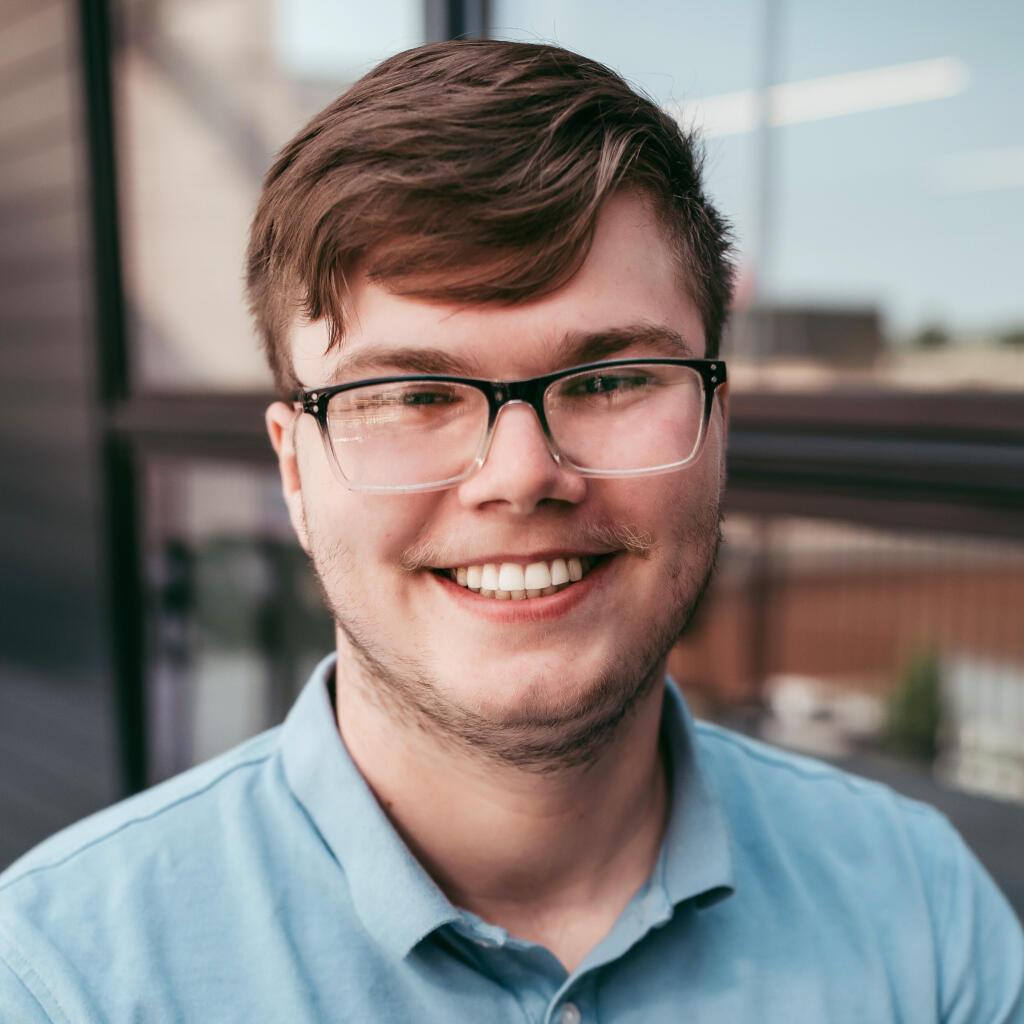
Participating in clinical trials has given me valuable insights into the latest T1D research and provided me with a strong sense of community.”
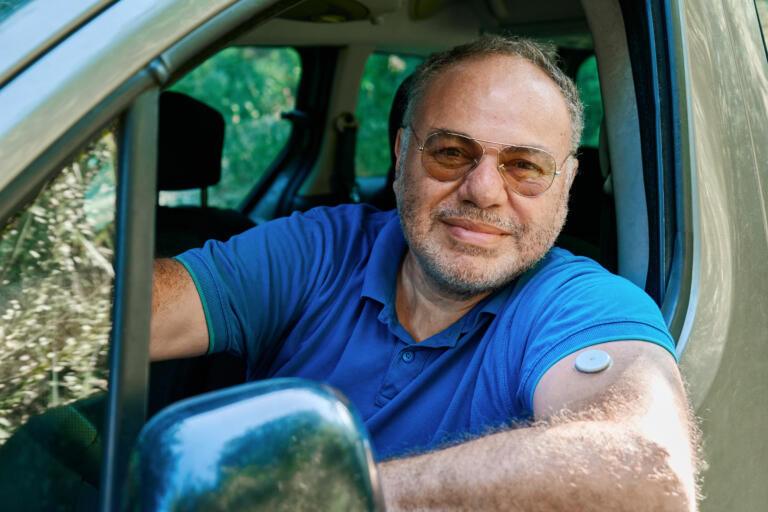

These resources are made possible in part through the support of:



Sign up for our monthly mission progress newsletter, The Pipeline, to stay up to date on everything you need to know about T1D, from research to advocacy, to clinical care – and everything in between.

