
The Breakthrough T1D Center of Excellence in Northern California
About the Center
Type 1 diabetes (T1D) is caused by the destruction of insulin-producing beta cells in the pancreas by the immune system. The breakdown of immune tolerance—the ability to distinguish between “self” and “non-self”—is central to autoimmunity and T1D pathology. Understanding the interactions between immune cells and beta cells may uncover clues about how to restore immune tolerance and stop beta cells from being destroyed.
The Center of Excellence in Northern California is bringing together scientific and clinical teams from Stanford University and the University of California, San Francisco (UCSF) to drive research into therapies that can restore balance to the immune system in T1D. By combining expertise in immunology, transplantation, beta cell biology, vascularization, biomaterial science, and cell engineering, the Center aims to answer unresolved questions that individual projects could not, most importantly focusing on the autoimmune attack on beta cells and figure out new ways to reset and control the immune system.
This knowledge will be used to address one of the biggest challenges in T1D research: developing approaches to allow for successful beta cell replacement without the need for broad immunosuppression. The multidisciplinary teams collaborating across each institution will develop new technologies and therapies to protect transplanted cells from immune rejection so they can survive and make insulin.
This Center is a cures accelerator and a high-impact partnership supported by Breakthrough T1D, maximizing resources, expertise, and data to accomplish our shared goals. By combining scientific expertise from each institution and capitalizing on the diverse and complementary skillsets of the investigators, this Center will drive research into new curative therapies for T1D.

These world-class researchers will:
- Investigate the underlying mechanisms of autoimmunity in T1D
- Validate new and available immunotherapies and cell engineering technologies that can protect transplanted islets from rejection by restoring balance to the immune system
- Improve function and survival of manufactured islets post-transplant by providing an optimal environment that includes biomaterial-based scaffolds and new ways to increase blood flow and supply of nutrients and oxygen to cells
Research team

UCSF
Stanford University
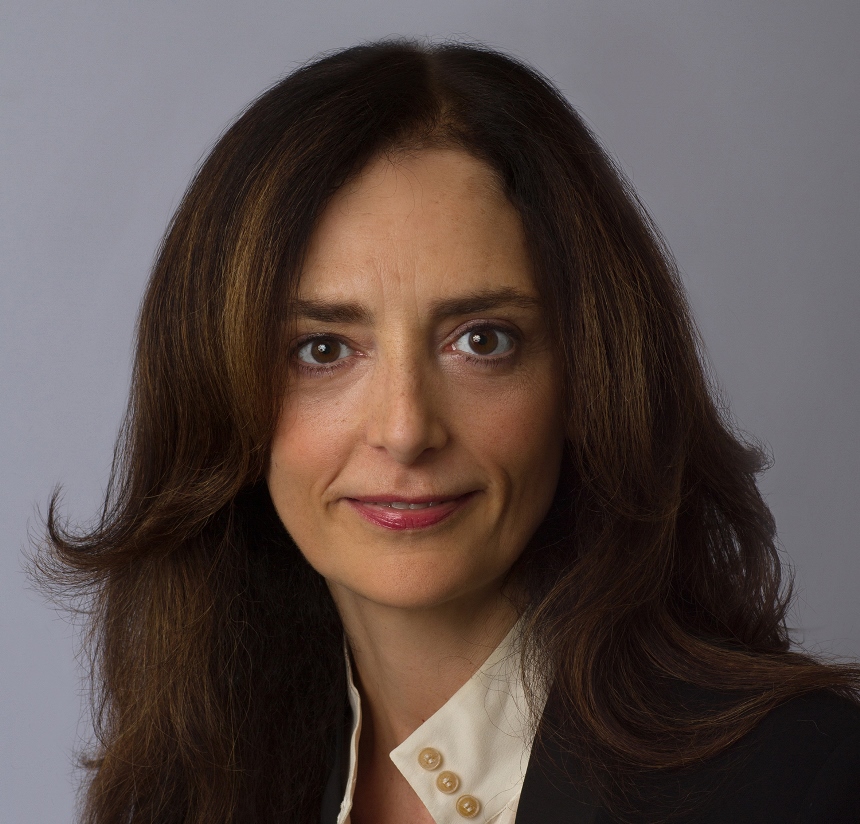
Breakthrough T1D
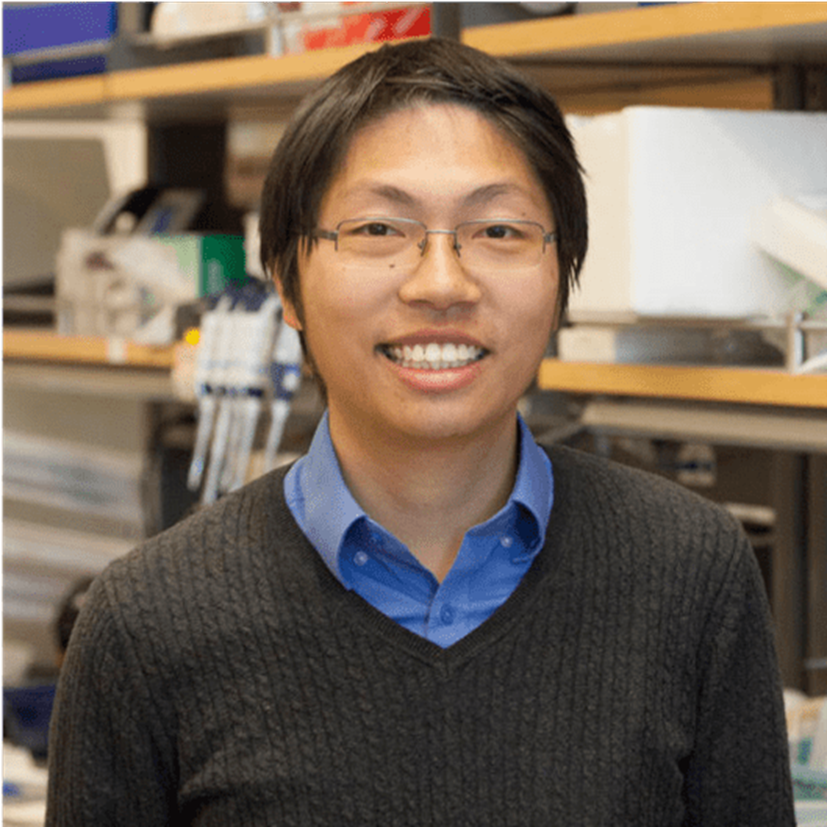
Stanford University
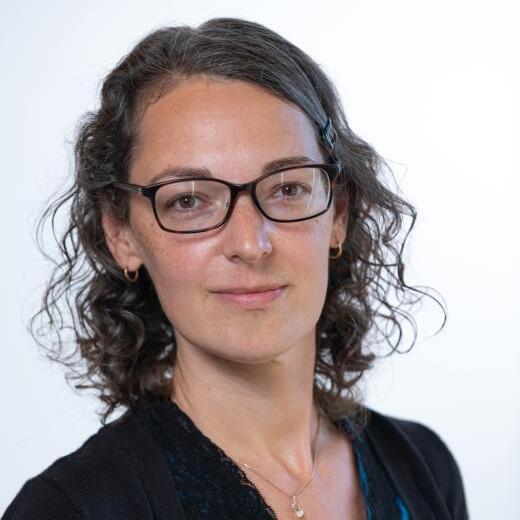
UCSF
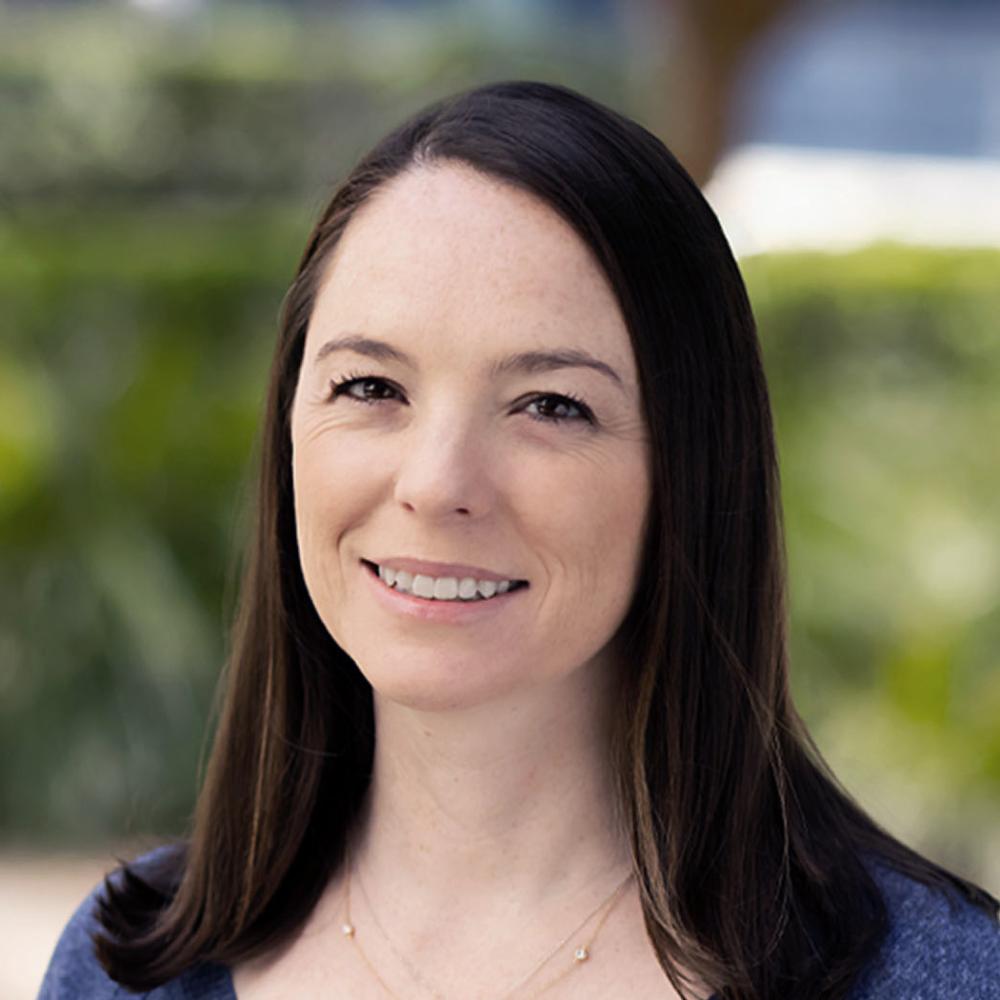
UCSF
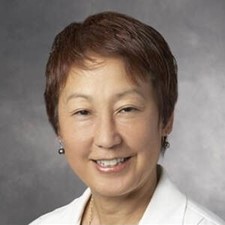
Stanford University
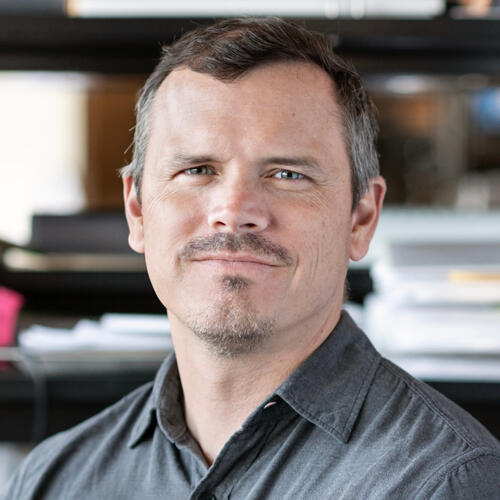
UCSF

UCSF
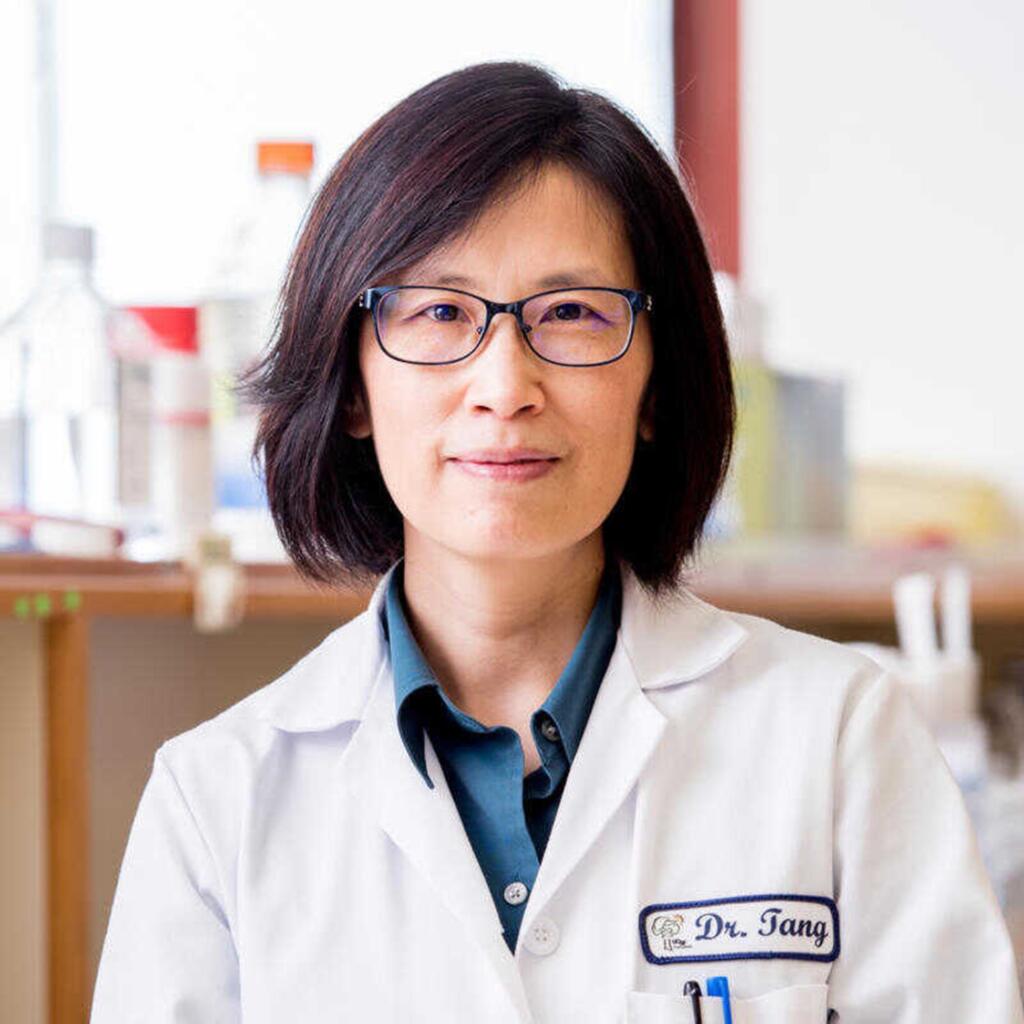
UCSF
Support our work
Contact us to help us advance this critical work in curing T1D and improving lives.
Susan Carter
Senior Vice President, Philanthropic Engagement
[email protected]

