Advocacy
Cell Therapies
Clinical Trials
Events and Conferences
People and Leadership

Placing and protecting healthy beta cells in the body
In people with type 1 diabetes (T1D), the autoimmune system destroys the beta cells in the pancreas, which produce insulin. Our goal is to grow these cells in a laboratory and discover a way to keep them safe inside the body without the need for chronic immunosuppression.
Breakthrough T1D’s Cell Therapies Program focuses on replacing destroyed beta cells with functional cells that can restore insulin therapy independence and improve glucose management, ideally without broad immunosuppression.


world-renowned scientists make up the Breakthrough T1D Beta Cell Replacement Consortium
companies have tested their cell therapies with Breakthrough T1D funding
has been invested in cell therapies by Breakthrough T1D in the past 10 years

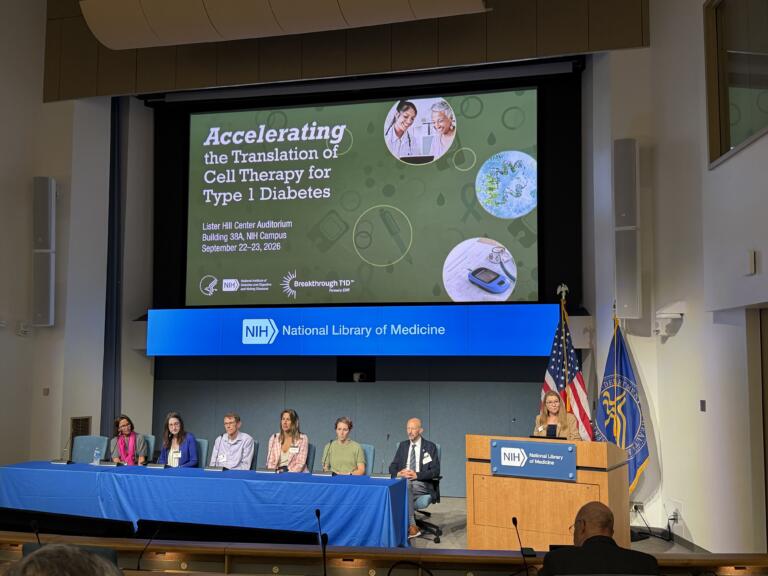
Project ACT (Accelerate Cell Therapies) is a Breakthrough T1D initiative to dramatically speed cell therapy products as T1D cures through coordinated efforts to simultaneously advance research, development, regulatory, access, and adoption.
Cell therapies could cure people with T1D. By safely accelerating their development more people will have access to these treatments more quickly.



Breakthrough T1D is working to develop a global universal T1D early detection strategy to identify high-risk individuals, reduce DKA at diagnosis, and speed up the development of disease-modifying therapies.

Breakthrough T1D is powering the research and development of new therapies that can slow, halt, or reverse the course of T1D.

