

One of our most promising avenues toward cures for type 1 diabetes (T1D) is cell therapies. Cell therapies replace destroyed beta cells with functional, insulin-producing cells to restore insulin therapy independence. Right now, there are nearly a dozen cell therapies in clinical testing—and OPF-310 is one of them.
OPF-310 cells are derived from porcine (pig) islets. This approach is different from other cell therapies in the pipeline, which are either harvested from human deceased donor pancreases or manufactured in the lab.

Xenotransplantation
Xenotransplantation involves transplanting organs, tissues, or cells from a non-human animal into a human. This approach holds promise to address the shortage of organs from deceased donors and is being investigated in clinical trials for kidney transplantation—and now islet transplantation, too. Yet, this isn’t the first time porcine-derived islets have been tested in T1D. In fact, before human insulin was widely available, insulin derived from pigs was commonly used to manage diabetes.
Porcine islets, like other cell therapies that come from a source other than the recipient, have the potential to activate an immune response after transplantation. To overcome this, OPF-310 uses an encapsulation device that protects the islets from destructive immune cells. This means that no immunosuppression is needed.
Cell therapies and immunosuppressants
Right now, the only approved cell therapy for T1D (Lantidra®) and most cell therapies in clinical testing require immunosuppression to prevent the recipient’s immune system from attacking the transplanted islets. This can often be a barrier to trial participation because standard immunosuppressants can come with side effects. Besides OPF-310, another cell therapy in the pipeline that does not require immunosuppression is Sana Biotechnology’s gene-edited islets.
Read on to learn more about the trial, who may be eligible for OPF-310, and the team in the Windy City performing these transplants.
Essential information about the trial
The OPF-310 clinical trial
- Sponsor: Otsuka Pharmaceutical Factory
- Trial site spotlight: University of Illinois Hospital & Health Sciences System
- Co-Investigator spotlight: Benito Valdepeñas III, Pharm.D., Co-Investigator
- Team member spotlight:
- Miranda Kipp, MSN, RN, Clinical Research Nurse
- Memunat Ogunmefun, MPH, BDS, Clinical Research Coordinator
The goal of this first-in-human, phase 1/2a study is to assess the safety, tolerability, and efficacy of OPF-310 transplantation and to define the recommended phase 2 dose. Right now, the trial is only enrolling at a single location: the University of Illinois Hospital & Health Sciences System (UI Health) in Chicago, IL. For eligible participants that live out of state or more than 100 miles from UI Health, reimbursement for travel expenses (such as flights, hotels, and food) is available.
A glance at the inclusion criteria
- 35 to 65 years old
- At least five years have passed since T1D diagnosis
- Unstable T1D despite using a hybrid closed-loop automated insulin delivery (AID) system under the care of a qualified diabetes team for at least 6 months prior to enrollment
- History of severe hypoglycemic episodes and/or hypoglycemia unawareness
People who enroll in the trial will need to meet with the team at UI Health before and after the transplant as a part of their participation in the study.
These visits include:
- Four onsite visits prior to surgery
- Follow-up visits with the endocrine team within the first four weeks post-transplant
- 18 follow-up visits within the first year after the transplant
- Long-term follow-up visits that continue throughout each participant’s lifetime
These visits include bloodwork and other tests that can let researchers know how well the cells are functioning and making insulin and ensure participants’ continued safety. Also, for a year after the transplant, participants are required to use a second continuous glucose monitor (CGM) so researchers can track changes in blood sugar levels.
As with all new therapies and treatments, there are some risks involved. For xenotransplantation in particular, there is the risk of developing zoonotic infections (those that can be transferred from animals to humans), or passing these infections to close contacts. Safety is the top priority for the study team at UI Health. To help mitigate these risks, the porcine islets undergo testing to ensure that they are sterile before transplantation, and participants are routinely tested for possible infections.
The risks associated with surgical transplantation, such as infections at the transplant site, are managed by detailed pre-operative care and assessments, a top-notch and highly experienced surgical team, and close monitoring post-transplant.
“The OPF-310 trial is an important first step toward new treatments for type 1 diabetes. It uses pig islet cells to help people who have trouble controlling blood sugar or experience severe lows,” explains Benito Valdepeñas, a Co-Investigator on the trial. “If you join, you will be closely monitored by a team of specialists who will guide and support you every step of the way.”
Get involved!
Right now, there are three people enrolled in this study—and ten more are needed. The team needs your help! If you or someone you know may be interested in the OPF-310 trial, learn more about the study or email bvalde2@uic.edu to connect with Dr. Valdepeñas and the study team to see if you are eligible to enroll.
Support OPF-310 clinical trial participation
Spread awareness and encourage participation by circulating information about the OPF-310 clinical trial widely in your communities: on social media, within your networks, at community events, and any other platforms where you can reach people who may be interested. Even more, help reach our community members who might be hesitant by addressing clinical trials misconceptions—and reminding people that safety is always the top priority.
Clinical trials are the key to cures
The team at UI Health agrees: the future is looking bright for T1D. “Every one of these innovations began as an idea and relied on volunteers willing to help bring it to life,” says Miranda Kipp, a Clinical Research Nurse. From the perspective of Memunat Ogunmefun, a Clinical Research Coordinator, “…the work we do now could lead to new and improved treatment options for patients in the years to come.” It’s true: the only way to bring therapies like OPF-310 to life is through clinical trial participation, which can transform the lives of the T1D community now and in the future.
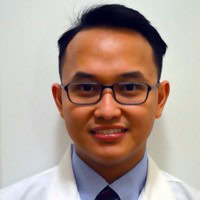
“I’m inspired by the possibility that emerging trials, like OPF-310, could give patients a level of stability and freedom they’ve never had before. Being part of research that could potentially ease their daily burden, prevent complications, and offer a more hopeful future is what drives me. Ultimately, my inspiration comes from the patients themselves.” – Benito Valdepeñas III, Pharm.D., Co-Investigator
“…participation in this trial goes beyond contributing to data, it is about being a part of an effort to explore therapies that could potentially change how we treat type 1 diabetes. Every participant plays a vital role in helping us evaluate both the safety and effectiveness of OPF-310, and their involvement directly shapes the future of care. We recognize that joining a clinical trial is a big commitment, so we prioritize patient safety, transparency, and support at every stage.” – Memunat Ogunmefun, MPH, BDS, Clinical Research Coordinator


“…your safety and support are our top priorities throughout this study. After your transplant, you will receive very close follow-up from the UI Health team to make sure you’re healing well and have everything you need. Once this early period is complete, your care will smoothly transition back to your regular healthcare provider, with our teams staying closely coordinated. Our goal is to make you feel supported at every step while ensuring you continue to receive care from the providers who know you best.” – Miranda Kipp, MSN, RN, Clinical Research Nurse
We’ve come a long way: cell therapies with curative potential, like OPF-310, are in clinical trials. The only way to get these therapies through the testing process and into the hands of people with T1D is through clinical trial participation. We need volunteers from the T1D community to help us get there. Consult our clinical trials web page to learn more about how you can get involved. Use our Clinical Trials Matching Tool to find a trial near you that you or a loved one may be eligible for. Connect with a Clinical Trial Education Volunteer in your area to have all your questions answered. We need your help!
Breakthrough T1D extends a heartfelt thank-you to Dr. Valdepeñas, Ogunmefun, and Kipp for taking the time to speak with us about the OPF-310 trial and what inspires them to do T1D clinical research. Breakthrough T1D also thanks Otsuka Pharmaceutical Factory for making this connection and driving research into cures for T1D.
