Access and Affordability
Clinical Trials
Complications

Breakthrough T1D is working to develop therapies that prevent, delay, or reverse the progressive decline of vision, kidney function, and cardiovascular health.
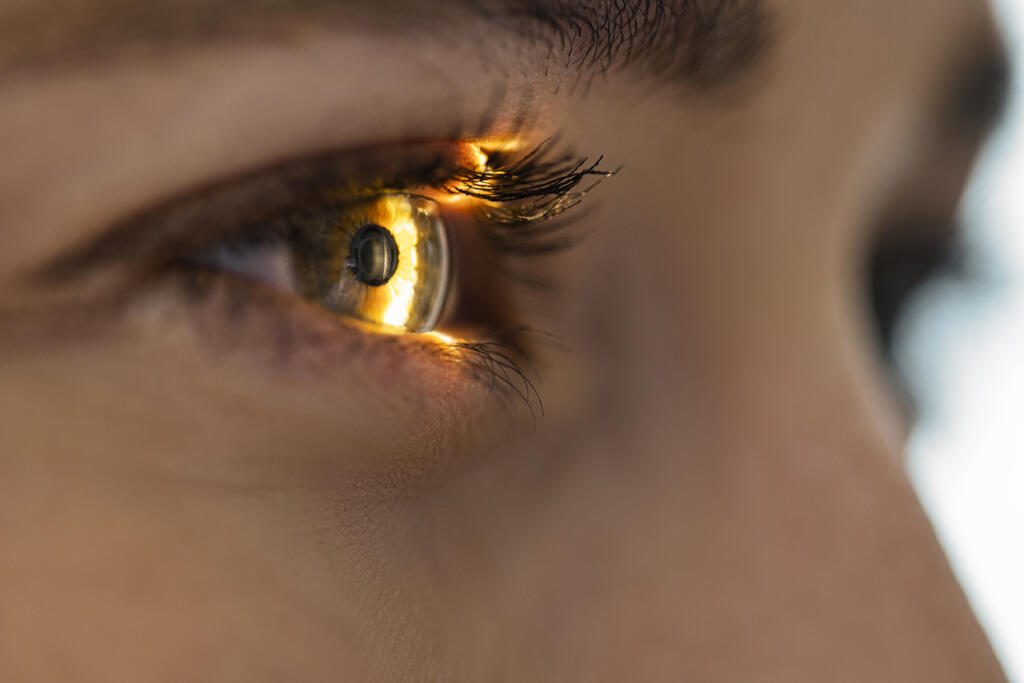
For people living with T1D, eye disease is a troubling reality. Over 40% of people with T1D develop diabetic eye disease, sometimes resulting in blindness.
There are now many effective therapies for diabetic eye disease, many of which were made possible by Breakthrough T1D-funded research.

Chronic kidney disease (CKD) is one of the most common complications of type 1 diabetes. Nearly a third of people living with T1D will develop CKD, increasing the risk of both kidney failure and cardiovascular disease.
Right now, the treatment options for people with T1D and CKD are limited—Breakthrough T1D is working to address this major need.
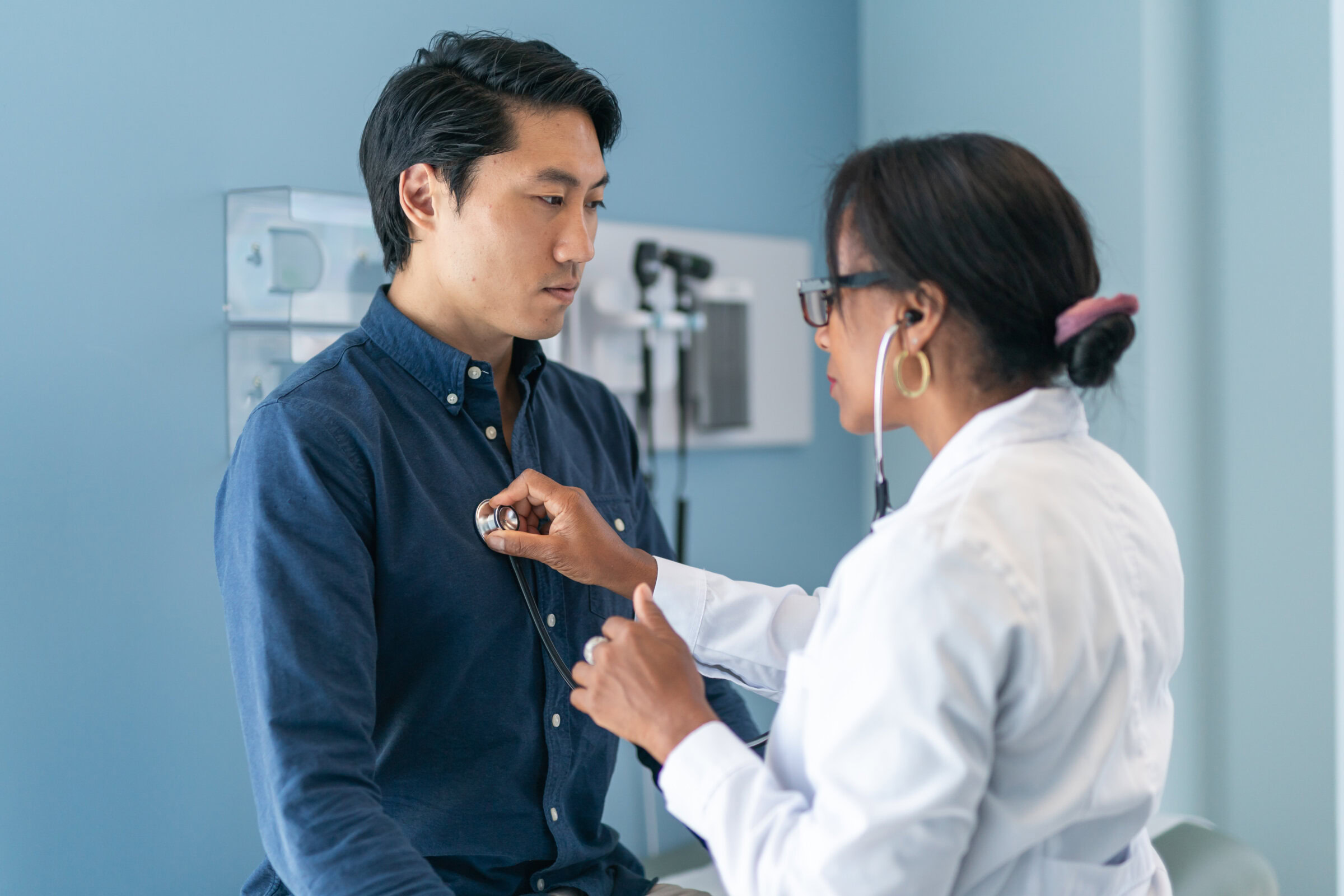
Cardiovascular disease is the leading cause of mortality in adults with T1D. More targeted, innovative therapies and treatment strategies are needed to further reduce the risk of—or ideally prevent altogether—cardiovascular complications in the T1D population.
Breakthrough T1D is actively supporting clinical trials for therapies that can reduce or prevent CVD in people with T1D, and we are working on identifying new projects and researchers to fund to further accelerate these efforts.
Breakthrough T1D is supporting additional research to find new ways to prevent the development of diabetic eye disease, stop its progression to preserve visual function, and restore lost vision through the Mary Tyler Moore Vision Initiative, a special initiative of the Mary Tyler Moore and S. Robert Levine, M.D., Charitable Foundation and Breakthrough T1D, to honor Mary’s contributions to diabetes awareness and research.
Breakthrough T1D is working to establish mental health interventions that offer sustained health benefits, are scalable, and are supported by strong clinical data for broader implementation in clinical care.
Taking care of your mental health with type 1 diabetes is just as important as managing blood-glucose levels and taking insulin. Breakthrough T1D offers guidance on managing the stress of T1D, including anxiety, depression, distress, and burnout.
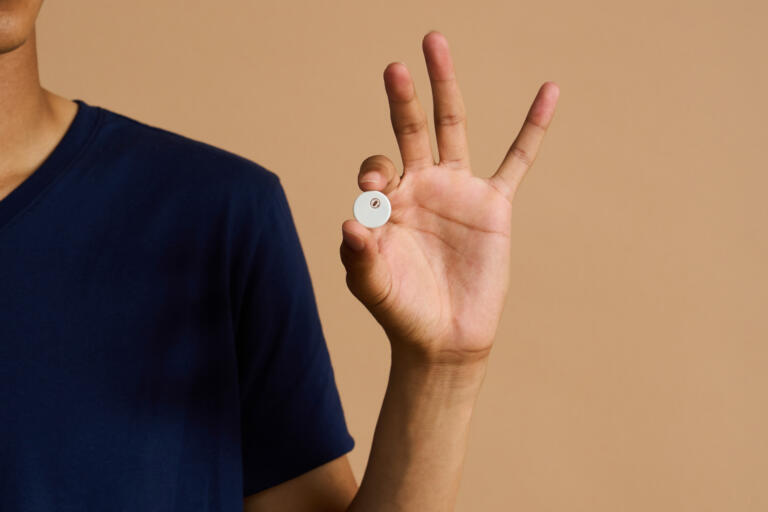

We are working to make T1D easier to manage with improved technologies, improved insulins, and other drugs—all with reduced disease distress.
Disease-modifying therapies change the course of T1D for everyone affected by it—and those yet to be—by slowing or halting the progression of the disease, preventing it from ever occurring, and reversing it entirely.
Our goal is to grow insulin-producing beta cells in a laboratory and discover a way to keep them safe inside the body without the need for chronic immunosuppression.
Clinical trials advance treatments and care so people with type 1 diabetes can live fuller, healthier lives. Participating in a clinical trial is a great way to contribute to a future without T1D!

