
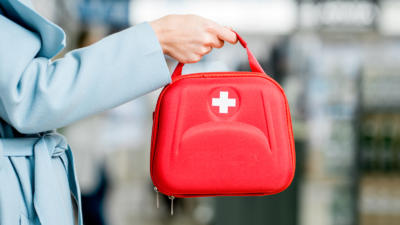
It’s critical that in an emergency situation, people with T1D are prepared! Depending on where you live, common summer emergencies may include heat waves, hurricanes, wildfires, and power outages—sometimes all at once.
Keeping Insulin Cool
During a summer emergency, it’s important to keep your insulin cool as, like any other protein, it risks being damaged when over 86°F. Make sure you have a few reusable cold packs on hand in the freezer and a cooler, so you can keep your insulin cold.
- Warning: Do not use dry ice or freeze your insulin, as this can destroy it.
If you are without power for an extended period of time, it’s OK to use insulin that is expired or non-refrigerated rather than going without!
Staying Hydrated and Cool
Dehydration is common in the summer and can lead to spikes when blood glucose becomes more concentrated due to decreased blood flow through the kidneys. The heat can also cause dips in blood-glucose levels. As the temperature rises, the body’s blood vessels expand, speeding up insulin absorption and increasing the risk of hypoglycemia (low blood sugar).
Extreme heat causes extra stress on your body—so in summer emergency situations, it’s important to stay hydrated and use sunscreen, just as you would during a day at the beach.
If you’re navigating staying cool without power (or with power, but without air conditioning), seek shade and places that are naturally cooler, such as basements. Your local government may also open cooling centers—consider heading to one of those, as well.
Pack a Go-Bag
Breakthrough T1D and other leading diabetes organizations have joined forces through the Diabetes Disaster Response Coalition (DDRC) to ensure that people with T1D have the support, insulin, and supplies they need in advance of a major extreme weather event.
The DDRC urges all people with T1D and their loved ones in vulnerable locations to prepare by putting together a diabetes kit and plan to stay safe:
- Your kit should be kept in an easy to carry, waterproof container, and stored somewhere that you can grab in a hurry in case you need to evacuate.
- It should contain the documents, information, and supplies that you will want to have with you in case of emergency—think one week’s supply of insulin and the related supplies and snacks you use to check and treat your blood sugar‚ reusable cold packs and a cooler to keep your insulin cool, and your current insurance information, T1D care plan, and other important documents such as a photo ID.
- During an emergency, it’s important to stay up-to-date on the latest information from local authorities. Your kit should also include a power bank and charger for your cell phone and a small emergency radio.
