
Incidence and Prevalence
Type 1 diabetes by the numbers
Type 1 diabetes (T1D) is one of the fastest-growing, noncommunicable, chronic health conditions on the planet.
How Common is Type 1 Diabetes?
Demographic Research Findings about T1D in the U.S.
The prevalence of type 1 diabetes is increasing across all populations, most significantly among Hispanic youth.
Recent T1D Breakthroughs
2022

First Disease-Modifying Therapy for T1D Approved by the FDA
Backed by Breakthrough T1D, Tzield (teplizumab-mzwv), the first therapy to delay the requirement of insulin therapy for T1D, is approved by the FDA.
Read More About This Groundbreaking Therapy2024

Project ACT Launches
Project ACT (Accelerate Cell Therapies) is launched to speed up cell therapy research projects, advocacy work, and clinical adoption.
Learn More About Project ACT2025

Debut of Barbie with Type 1 Diabetes
Breakthrough T1D, in partnership with Mattel, debuted the first Barbie with type 1 diabetes, raising awareness for the T1D community.
Learn More About Barbie With Type 1 Diabetes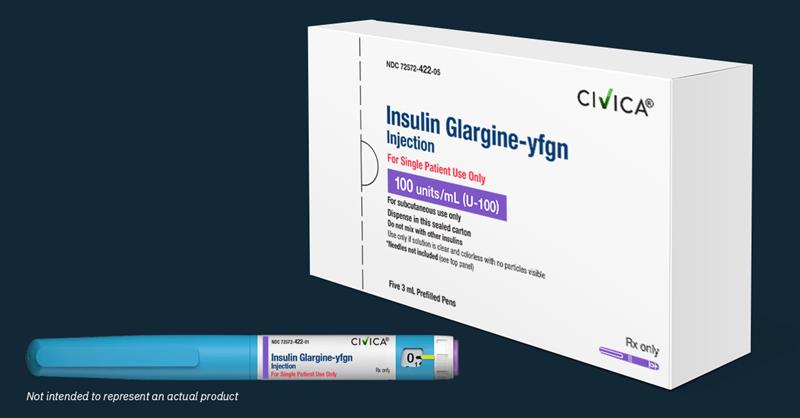
Civica Long-Acting Insulin Available in 2026
Civica Rx, a Breakthrough T1D-funded non-profit insulin manufacturer, announced affordable insulin at no more than $55 for five pens of long-acting insulin.
Read More About Civica2026
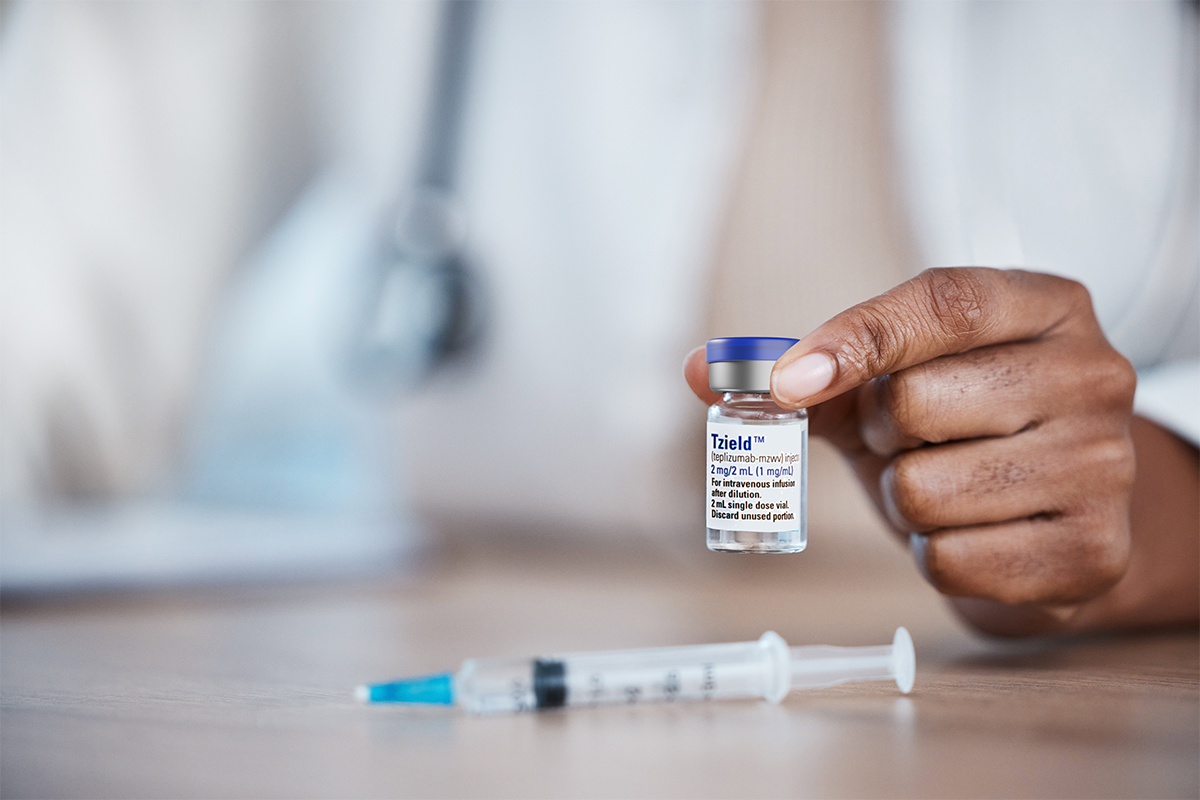
Tzield Receives FDA Approval for Label Expansions
Backed by Breakthrough T1D, Tzield, the first treatment shown to delay the need for insulin therapy for T1D, received FDA approval for label expansions in 2026, extending its use to younger children with Stage 2 T1D and introducing a new indication for children recently diagnosed with Stage 3 T1D.

Promising Cell Therapy Clinical Trial Results
Vertex and Eledon Pharmaceuticals report promising cell therapy results that could move T1D closer to a functional cure. Vertex’s cell therapy was made possible by earlier support from Breakthrough T1D and the T1D Fund, and we’re directly supporting Eledon’s research today.
Read More About Eledon's Clinical TrialSince our founding in 1970, Breakthrough T1D has played a critical role in every major type 1 diabetes milestone.
Insurance Coverage for People with T1D in the U.S.
- Commercial Health Plans
- Medicare
- Medicaid
- Other & Uninsured
T1D Technology Use in the U.S.*
Treatments and technology for type 1 diabetes—including continuous glucose monitors (CGMs) and insulin pumps—have improved quality of life, but access to coverage and adoption is limited.
*Between 2021-2023
Continuous glucose monitors (CGM)
Insulin pumps
T1D Technology Access
If everyone around the globe had access to technology that automates glucose monitoring and insulin delivery, 741,000 more people could be alive in 2040.
If everyone in the United States had access to devices, we would restore another 5.8 healthy years to the average person with T1D.
Insulin pump usage has become more prevalent in the U.S., but research shows pumps are less common among people of color with T1D and among people with government insurance coverage in the U.S.
Our Mission to Drive Toward Cures while Improving Lives
In 2026, Breakthrough T1D convened an internationally supported paper that outlines the first framework for implementing general population screening for T1D in clinical practice. T1D screening programs, combined with long-term monitoring, can reduce life-threatening diabetic ketoacidosis (DKA) at diagnosis from 15-80% worldwide to less than 5%.

