
Complications Guide
Understanding and Preventing Type 1 Diabetes Complications
Having type 1 diabetes (T1D) can increase your risk for additional health problems, particularly if blood glucose levels aren’t well-managed. The longer you have T1D, the higher your risk becomes for developing type 1 diabetes complications.
Fortunately, tools like continuous glucose monitors (CGMs) and automated insulin delivery (AID) systems are helping to reduce the risk of complications caused by prolonged high blood sugar. Annual checkups are also key to catching complications early and preventing them.
Here, we look at the most common type 1 diabetes complications and ways they can be prevented or reduced, as well as how Breakthrough T1D is working to improve health outcomes on all fronts.

Common Complications of Type 1 Diabetes

Cardiovascular disease (CVD) is a long-term complication of type 1 diabetes. CVD includes coronary heart disease, cerebrovascular disease, and peripheral artery disease.

For people living with T1D, eye disease is a troubling reality, but early detection and timely treatment can reduce the risk of blindness by over 95 percent.

Nearly one out of three people with T1D develop kidney disease. Fortunately, most people with type 1 diabetes and kidney disease don’t end up with kidney failure.
Diabetic Ketoacidosis
Diabetic ketoacidosis, or DKA, is a medical emergency and must be treated immediately.
DKA happens when your cells can’t get fuel from the sugar in your blood and break down fat instead. This creates ketones, which are acids produced in your liver and released into your blood when your body breaks down fat for energy. When ketones build up, it leads to too much acid in the blood (acidosis).
The risk for ketones and DKA is higher during illness and when insulin doses are missed, or infusion sites are occluded. Insulin is essential to help the body clear ketones.

Mental Health Support
Anxiety, depression, and burnout are very real parts of living with T1D. Taking care of your mental health with type 1 diabetes is just as important as managing your blood-glucose levels and taking your insulin.
Our Mental Health Guide offers support for managing the stress and emotions of T1D.
Pregnancy Support
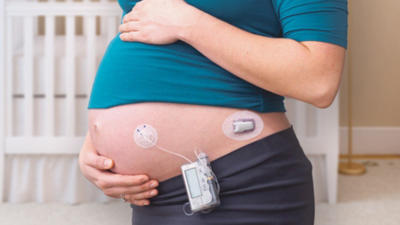
Pregnancy with type 1 diabetes comes with unique challenges, but you are not alone in this journey. We’re here to make every day with T1D better, and that includes your pregnancy experience.
Improving Quality of Life
Breakthrough T1D is tackling the complications of T1D, including eye, kidney, and heart disease—where we have the opportunity to make short- and long-term impacts on people’s lives—strategically investing in developing treatments that can improve outcomes of T1D.

