
Cardiovascular Disease
Cardiovascular disease is a long-term complication of type 1 diabetes.
People living with type 1 diabetes (T1D) have a high risk of developing cardiovascular disease (CVD) despite advances in T1D care. Maintaining a healthy lifestyle is the best way to reduce your risk of developing heart disease.
How T1D Affects Heart Health
Cardiovascular disease includes coronary heart disease, cerebrovascular disease, peripheral artery disease, and heart failure. Heart disease is more common—and tends to occur at an earlier age—in people living with type 1 diabetes.
Long-term hyperglycemia (high blood sugar) can cause damage to the lining of the blood vessels and lead to a buildup of plaque in the arteries. As an autoimmune disease, T1D can also cause chronic inflammation, which can increase the formation of arterial plaque.
People with T1D who develop diabetic kidney disease are at a very high risk of CVD because of the impact it has on blood pressure and cholesterol levels.

How to Reduce Risk of Heart Disease
Despite the availability of some treatments that can reduce the risk of heart complications, there are no available cardioprotective therapies in the U.S. that can prevent CVD in people with T1D. Maintaining a healthy lifestyle is the best way to reduce your risk of developing heart disease.

Keep your blood sugar in range

Engage in regular physical activity

Eat a healthy and well-balanced diet

Maintain a healthy weight
Manage blood pressure and cholesterol
Manage stress and get support when needed
Tobacco-free lifestyle

Get enough sleep
How to Treat Heart Disease
There are a few options available to lower the risk of cardiovascular disease. In the U.S., people with T1D have access to blood pressure medications and cholesterol-lowering medications (for example, statins) that can reduce the risk of developing CVD. In those unable to reach healthy lipid levels with lifestyle changes and statin use, injectable medications (PCSK9 inhibitors) may be considered. Aspirin may also be used to decrease the risk of CVD, and can also prevent worsening of existing heart disease.
Other therapies, like the SLGT2 inhibitors empagliflozin or dapagliflozin, are the standard of care in the U.S. to treat heart failure in people regardless of diabetes status. This class of drugs has revolutionized treatment and significantly reduced the rates of heart failure in these populations, and some of these medications are approved for and available to people with T1D.
Clinical trials are underway to identify other treatments that can reduce the risk of cardiovascular complications in T1D, many of which are funded by Breakthrough T1D.
Heart Disease and T1D By the Numbers
1 out of 5
Adults with T1D living with heart disease in the U.S.
~50%
Adults with T1D ages 65 and older living with heart disease in the U.S.
10x
Likelihood of developing heart disease if living with T1D
Cardiovascular Disease FAQ
Long-term hyperglycemia (high blood sugar) can cause damage to the lining of the blood vessels and lead to a buildup of plaque in the arteries. As an autoimmune disease, T1D can also cause chronic inflammation, which can increase the formation of arterial plaque. People with T1D who develop diabetic kidney disease are at a very high risk of CVD because of the impact it has on blood pressure and cholesterol levels.
Maintaining a healthy lifestyle is the best way to reduce your risk of developing heart disease. Keep your blood sugar in range, eat a healthy and well-balanced diet, maintain a healthy weight, don’t smoke, get regular exercise, and work with your healthcare provider to manage blood pressure and cholesterol.
The SGLT2 inhibitors empagliflozin and dapagliflozin are approved to treat heart failure, regardless of diabetes status. For people with T1D, these medications come with an increased risk of diabetic ketoacidosis (DKA). Consult with your healthcare provider to see if these medications may be a fit for you.
Type 1 diabetes technology, including continuous glucose monitors and automated insulin delivery systems, can help you keep your blood sugar in range, reducing the risks associated with long-term high blood sugar like CVD.
More Guidance on T1D Complications
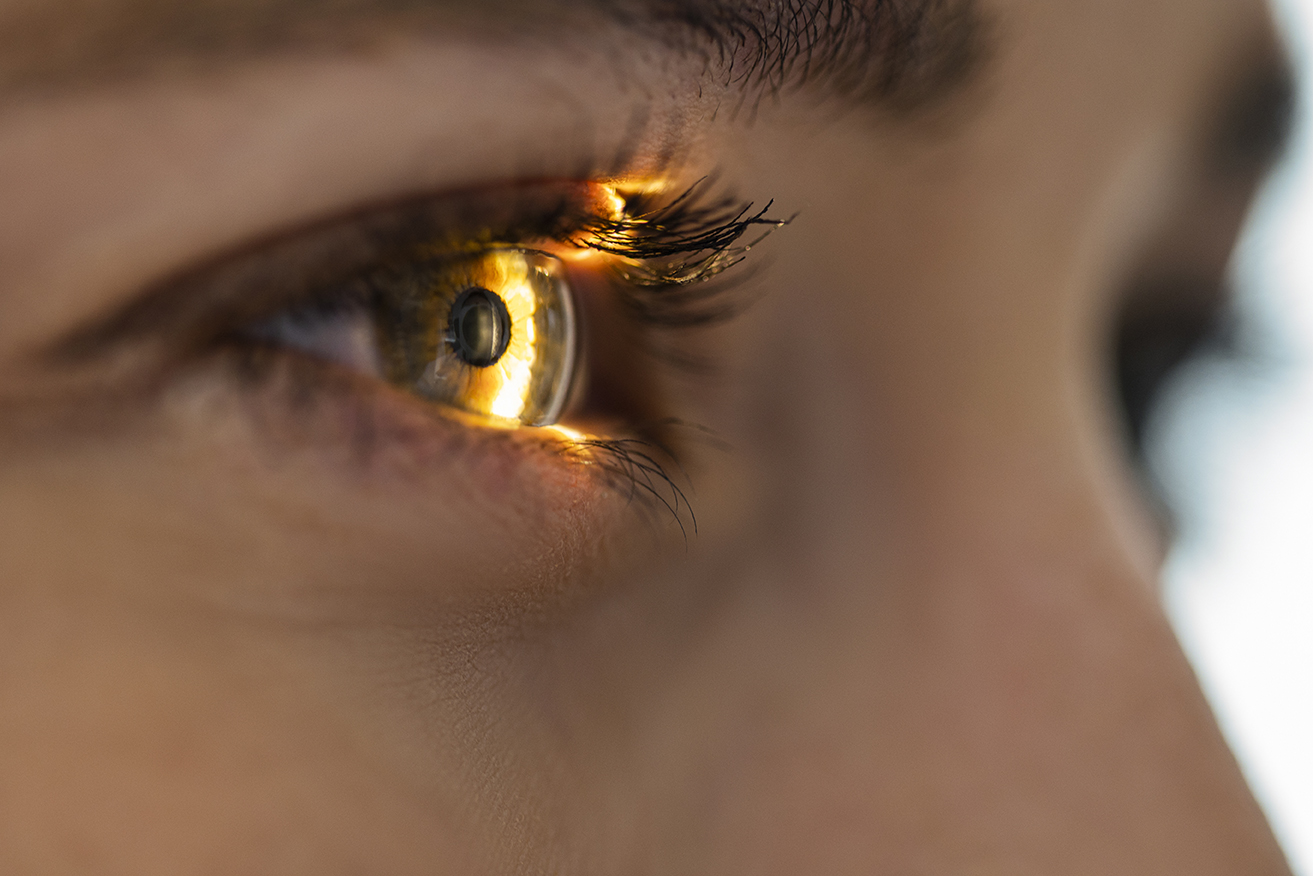
For people living with T1D, eye disease is a troubling reality, but early detection and timely treatment can reduce the risk of blindness by over 95 percent.

Nearly one out of three people with T1D develop kidney disease. Fortunately, most people with T1D and kidney disease don’t end up with kidney failure.
Advancing Research in Cardiovascular Disease
Addressing the challenge of cardiovascular complications is a cornerstone of our Improving Lives strategy. Breakthrough T1D is actively supporting clinical trials for therapies that can reduce or prevent CVD in people with T1D, and we are working on identifying new projects and researchers to fund to further accelerate these efforts.

