
Islet cell therapies for type 1 diabetes (T1D) replace destroyed insulin-producing beta cells with functional cells that allow the body to make insulin again. To ensure there are enough islet cells for everyone with T1D who wants them, Breakthrough T1D is prioritizing manufactured cell therapies, which can be made in large quantities in a laboratory, adhering to high levels of quality control.
These therapies are quickly advancing through the drug development pipeline. How are we making sure the clinical community is prepared for their arrival?
The answer: Centers of Reference.
Centers of Reference
Centers of Reference are expert multidisciplinary T1D care centers that are preparing healthcare professionals (HCPs) around the world to administer manufactured islet cell therapies to people with T1D. The goal is to make sure that expert clinical teams—who are already doing islet cell transplants at low scale—are ready to integrate these therapies into clinical practice at their institutions and train others, once they have regulatory approval.
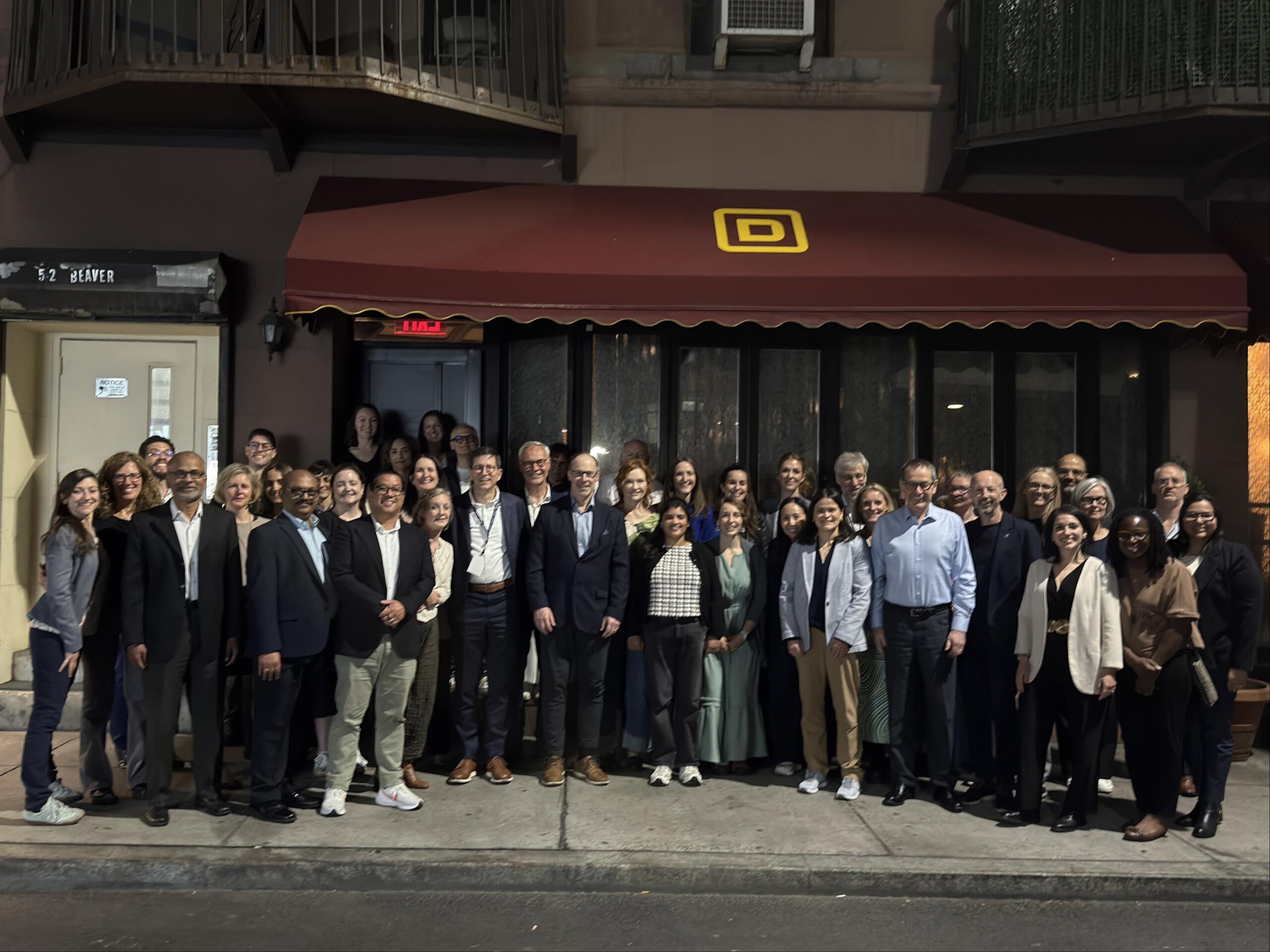
The second annual Centers of Reference meeting was held at Breakthrough T1D HQ in early May by our Medical Affairs team. Read on to learn more about the attendees, what the meeting covered, and what we can expect next year.
Key Takeaways: Breakthrough T1D’s Second Annual Centers of Reference Meeting
- Seven international Centers are established, and four interprofessional working groups meet every month to keep progress moving.
- Attendees, which include the leading physicians and islet transplant support teams from the U.S., Canada, UK and Italy, continued the conversation around what kinds of education, training, resources, clinical care, and benchmarking are needed for Centers to be effective.
- A manuscript is underway to lay out a clinical implementation roadmap for Centers.
Assembling the team at Breakthrough T1D HQ
This meeting was hosted by Thomas Danne, M.D., Ph.D., Chief Medical Officer International, Brynn Marks, M.D., Senior Director of Medical Affairs, Alessandro Bisio, M.D., International Director of Medical Affairs, and Amara Ogbonnaya-Whittlesey, M.D., U.S. Director of Medical Affairs, who brought together the best and brightest minds who can make Centers of Reference a reality.
Physicians, transplant surgeons, nurses, scientists, and other HCPs from various global medical institutions were in attendance, coming from:
- University of Minnesota Medical Center
- University of Wisconsin Health Transplant Center
- The Penn Rodebaugh Diabetes Center
- University of Chicago Medicine
- IRCCS Ospedale San Raffaele (Italy)
- Institute of Transplantation, Newcastle upon Tyne (UK)
- Edmonton, University of Alberta (Canada)
Additional attendees from Breakthrough T1D included CEO Aaron Kowalski, Ph.D., Senior Vice President of Research Esther Latres, Ph.D., multiple members of our Medical Affairs and Advocacy teams, and two members of our Participant Advisory Council who are living with T1D.
What has changed since last year’s meeting?
- There are now seven global Centers of Reference: Edmonton, Canada; Newcastle, UK; Milan, Italy; Wisconsin, Chicago (IL), Minnesota, and Pennsylvania in the U.S.
- Steady progress has been made toward a clinical roadmap for the Centers of Reference model.
- Four interprofessional working groups were established, co-led by Melena Bellin, M.D. (Minnesota) and Jim Shaw, M.D., Ph.D. (Newcastle, UK), that meet virtually every month and in-person annually at Breakthrough T1D HQ.
- The four working groups are HCP Training and Education, Clinical Access to Cell Therapy, Harmonizing Clinical Care, and Benchmarking and Registries.
Convening experts with the power to make real change
The objective of this meeting was to build on the progress that the working groups have made over the past year. Each group focuses on a key aspect of the development of Centers of Reference, taking a divide-and-conquer approach to capitalize on experts’ strengths and workshop ideas with the larger team.
We have learned recently that when a first-of-its-kind therapy comes to market, it isn’t magically going to be adopted by physicians and administered to people. There is a significant amount of prep work that has to happen to ensure that every connection is made so that these therapies, and ultimately people with T1D, succeed.
This meeting is that work, led by the leaders in the field.
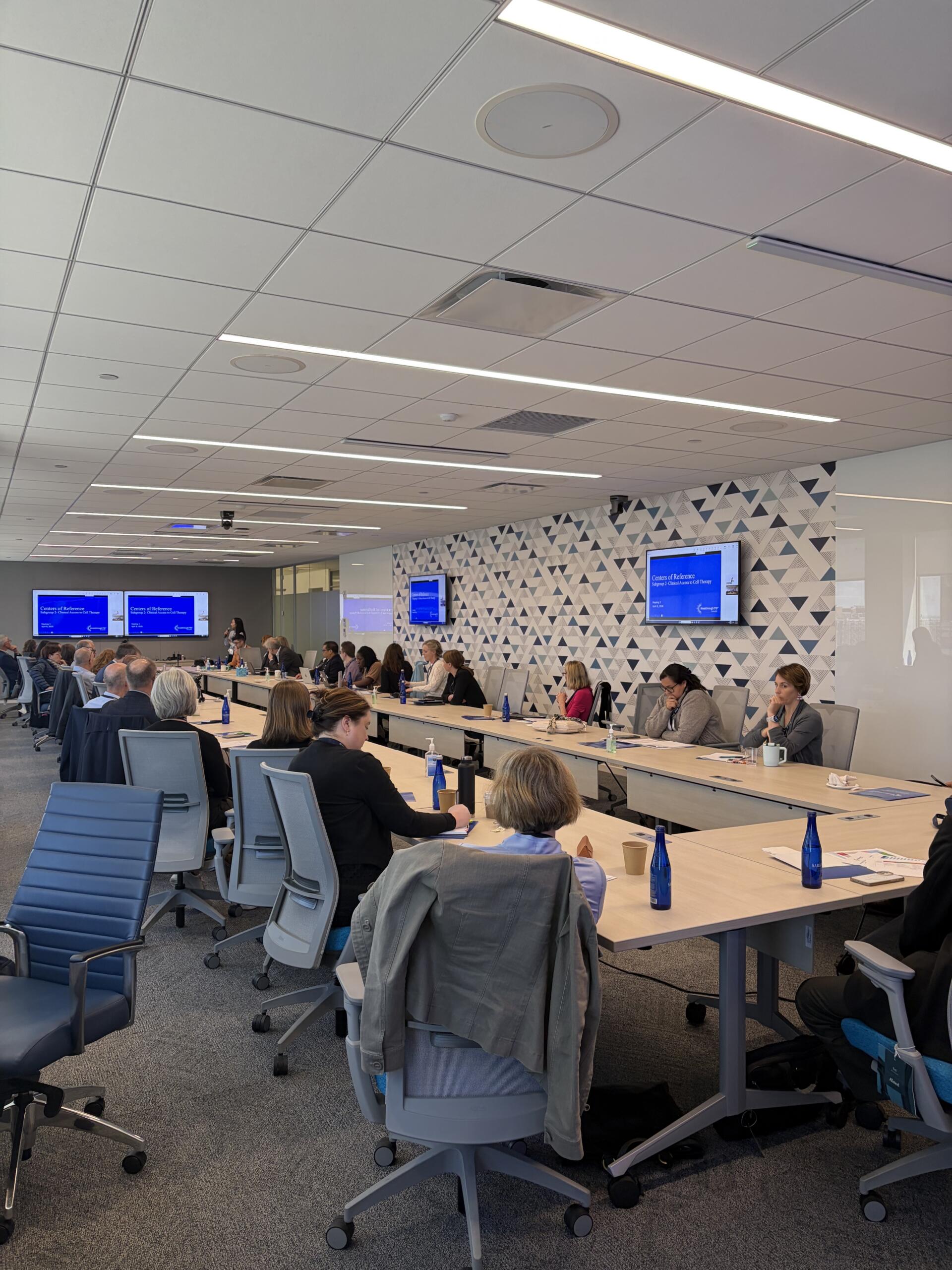
Working group #1: HCP Training and Education
The group identified which topics around islet cell therapies should be included in educational programs for aspiring T1D medical professionals, including eligibility for islet cell therapies, the transplant procedure itself, post-transplant care, and long-term monitoring. Importantly, the ultimate career path of the trainee should play a factor in which topics require further education versus a brief overview. For example, a psychologist working with the T1D community may not have the same educational needs as a transplant surgeon, but both should understand T1D cell therapy basics.
Working group #2: Clinical Access to Cell Therapies
This group focused on how to best educate HCPs and people with T1D about emerging islet cell therapies. The team found that most people who receive cell therapies self-refer, but misconceptions are a major barrier to pursuing them. Priority areas for increasing awareness in the T1D community are communicating through social media, creating an easy-to-use landing page or website with information and opportunities to connect with medical teams, and connecting people with peers who have received islet cell transplants. In terms of HCPs, the group is focused on creating referral pathways, using artificial intelligence to help establish clinical workflows for islet cell transplants, and utilizing professional organizations to connect with and educate the T1D medical community.
Working group #3: Harmonizing Clinical Care
This group has one of the most challenging tasks: creating a roadmap for the clinical implementation of islet cell therapies. This includes determining eligibility based on defined clinical measures, reaching consensus on the best way to approach care before, during, and immediately after islet cell therapy, and consistent long-term monitoring. To add to the challenge, this roadmap must be applied across diverse clinical settings in different countries. The experts in the room—some of the most prominent T1D physicians and transplant surgeons in the world—made significant progress in defining clinical measures and tools that should be used in islet cell transplants.
Working group #4: Benchmarking and Center Readiness
Centers of Reference will be held to the highest standards to ensure they are providing top-quality clinical care to people receiving islet cell transplants. To make this possible, this group created a framework for assessing Center readiness, collaborating with registries for data-sharing, and benchmarking to evaluate Center effectiveness. This includes development of specific criteria laying out what each Center needs, such as a complete islet cell therapy care team, established processes for quality and safety, research teams, and more.
One theme was clear throughout nearly all of the working groups: incorporating the perspectives of people with T1D is absolutely critical. The groups agreed that clinical decision-making around islet cell therapies is about more than just someone’s blood sugar—the way a person feels, their level of diabetes distress, and their individual circumstances are key factors to integrate into shared decisions between people and their care teams.
Over the next 12 months, each team will follow up on the challenges, solutions, and immediate next steps identified during the meeting to keep progress moving. Thanks to everyone’s hard work over a productive and exciting two days, we are accelerating faster than ever toward the development of expert Centers of Reference.
What the experts are saying
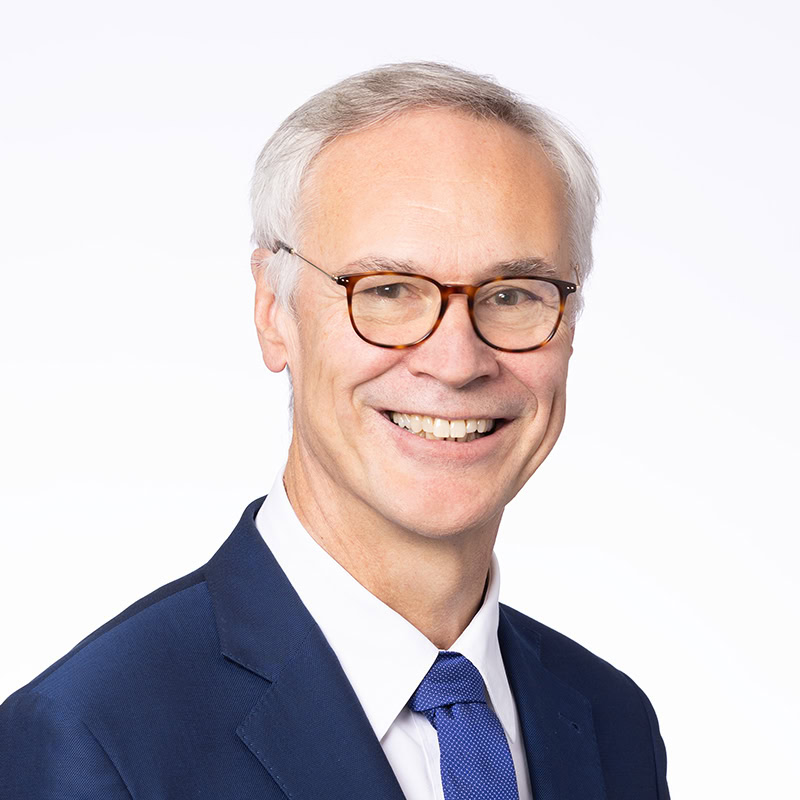
“Cell therapies are getting closer and closer to reality, and our partners in the clinic must be ready to implement them. This is a good problem to have! We know that new therapies will take far too long to reach the people that need them if we don’t have an established clinical infrastructure. We have the best people in the world in the room, working through the problem with us, to ensure that when these therapies do become an approved therapy option, the T1D community can benefit as soon as possible.”
-Thomas Danne, M.D., Ph.D., Chief Medical Officer International at Breakthrough T1D
“Our hope is that Centers of Reference enable preparedness and expedite the delivery of new cell therapies—as they are approved—to become immediately accessible to people with T1D most in need of a novel intervention for the treatment of their diabetes.”
-Michael Rickels, M.D., M.S., Medical Director, Pancreatic Islet Cell Transplant Program, Hospital of the University of Pennsylvania
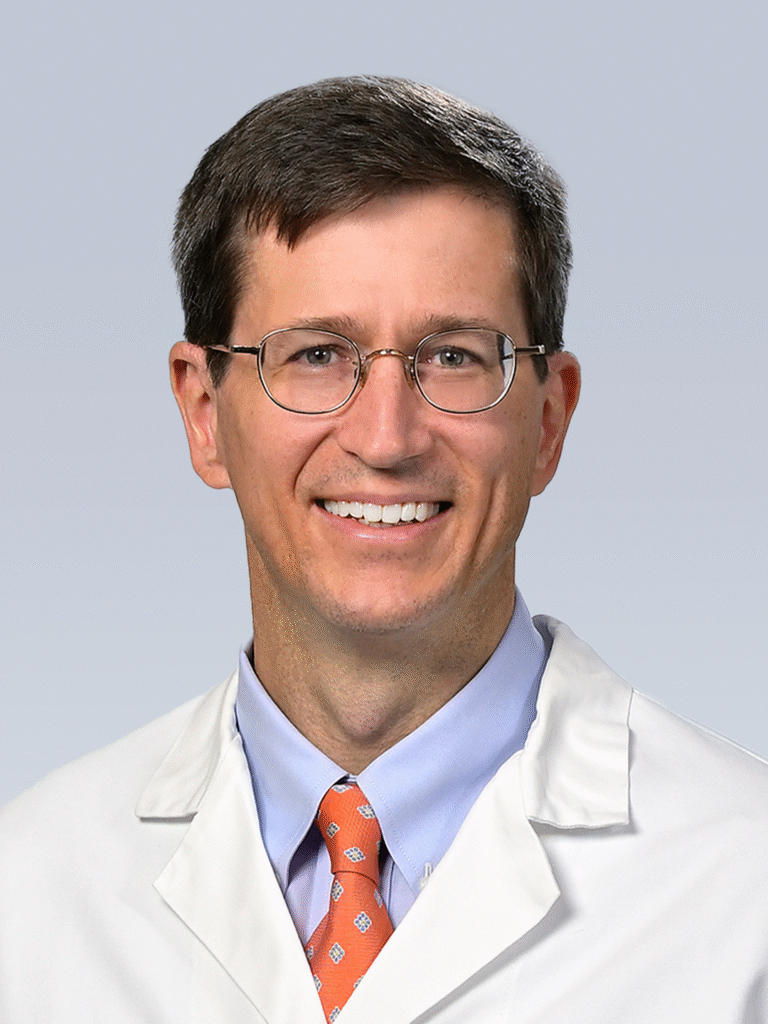
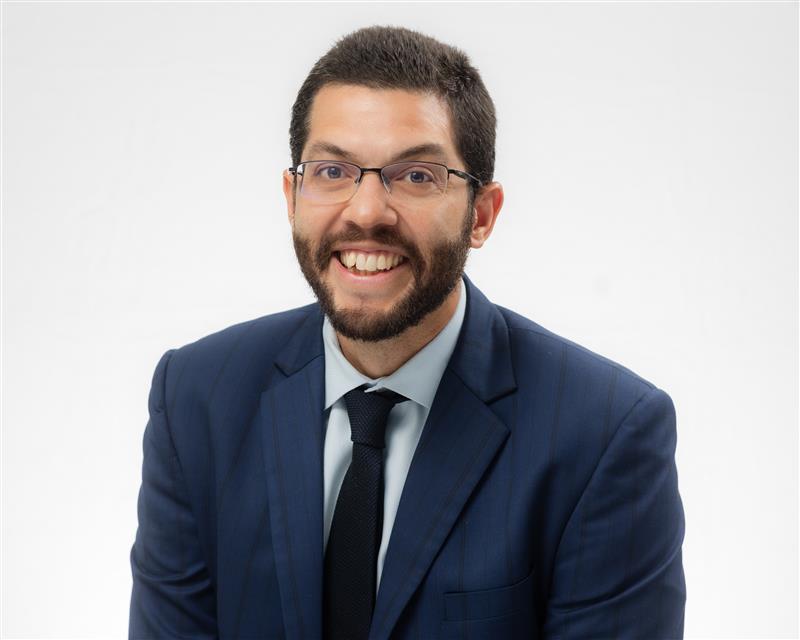
“Breakthrough T1D is proactively working now to identify and remove current and future barriers to T1D cell therapy coverage. By working with payers and policymakers now, we will accelerate broader access to T1D cell therapies.”
-Aaron Turner-Phifer, Senior Director of Health Policy at Breakthrough T1D
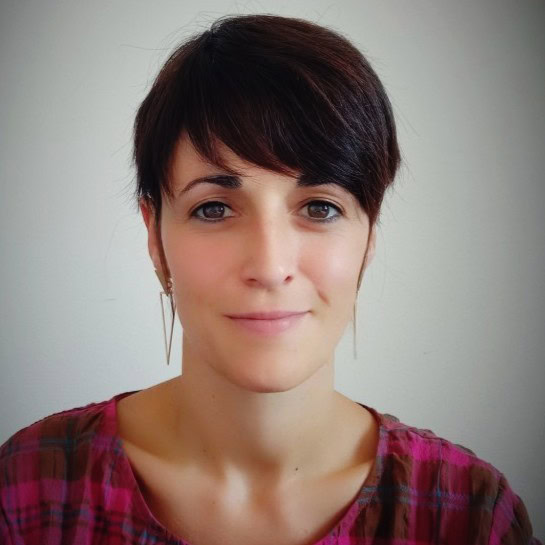
“Centers of Reference can help prepare healthcare systems around the globe for future cell therapies in T1D by building the expertise and standards needed to deliver them safely. They also help share experiences and best practices so more hospitals are ready to adopt these treatments over time.”
-Carmen Hurtado del Pozo, Ph.D., Director of European Research at Breakthrough T1D
Steady progress towards our goal
Manufactured islet cell therapies are coming. It is not a matter of if, but when. We are at a critical moment and need to ensure that HCPs are ready. Teamwork will get these therapies into clinics so people with T1D don’t have to wait years to get them.
This is why Breakthrough T1D is acting now: when the first manufactured islet cell therapy becomes commercially available, multidisciplinary care teams around the world will be prepared. This is essential to our Project ACT initiative, which is accelerating islet cell therapies that do not require immunosuppression for the T1D community.
Our goal is to advance islet cell transplants and establish Centers of Reference around the world, so that people anywhere can access these therapies as they become available. Centers of Reference are leading the way for safe and effective integration of manufactured cell therapies into clinics. These annual meetings provide a platform for international experts to connect and refine these Centers over two days of idea-sharing and collaboration. We’re already looking forward to seeing what the team will have accomplished by this time next year!
