

What’s happening?
The U.S. Food and Drug Administration (FDA) approved Tzield (teplizumab-mzwv) for use in children in stage 2 type 1 diabetes (T1D) ages one and older. This is a huge win for the T1D community!
Breakthrough T1D applauds the FDA for this approval and Sanofi for their commitment to new therapies for the T1D community.
For the first time, kids and their families have an approved therapy that addresses the underlying autoimmunity behind T1D—and not just the symptoms.
What does that mean? It means that families at risk for advancing to stage 3 T1D, which is when insulin therapy is required, can get an incredible gift: an average of two extra years without T1D.

Aaron Kowalski, Ph.D., CEO of Breakthrough T1D, celebrated the decision.
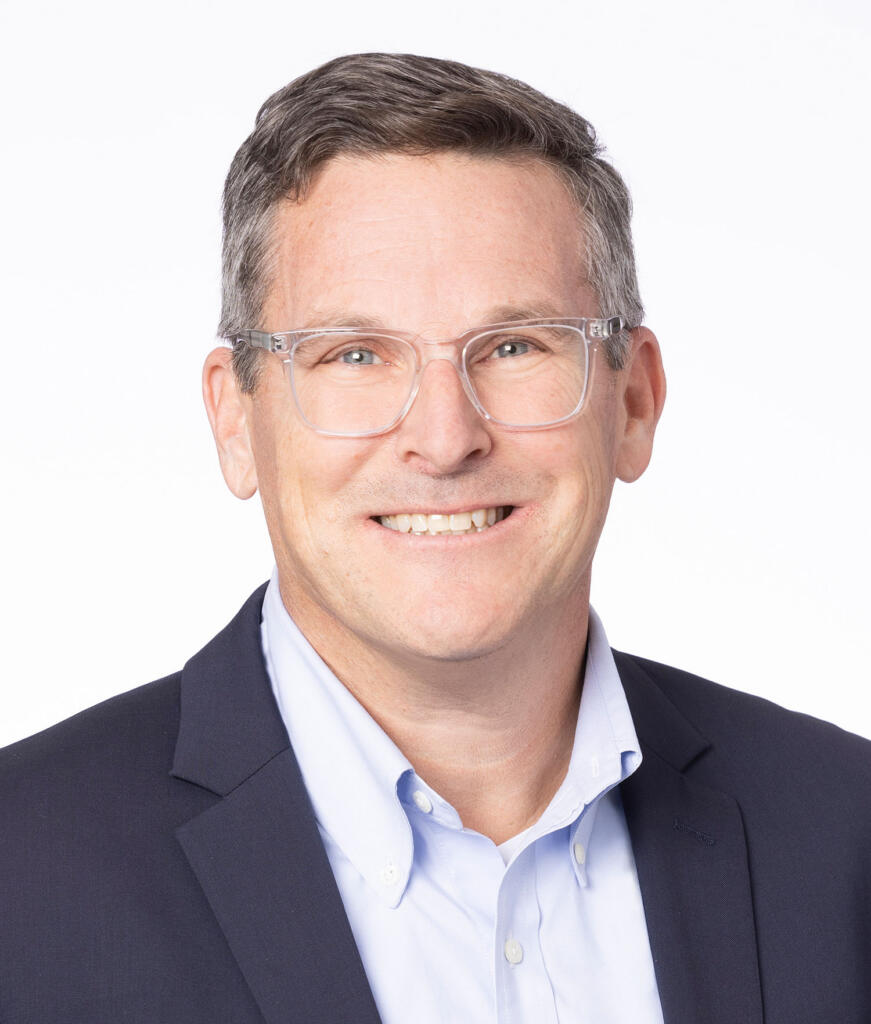
“Tzield’s approval for use in children ages one and older marks a defining moment in the treatment of type 1 diabetes,” said Aaron Kowalski, Ph.D., Breakthrough T1D CEO. “By expanding the population eligible for this disease-modifying drug, we are taking a meaningful step toward changing the trajectory of type 1 diabetes. Intervening earlier and slowing the disease’s progression will provide the gift of time to young children and their caregivers, potentially improving lifelong outcomes. I am immensely proud of Breakthrough T1D’s role in advancing the research that made Tzield possible. Breakthrough T1D applauds the FDA for today’s important decision to expand Tzield’s use and thanks Sanofi for its continued commitment to therapies for the type 1 diabetes community.”
How we got here
Tzield was approved for use in individuals 8+ in stage 2 T1D in 2022. Since then, we have been working to expand the eligible population. This expansion effort includes individuals in stage 3 T1D, who can preserve endogenous insulin production for longer when they take Tzield and, most notably today, children in stage 2.
Now, kids, arguably the most vulnerable patient population, can have a 14-day Tzield infusion and hit the pause button on T1D for an average of two years.
Screen, screen, screen!
Screening for T1D is more important than ever for families with children ages one and older. We encourage all families to screen their young kids—with a family history of T1D or without—because early detection of T1D is the only way to take advantage of Tzield and delay the need for insulin therapy by years. This could mean more years of healthy life spent just being a kid—no insulin pumps, no risky blood sugar highs and lows, no worried parents, no carb counting.
Screening resources for T1D
Interested in having your child screened for T1D? Check out our screening and early detection resources to learn more about your options for research-based screening programs. It’s easy—screening kits can be sent straight to your home.
We know that our community members are screening for T1D and taking advantage of Tzield, and we are thankful that this therapy has given people more years of life without constant, daily T1D management.
Tzield in action: Breakthrough T1D’s Chris Dunn
Chris Dunn is a parent of four children, two who live with T1D. Knowing that immediate family connections are a risk factor for developing T1D, Chris and her children without T1D participated in screening. Much to her surprise, Chris learned that she was in stage 2. Chris made the informed decision to get Tzield because she knew that it could delay her need for insulin therapy.
We are incredibly encouraged and excited that kids under 8 can experience the same benefits.
A day decades in the making
The decision would simply not have been possible without decades of Breakthrough T1D work, from funding discovery research to driving clinical development to working with regulators. Breakthrough T1D had a hand in the development of Tzield from the very beginning:
- Breakthrough T1D gave a Career Development Award to Kevan Herold, M.D., who had just started his faculty-level career at The University of Chicago, in 1988-1990. He showed, in an early study, that it’s possible to prevent autoimmune diabetes with an anti-CD3 antibody (which, later, became a humanized version, Tzield). He has gone on to receive more than 15 grants from Breakthrough T1D and was the lead on the clinical trial that demonstrated that Tzield could delay the onset of T1D in people almost certain to develop the disease. This was the first-ever study in humans to show a delay in the onset of T1D.
- We funded clinical trials in recent-onset disease, which were published in 2002, 2005, and 2013, and a phase III trial run by MacroGenics (it was called MGA031 at the time). MacroGenics received a Breakthrough T1D Industry Discovery and Development Program grant from 2006-2011.
- In 2012-2019, we funded, with the National Institutes of Health (NIH), the Immune Tolerance Network—an international clinical research consortium—that did a clinical trial of Tzield and identified who is likely to respond to the drug.
- Breakthrough T1D has also been a longstanding and passionate advocate for the Special Diabetes Program (SDP), an NIH program funded by Congress that enabled the creation of TrialNet—the largest clinical network for T1D. In 2010, with NIH, Breakthrough T1D, and the American Diabetes Association funds, TrialNet ran the clinical trial of Tzield in at-risk individuals, led by Dr. Herold.
- The T1D Fund: A Breakthrough T1D Venture made a strategic investment in Provention Bio in 2017 that brought the company into T1D for the first time—and they eventually acquired Tzield. That investment has helped catalyze hundreds of millions of dollars toward clinical development, regulatory work, and launch preparation that made this moment possible.
You can read more about the development of Tzield in Beating the Odds: The Improbable Story of How Perseverance, Belief, and Luck Led to the Approval of the First Life-Changing Immune Therapy for Type 1 Diabetes by Doug Lowenstein.
Looking forward
This news is incredibly encouraging, and the approval of Tzield for children ages one and older is a major step forward. Our work is not done. Tzield is still under review for people with stage 3 T1D—when insulin therapy is required—supported by the positive PROTECT Study that showed that Tzield significantly slowed the decline of beta cell function. We look forward to hearing the FDA’s decision for this population.
It doesn’t stop here. Tzield is approved for children and adults ages 8+ in Canada, the European Union, the United Kingdom (called Teizeild), China, Israel, Saudia Arabia, the United Arab Emirates, and Kuwait. However, Tzield is not yet available for young children ages 1+ in these countries, and our international partners and affiliates are working hard to expand its availability on a global scale so that more families around the world have the chance to benefit.
We will also continue to invest in next-generation disease-modifying therapies (DMTs) that have the potential to change the lives of people with T1D. We are funding early-stage companies, clinical trials and preclinical work through grants, while our colleagues at the T1D Fund are making equity investments in the most promising T1D biotech companies. Together, we are driving the field forward and bringing transformative DMTs through the pipeline. We envision a future where multiple DMTs are approved and available to preserve as many beta cells as possible for as long as possible. Thanks to the FDA’s decision, we have taken an important step in bringing Tzield—and more healthy years of life—to more people.
This article was written by Brian Herrick and Sandy Vogt, Ph.D.
