
Oh. My. Gosh. I’m writing this blog, for Mathematics and Statistics Awareness Month, and I couldn’t believe what people with type 1 diabetes (T1D) have to do, in mathematics, to reach the right blood-sugar levels. It’s insane! It’s not an overstatement to say that, to effectively manage T1D, one needs to be a mathematician.
Keep in mind, this is all hypothetical. If you have T1D, talk to your doctor/endocrinologist if you have any questions about anything in this post.
Total Daily Insulin Requirement
Let’s take a seemingly simple mathematical equation: Total daily insulin requirement (in units of insulin).
You take your weight and divide it by 4. If you weigh 160 pounds, then:
160 ÷ 4 = 40 units of insulin per day.
Easy, right? No.
Because it might be too much insulin if you are newly diagnosed and still making a lot of insulin on your own or you are sensitive to insulin; or it might be too little if you are very resistant to insulin; or, if you eat more, there’s more insulin; if you eat less, it’s less insulin. (This is a general formula, so, as always, talk to your doctor/endocrinologist about the best insulin dose for you.)
Basal Insulin Dose
Next, you need to establish the basal (also called background) insulin dose, which is generally constant from day to day. A couple of things to know about insulin:
- Approximately 40%-50% of the total daily insulin dose is when it’s NOT mealtime (basal).
- The other 50%-60% is for carbohydrate coverage (mealtime) and high blood sugar correction (bolus).
Let’s say, again, you weigh 160, and your totally daily insulin dose is 40 units (160 ÷ 4 = 40 units).
Your basal dose is 40%-50% of your total daily insulin dose. Let’s say we make it 50%, so it’s:
50% of 40 units = 20 units (of either long acting insulin or intermediate insulin).
Bolus (Carbohydrate Coverage) Insulin Dose
Okay, you’ve gotten this far. But what about mealtimes? Now you have to remember—it can be calculated using the “Rule of 500.”
You take 500, and divide it by your total daily insulin dose (40 units) to get your carbohydrate coverage ratio:
500 ÷ 40 = 12 grams of carbohydrate per 1 unit of insulin.
Easy, right? Think again.
This assumes that you have a constant response to insulin throughout the day, but insulin-to-carbohydrate ratio varies. Someone who is resistant in the morning, but sensitive at mid-day, will need to adjust the insulin-to-carbohydrate ratio at different mealtimes. The insulin-to-carbohydrate ratio might be breakfast 1:8 grams, lunch 1:15 grams, and dinner 1:12 grams.
Carbohydrate Coverage at a Meal
1 unit of insulin = 12 grams of carbohydrate.
Let’s say you’re going to have a turkey sandwich for lunch. That’s 36 grams of carbohydrate.
36 grams ÷ 12 grams = 3 units of insulin.
You’ll need 3 units of short or rapid acting insulin to cover the carbohydrate.
But…
High Blood Sugar Correction Dose (Correction Factor)
High blood sugar correction is defined as how much 1 unit of rapid acting insulin will reduce the blood sugar so many mg/dL. This time, you have to remember the number 1800.
1800 ÷ Total Daily Insulin Dose (40 units) = 1 unit of insulin will reduce the blood-sugar level by 45 mg/dL.
Next, you have to calculate the high blood sugar correction dose.
(Actual blood sugar – target blood sugar) ÷ correction factor = high blood sugar correction dose.
Let’s say your actual blood sugar, before lunch, is 235 mg/dL, and your target is 100 mg/dL.
So 235 mg/dL – 100 mg/dL = 135 mg/dL, then we divide it by the correction factor (45), and we get 3 units of rapid acting insulin, to “correct” the blood sugar down to a target of 100 mg/dL.
So…
Total Mealtime Dose
To get the total mealtime insulin dose, add the carbohydrate coverage dose together with the high blood sugar correction dose, so:
3 units of insulin + 3 units of insulin = 6 units of rapid acting insulin for your lunch.
And this was just lunch!
There’s nothing bad you can say about John J. McDonough. He was a self-made man. He served on Breakthrough T1D’s International Board of Directors and was Chairman in 1999 to 2000. He and his wife, Marilyn, founded the BETA Society, for people who name Breakthrough T1D in their estate plans. He was a poet. Well, no, he wasn’t…but that didn’t stop him from trying. And, he had “the ability to laugh in the face of some pretty awful things.”
This was “one of his best qualities,” said Allison, his eldest daughter.
He passed away on February 16 at the age of 84, from complications of type 1 diabetes (T1D).
He was a champion. A philanthropist. And, above all, a friend. He will be sorely missed.
Early Years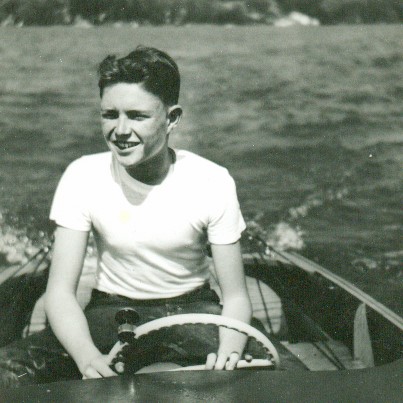
John was age 6 when he was diagnosed with T1D, in 1943. This was well before insulin pumps, continuous glucose monitors, and engineered insulin were around. John was told he would likely die by age 15. But, against all odds, John thrived.
He met Marilyn when he was 16, she 15. He graduated high school and attended the University of Notre Dame. John loved working as a campus photographer. His favorite gigs were photographing Louis Armstrong and his band, and President Eisenhower. John and Marilyn married before he graduated with honors and entered the business world as an accountant.
They began having children right away, and would go on to raise 5 McDonoughs (and 1 son-in-law, 2 daughters-in-law, 8 grandchildren, 3 granddaughters-in-law, and 3 great-grandchildren!).
Successful and Significant Life
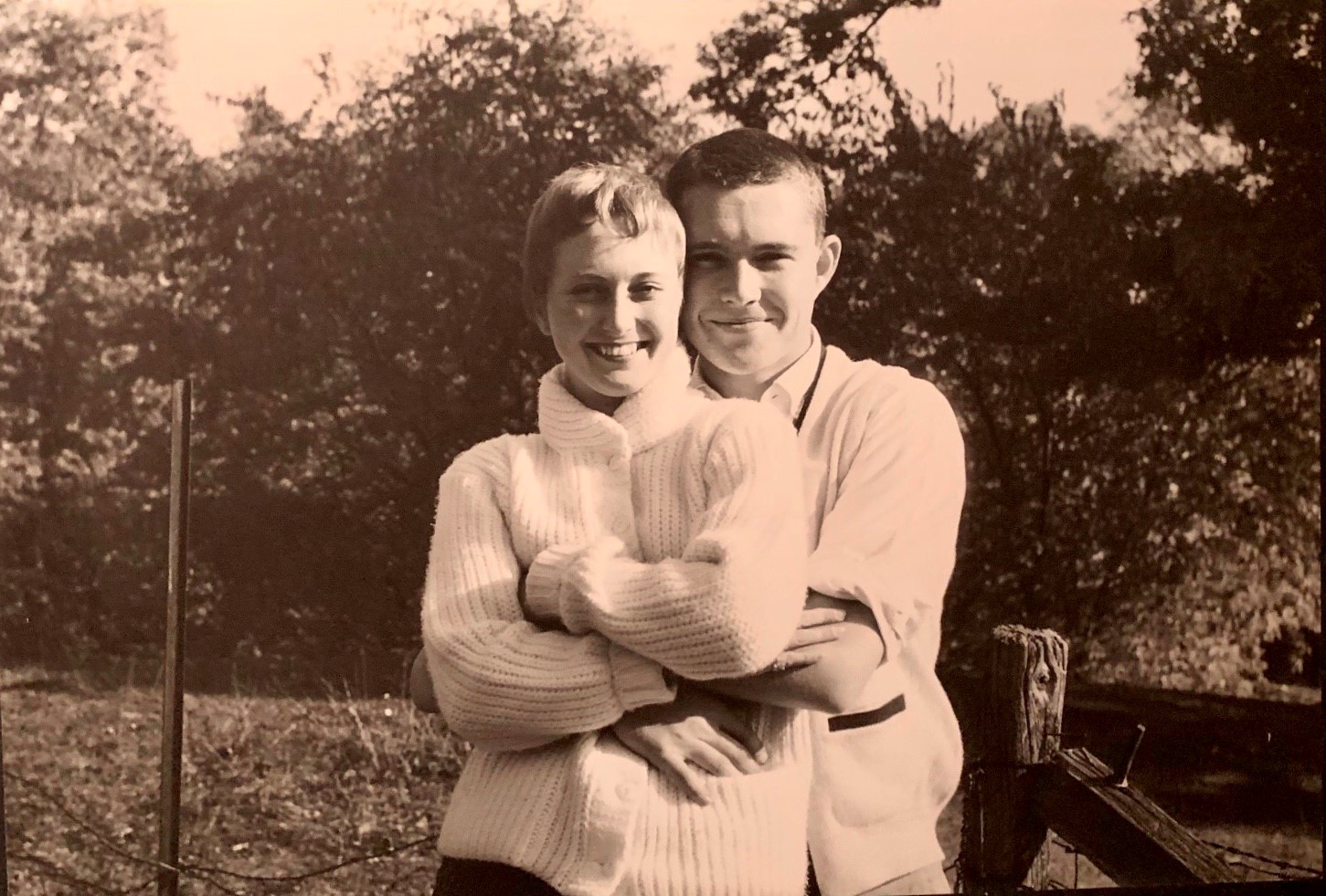
John’s determination to control the disease is what helped him defy the odds. He had a successful career in business and finance spanning more than 50 years and several industries: manufacturing, marketing, medical and dental products, and telecommunications.
But John wanted significance, too. When he received Notre Dame’s Sorin Award, which is presented to a graduate who has rendered distinguished service to the university and community, he said: “Success is important because it makes education, care of family, and a reasonable lifestyle possible. Significance is about making your life count. They can be simultaneous or sequential, but without significance, one’s life cannot be a success.”
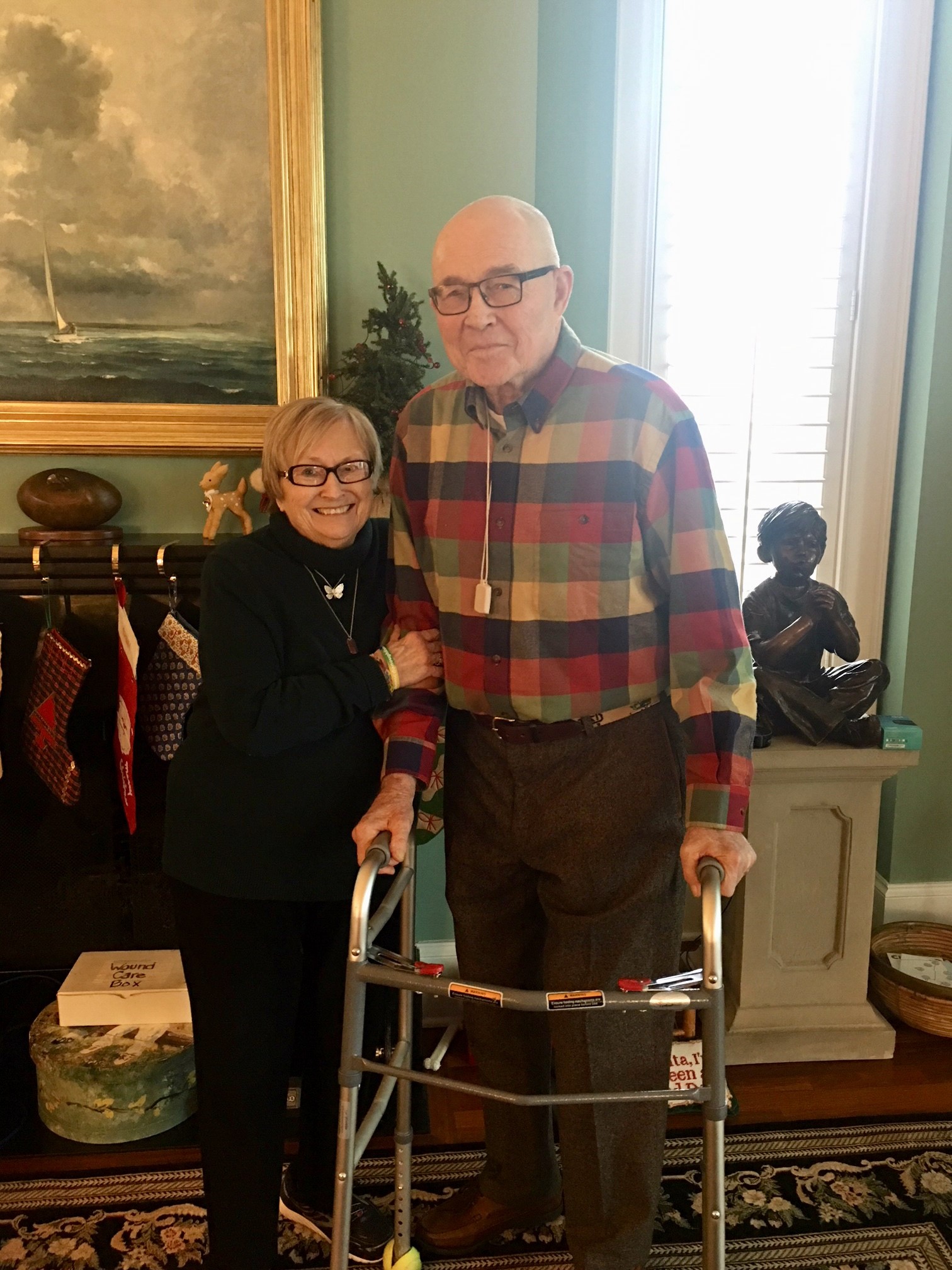 It was the diagnosis of his daughter, Allison, with type 1 in 1983 that led John to take a driving interest in moving T1D research forward.
In addition to being a member of Breakthrough T1D’s Board and founding chairman of the BETA Society, he served on many special committees for both Breakthrough T1D International and Breakthrough T1D’s Illinois Chapter. John and Allison testified before Congress at Breakthrough T1D’s Children’s Congress in Washington, D.C. He received the Person of the Year Award from both the Breakthrough T1D Southern Florida Chapter and the Breakthrough T1D Illinois Chapter. He’s made significant gifts to help fund research for the past 25 years.
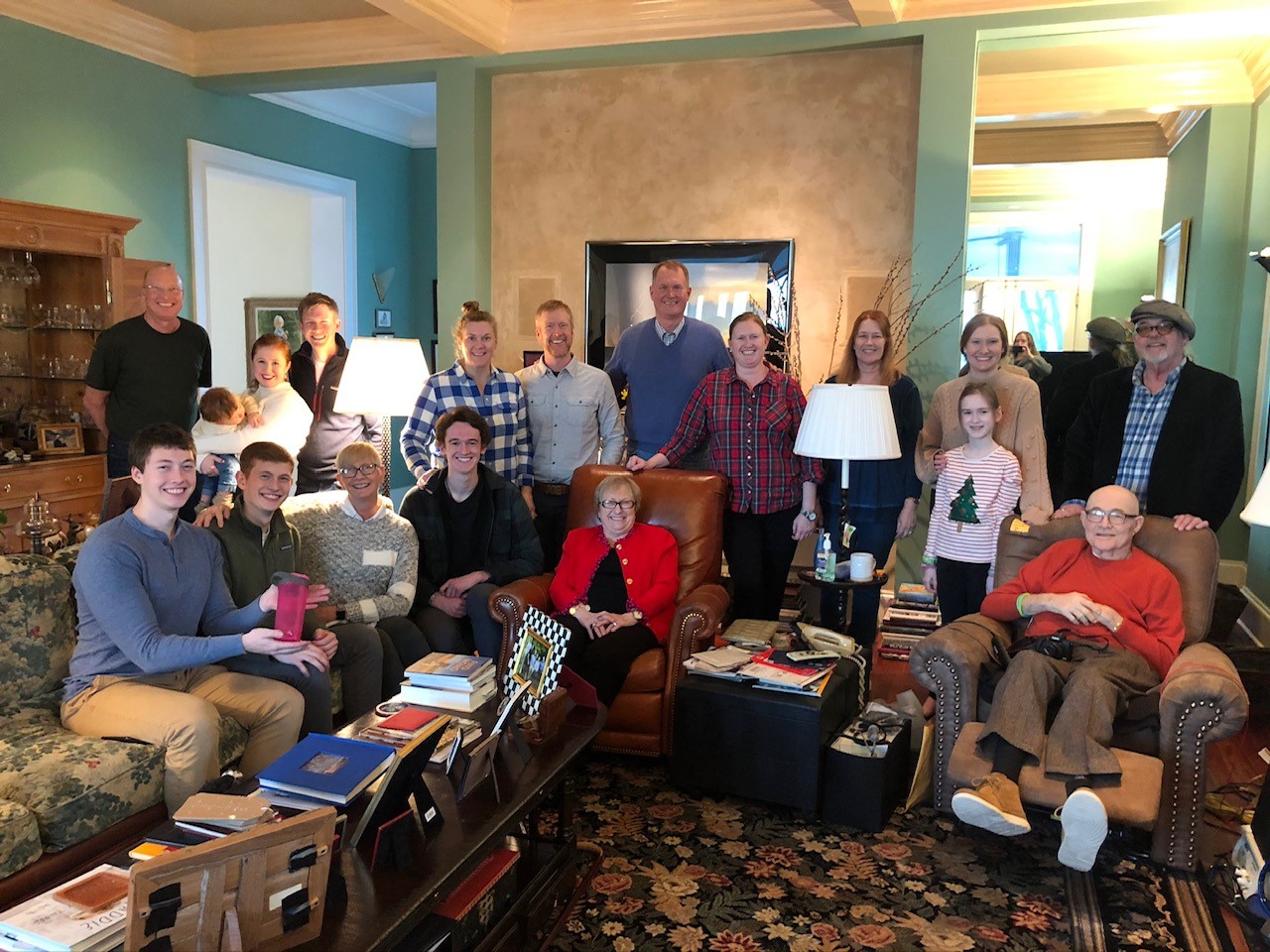 “We are much farther down the path of curing type 1 diabetes because of John’s efforts,” said Joe Lacher, now chairman of the Breakthrough T1D International Board of Directors. “He was incredibly proud of the innovations—like continuous glucose monitors and the artificial pancreas—that benefited John, Allison, and the type 1 diabetes community. It is because of his efforts that people with the disease are living longer and healthier lives and curing type 1 is within reach.”
Love of Life, and Silly Jokes
You know how I said that the remarkable thing about John was his humor? Even in the face of diabetes complications, even in the face of losing his leg, he always had that.
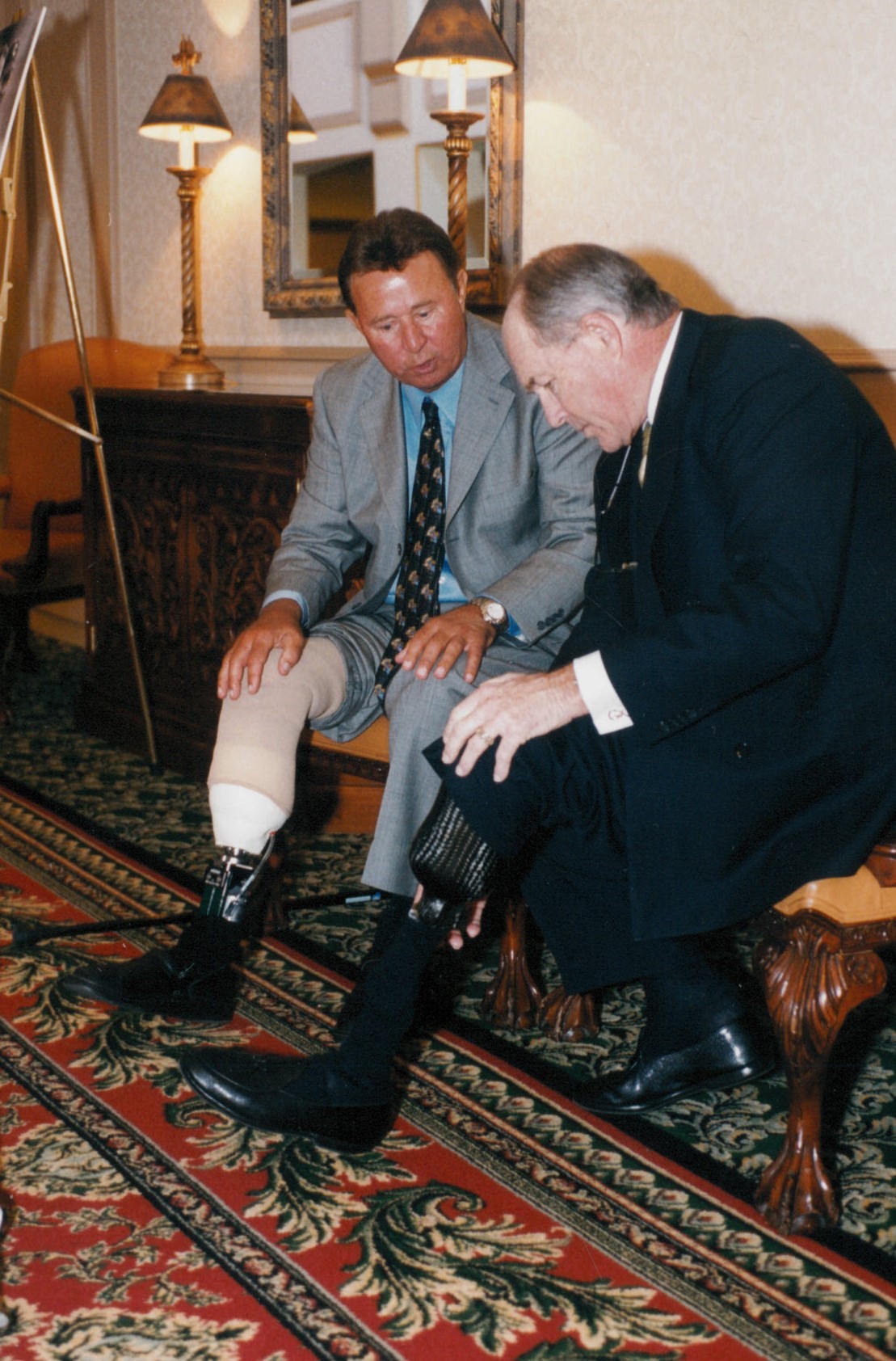
John and Ron Santo, comparing leg prosthetics
“After Dad lost his leg, we went together to get his first prosthetic leg,” recalled Allison. “Sitting in the waiting room, I was very surprised when all this grief welled up inside of me and I just started to weep. There I was, wailing away, and I could tell Dad was very upset because I was so upset. He said, ‘Hon, this amputation is really the best thing that could have happened.’ I just wasn’t in the mood to be spiritually advanced and was about to tell him that I loved his attitude, but I just couldn’t be positive right then. Then he continued, ‘I only worry about athlete’s foot half as much as I used to.’”
“I wasn’t expecting a joke,” said Allison. “I was stunned for a moment, but then we both started laughing through our tears. If others in the waiting room thought we were loons, I didn’t care. Once again, Dad showed his amazing ability to not let his diabetes dampen his spirit.”
Let’s hope that, someday, T1D won’t let anyone dampen one’s spirit again—because we have found cures for the disease. Until that day comes, we will fund research that will get us there.
We also wanted to share a recent video, featuring John, and his amazing spirit. John, you will be missed.
Accommodations. You might not know that it’s an important word, for anyone who has a disability. And, if you’re a person with type 1 diabetes (T1D), you have a qualified disability, and can request reasonable accommodations to help you go to school or work.
But what about COVID-19 and T1D? To help you traverse the school and employment rights, Breakthrough T1D had a Facebook Live event with Daniel Phelan, Esq., an attorney who’s an associate at Duval and Stachenfeld LLP and chairman and CEO of the Type 1 Action Foundation. He was diagnosed with T1D when he was in seventh grade, just a few weeks after his 13th birthday.
You’ll learn:
|
General |
|
|
Children
|
|
|
Employment Rights for Adults with T1D who Work in Schools
|
|
|
Workplace Employment Rights for Adults with T1D
|
|
Check out the full, recorded Facebook Live event below.
The 13th Network for Pancreatic Organ Donors with Diabetes (nPOD) Annual Meeting was held February 22-24, 2021, and featured some of the most world-renowned diabetes investigators. A total of 530 participants were registered.
nPOD is now the world’s largest tissue bank dedicated to the study of the human pancreas in type 1 diabetes (T1D).
The latest advances—using nPOD samples—were discussed, including:
- Development of T1D—Critical Role for Class II?: Estefania Quesada-Masachs, M.D., Ph.D., of the La Jolla Institute for Immunology, gave a presentation of proteins found on cells, called HLA, that cradle molecules and help identify the cell as self or non-self. There are two types of HLA protein: class I and class II. HLA class I is required for T1D, but, as presented by Dr. Quesada-Masachs, islets from type 1 donors had significantly higher expression of HLA class II, compared to both autoantibody-positive and healthy donors. This hints at a potentially critical role for HLA class II expression in the development of T1D.
- “Sleeping” Beta Cells: Bruce Verchere, Ph.D., of the University of British Columbia, posed the question: “In beta cells, how much loss of function vs. loss of mass occurs at diagnosis of type 1 diabetes?” He challenged the traditional paradigm that T1D results in total destruction of beta cells and discussed the concept of “sleeping” beta cells, in which beta cells are there in T1D, but are merely dysfunctional. Of note, he discussed beta cell stress, one of the pathways leading to beta cell death, as a therapeutic target.
- A New Autoantibody?: Ji-Ming Feng, Ph.D., of Louisiana State University, gave a presentation on Golli proteins, which are found in cells of the central nervous system and immune cells. But Dr. Feng wanted to focus on their function in pancreatic islet cells. He found that those who were deficient in Golli protein had impaired glucose tolerance and reduced insulin production compared to controls. This may be a useful marker for detecting beta cells dysfunction at the early stages of disease, particularly if the Golli autoantibody is found to be present in people with T1D.
- A Viral Vaccine for T1D: Francisco Leon, M.D., Ph.D., of Provention Bio, discussed how consortia, like nPOD, enable industry to bridge the divide from bench to bedside, when he talked about the coxsackievirus B (CVB) vaccine, PRV-101. The hypothesis that CVB infection leads to the development of T1D required human pancreas samples, which is where nPOD played a pivotal role. Using the samples, they were able to discover the presence of CVB in the beta cells in type 1 and type 2 diabetes. This enabled Provention to complete preclinical testing and launch the phase I clinical trial in December 2020. Dr. Leon also highlighted the Breakthrough T1D T1D Fund’s early seed funding, which enabled the company to find its footing.
Since it was established in 2007 with a $7 million grant from Breakthrough T1D, nPOD has collected and processed more than 50,000 tissue samples from organ donors who had or were at increased risk for type 1 diabetes, and has provided, without cost, these rare and difficult tissues to researchers around the world. It has supported more than 250 studies to unlock the mysteries of the human pancreas. For more information on nPOD, you can visit their website or view our nPOD one-pager.
You are helping us find ways prevent, treat, and—one day—find cures for T1D. Find out more about Breakthrough T1D here.
In type 1 diabetes (T1D), receiving transplanted donor beta cells restores blood-sugar control and significantly improves people’s quality of life. The current approach, however, is available to a limited number of people and these individuals need to take immunosuppressive drugs for the rest of their lives.
Our ambition at Breakthrough T1D is to bring beta cell replacement therapies to the broader T1D community with renewable cell sources and without the need for chronic immune suppressing drugs.
We’ve already solved a key challenge: After more than a decade of research, steered by Breakthrough T1D, Douglas A. Melton, Ph.D., and colleagues have solved the major obstacle of generating unlimited numbers of beta cells using stem cells, in 2014. Now, Dr. Melton, the principal investigator on the new New England Center of Excellence, will focus on the challenge of protecting these cells from rejection by the immune system that occur following transplantation.
Dr. Melton, in partnership with Breakthrough T1D research leadership, has assembled a multidisciplinary team that includes key diabetes investigators involved in cellular biology and immunology research, from five institutions: Harvard University, University of Massachusetts Medical School, Joslin Diabetes Center, The Jackson Laboratory, and Dana-Farber Cancer Institute.
They are applying their talents toward one of the most exciting, emerging fields: Gene modification, or gene editing. They are using gene modification technology to create beta cells that can withstand immune attacks and utilizing these engineered cells in the development of T1D therapies.
“I am truly blown away by the research at the Breakthrough T1D Center of Excellence in New England,” says John Cammett, co-founder of Realterm Global, president/CEO and co-founding partner of Aeroterm, and a seed funder of the Breakthrough T1D Center of Excellence in New England. “My own desire to find a cure is inspired by my mom living with type 1 diabetes for almost 60 years.
“We have supported several of the researchers at this Breakthrough T1D Center of Excellence individually before,” he describes. “But the Breakthrough T1D Center of Excellence in New England excites me and gives me tremendous optimism because it brings together the brightest minds, along with the entire Breakthrough T1D ecosystem, with a laser-sharp focus on developing cures. I encourage others to provide financial support, because it’s collectively between these researchers’ intellect and our financial resources that we will cure type 1 diabetes.”
“The Breakthrough T1D Center of Excellence in New England excites me and gives me tremendous optimism because it brings together the brightest minds, along with the entire Breakthrough T1D ecosystem, with a laser-sharp focus on developing cures.”
—John Cammett
Seed Funder, Breakthrough T1D Center of Excellence in New England
This is the third Center of Excellence launched by Breakthrough T1D, the first one in Northern California with Stanford University and the University of California, San Francisco, and the second at the University of Michigan.
The Northern California Center will focus on the interaction of immune cells with insulin-producing beta cells; generating islets and immune cells from stem cells for next-generation therapies; and developing ways to transplant insulin-producing cells into people with T1D without requiring immunosuppression.
The Michigan site will focus on undertaking a comprehensive definition of T1D metabolism, with the goal of preventing or treating short- and long-term complications—like low or high blood-sugar levels; eye, kidney, heart, and nerve diseases; and brain impairment and psychosocial stress—that arise from the disease, and aiming to identify drug targets that can be used in beta cell replacement therapy.
To learn more, read our press release.
The researchers involved in the Breakthrough T1D Center of Excellence in New England:
Harvard University
Douglas A. Melton, Ph.D. (principal investigator)
University of Massachusetts Medical School
Michael A. Brehm, Ph.D. (co-principal investigator)
Dale L. Greiner, Ph.D.
David M. Harlan, M.D.
Sally C. Kent, Ph.D.
René Maehr, Ph.D.
Joslin Diabetes Center
Jason Gaglia, M.D. (co-principal investigator)
Stephan Kissler, Ph.D. (co-principal investigator)
Peng Yi, Ph.D.
The Jackson Laboratory
Lenny Shultz, Ph.D.
Dana-Farber Cancer Institute
Judith Agudo, Ph.D.
After a thorough national search, we are pleased to announce that Timothy Doyle will join Breakthrough T1D as President and Chief Operating Officer (COO), effective February 1, 2021.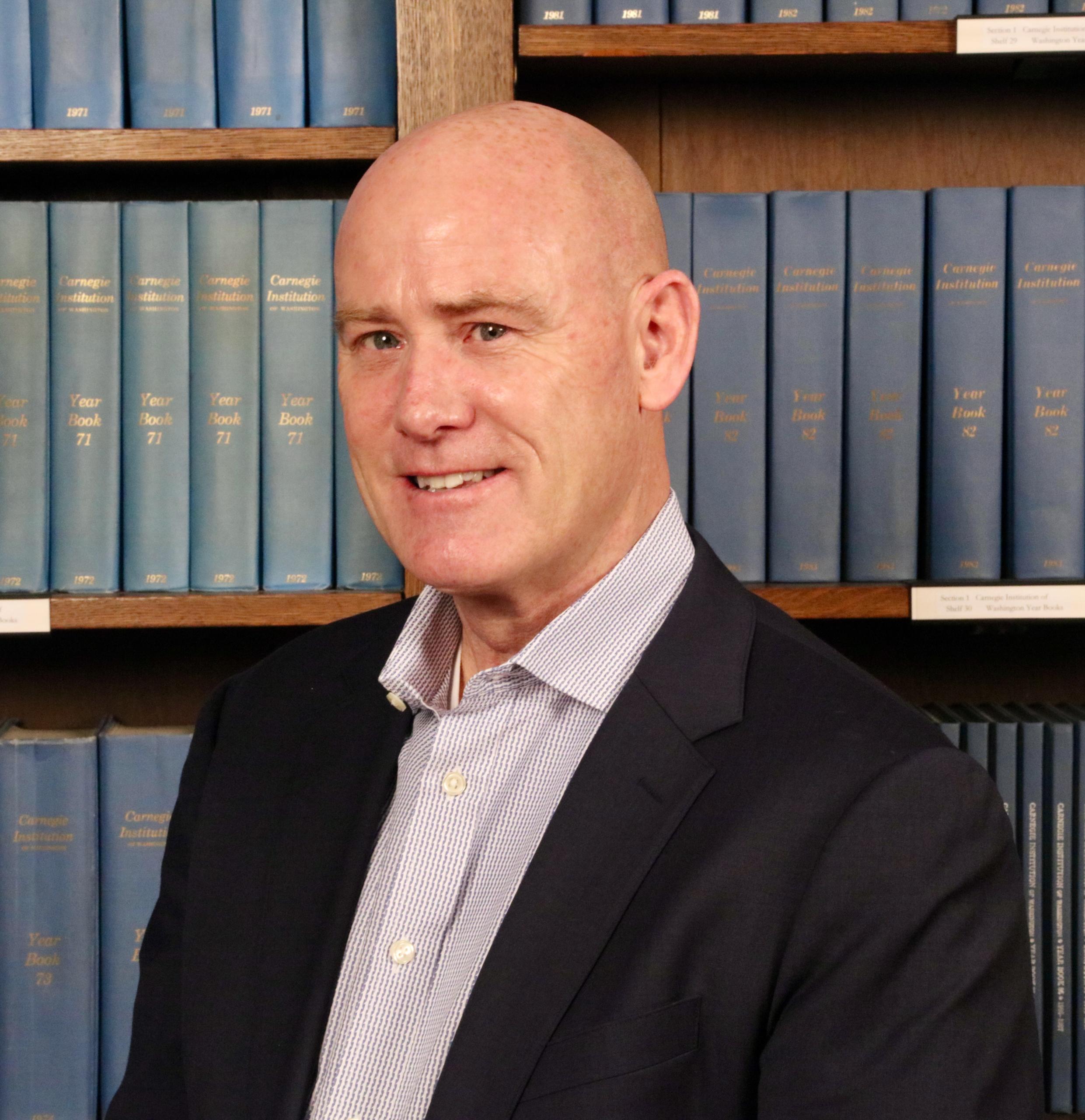
Tim will report to Aaron Kowalski, Ph.D., who will continue to serve as Breakthrough T1D’s Chief Executive Officer.
He will serve as a critical strategic partner to Aaron, leading organizational operations to broaden Breakthrough T1D’s reach and impact, working with Breakthrough T1D’s executive team and International Board of Directors.
Tim’s appointment will enable Aaron to focus on overall strategy and take a more active, external-facing role driving growth and accelerating mission as the face and voice of Breakthrough T1D.
Tim is a highly experienced and well-regarded leader with a track record of success developing and implementing strategic plans and management strategies in higher education and research institutions. He comes to Breakthrough T1D from the Carnegie Institution for Science, where he served as COO.
Prior to that, he was Associate Dean for Finance and Chief Financial Officer (CFO) for Harvard’s School of Engineering & Applied Sciences. Tim earned a Master of Business Administration degree from Suffolk University and served 13 years in the United States Army. His ability to build high-performing teams and collaborate across complex organizations will be a tremendous asset to Breakthrough T1D.
“As we begin to see light at the end of the COVD-19 tunnel and come into 2021 prepared to propel Breakthrough T1D to an even higher level of impact, we look forward to the value Tim brings to Breakthrough T1D,” Kowalski said. “I am confident that Breakthrough T1D will greatly benefit from Tim’s expertise as we focus on accelerating our mission through significant growth in the years to come and meaningfully improving lives during every stage of the type 1 diabetes journey.”
Tim’s passion for Breakthrough T1D’s mission is fueled by family members, colleagues, and friends who live with T1D.
Please join us in welcoming Tim as he joins Breakthrough T1D and works to advance the mission we all share.
Breakthrough T1D, the leading nonprofit organization dedicated to curing, preventing and treating type 1 diabetes (T1D), was recently selected as a winner of the 2020 Amazon Web Services (AWS) Imagine Grant, a public grant opportunity open to registered 501(c) nonprofit organizations in the United States.
The award goes to nonprofit organizations that are using technology to solve the world’s most pressing challenges.
“We received an inspiring set of applications for this year’s AWS Imagine Grant, representing a diverse set of projects across the nonprofit sector,” said Vice President of Nonprofits and U.S. Government at AWS Dave Levy. “We congratulate our winners, who are doing fantastic work to address important societal challenges. AWS looks forward to collaborating with these amazing organizations and to building, inventing, and reimagining solutions that drive meaningful change.”
Breakthrough T1D will receive up to $100,000 in unrestricted funding and up to $50,000 in AWS Promotional Credits. This will be in addition to other capacity-building resources, such as training and implementation support.
Breakthrough T1D will use the grant to help advance its mission to cure and treat T1D and its complications, as well as improve the lives of those living with the disease.
Proposals for the AWS Imagine Grant were judged on several factors, including the innovative and unique nature of the project, impact on mission-critical goals, and clearly-defined outcomes and milestones.
T1D Diagnoses Increasing
According to a 2020 CDC report, the number of people living with T1D in the United States has grown from 1.25 to 1.6 million. Health care costs and access to and affordability of insulin—as well as advanced technologies that help manage T1D, such as continuous glucose monitors (CGM)—can present major impediments to improved health outcomes.
This project, in collaboration with AWS and Breakthrough T1D’s other industry partners, will help Breakthrough T1D to harness the power of data and technology in its mission to discover and get cures into the hands of people with T1D faster.
Three key goals of this initiative are:
- Data Access: Make the most meaningful T1D data securely accessible to researchers, clinicians, and key stakeholders/organizations to drive adoption of proven treatments, enhance regulatory pathways and manage T1D effectively.
- Amplify and Accelerate Breakthrough T1D’s Mission: by enrolling more supporters and advocates and helping to accelerate the discovery, regulatory approval and adoption of cures and disease modifying therapies.
- Enable and inspire innovations in the T1D treatments and cures field by leveraging data and technology across the community to prevent, cure, and treat T1D
“This award is a testament to how we’re driving progress during this challenging time,” said Breakthrough T1D President and CEO Aaron Kowalski, Ph.D. “In recognizing the advances Breakthrough T1D is making in leveraging data and technology, the AWS Imagine Grant will help us accelerate novel therapies and cures and get them into the hands of people living with T1D as soon as possible.”
Tackling Critical Challenges
Now in its third year, the AWS Imagine Grant program provides vital resources to nonprofit organizations looking to deploy cloud technology as a central tool to achieve mission goals. As part of the program, AWS seeks proposals for big ideas on how to leverage technology in new and innovative ways to accelerate impact in local and global communities.
Previous winners are currently using AWS services to tackle critical challenges such as finding cures for childhood cancer, stopping illegal fuel dumping in oceans, giving unbanked populations a financial voice, and helping veterans access critical support.
Since the launch of the Imagine Grant program, AWS has awarded over $2.5M in funding, AWS Promotional Credits and AWS training support to 26 nonprofit organizations.
“We at Breakthrough T1D and our T1D community are excited to receive the AWS Imagine Grant,” said Breakthrough T1D Chief Data and Technology Officer Sri Mishra. “Collaboration between technology leader AWS and Breakthrough T1D will open-up tremendous opportunities to help accelerate the discovery and adoption of cures and disease-modifying therapies for T1D.”
Learn more about the AWS Imagine Grant and how previous winning nonprofit organizations are using the award to advance their missions.
Read the Amazon Web Services announcement about the 2020-2021 recipients of the AWS Imagine Grant.
Every year, the Breakthrough T1D community rallies together for Walk events that take place across the U.S. and even abroad. Dedicated families, friends and companies raise money to improve the lives of people living with type 1 diabetes (T1D), and while Breakthrough T1D Walk is the largest T1D event in the world, it has always been our place to celebrate those living with T1D and the research advancements we’ve all worked together to achieve.
Now more than ever, we need to find creative ways to continue coming together to celebrate our community and move our mission forward. Like many organizations, COVID-19 has challenged us, but we’re taking on this challenge and setting out to do things that have never been done before! For the first time ever, the Breakthrough T1D community is setting out to walk a collective 1.6 million miles and raise $50 million dollars to find a cure for type 1 diabetes. We were excited to launch integrated fitness tracking for our participants in August, and look forward to sharing our virtual Finish Line Festival slated to open on Nov. 1, but perhaps most exciting of all, we can’t wait to invite you to Breakthrough T1D’s first ever video game: Breakthrough T1D World!
Breakthrough T1D World is a virtual world built inside the popular online game Roblox that allows for education, celebration and, of course, play! It’s being created by Breakthrough T1D Play in partnership with people in the video game industry with T1D connections.
But Breakthrough T1D One World is more than just a game—it’s also an opportunity to create connections between family members, friends, and classmates. We’ve made it a place where everyone can both belong and commit to supporting what we all want: a world without T1D.
When this launches on November 1, your first experience in the Breakthrough T1D World is a virtual Breakthrough T1D Walk inside the game for you to enjoy with friends and family, virtually! Just like in a traditional walk, we’ll have a fun walk route, educational tents, and a V1P tent. But in Breakthrough T1D World you’ll also get to play games, go on a scavenger hunt, and meet with friends to explore. And you might even bump into our President & CEO, Dr. Aaron Kowalski or Rufus, the Bear with Diabetes®!
To visit Breakthrough T1D World, you need to set up a free Roblox account on your computer, phone, or tablet. (If you’re not sure how to do this, your kids can probably show you—Roblox is the #1 game site for kids and teens.) Accounts are free, although you can buy upgrades for your character, such as tee shirts and hairstyles. But it’s not necessary to buy anything, since Breakthrough T1D One World will be free to play and enjoy. Check out this tutorial for help setting up an account and customizing your character.

Once you’ve created your character, visit this page and click the Play button. (This button will show up when the game launches on November 1; until then, you can bookmark the page and click the Favorite and Follow icons so it’s easy to find.) If you haven’t played a Roblox game before, you’ll be prompted to download and install the Roblox app the first time.
While the Breakthrough T1D Walk is the first event happening in this new virtual space, it’s only the beginning. The world will stay online for all of National Diabetes Awareness Month and beyond, so you and your kids can come back and spend time there whenever you want. Be on the lookout for more ways to connect and discover as Breakthrough T1D World grows and grows.
Leading researchers gathered, virtually, for the 56th annual European Association for the Study of Diabetes (EASD), which took place from September 22-25. There were more than 20,000 attendees, from countries like Egypt, Brazil, Australia, Spain and the United States, and featured more than 40 studies presented by Breakthrough T1D researchers, funded now or in the past, working to find cures for type 1 diabetes (T1D) and improve the lives of those living with the disease today.
Here are a few highlights!
- Artificial Pancreas Technologies: In a debate on open source versus commercial closed-loop systems, Dana Lewis and Henk-Jan Aanstoot, M.D., Ph.D., both of whom are Breakthrough T1D funded, instead emphasized that open source and commercial systems are not mutually exclusive. Ms. Lewis, one of the founders of the do-it-yourself (DIY) diabetes movement, applauded the ability of open source closed loop systems to provide users flexibility and personalization in their insulin delivery. Aanstoot argued that commercial closed loop systems offer the most value to the most people. Bottom line: it depends on personal preference.
- Standardizing Clinical Trials: INNODIA (INNOvative DIAbetes)—a European public-private partnership, funded, in part, by Breakthrough T1D—has developed a Master Protocol, in order to facilitate clinical trials and accelerate the testing of multiple drugs for T1D, either alone or in combinations. There are currently four scheduled INNODIA related trials: (1) MELD-ATG, testing the drug anti-thymocyte globulin (ATG) that showed preservation of C-peptide, a marker of insulin production, in individuals with recently diagnosed T1D; (2) VeR-A-T1D, studying the blood pressure drug verapamil, which preserved beta cell function in recently diagnosed individuals; (3) CFZ533, testing iscalimab in newly diagnosed disease; and IMPACT, investigating the immune therapy IMCY-0098. In a separate presentation, Nicolas Bovy, Ph.D., of the company Imcyse, discussed the initial results of a clinical trial of IMCY-0098, which, in the highest dose, reduced the number of immune cells implicated in beta cell destruction.
- Advice for Beta Cell Replacement Therapy: Breakthrough T1D-funded Eelco de Koning, M.D., Ph.D., provided an overview of research into stem cell-derived beta cells for islet transplantation, paying particular attention to the promises and pitfalls of cell delivery devices in development. There remains the decision about when—i.e., at which step of differentiation—to transplant the generated cells, and which method to take when transplanting these cells into people. While routine use of stem cell-derived transplants and their delivery devices remains in the “far future,” they certainly present attractive remedies to the current disadvantages of cell replacement therapies.
- A Potential First-in-Class Adjunct Therapy: vTv Therapeutics presented the completed Breakthrough T1D-funded phase II Simplici-T1 study, which summarized the clinical data and provided further evidence that treatment with TTP399 resulted in significant improvements in HbA1c with reduction in bolus insulin dose and, importantly, without increasing the risk of life-threatening events associated with T1D: diabetic ketoacidosis (DKA) and severe low blood sugar. Results from the human study support the clinical potential of the glucokinase activator (GKA) TTP399 as an oral adjunctive therapy in T1D.
- COVID and T1D: In England, people with T1D had higher odds—3-fold—of in-hospital COVID-19-related death compared to people without diabetes, but Catarina Limbert, M.D., Ph.D., emphasized that this applies to a narrow part of the population: you have to be above 50, have had T1D for more than 20 years, have had an HbA1c of more than 10 percent and have a high prevalence of co-morbidities. She also put to rest the idea that COVID-19 may trigger more cases of new-onset T1D; she says it’s unlikely. We’ll see on that front.
This fall, it’s important to remember that open enrollment for health insurance is right around the corner. For those of you on Medicare, beginning October 15 through December 7, you can make critical changes to your health insurance to ensure you’re receiving the best coverage at the best price.
For people with type 1 diabetes (T1D) on Medicare reviewing your options is even more critical this year. Be sure to sign up for a Part D plan that will cap your insulin costs at $35/month. Across the country, there are more than 2000 plans being offered that charge no more than $35/month for each insulin prescription, with many charging even less than that.
Note that not every plan will offer this benefit, so be sure to find a plan that does and sign up for the benefit before open enrollment ends. When reviewing your options, make sure to include insulin and any other drugs taken on the drug list to see plans that offer $35/month insulin.
Some important specifics to keep in mind:
- If you choose a Part D plan with this benefit you will pay $35 per each 30-day supply of a covered insulin prescription until you reach the catastrophic coverage phase, during which you will pay 5% co-insurance. Insulins covered by participating plans will not be subject to the deductible or donut hole phases of Part D coverage.
- If you use a tubed pump, your insulin is NOT part of the $35 cap program. Your copay will remain at 20% of the cost of insulin, or whatever cost sharing you have under your Medigap plan.
- If you’re newly enrolled in Medicare or need a refresher, check out our Medicare Guide. Browsing of Medicare Part D plans will be available on October 1, and is available here.
For a comprehensive look at T1D and insurance, visit our Health Insurance Guide.

