
The American Diabetes Association’s Scientific Sessions is here! Until June 16, scientists will present some of the most updated topics, from beta cell replacement to regeneration and glucose and complications trials, all with the result to change things for the type 1 diabetes (T1D) community. Here are Drs. Emily Sims, Jay Skyler, Marian Rewers and Matthias Kretzler to share their key takeaways from day 4, with their commentary in the video and below:
Emily Sims, M.D.
Physician-Scientist, Indiana University
Teplizumab Reverses the Loss of C-peptide in Relatives at Risk for T1D
Dr. Emily Sims provided really exciting results in her update on the teplizumab clinical trial. As a reminder, the landmark study of teplizumab showed it could delay the onset of T1D for about 2 years in participants with a high risk of developing the disease (and was presented at ADA 2019). But, Dr. Sims explained, we don’t know how this treatment affected the function of beta cells. They used C-peptide, a marker of insulin secretion, and found that the loss of C-peptide was reversed in teplizumab people with T1D within 6 months, and it improved beta cell function in those individuals. Follow up on the individuals who didn’t develop clinical diabetes, the effect of teplizumab had been sustained: 50% of those treated with teplizumab remain diabetes-free, compared to only 22% of those taking placebo. The delay in diabetes onset was close to 3 years (35 months).
Jay S. Skyler, M.D.
University of Miami
Leveraging Metabolism to Prevent, Treat, or Cure T1D
Dr. Jay Skyler talked about artificial pancreas systems versus immune therapy. He started with artificial pancreas technology clinical trials in Europe (presented by Charlotte K. Boughton, Ph.D.) and the U.S. (presented by R. Paul Wadwa, M.D.), which are taking place along the whole spectrum of T1D, from age (children age 1-7, young children age 6-12, youth age 6-18, in adults, older adults, greater than 60), to pregnancy to those people with sub-optimal control of T1D to people who have hypoglycemia unawareness to hospitals. Prevention was presented by Olga Kordonouri, Ph.D., who discussed the GPPAD (Global Platform for the Prevention of Autoimmune Diabetes) program, which screens kids at birth for genetic markers of T1D, and enrolling ones who have high genetic risk in the oral insulin trial. Dr. Skyler added commentary: Asked if he had a preference for either artificial pancreas systems or immune therapy: “They’re all needed!” We need artificial pancreas technology now, to get people in excellent control, we need immunomodulation to preserve beta cell function and to prevent T1D, but we need to replace beta cells. This can be done today with pancreas/islet transplants, but, in the future, we’re going to have unlimited supply of beta cells using stem cells. “We’re standing at the threshold…and I am really optimistic for the future.”
Marian Rewers, M.D., Ph.D.
Professor of Pediatrics and Medicine and Executive Director, Barbara Davis Center for Diabetes, University of Colorado, Denver, CO
Update from the TEDDY Study
Dr. Marian Rewers gave an update on the TEDDY study (which stands for The Environmental Determinants of Diabetes in Youth). He took a 30,000 feet view: What has TEDDY found so far? Background: We screened almost half a million children in four countries: U.S., Finland, Sweden and Germany, and we followed those kids that had the highest genetic risk of developing T1D, almost 9,000 children. TEDDY found that autoimmunity starts very early, between the first and second year of life, and the best predictor: islet autoimmunity + genetic markers. They also found that the persistent presence of enterovirus B strongly predicts development of islet autoimmunity. (Another presenter, William Hagopian, M.D., Ph.D., provided evidence that enteroviral infections can be important for developing celiac disease, a related autoimmune disease.) He advocated for a clinical trial to test if probiotics, given to infants, can prevent the development of islet autoimmunity. But there’s good news: There is no association between antibiotics in early childhood and development with either celiac disease or T1D. Higher levels of vitamin D may be associated with lower risk of islet autoimmunity (but only in children with certain genotypes in the vitamin D receptor gene), vitamin C may have a protective effect and lower levels of omega-3 fatty acid predicts the development of islet autoimmunity.
Matthias Kretzler, M.D.
University of Michigan
Novel Approaches for Cell and Tissue Therapy—Using the Kidney as a Model
Dr. Matthias Kretzler gave an update for the diabetes community with very exciting results we are seeing in diabetic kidney disease. The SGLT2 inhibitors, in clinical trials, helped to reduce the progression of kidney disease. There is very exciting, cutting-edge technologies to cell types and how they respond to disease in the kidney. There is single cell analysis, 3D multifluoresence imaging, spatial transcriptomics and more, which Dr. Kretzler will outline in his takeaway from day 4.
The University of Michigan announced the establishment of the Elizabeth Weiser Caswell Diabetes Institute at Michigan Medicine in collaboration with other university schools and units.
A $30 million gift from the Weiser family of Ann Arbor will support diabetes research and the development of life-changing diabetes therapies.
The Elizabeth Weiser Caswell Diabetes Institute will centralize and coordinate campus resources — anchored by a group of more than 250 world-renowned, dynamic researchers in diabetes, diabetic complications, obesity and metabolism — and allow University of Michigan to bring new depth and discovery to the quest for answers to diabetes.
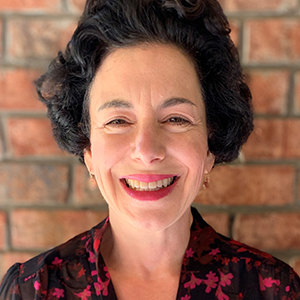
The Institute is named for Breakthrough T1D Research Committee member Elizabeth Caswell, who will become Committee Vice Chair, and a member of the Breakthrough T1D International Board of Directors, on July 1st.
Two of Caswell’s three sons have type 1 diabetes (T1D), as does her husband.
“One of the things that has filled me with great pride is my volunteer work on the Research Committee at Breakthrough T1D. I’ve seen the progress that has happened since I met my husband in 1991 to having continuous glucose monitors and pumps that interact to make automated insulin delivery devices and there are more exciting potential changes on the horizon that will reduce the daily burden for people living with T1D,” said Caswell, also of Ann Arbor. “I’m so hopeful about cures for T1D that involve beta cell replacement and immunotherapies—these have the potential to impact millions of people.”
“Diabetes is so hard. You don’t want to think about complications, but you know they’re out there,” Caswell added. “Diabetes doesn’t allow anybody to shut down and forget about it; there’s no break. Fortunately, the team at Michigan Medicine has been there for us every step of the way — advising us on daily care, advances in treatment technologies, and opportunities for clinical research. Until T1D is cured, we are grateful for top-notch care at one of the best research institutions in the world.”
“Elizabeth has been a relentless educator and advocate for people with diabetes and for diabetes research,” said Ron Weiser, Caswell’s father, a member of the University of Michigan Board of Regents, who with his wife , Eileen, made the gift for the institute. “Our family hopes that the collaboration among physicians, researchers, innovators and advocates across campus will allow the work she’s done — and continues to do — to be rewarded with cures for diabetes.”
Type 1 diabetes affects nearly 1.6 million Americans. Research is invaluable to the T1D community as each discovery brings us closer to finding cures and new treatments that help ease the daily burden of living with T1D.
“This gift is transformational,” said Marschall S. Runge, M.D., Ph.D., executive vice president for medical affairs, dean of the University of Michigan Medical School and CEO of Michigan Medicine. “We are immensely grateful to the Weisers for opening the doors that enable our physicians and researchers to push the boundaries that will transition cutting-edge discoveries in diabetes investigations into lifesaving therapies for children and adults.”

Caswell, who received JDRF’s 2019 Huntsman Family Community Engagement Award, is a champion for the Breakthrough T1D Center of Excellence at the University of Michigan.
“The Center was inspirational to the gift that my family made to form the Institute,” Caswell said. “The Institute is larger in focus. It’s type 1, it’s type 2, it’s metabolic, it’s policy, it’s public health, it’s psychosocial. It’s anything and everything that touches diabetes across the entire University of Michigan with the cornerstone being scientific and medical research.
“By approaching things across disciplines, I hope that we can accelerate life-changing treatments and cures,” Caswell said.
The American Diabetes Association’s Scientific Sessions is here! Until June 16, scientists will present some of the most updated topics, from beta cell replacement to regeneration and glucose and complications trials, all with the result to change things for the type 1 diabetes (T1D) community. Here is Dr. Chantal Mathieu to share her key takeaways from day 3, with her commentary in the video and below:
Chantal Mathieu, M.D., Ph.D.
Adjunctive Glucose-Lowering Therapies for Adults with T1D—Evidence
Dr. Chantal Mathieu gave an update on where we are with three classes of glucose-lowering therapies, usually used for type 2 diabetes (T2D), but increasingly used for T1D: metformin, GLP-1 receptor agonists and SGLT inhibitors. She went into adjunct therapies, and why they are needed: many people do not reach their desired HbA1c target, we still have hypoglycemia occurring in many people and there is undesired weight gain in intensive insulin therapy. Metformin, which was presented by Irene Hramiak, M.D., has been studied for many years now, and there is a clinical trial, called the REMOVAL trial [which Breakthrough T1D funded!], in T1D. Unfortunately, it missed its primary endpoint, but what was observed is some benefit in HbA1c, lower insulin dose and also less weight gain. What do the clinical studies show in GLP-1 receptor agonists? Presented by Tina Vilsbøll, M.D., D.M.Sc., there is a benefit in reducing insulin dose, in reducing HbA1c and also reducing weight, but when the dose of insulin is not reduced rapidly enough, you get more hypoglycemia, which was an unexpected risk, and also an increased risk in ketosis. Dr. Mathieu discussed SGLT inhibitors. Many trials have been done, and in people with T1D, there was HbA1c lowering, weight lowering, blood pressure lowering and also less insulin needed to achieve better HbA1c. But the feared risk is for diabetic ketoacidosis (DKA), which 2%-4% of people in the trials developed (this is the reason why they are not approved by the FDA; in Europe, there is approval for 2 SGLT inhibitors, but at a lower dose than what clinicians are using for T2D).
Last year, at the American Association for Diabetes (ADA) Scientific Sessions, a drug, called teplizumab, was able to significantly delay—for over two years—the onset of type 1 diabetes (T1D) in participants with a high risk of developing the disease. This was the first ever study in humans to show a delay in the onset of T1D. But it doesn’t stop there. Breakthrough T1D has updated results, and this is big. The investigators were able to follow up on the individuals who didn’t develop clinical diabetes, and the effect of teplizumab had been sustained: 50% of those treated with teplizumab remain diabetes-free, compared to only 22% of those taking placebo, and the delay in diabetes onset was close to 3 years (35 months). These were presented by Emily Sims, M.D., an assistant professor of pediatrics at Indiana University and a Breakthrough T1D-funded investigator, at ADA’s Scientific Sessions.
Additionally, the participants, both the teplizumab and placebo groups, had a progressive decline in the biomarker that measure’s the body’s ability to produce insulin—C-peptide—preceding the trial. But the teplizumab team found that production of C-peptide actually went up following treatment with teplizumab, especially in the first 6 months after treatment. Like, teplizumab could reverse the downward trajectory of C-peptide loss that was there before the trial.* Um, wow. And there’s more: the increases in C-peptide were correlated with induction of a state of “exhaustion” in “bad” immune cells. Like, they literally took a punch and lost the ammo to keep on attacking the beta cells. Wow (again).
So, could the exhaustion of “bad” immune cells result in not getting T1D or significantly slowing down the time to getting it? Well, we’re not there yet, but we’re close, and closer to a day when T1D might be prevented, forever.
Breakthrough T1D Leadership: Breakthrough T1D funded one of the first clinical trials of this drug, results of which were integral to the teplizumab prevention trial. The study in this report was conducted by TrialNet, a T1D trial consortium funded by NIDDK and by the NIH’s Special Diabetes Program for which Breakthrough T1D is the leading advocate. Multiple studies involving samples and data from teplizumab trials have continued to receive Breakthrough T1D funding. Teplizumab (now called PRV-031) is currently being tested in a phase 3 clinical trial in people recently diagnosed with T1D, headed by Provention Bio, a company with an investment from the Breakthrough T1D T1D Fund. If successful, this could become the first immune therapy approved for T1D.
*In the placebo group, C-peptide still declined.
The American Diabetes Association’s Scientific Sessions is here! Until June 16, scientists will present some of the most updated topics, from beta cell replacement to regeneration and glucose and complications trials, all with the result to change things for the type 1 diabetes (T1D) community. Here are Drs. Eric Triplett, Randi Streisand, Hubert Tse and Teresa Rodriguez-Calvo share their key takeaways from day 2, with their commentary in the video and below:
Eric Triplett, Ph.D.
University of Florida, Gainsville, FL
The Microbiome in T1D—Where Are We Now? (or Bifidobacterium, probiotics and a really promising clinical trial!)
The human digestive tract hosts a community of trillions of microbes—called the microbiome—that play an important role in our immune system, and Dr. Triplett gave an exciting talk on his session; all presented on a clinical trial that improves our understanding of the microbiome in T1D. Starting out was Dr. Triplett, who found that genetics plays a major role in the human microbiome. He also found that there were numerous bacteria in people without a genetic risk for T1D, which may be useful as probiotics. Next was Emma Hamilton-Williams, Ph.D., who asked: “Can a dietary supplement improve glycemic control in adults with T1D?” And, although the diet did not seem to make a difference, she did find a bacteria that seems to improve glycemic control: Bifidobacterium. Christopher Stewart, Ph.D., also found that breastfeeding increased the levels of Bifidobacterium in the microbiome.
The last presenter was Max Nieuwdorp, M.D., Ph.D., who presented on a new treatment for T1D: fecal transplantation (yes, we’re talking about poop!). He asked: “Can fecal transplantation improve beta cell function in people recently diagnosed with T1D?” He used donor stool from a healthy person for half of the participants, and self stool for the other half, and the results were remarkable: self stool was better than stool from a healthy person! HbA1c went from 9.3% to 6% to 7%, and it remained for 12 months. What it means for the T1D community: it may be possible to extend the honeymoon period for just diagnosed people.
Randi Streisand, Ph.D.
Children’s National Medical Center, Washington, DC
Diabetes Devices and Digital Technologies—Who Does It Help the Most (and Least)?
Korey K. Hood, Ph.D., discussed “Is One-Size-Fits-All Actually a Bad Approach?,” and the takeaway: No! We have to use patient-centered diabetes care, and we need to see the individual needs of people. He went on to say that clinicians think that people with T1D need to be better educated on all of the technology, but that’s not what the people with diabetes perceive as a barrier; they cite very little confusion as far as technology goes. So we really need to give access to technology for all individuals, and then we need to individualize care from there. Jill Weissberg-Benchell, Ph.D., talked about CGM and pump use, which have been focused on the non-Hispanic, white population. But, she says, we really need to increase the diversity of those with T1D; CGMs and pumps have real use for people of all racial and socioeconomic groups! Kim Spiro, Ph.D., discussed the NICH (Novel Interventions in Children’s Healthcare) program, which have been able to give resources and technology to those youth in underprivileged groups. Dr. Randi Streisand said what everyone was thinking: “Provide access to technology to all!”
Hubert M. Tse, Ph.D.
University of Alabama at Birmingham
Engaging the Immune System to Protect Beta Cells
Hubert Tse, Ph.D., gave a really exciting talk about how to engage the immune system to protect the beta cells. The first talk was from Brian T. Fife, Ph.D., who discussed the immune checkpoints, which are the “brakes” of the immune system, in autoimmune diabetes. PD-L1 inhibitor is typically used as a treatment for cancer, but Dr. Fife showed that PD-L1 is expressed by beta cells, and it might be involved in diabetes progression. Dr. Tse showed how free radicals are involved in innate and adaptive immune responses in T1D. Maria Grant, Ph.D., demonstrated that regulatory immune cells and effector immune cells are different in T1D, and Alberto Pugliese, M.D., highlighted the importance of an immune messenger, called IL-2, and how it can be effective in T1D.
Teresa Rodriguez-Calvo, DVM, Ph.D.
Helmholtz Zentrum München, Germany
Slicing and Dicing—Prohormone Processing in Diabetes
Emily K. Sims, Ph.D., demonstrated that proinsulin—the precursor to insulin—can be detected in most people with T1D, even when we cannot detect C-peptide anymore. So if we can help beta cells convert the remaining proinsulin, we might be able to recover some insulin secretion. Next up was Bruce Verchere, Ph.D., who talked about pro-islet amyloid polypeptide (known as pro-IAPP) processing in T1D, and suggested that the detection of pro-IAPP in the circulation could have value as a biomarker in T1D. Last up was Dr. Rodriguez-Calvo, who showed that proinsulin can be detected in beta cells in individuals with long-standing disease, but maybe it’s not properly processed.
The American Diabetes Association’s Scientific Sessions is here! Until June 16, scientists will present some of the most updated topics, from beta cell replacement to regeneration and glucose and complications trials, all with the result to change things for the type 1 diabetes (T1D) community. Here are Drs. Martin de Bock, Brigitte Frohnert, Matthias Hebrok and Linda DiMeglio share their key takeaways from day 1, with their commentary in the video and below:
Martin de Bock, FRACP, Ph.D.
Pediatric Endocrinologist, University of Otago, New Zealand
The Next Generation of Automated Insulin Delivery Systems for Persons with T1D—Four New Clinical Trials
In an all-star line-up, featuring Bruce Bode, M.D., Richard Bergenstal, M.D., Bruce Buckingham, M.D., and him, he outlined the next generation of artificial pancreas, also known as automated insulin delivery, systems: Medtronic 780G and Omnipod Horizon. He starts with what should be known: innovation continues with the artificial pancreas systems, and blood sugar outcomes and user experience continue to improve! Let’s take the artificial pancreas systems that he outlined:
The Medtronic 780G, in the pivotal U.S. trial, time-in-range was around 75% (more than the previous Medtronic systems), and it automatically corrects, therefore, there is no sustained high blood sugar (hyperglycemia), as seen in the 670G, which, Dr. de Bock says, will make a lot more people benefit from this feature. In the FLAIR study, we got to compare the 670G versus 780G, in a real-world setting. The population, before the trial, had an HbA1c of 7.9%, and the time-in-range was less than 60%, but on the trial, their time-in-range was greatly improved, and there was a dramatic improvement in the correction of hyperglycemia, for adolescents in particular. In the New Zealand trial—which was aimed for European Regulation approval (and if you didn’t already hear, they got it this week!), the median age was 20 (de Bock: “This is the population most challenging [in type 1 diabetes], they are most likely to be going out, not blousing.”) and they had a time-in-range, before the study, of 59%. On the trial, they had a time-in-range of 73%, they had an improvement in sleep quality and a really high acceptance of the technology. What does this mean for the T1D community: more freedom.
The Omnipod Horizon—which pairs its disposable insulin pump (which you can change every 3 days) with a Dexcom continuous glucose monitor (CGM)—got a time-in-range of more than 70%. This means more choice, especially for those people who don’t want wires all around them.
Brigitte I. Frohnert, M.D., Ph.D.
Pediatric Endocrinologist, Barbara Davis Center for Diabetes, Denver, CO
Expanding the Use of Continuous Glucose Monitoring in Pediatric Settings
CGMs have been a really exciting tool for people with T1D, and Dr. Frohnert talked about where we are with children on a CGM. Dr. Frohnert discussed how children with stage 2 disease—when there are autoantibodies (antibodies that attack your own body) there and there are blood-sugar abnormalities, but there is no clinical disease, yet—who have a CGM, allows pediatricians to predict when they will have T1D, which can mean a lot for the family. In Australia, where CGM is part of the universal program for health care, CGM at the time of diagnosis results in them continuing to use this technology at 2 years. Gregory Forlenza, M.D., who is a Breakthrough T1D Early-Career Patient-Oriented Award recipient, talked about CGM use in hospital settings. Says Dr. Frohnert: “He took a really interesting angle: the emerging use of CGM in the context of COVID-19.” It used to be that it was hard to get CGM use in hospitals, because of concerns about new technology and safety, but hospitals are now using CGMs, because a nurse does not need to put on gear for him/her to read the CGM, e.g., on a tablet screen. This is a tremendous benefit for managing people with COVID-19 and diabetes.
Matthias Hebrok, Ph.D.
Director of the Diabetes Center, University of California, San Francisco
Functional Cure of T1D—Where Shall We Take Islet Cells From?
Adolfo Garcia-Ocaña, Ph.D., who works with Andy Stewart, M.D., at Mount Sinai, has developed a technology by which they can expand, or regenerate, beta cells, with the drug harmine. The data presented yesterday: Treatment with harmine led to a significant expansion of beta cells, and functional studies are ongoing. Dr. Hebrok, in his presentation, has optimized technologies to be able to generate stem cells into beta cells, but, upon transplantation, you face immune rejection. But he has modified the HLA genes (which are responsible, in part, for T1D), and has projection from immune attack.
Linda DiMeglio, M.D., M.P.H.
Pediatric Endocrinologist, Indiana University School of Medicine
Combination Immunotherapy to Preserve Beta Cell Function in T1D
Peter Gottlieb, M.D., discussed what has—and has not—worked for T1D, from the bad (sirolimus-IL-2), to the neutral (mycophenolate mofetil-daclizumab, exenatide-daclizumab), to the good (low-dose ATG, Edmonton Protocol). Dr. DiMeglio said that neither monotherapies or combination therapies proposed to induce tolerance or preserve insulin secretion have produced robust, durable effects and outlines the broad paradigm shifts that have to be taken into account: T1D is a syndrome, not a single disease; T1D changes within individuals over time; T1D is not just an autoimmune disease, there is a real role of the beta cell itself and the pancreas as well; and clinical trial designs need to take all of this into account. But, she says, “Overall, immunotherapy has not been straight….but we’re making real progress.”
At Breakthrough T1D, we are committed to funding the development of new therapies to keep people with type 1 diabetes (T1D) healthier, longer, until cures are found. We saw an incredible number of key advances that have both improved the lives of those living with the disease today and that have taken us so much closer to cures for T1D. Here to tell you about it is Aaron Kowalski, Ph.D., President and CEO at Breakthrough T1D. (You can also read the top advances below the video.)
Two-Year Delay in Onset: An immune therapy was able to significantly delay—for an average of two years—the onset of T1D. The drug is called teplizumab, and this was the first ever study in humans to show a delay in the onset of type 1. The drug is now being tested in a phase 3 clinical trial in people who have been recently diagnosed, headed by Provention Bio, a company with an investment from the Breakthrough T1D T1D Fund. If successful, we will be moving ever closer to a world without this disease.
Second Artificial Pancreas System Approved: The U.S. Food and Drug Administration has approved an algorithm that clears the way for the second artificial pancreas system to enter the market: the Tandem Control-IQ technology. Use of the algorithm resulted in more time-in-range, with less highs and lows, and no severe low blood-sugar events. This is a win for all of us in the T1D community as it provides people with another option to improve daily blood-sugar management.
Europe and Japan Approve Three Adjunct Therapies: SGLT inhibitors, which have been approved for type 2 diabetes since 2011 and help diminish blood-sugar swings, received approval for use within T1D, as well. European and Japanese authorities approved three SGLT inhibitors, to use with insulin to improve glycemic control in adults. These approvals provide the international community with another option to improve daily blood-sugar management, and we applaud the international community for these approvals.
Pharma Makes a Landmark Investment: Our investment in the T1D space has been multiplied by the Breakthrough T1D T1D Fund, a venture philanthropy fund we started in 2016. Now just over three years old, the T1D Fund had almost 100 million dollars under management and had made almost 50 million dollars in investments. One of those companies, Semma Therapeutics made headlines when it was acquired by Vertex Pharmaceuticals for nearly 1 billion dollars. Semma was founded by Dr. Doug Melton, who was backed by Breakthrough T1D and made breakthroughs in making beta cells from stem cells, work that Semma continues to advance toward novel beta cell replacement therapies for T1D. By bringing other, larger firms’ investments in the T1D space and re-investing returns from its investments, we can leverage our resources much more quickly and strategically, with the ultimate goal to find cures for T1D and improve the lives of those living with the disease today.
Breakthrough T1D Advocacy: Our volunteers, teams and Advocacy Leadership have also done tremendous work this past year, passionately fighting for the renewal of the Special Diabetes Program and additional funding for T1D research. This included hosting our 2019 Children’s Congress, with 165 student delegates sharing their personal stories and showcasing the need for ongoing research to find cures for T1D. Breakthrough T1D Advocacy has also been relentless in speaking up against the high cost of insulin and ensuring personal choice in treatments.
Community Engagement: Our Chapters and Community Engagement teams also have increased educational efforts, mentorships, support for the newly-diagnosed and new information on advances in technology, medicine and research that might help their personal management of this disease. Their work is both tireless and inspiring, and incredibly impactful.
As a community, we want to grow stronger and healthier together. As an organization, we will push harder, faster and with dedicated focus to get us to cures.
The American Diabetes Association’s (ADA) 80th Scientific Sessions is almost here! From June 12-16, scientists and healthcare professionals will gather, virtually, at one of the largest conferences of diabetes researchers in the world. Breakthrough T1D-funded researchers will also be there virtually to hear first-hand and present new study results that will improve outcomes for people with diabetes (T1D). Read what’s happening below.
ADA’s 80th Scientific Sessions
- The Scientific Sessions is one of the largest gatherings of diabetes researchers in the world, where scientists and healthcare professionals share and learn about new diabetes advances with top experts.
- Breakthrough T1D-supported research has been highlighted at this annual event since Breakthrough T1D started funding research, showcasing new breakthroughs and therapies for people with T1D. This year, researchers will present 100+ studies—with Breakthrough T1D-funding at present or in the past—encompassing breakthrough clinical trials and significant research studies that are paving the way to novel and emerging treatments for T1D.
- Breakthrough T1D-funded researchers will outline new advances like:
Curing T1D
-
- Beta Cell Therapies
- What is happening to islet stress in the development of T1D?
- Where shall we get the islet cells from: stem cells, generation of new beta cells or other cell types?
- Immune Therapies
- What combination immune therapies demonstrate initial success?
- Can we manipulate the gut microbiome to treat T1D?
- Beta Cell Therapies
Improving Lives
-
- Glucose Control
- HbA1c vs. time-in-range in pediatric settings—are we there yet?
- What are the clinical trial results of the next generation artificial pancreas systems?
- Complications
- Are we ready for precision medicine trials in diabetic kidney disease?
- What are the strategies for people in underrepresented and underserved communities?
- Glucose Control
- Throughout the Scientific Sessions, Breakthrough T1D will be sharing updates to keep people apprised of the day-to-day happenings:
- Blog posts before, during and after the ADA meeting
- A Facebook Live event for each day, from 7:30-8pm ET, with Breakthrough T1D-funded scientists talking about the takeaways from that day
- A “happy hour” with President and CEO Aaron J. Kowalski, Ph.D., from 8-9pm ET on Monday, June 15, speaking about the takeaways from the first four days and a Q&A period to answer questions from you, via Facebook Live
- Interviews with Breakthrough T1D-funded scientists, who will go over their research and what it means to the T1D community, to be pushed out on social media
It was 1970 and Lee Ducat’s son had just been diagnosed with a disease she had never heard of: juvenile diabetes (now known as type 1 diabetes or T1D).
The very words chilled her to the core.
“I remember crying every night thinking about this 9–year–old boy who would have to live a life with diabetes. Finally, I told myself: ‘you better do something Ducat.’”
Then, after a doctor told her that with enough money, scientists could cure the disease impacting her son, Lee put away her tissues. 
“I said, well, if money is all you need, we’ll get the money to cure diabetes!”
She began finding and contacting other Philadelphia families who also had children with T1D (at the time called “juvenile diabetes” because it was believed it only affected children). Her aim, starting with one cocktail party on May 21, 1970, was to raise money to support the research of T1D – to help her son and every child affected.
“It was on that evening that the Juvenile Diabetes Foundation was born.”
At the same time, in New York, another family was following a parallel course.
Carol and her husband Erwin Lurie were seeking out families in their area who also were struggling with a diagnosis they were told would last a lifetime. Their son was 10 and diagnosed at summer camp.
“Our world caved in for a while,” Carol said. “It was the first time I saw my husband cry.”
Carol quickly connected with Lee. “She had the heart, the moxie to never to take ‘no’ for an answer.”
Together, the two became an unstoppable force. Edwin, who often traveled for business, made it a point to find and connect with other T1D families across the nation. He recruited them and those they knew to volunteer, which resulted in the establishment of BreakthroughT1D’s first 10 chapters.
“I will never forget those calls from my kitchen to hers as we cooked dinner for our families talking about ‘what do we do next?’” Lee said.
Next, was Washington, D.C. The two moms, turned partners, carried the stories of their children and of so many other families into the offices of top government leaders.
“We hit Washington,” Carol said. “We began to see congressmen and senators.”
Their work began what is now an ongoing campaign to ensure federal support for diabetes research.
“I learned that you could get more money for research in one day from the federal government than you could get from a year of fundraising,” Lee said.
The national and international strength and reach of Breakthrough T1D grew from their early work.
“We wanted to deal with reality, and the only reality we saw, was to do something about this life-changing diagnosis – to get as much research going as possible,” Lee said.
They were two moms who stood up, joined forces and brought others together into what is now a growing, supporting community. They wanted to do more than just live with their diagnosis. They wanted to make the world see how T1D affects those impacted by the disease. They wanted to form a community that would improve diabetes management and support research that could cure T1D.
“What drives us as parents is the love we have for our children and the passionate hope that there is a cure out there and it’s within reach.”
Carol passed away in 2013, but her impact on the T1D community is everlasting.
Lee resides in Pennsylvania and is the honoree of the upcoming reimagined 2020 Promise Ball in Philadelphia.
This story and quotes are a compilation from Breakthrough T1D archives.
The Breakthrough T1D-Beyond Type 1 Alliance has brought together leaders of the international diabetes community to create recommendations to curb the spread of Covid-19 and keep people with diabetes as safe as possible during the global pandemic.
The suggested guidelines can be found at coronavirusdiabetes.org and are endorsed by the American Diabetes Association, Harvard Medical School, and The International Society for Pediatric and Adolescent Diabetes (ISPAD). These recommendations outline the broad changes in behavior necessary from everyone in the diabetes community to protect those most at risk.
“With the global outbreak of the novel coronavirus adding new challenges, fears and uncertainties, it’s critical to provide people with type 1 diabetes and their loved ones with these recommendations from some of the most trusted medical professionals in in our field,” Breakthrough T1D CEO Aaron Kowalski, Ph.D., and Beyond Type 1 CEO Thom Scher, said in a statement. “Together, we can tap into the power of the global diabetes community to help curb the spread of Covid-19 and save lives.”
Along with the list of recommendations, coronavirusdiabetes.org includes a variety of other articles, downloadable graphics, videos and links to additional resources provided by Breakthrough T1D, Beyond Type 1, and other partners.
Breakthrough T1D announced the alliance with Beyond Type 1 in September 2019 to provide more information, resources and support to the type 1 diabetes (T1D) community. The Covid-19 recommendations are the first major global effort from The Alliance. The resource provides critical information to improve lives of people with T1D until we create a world without the disease.

