
What might be the next best thing to having a healthy pancreas that is steadily producing insulin? It could be a device inside a person’s body that would protect the implanted beta cells from attack, while allowing the cells to produce insulin for you. Dan Anderson, Ph.D., has been working for years to create devices that deliver therapies to people who need them, including type 1 diabetes (T1D).
Delivery of insulin via devices is difficult in T1D cases because of the body’s own autoimmune response. Not only does the body attack beta cells in T1D, but the immune system also attacks foreign substances – including engineered items like a device. Anderson, a professor at the Massachusetts Institute of Technology at the institute for medical engineering and science, has been working with colleagues for years to create devices that can successfully deliver insulin to people with T1D over time.
In the past, the only way to get beta cells was to take them from a donor pancreas. But research in that area has come a long way. Teams that Dr. Anderson has worked with have been able to produce unlimited beta cells from stem cells, but now everyone is dealing with the difficulty of evading the immune system.

Dr. Anderson’s lab has helped develop a device that protects beta cells inserted into animal models. The device is coated with a substance that keeps the body from forming scar tissue around the device. That way, the beta cells inside can get the oxygen and nutrients that they need to survive and thrive. Wrapped around the device is a layer that allows some immune cells in, but not the T cells that would harm the beta cells. “This device allows us to transplant these cells to survive and function without immune suppression, thereby providing blood sugar control without outside injected insulin,” says Dr. Anderson.
The next phase of research is aimed at refining the device, as well as determining the optimal location for where it should be placed in the body, to help it function much longer, and in humans.
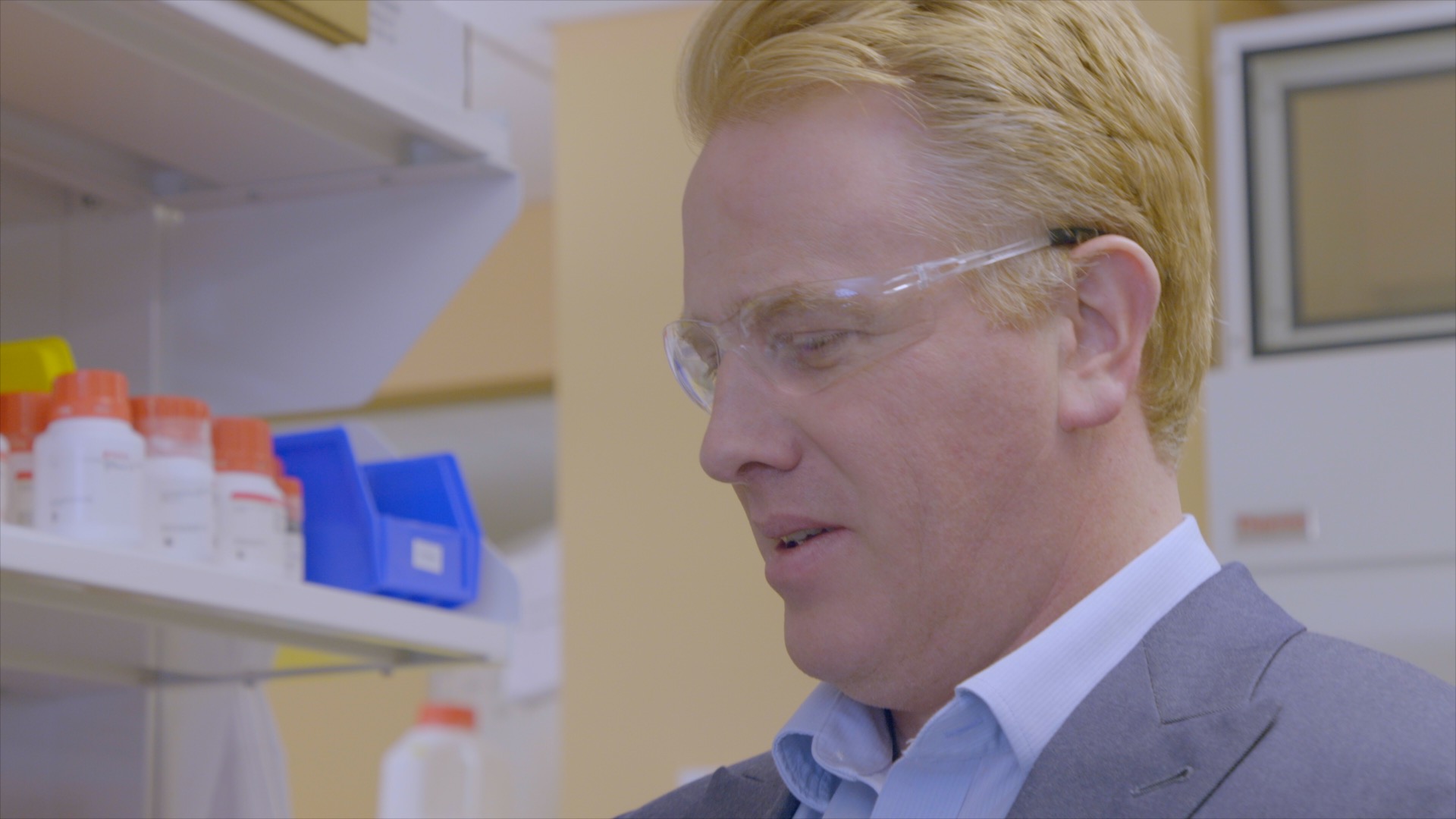
Hear Dr. Anderson talk about his research—and get introduced to many more Breakthrough T1D-supported researchers—by visiting our new site meet the Scientists. See how researchers are forging their own paths to help find cures and improve the lives of those living with T1D.
Funding beta cell replacement research is extremely important to Breakthrough T1D. Please consider donating today, to help push our progress forward toward T1D cures with your support.
Omnipod® producer Insulet announced today that it would expand its financial assistance program to those U.S. customers who had lost insurance in the wake of changes due to the coronavirus pandemic. For those who qualify, the company will provide a six-month supply (60 Pods) of product for free.
Those customers who might benefit must meet several financial criteria, including having lost their jobs and insurance because of COVID-19, and having not current coverage by Medicaid or any other insurance. The program expansion will run through December 31, 2020. Those seeking the financial support can contact the Insulet Customer Care team at 1 (800) 591-3455 and select Option 2 for assistance.
This step follows similar recent insulin cost-cutting measures instituted by Novo Nordisk and Eli Lilly and Company. Novo Nordisk has offered 90 days of free insulin to those who lost their jobs and insurance because of coronavirus. Eli Lilly and Company offered a co-pay card to anyone with, or without, insurance to purchase a one-month supply of insulin from the company for $35 or less during the pandemic.
Breakthrough T1D welcomes the efforts, but more is needed. Breakthrough T1D strongly urges other companies to follow suit, and provide assistance to those in need it. On top of concerns about coronavirus, no one should need to worry about having a steady supply of life-sustaining insulin.
Please visit our site for more information about how to manage type 1 diabetes during the COVID-19 pandemic, and take a look at other resources to help pay for insulin and other prescriptions.
Today, leading insulin manufacturer Novo Nordisk announced that it would offer 90 days of free insulin to those who lost their jobs and medical insurance because of the coronavirus pandemic.
The announcement comes just days after Eli Lilly and Company announced that it would provide a co-pay card letting anyone with or without commercial insurance to buy a month supply of Lilly insulin for $35 or less during the coronavirus pandemic.
Breakthrough T1D welcomes the efforts of both companies, while also urging that more needs to be done as too many families are struggling to pay for life-sustaining insulin.
Novo Nordisk’s announcement means that anyone who has lost health care coverage due to the pandemic may now be eligible for enrollment in the company’s Diabetes Patient Assistance Program and receive insulin free of charge for 90 days without providing proof of income.
More details can be found on the company’s site: NovoCare.com or by calling 1.844.NOVO4ME (668.6463).
For people with type 1 diabetes (T1D), insulin is a life-saving drug that no one should ever have to ration or go without. The economic repercussions of COVID-19 has put the health of too many people at risk, making insulin access and affordability more important than ever. And no one should die because they cannot afford insulin.
Breakthrough T1D will continue to fight until we have long-term solutions that make out-of-pocket insulin costs low and predictable so that people with T1D have affordable access to the insulin they need to stay as healthy as possible while we work urgently to develop cures.
Breakthrough T1D provides information and resources at breakthrought1d.org/t1d-resources/insurance/help-with-prescription-costs/ to help people access and pay for insulin and other prescriptions.
Quite quickly, the coronavirus pandemic has disrupted daily life, jolted perspectives and could very well change how we work and interact with each other for a long time to come.
But what has the impact been inside research labs, where Breakthrough T1D-funded scientists have been driving hard and fast to deliver cures for type 1 diabetes (T1D) and improve lives?
The fact that COVID-19 is here doesn’t change anything about the need to continue the momentum for T1D.
In short: research continues, as does the fight to cure T1D.
“The fact that COVID-19 is here doesn’t change anything about the need to continue the momentum for T1D,” said Mark Poznansky, M.D., Ph.D., Director of the Vaccine and Immunotherapy Center at Massachusetts General Hospital. He also is a researcher and attending physician for general and transplant infectious diseases.
“Nothing has changed from that point of view,” he said. “We must continue to think about and work where possible on a cure for T1D.” Around the world, researchers echo Dr. Poznansky’s commitment.
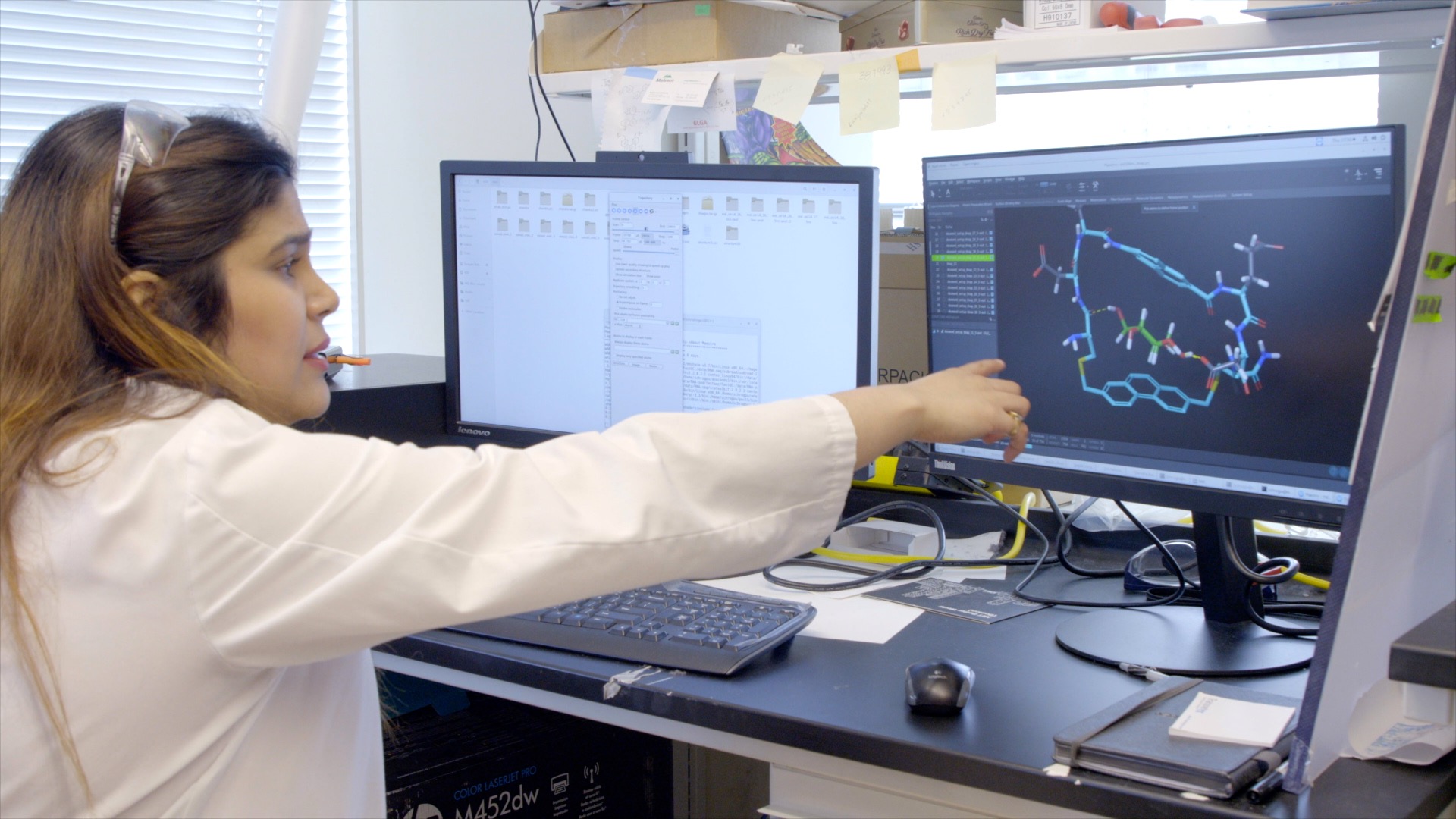
Work processes are changed and some slowed, but research continues.
At Massachusetts Institute of Technology, teams have shifted their focus to critical projects that can be done remotely. “We have currently prioritized our work on designing computational modeling experiments, literature research and learning new techniques online,” said Chandrabali Bhattacharya, Ph.D., an MIT postdoctoral fellow. “We are also working on manuscripts.”
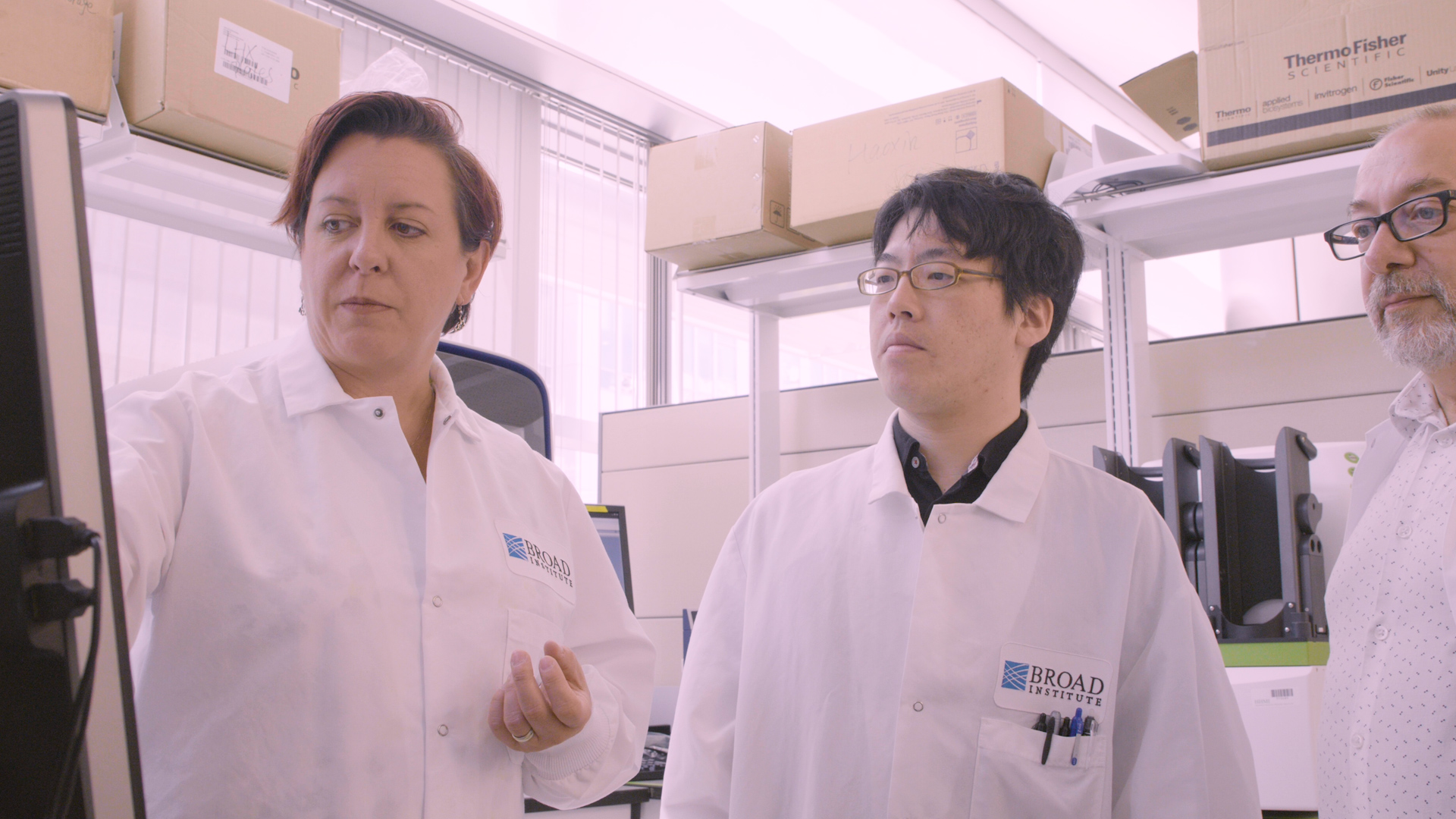
Other researchers are focusing on analyzing data sets, writing up methods and re-ranking their upcoming experiments in order of relative importance. “This period of reflection and study is really important. I view it as a great opportunity to develop new ideas and refine existing ones,” said Bridget Wagner, Ph.D., scientist at the Broad Institute in Boston.
Josephine Forbes, Ph.D., honorary professor at Mater Research in Australia, says most researchers are part of larger global teams, and this is a good time for those teams to coordinate by evaluating projects and their associated findings. She also notes the number of other tasks that researchers can focus on. “In research there is ALWAYS reams of paperwork, data analyses, training updates and reading of others work, which usually get squeezed into the wee hours of the morning. Time to get that all done!”
Bastiaan de Galan, M.D., Ph.D., assistant professor at the Radboud University Medical Center in the Netherlands, is busy reorganizing his work so that when he can return to the lab, he can hit the ground running. “Diabetes research is facing delays, but we will pick it up once the pandemic is under control and double the pace to catch up.”
A few labs remain open for T1D-related work.
Dr. Poznansky said emergency exemptions are keeping some labs open, including those that work with animals and insulin-producing cells. The welfare and potential loss of experimental animals made the research too critical to halt. “We were allowed to continue several animal experiments with extended time points. It was important not to lose that long-term data.”
Kathrin Maedler, Ph.D., of the University of Bremen in Germany, said she is able to access labs for the same reason. “[They] understood that animal experiments cannot just close down, and therefore my team is allowed with a special permission to enter the building and continue animal care and research. Thus, luckily, our research is not so much affected by the lockdown.”
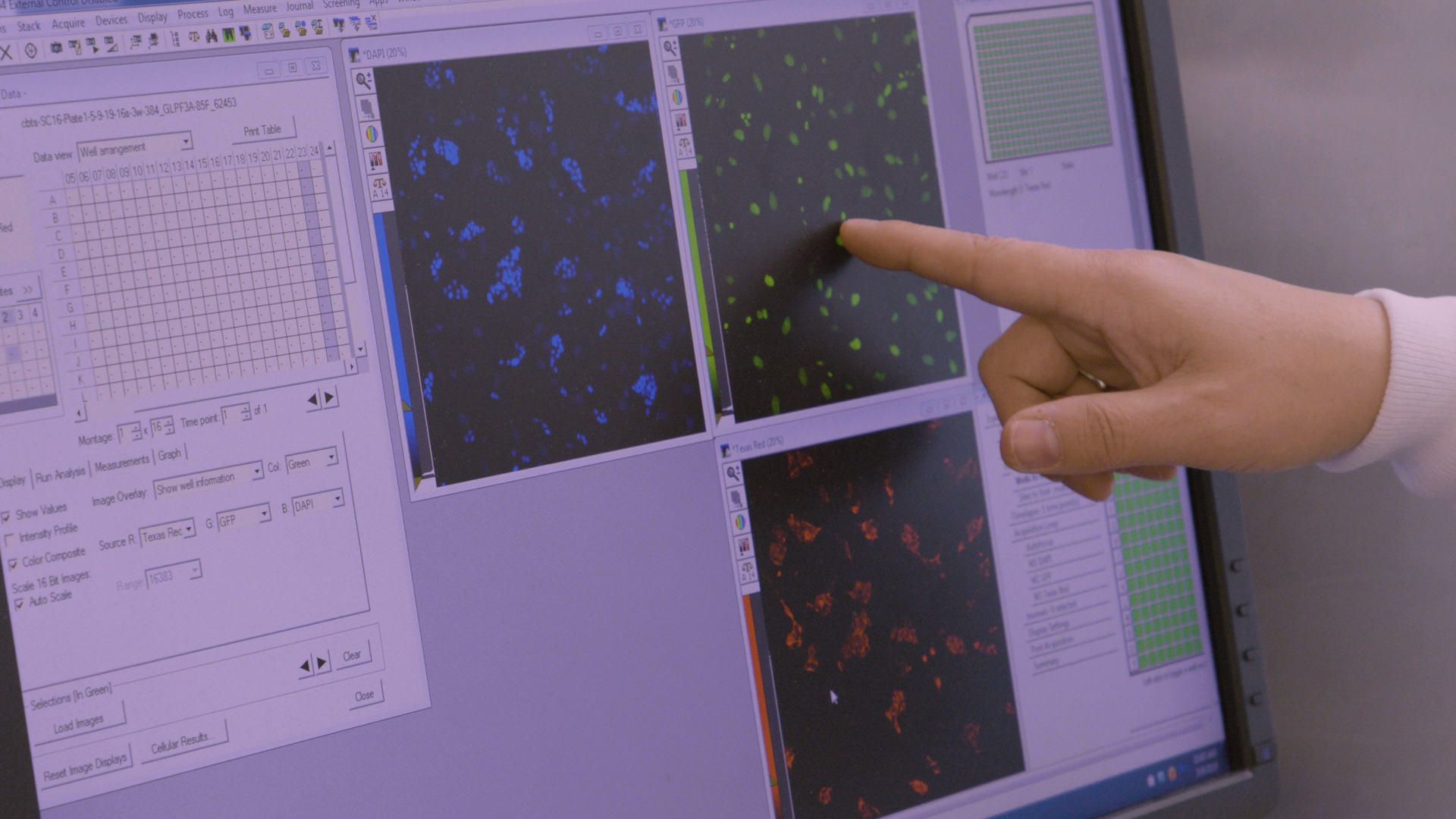
Some Breakthrough T1D-funded researchers have joined the fight against COVID-19.
Dr. Wagner said the Broad Institute was recently named a Massachusetts state reference lab for COVID-19 testing. Teams there are performing thousands of tests a day, so activity at the processing lab is extremely robust.
Breakthrough T1D-funded researcher Robert Langer, Sc.D said a company he co-founded, called Moderna, had been working on general coronavirus vaccines for some time. At the outset of this outbreak, the Moderna team quickly pivoted to include work on COVID-19. “We are working on stopping COVID-19 by various means. Moderna already has a vaccine in clinical trials,” said Langer, who also is a professor at the David H. Koch Institute at MIT.
Technology is helping everyone adapt and ensure work continues.
“MIT was very quick to respond and take measures implementing social distancing and later on shutting down to keep every one of us safe,” says Bhattacharya. “We are all adapting to the idea of working remotely.”
Riitta Lahesmaa, Ph.D., of the University of Turku in Finland says she meets with her team members more frequently to ensure that work continues to move forward as quickly as possible. “Meetings are frequent and arranged via videoconferences,” she said.
Technology has also enabled patient appointments to continue uninterrupted. Jennifer McVean, M.D., assistant professor at the University of Minnesota, says all of her recent patient appointments have been converted to virtual visits. “I am so thankful for diabetes technology, as patients can upload their devices at home and I can access their data remotely….Over 80% of outpatient clinical care has been shifted to telemedicine.”
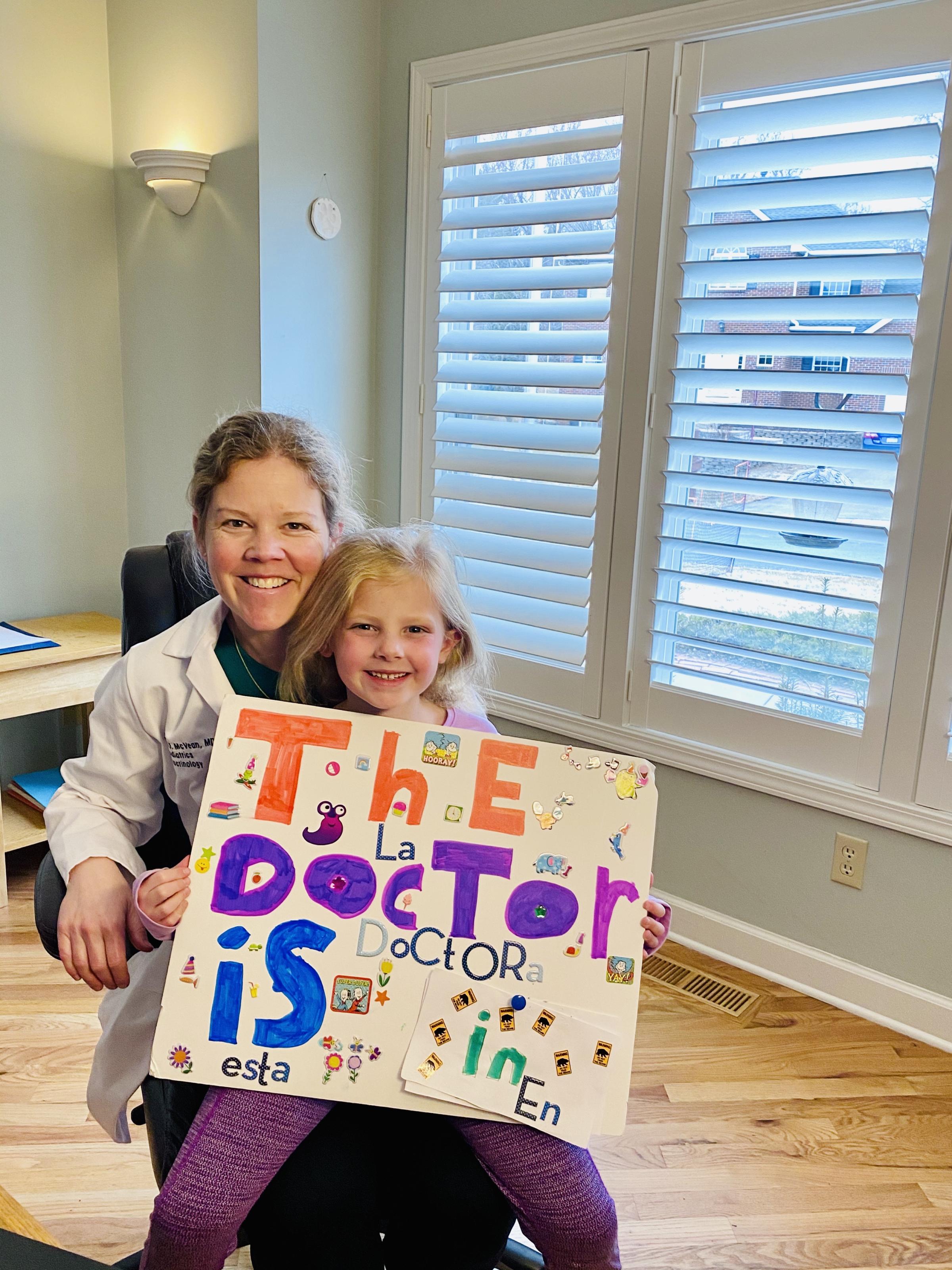
Jennifer McVean, M.D., who has lived with type 1 diabetes for 32 years, and her daughter, Elizabeth, in their “new” office.
A resilient spirit is indispensable right now.
Elad Sintov, Ph.D., a postdoctoral fellow at Harvard University, said he feels disarmed from his tools because he cannot access lab equipment. “As a person that had a mission, it’s easy to fall into frustration in these times, but when you have a goal and purpose—curing T1D—you can’t give up.”
“Research is important. We have a destiny; to find a cure for T1D,” says Dr. Maedler. “We have so many experiments running, and thanks to special permits the corona cannot stop us to do our research. It’s difficult, but we can do it.”
Perhaps Dr. McVean sums it up best: “T1D research is a marathon, not a sprint. Right now, we need to pause, stay at home, and stay safe and healthy. When we emerge on the other side of COVID-19, we will pick up the race to cure T1D with renewed energy and passion.”
Covid-19 has brought the entire planet into unprecedented times.
Thanks to technology, COVID-19 has not put the brakes on Breakthrough T1D’s support to the T1D Community and fulfilling our mission. With the help of technology, Breakthrough T1D is continuing to serve our community at the same pace and dedication.
Here are some of the key technologies Breakthrough T1D is using during this pandemic.
- Virtual Working: All of Breakthrough T1D employees are working remotely now. The transition to virtual working has been seamless due to the right technology Breakthrough T1D has put in place for its employees. During last year, as part of Breakthrough T1D’s Digital Transformation initiative, all Breakthrough T1D employees were provided with laptops, collaboration technology platforms (e.g. Microsoft TEAMS), productivity platforms (e.g. O365, OneDrive) and cybersecurity tools (e.g. Multi-Factor Authentication, 24×7 Cyber Monitoring).
- Move to Cloud-based Applications: Breakthrough T1D has transitioned all its legacy on-site business operations applications to the cloud (e.g., Financial systems, CRM, email, Datawarehouse moved to AWS/Azure). This has ensured business continuity even though all employees are remote now.
- Leveraging Digital Channels to Support the T1D Community: Breakthrough T1D has continuously updated its website to provide up to date COVID-19 information for the T1D community (https://www.breakthrought1d.org/coronavirus/). Breakthrough T1D internal intranet for employees (MyJDRF) has also been revamped to ensure staff are aware of the latest communications.
Breakthrough T1D will be continuously upgrading its technology to support and accelerate our T1D mission.
Sri Mishra
CTO, Breakthrough T1D
The questions came like a waterfall as Breakthrough T1D President and CEO Aaron J. Kowalski, Ph.D., hosted a Facebook Live event on April 3 with hundreds of members of the type 1 diabetes (T1D) community.
As he spoke, attendees used the “chat” feature to repeatedly ask: “Is he a type one?” Others chimed in quickly: “Yes!” Dr. Kowalski is Breakthrough T1D’s first president with T1D, diagnosed when he was 13. (His brother was diagnosed before him, at age 3.)
“The best piece of advice I received in managing my type one was from my parents, who told me and my brother: ‘You’ll be able to do everything your friends can do and more.’ They were right, don’t let it hold you back. You only live once.”
Dr. Kowalski talked about T1D research moving forward even as so many institutions have closed because of the coronavirus pandemic, how he plans to support research without Breakthrough T1D’s iconic large-crowd events and what the future of T1D research looks like.
He also answered a question that many on the chat said they thought he might avoid:
Why haven’t we cured type one diabetes?
“I am going to tackle this because what you will find with me as CEO of Breakthrough T1D is full transparency. I know that many supporters are frustrated. ‘Why is there not a cure yet. Should I believe you when you say we are making real progress?’”
The question was driven by a pledge made by Breakthrough T1D in the late 1990s that a cure for type 1 diabetes was just years away.
At the time, researchers where working on islet transplants, which took beta cells from a cadaver pancreas and implanted them in a person with T1D. Once transplanted, the islets were to begin producing insulin and regulating blood-glucose levels. The procedure was used mainly in cases of extreme and unpredictable blood-sugar swings and hypoglycemia.
“These islet transplants cured people with type 1 diabetes,” Dr. Kowalski said. “Two decades later, these people are still insulin free.”
The challenge, researchers quickly realized, was twofold. First, they did not have access to enough beta cells. In the last 20 years, about 5,000 islet transplants have been performed; yet 64,000 new T1D diagnoses are made every year in the United States alone. Second, the treatment needed ongoing immunosuppression medication for the new cells to be retained by the body. The ongoing use of immunosuppression medicines can lead to other medical issues.
“This was not a bait and switch. This was something that we believed was real—and it was—it just was not scalable. But believe me that we are working to make it scalable, and it will happen.”
Dr. Kowalski said scientists have been racing to solve both challenges, with Breakthrough T1D driving their research through funding, collaboration, and strategically bringing in new expertise and partners to tackle the problem.
How has research gotten us close to cures?
“We now have line of sight to address both of those barriers. We can now make insulin-producing cells from stem cells and that would allow for the supply and demand issue to be fully addressed,” Dr. Kowalski said.
In September 2019, a company long supported by Breakthrough T1D and working to mass produce insulin-making cells was bought by a major pharmaceutical leader. “They made a huge investment to make this work real.”
In addition, Dr. Kowalski pointed to a series of projects working to implant cells without the need for potentially harmful immunosuppressant drugs. He said research being done at the new Breakthrough T1D Center of Excellence at Northern California is forward reaching and groundbreaking in “working to cure type one diabetes with immune suppression-free cell transplants.”
How has COVID-19 impacted T1D research?
Work in T1D research continues, but the coronavirus pandemic has slowed some projects where researchers are not able to access labs, Dr. Kowalski said.
“In January, we were saying we are in real renaissance of research in terms of cures for type one diabetes, making real, tangible, specific progress….We were all coming together and moving fast. And now, here we are, seeing research slowing down because we can’t get into some of the labs. It’s hard. But one thing we know for certain: we are going to come out of this, it won’t last forever. We will come back, focus on our mission to cure type 1 diabetes.”
Why does Breakthrough T1D need to keep fundraising if research has slowed?
Regardless of what else is happening in the world, T1D does not stop, Dr. Kowalski said. And neither does T1D research or Breakthrough T1D’s support of the T1D community. Breakthrough T1D continues to support ongoing research, clinical trials, and plan for the coming months when all work resumes full speed.
In addition, the needs of the T1D community are not less, but more, because of COVID-19. He said Breakthrough T1D is working “round the clock” with other organizations to share accurate, clear messages and advice, and that Breakthrough T1D continues to advocate for the needs of the community—including ongoing medical coverage, affordable access to insulin, and availability of T1D supplies in hospitals facing extreme shortages during the pandemic.
How can you raise funds without in-person events?
Breakthrough T1D is transforming its walks, rides, and galas into virtual events, where people and teams still participate, but on their own instead of in a large group. Rather than connecting in person, they connect virtually through social media. Dr. Kowalski is joining two “virtual runs” and said Breakthrough T1D has hosted several successful virtual walks already, with more to come.
“Where people can, and are able to, we hope they will continue to support this mission so that we can cure type one diabetes for everyone.”
Having everyone at home pretty much all of the time can be a challenge–especially when you need to keep your kids engaged and active.
But thanks to digital technology and the generosity of organizations and artists also affected by what some now call the “coronatine,” it doesn’t have to be.
Below, some family-friendly (and free!) options to keep young minds and bodies active.
Coronatine Tips
1. Go wild with virtual zoo visits, safaris, and farm tours.
- Take a virtual trip to the San Diego Zoo with videos, stories, activities, and games on the zoo’s website.
- Go on safari, courtesy of the Cincinnati Zoo. Each day at 3 p.m. EDT, they do a “home safari” via Facebook Live focusing on a specific animal. Zookeepers personally answer your questions during the live demonstration. If you miss the live event, you can watch the recorded version later on the zoo’s website.
- A moo-moo here, a baa-baa there… Take a virtual tour of farms in Canada.
2. Go out of this world to explore the Red Planet … Or stay closer to home by visiting our National Parks.
- Budding Buzz Aldrins, Sally Rides—or even Elon Musks—can travel 140 million miles to Mars.
- Explorers of all ages can see the hidden worlds of five National Parks from the comfort of their own living rooms.
3. Get crafty with origami, doodling with a favorite kid’s illustrator, and projects that parents and kids can do together.
- Cranes, frogs, and dragons—oh my! Learn origami to create an Instagram-worthy paper menagerie.
- Learn to doodle with children’s author and illustrator Mo Willems, who teaches how-to’s about fan favorites Elephant, Piggie, and the Pidgeon.
- Learn to draw cartoons from Pittsburgh-based professional cartoonist, Joe Wos, who is providing a series of free, easy to follow, all-ages cartooning classes on YouTube.
- Pair up on some parent-kid projects with the Levenson ladies, a mother-daughter duo who do it all: coloring, drawing, painting, cooking, soap making, sewing, and other craft projects galore.
4. Get moving together to blow off some steam and stay in shape.
- Go Noodle YouTube videos let you and your kids get active and goof off with the Harlem Globetrotters, John Cena, and others.
- Namaste: Cosmic Kids Yoga and Mindfulness will bring everyone back to center.
5. Get intellectual with free educational materials designed to teach and test your mettle.
- The education company Scholastic is offering free “Learn at Home” courses for kids from pre-K to sixth grade and higher.
6. Go old school with tried and true activities from back in the day.
- When all else fails, you know you can count on low-tech options such as puzzles, board games, and even Mad Libs. Chances are, you’ll rediscover some childhood favorites while introducing them to your children.
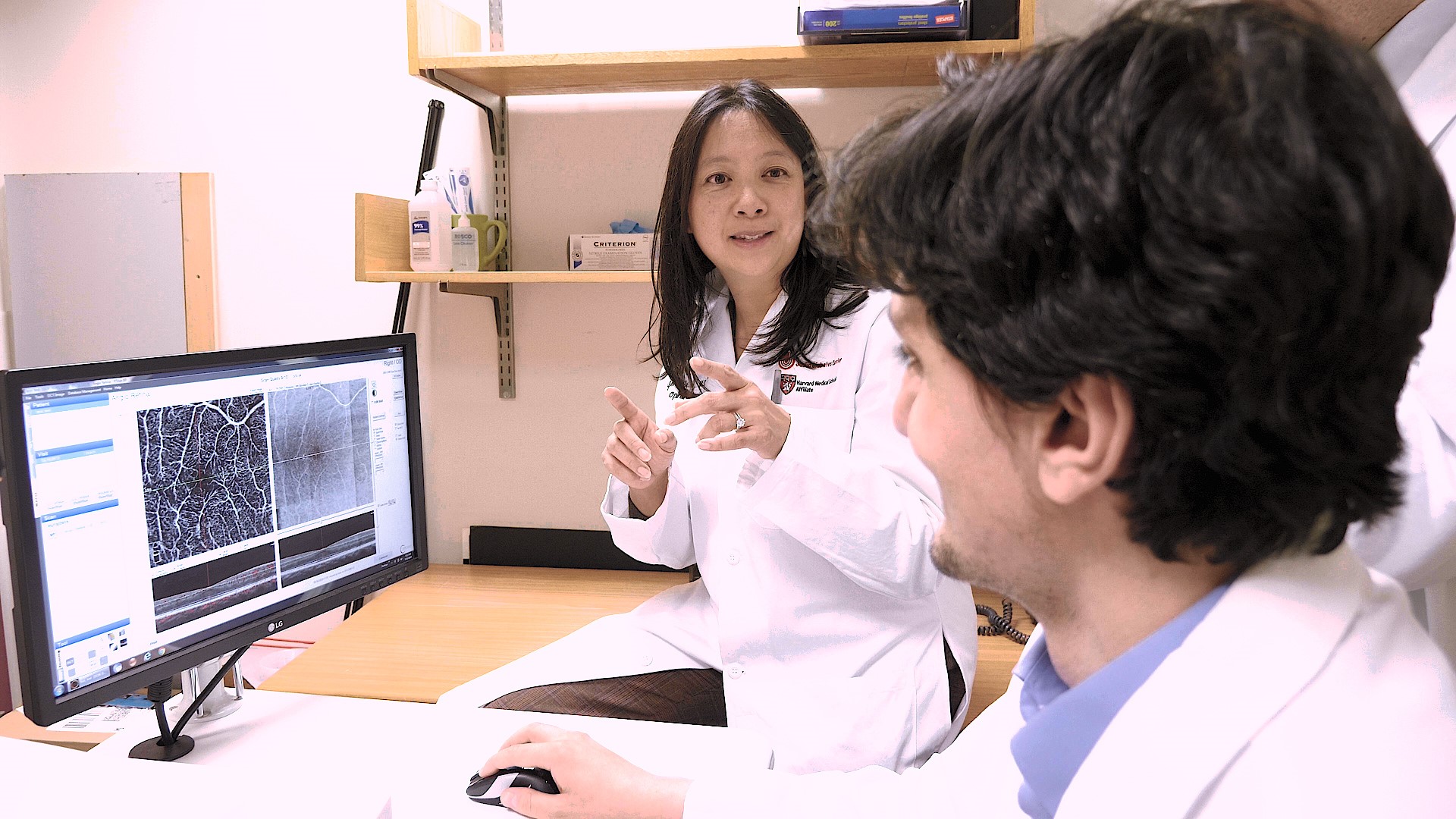
Several decades ago, type 1 diabetes (T1D) patients brought their seeing-eye dogs into the offices where Jennifer Sun, M.D., MPH., now works. The complications of T1D had severely compromised or cost the patients their eyesight.
Today, work led by Dr. Sun is changing all that.
We share Dr. Sun’s work as part of our Meet the Scientists series, but also in celebration of Women’s History Month and Save Your Vision Month.
Dr. Sun, is a surgeon at the Joslin Diabetes Center and an associate professor in the Harvard Department of Ophthalmology, and is one of the more than 400 researchers supported by Breakthrough T1D donors.
For 14 years, Dr. Sun focused on preventing diabetic eye disease and has helped advance physician’s ability to diagnose eye disease earlier and faster. That’s a critical focus for the future, as more than 90% of people with T1D develop diabetic eye disease within two decades of being diagnosed. With early diagnosis, doctors can create better outcomes and prevent vision loss.
Recently, multiple technologies have come together in a way that allows researchers to intervene earlier for people with diabetes, and identify the treatments that they need sooner. Instruments such as adaptive optic scanning and laser ophthalmoscopy are complex, but they help scientists look at tiny structures in the eye. Dr. Sun can see a person’s eye in minute detail. So precise is this technology that Sun can view a single cell passing through an ultra-fine capillary, which are the smallest blood vessels that supply nutrients to our eyes.
Dr. Sun thinks the next phase of research is to combine that kind of personal imaging data with electronic medical data that has been captured from many patients across thousands of clinics. By using artificial intelligence algorithms, researchers may be able to identify patients who need treatment earlier, and develop new therapies for them.
“What I hope is that the research projects I’m doing today, sometime down the road I’ll be able to look at them and say those made a difference in saving vision in our patients with T1D,” says Dr. Sun.
Get introduced to Breakthrough T1D grant recipient Dr. Sun. See how researchers are forging their own paths to help find cures and improve the lives of those living with T1D.
Ensuring eye complication research continues is extremely important to Breakthrough T1D. Please consider donating today, as we help those with T1D today and work to prevent future complications with your support.
I’ve just gotten back from the 12th Network for Pancreatic Organ Donors with Diabetes (nPOD) Annual Meeting, which was held February 23-26, 2020, and featured some of the most world-renowned diabetes investigators. nPOD is now the world’s largest tissue bank dedicated to the study of the human pancreas in type 1 diabetes (T1D), and the latest advances—using nPOD samples—were discussed, including:
- Martha Campbell-Thompson, DVM, Ph.D., of the University of Florida, found that in first-degree relatives, individuals have a smaller pancreas before they even test positive for autoantibodies. She posited, therefore, that T1D might be a pancreas disease rather than an autoimmune disease. (Mark Atkinson, Ph.D., executive director of nPOD and a professor at the University of Florida, stressed that we must be careful when considering a reclassification of T1D from what has been, for decades, thought of as an autoimmune disease. “This would be a monumental shift in thought,” he says.)
- Mark Mamula, Ph.D., of Yale University, asked, “Why should we care about proteins that are modified in the human body?” Because they are really important in autoimmune diseases! The good thing is that many of these modified proteins are reversible with therapy, but we have to know which proteins to target in T1D. Dr. Mamula has a new favorite modified protein that does not respond to glucose as efficiently as the non-modified version. (“It’s my favorite modified protein!” he said.) Next steps: Linking it to autoimmune pathways.
- Jeffrey Krischer, Ph.D., of the University of South Florida, and Rick Lloyd, Ph.D., from Baylor College of Medicine, gave an update on the TEDDY (The Environmental Determinants of Diabetes in the Young) study. They screened 435,000 infants, and then enrolled more than 8,500 of those people based on genetic risk for T1D. They followed the enrolled participants until age 15. A gene called HLA determined the first autoantibody to appear: If it’s the HLA gene DR4-DQ8, they had the insulin autoantibody first; if it’s the HLA gene DR3, they develop the GAD autoantibody first. Dr. Lloyd briefed us on the association of enteroviruses in T1D risk, which triples the odds of insulin autoantibody conversion. Interestingly, adenovirus C—which can cause respiratory infection—had an inverse association with islet autoimmunity early in life.
- Jessica Dunne, Ph.D., senior director and head of the Prevention Program at Breakthrough T1D, gave an update on the partnership that Breakthrough T1D has with IBM, to apply world-class computing power to analyze years of global T1D data and identify factors leading to the onset in children. IBM harmonized more than 24,000 participants* and their 280,000 visits from geographically disparate and racially diverse populations. (“This was not an easy task,” Dr. Dunne said.) The one thing (that was iterated by almost all of the presentation speakers) was heterogeneity. T1D may have various processes driving the onset or progression of the disease, as well as responses to therapies. A preliminary analysis showed that age impacts progression to T1D, with younger children progressing much faster to this disease, and that HLA risk to T1D was important in single autoantibody positive individuals, but not in children with 2 or more autoantibodies. There will be much more on heterogeneity, and how this emerging concept can help create more personalized therapies, in the future.
Since being established in 2007 with a $7 million grant from Breakthrough T1D, nPOD has collected and processed more than 50,000 tissue samples from organ donors who had or were at increased risk for T1D. nPOD is conducting more than 250 studies to unlock the mysteries of the human pancreas.
You are helping us find ways to prevent, treat, and—one day—find cures for T1D.
*They took data from the following studies:
BABYDIAB (1989-), Germany
DAISY (Diabetes Autoimmunity Study in the Young) (1993-), Colorado, United States
DIPP (Type 1 Diabetes Prediction and Prevention) (1994-), Finland
DiPiS (Diabetes Prediction in Skåne) (2000-), Sweden
DEW-IT (Diabetes Evaluation in Washington) (2002-), Washington, United States
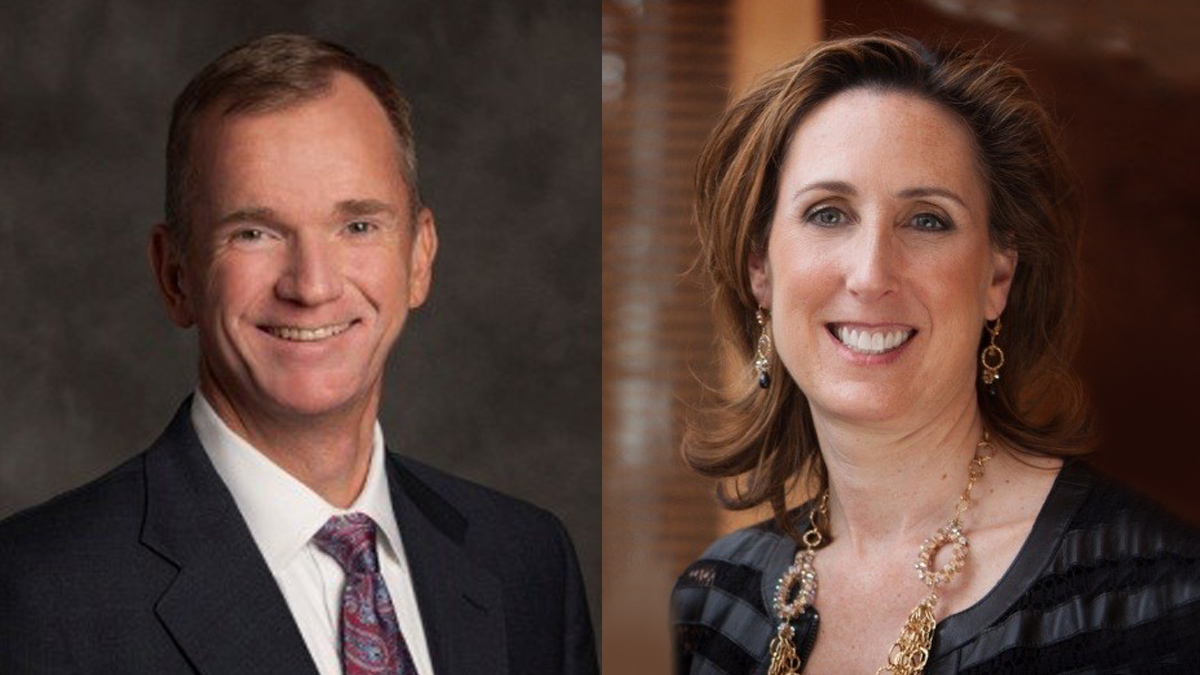
The Breakthrough T1D International Board of Directors (IBOD) named two long-time volunteers to serve as Chair and Vice Chair when current board leaders end their two-year terms on July 1.
Joseph P. Lacher, Jr., who is President and Chief Executive Officer of Kemper Corporation, will serve as Breakthrough T1D Chair, succeeding current Chair Ellen Leake. Joe is a long-time Breakthrough T1D volunteer who was diagnosed with type 1 diabetes (T1D) while in college and has two adult sons who were diagnosed as children.
Previously, Joe served as Illinois Chapter Board President and has held several roles with the Breakthrough T1D International Board of Directors, including serving on the Talent and Compensation Committee and Funding Committee. The year Joe and his family served as the “Fund a Cure Family” for the Illinois gala. The chapter raised a record-setting $7 million.
“My life and that of both of my sons are so much better because of the work Breakthrough T1D does every day,” Joe said. “It has been a humbling experience to be a part of this organization, and I am honored to take on this new role as IBOD Chair to help Breakthrough T1D accelerate the development of cures for our community.”
Lisa Fishbone Wallack, a former attorney and passionate community fundraiser, will serve as Vice Chair, succeeding current Vice Chair Jeff Plumer. Lisa has been part of the Breakthrough T1D family her entire life, as her parents began volunteering after her brother was diagnosed at 18 months. In the 1980s, her father served as IBOD Chair. Lisa’s involvement increased when her son was diagnosed at age 5.
Lisa has served as New England Chapter President and held two terms as Board member. She also served as Co-Chair of Breakthrough T1D’s Leadership Giving Working Group.
“Breakthrough T1D has been part of my family for as long as I can remember,” Wallack said. “The progress we have made in the past 50 years is inspiring, with significant improvements in the quality of life for those living with type 1 diabetes and profound new understanding about the disease. I am confident that together, we can drive the ongoing progress needed to achieve our ultimate goal of curing and preventing type 1 diabetes.”
IBOD is the governing body for Breakthrough T1D, the leading global organization funding type type 1 diabetes research and the driver behind nearly every major advance—drug, device, cell therapy—made in T1D in the last 50 years.
“The appointment of these two highly successful and dedicated leaders speaks to the depth of talent and passion we have at Breakthrough T1D,” said Breakthrough T1D President and CEO Aaron J. Kowalski, Ph.D. “We know that with their extraordinary experience and commitment, Breakthrough T1D will accelerate our race to find cures for this disease.”
Under Ellen and Jeff’s leadership, Breakthrough T1D transformed its governance model, moving from a 35-member board to one with up to 15 members, each selected for key leadership strengths with the aim of creating an IBOD that is laser-focused on purpose, efficiency and higher impact. They also led the selection of Breakthrough T1D’s new President and CEO, Aaron J. Kowalski, Ph.D., and the creation of a new Global Mission Board aimed at tapping the unique talents of Breakthrough T1D volunteers to accelerate work on the Breakthrough T1D mission.

