
School nurses are essential to a child’s type 1 diabetes (T1D) care plan, particularly in elementary and middle school. At Woodward Academy in Atlanta, GA, that person is Nurse Whyte.
Part of the family
Mary Raine Whyte, CCRN, CDCES, is a middle school nurse at Woodward Academy. The incredible impact she has made on many T1D families in her 25-year tenure has not gone unnoticed.
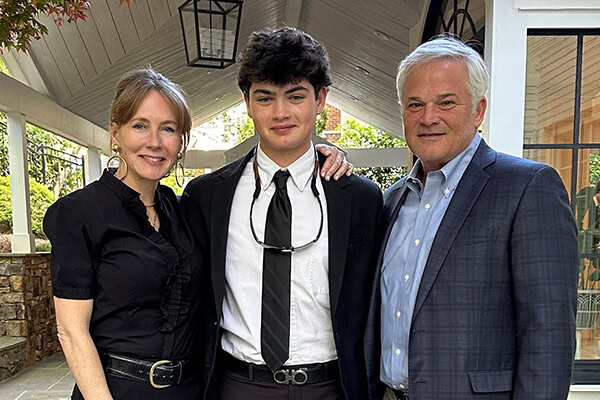
“Nurse Whyte was my favorite nurse,” said Bobby Klumok, now a high schooler. “She kept me safe and allowed me to perform at my academic best.”
Bobby’s mom, Lisa, agrees. “No other nurse compared to Nurse Whyte! She not only took care of those with T1D, but taught the teachers about it and explained the academic issues of high and low blood sugar,” she said.

For Monica Hayes, Nurse Whyte was more than a staff member. “Nurse Whyte immediately became a part of our family,” Monica said. “She attends many local T1D events and continues to connect families, best practices, and experiences.”
Monica’s daughter, Taylor, recognizes how beneficial it was to have such an involved nurse when she was in middle school. “School nurses are another set of eyes for parents,” she said. “They make us feel comfortable being away from them.”
Support from day one
After a child is diagnosed with type 1 diabetes, the return to school is often nerve-wracking and overwhelming for parents. School nurses provide essential support when families are at their most vulnerable.
“I sit them down, allow them to grieve, and just tell them it’s going to be okay,” Whyte said. “I also try to get them aligned with another T1D parent. That support is pivotal.”
School nurses also focus on managing a child’s T1D so that their school day is like everyone else’s. “Being in school is about learning, growing, and being social with friends,” said Kelly Alladina, RN, CDCES. “School nurses help with diabetes management so students can focus on school—not their T1D.”
More than band-aids and cough drops
School nurses are responsible for promoting the health and well-being of everyone in the school community. “Being a school nurse is more than band-aids and cough drops,” Whyte said. “We administer first aid, emergency care and medications, conduct health assessments, manage chronic conditions like T1D, ensure immunization compliance, develop health promotion programs, and maintain accurate health records.”
And it doesn’t come without challenges—a lot of them.
“Many schools have thousands of kids under one roof, and the nurse can see hundreds of ‘patients’ daily,” Alladina said. “This can make it challenging to learn each disease state in depth, especially with changes in technology and treatment, in T1D and other conditions.”
There is also a need for more school nurses and substitutes, which leads to a high burnout rate among the profession. Despite this, many school nurses share a special bond with their T1D students, and Breakthrough T1D offers resources to make their job a little easier.
Breakthrough T1D champions school nurses
“There are many ways that Breakthrough T1D supports school nurses,” Alladina said. “Our chapters partner with school districts to provide resources and to make connections within the T1D community. Local Breakthrough T1D chapters also invite school nurses to participate in Walk and other events with their students!”
Nurse Whyte is grateful for Breakthrough T1D’s support and research initiatives. “Breakthrough T1D-funded research helps everyone living with type 1 diabetes, which makes my job easier and keeps kids in class longer. The technology Breakthrough T1D helped advance also allows students and parents to rest a little easier.”
Breakthrough T1D thanks all school nurses for their tireless efforts to ensure all children living with T1D are safe and healthy at school!
Editor’s note: The author would like to thank her son’s middle school nurse, Jody, for her support immediately following his diagnosis and for instilling in him confidence in managing his T1D.
When you’re cooking for someone with type 1 diabetes (T1D), whether that be yourself, a family member, or even a dinner guest, it can be challenging to find recipes that are healthy, carb-conscious, and tasty.
That’s why we asked our Breakthrough T1D community to submit their go-to type 1 diabetes recipes! We’ve compiled a collection of some of our favorites for everything from school lunches to last-minute dinners.
In each recipe, we’ve included estimates of carb counts. Counting carbs is an important part of diabetes management, but it can be tricky. Tools like Calorie King can be especially useful for figuring out how many carbs are in foods without a carb count listed.
Breakfast

Ingredients:
- 12 eggs (whisked and seasoned to taste)
- 1 medium onion (chopped)
- ½ pack (6 ounces) bacon
- 1 bell pepper, diced
- 2 cups cheese of your choice
- (optional) 1 cup ham cubes or slices cut in 1/2″ squares
Directions:
- Brown bacon until extra crispy in cast iron pan. Drain, but reserve 2 tablespoons bacon drippings in pan.
- Cook onions in bacon drippings until translucent.
- Combine eggs, pepper, ham, cooled bacon, cooled onions, and cheese. Add a few tablespoons of water.
- Pour egg mixture into cast iron pan and bake at 350°F for 25 minutes or until mixture is firm in the center and makes a dome shape in the pan.
Estimated carb count per serving: ~2g

Ingredients:
- 3 eggs, separated
- 3 tablespoons sugar
- 1 pinch kosher salt
- Finely grated zest of 1 large Meyer lemon
- 1 cup homemade ricotta (store-bought works fine)
- ½ cup all-purpose flour
- Low-sugar jam and/or sugar free maple syrup, for serving
Directions:
- In a bowl, whisk together the egg yolks, sugar, salt, lemon zest, ricotta, and flour.
- In another bowl, using an electric mixer on medium-high speed, or a whisk, beat the egg whites to medium-stiff peaks. Gently fold the egg whites into the ricotta mixture.
- Heat 2 non-stick or well-seasoned frying pans over medium heat. Add a bit of butter to the pans, enough to coat the bottom.
- Dollop heaping tablespoonfuls of the pancake batter into the pans, leaving a bit of space in between each pancake. You should be able to fit 3 or 4 pancakes into each pan, depending upon how large your pan is.
- Cook for about 1 minute, until the bottom is golden brown. Carefully flip the pancake to brown the other side, and cook until the pancake is cooked throughout, another minute or so.
- Makes 8 pancakes.
Estimated carb count per pancake: ~12g
Lunch, dinner, and sides
Ingredients:
- 1/2 head Cabbage, thinly chopped 1 cup Broccoli, chopped
- 1 cup Carrot, shredded
- 1 Bell pepper , chopped
- 2 tablespoon Avocado oil
- 1 Onion
- 2 Garlic cloves, minced 1 tablespoon Thyme
- 1 cup low sodium vegetable broth
- 2 teaspoon Pepper
- 1/2 teaspoon of smoked paprika 1 teaspoon of chili powder
- 1 tablespoon of garlic powder 1 tablespoon onion powder
- pinch of cayenne pepper (optional) cooked White or brown rice
- 3 tablespoons of soy sauce
Directions:
- Add the avocado oil to the skillet on medium high then saute the onion, garlic and thyme until tender
- Season with half of the cayenne pepper, smoked paprika, chili powder, garlic powder and onion powder
- Add the carrots, broccoli, cabbage, and bell pepper and fold into the pan
- Add the vegetable stock to the skillet, Season with the other half of the cayenne pepper, smoked paprika, chili powder, garlic powder and onion powder
- Cover and steam for 15 minutes
- Once vegetables are semi-soft, add soy sauce and choice of rice. Stir and combine until evenly distributed among all vegetables. Enjoy!
Estimated carb count per serving: ~30g

Ingredients:
- 9 lasagna noodles (boiled for 6 minutes)
- 2 cups cooked cubed chicken
- 15 ounces low-fat ricotta cheese
- 10 ounces chopped spinach, thawed and squeezed
- 1 egg, beaten well
- ½ cup parmesan cheese
- ¼ tablespoon Italian seasoning
- ¼ tablespoon minced garlic
- 2 ¼ cups prepared Marinara sauce
Directions:
- Preheat oven to 350°F.
- Coat the bottom of a 13 x 9 pan with ¼ cup of marinara sauce.
- Combine ingredients (minus noodles and sauce) in a large bowl.
- Place boiled noodles flat on waxed paper to dry.
- Once dry, lie noodles in the pan.
- Divide combined ingredients equally onto noodles.
- Roll noodles and cover with remaining sauce.
- Cover with foil and bake for 45 minutes.
Estimated carb count per serving: ~16g

Ingredients:
- 3 tablespoons reduced-sodium soy sauce or tamari
- 2 teaspoons sugar
- 2 teaspoons sesame oil
- 1 teaspoon Thai chili sauce (optional)
- 1 pound lean ground turkey
- 1 celery rib, chopped
- 1 tablespoon minced fresh ginger root
- 1 garlic clove, minced
- 1 can (8 ounces) water chestnuts, drained and chopped
- 1 medium carrot, shredded
- 2 cups cooked brown rice
- 8 Bibb or Boston lettuce leaves
- 1 lime (optional)
Directions:
- In a small bowl, whisk soy sauce, sugar, sesame oil and, if desired, chili sauce until blended.
- In a large skillet, cook turkey and celery 6-9 minutes or until turkey is no longer pink, breaking up turkey into crumbles; drain.
- Add ginger and garlic to turkey; cook 2 minutes.
- Stir in soy sauce mixture, water chestnuts and carrot; cook 2 minutes longer.
- Stir in rice; heat through.
- Serve in lettuce leaves.
- Tip: Squeeze some fresh lime over the cups to add some acid!
Estimated carb count per serving: ~17g per wrap
Ingredients:
- 1 red onion, chopped
- 1 pint cherry tomatoes, sliced in halves
- 1 avocado, pitted and cut into 1/4 inch pieces
- 1 can of black beans, drained and rinsed
- 1 can of fresh cut, whole kernel corn, drained
- Oil and balsamic vinegar to taste
- Ground black pepper to taste
- 1 pinch of salt
Directions:
Combine/mix all ingredients in a bowl. Serves six as a side dish. Double all ingredients to serve 12. Keeps well refrigerated for a day, travels well. Enjoy!
Estimated carb count per serving: ~15g
Contributed by Francesca Lito
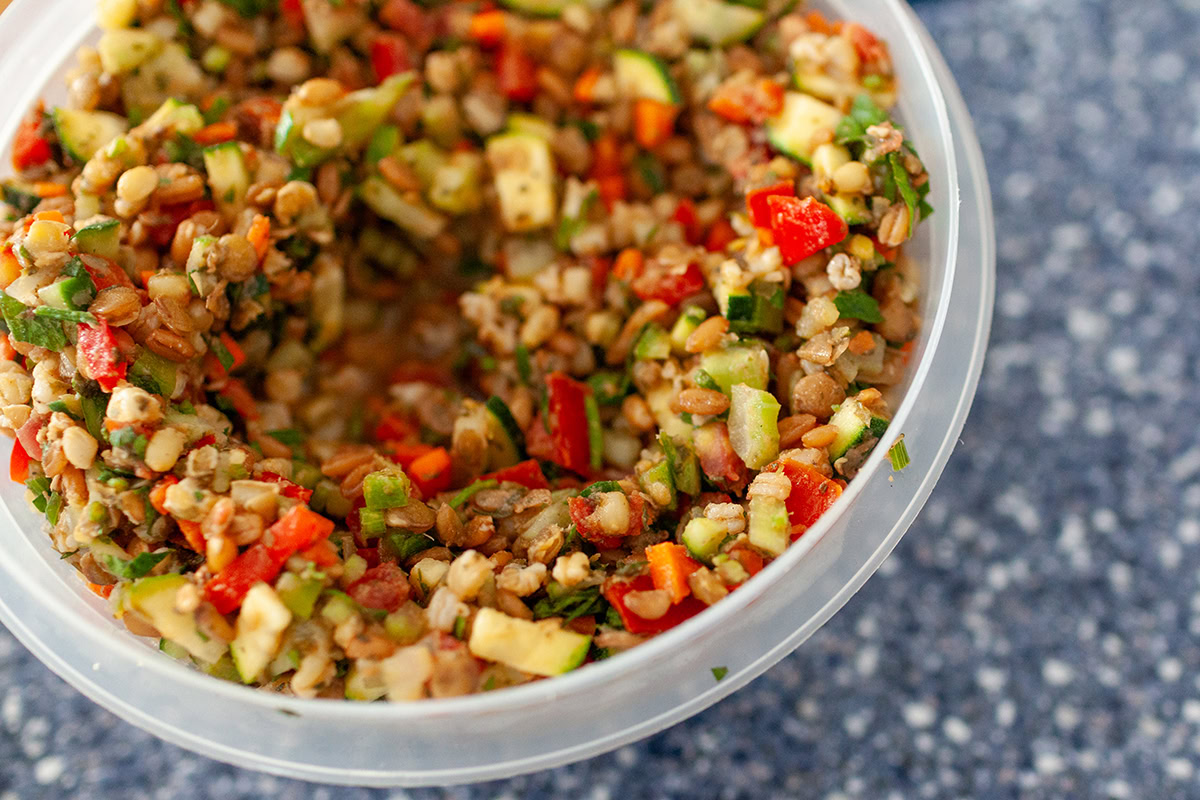
Ingredients for the salad:
- 1 cup dry green lentils
- 1 English cucumber, chopped
- 1 cup cherry tomatoes, halved
- ½ red onion, diced
- ½ cup fresh mint, chopped
- 1 can hearts of palm, chopped
Ingredients for the dressing:
- 1/3 cup olive oil
- 2 limes, juiced
- 2 cloves garlic, mashed
- 1 tablespoon Dijon mustard
- 1½ teaspoons sea salt
- 1 teaspoon ground black pepper
Directions:
Start by preparing your lentils; rinse and drain your lentils thoroughly, then add them to a saucepan with three cups of water and a generous pinch of sea salt. Bring the lentils to a boil, then once they’re boiling, cover the pan, reduce the heat to “low”, and let your lentils simmer for about 25 minutes. While your lentils are simmering, prepare the rest of your salad. Wash and chop your cucumber, tomatoes, red onion, hearts of palm, and mint, and set them aside. Then, in a separate bowl, add all of your dressing ingredients together and whisk them to combine. Taste and adjust salt and pepper levels as needed / desired.
Once your lentils are finished, strain the water from them and rinse them with cold water to cool. Then, add your cooled lentils to a large bowl along with the rest of your vegetables. Finally, pour your dressing on top and toss to fully combine. Once your salad is done, serve it right away, or store any leftovers in an airtight container, in the fridge, for up to one week. Enjoy!
Estimated carb count per serving: ~10g
Contributed by Jill Waller

Ingredients:
- 2 medium zucchini, sliced 1/4″ thick
- 2 medium yellow squash, sliced 1/4″ thick
- 2 medium eggplant, sliced 1/4″ thick
- 2-3 tablespoons olive oil
- 1-2 large tomatoes sliced 1/4″ thick
- 1 cup cherry tomatoes, halved
- 2 balls fresh mozzarella cheese (or more, if you’d like!)
- 2 tablespoons aged balsamic vinegar
- 4-5 leaves fresh basil, chopped
- Salt and pepper, to taste
Directions:
Heat the grill to a medium heat.
Brush the zucchini, squash, and eggplant with the olive oil and sprinkle lightly with salt and pepper. Grill for 4-5 minutes on the first side before flipping them and grilling for an additional 2-3 minutes on the other side until slightly softened. Transfer the grilled vegetables to a sheet pan to rest.
Slice the mozzarella into 1/4″ slices. Use a large plate or platter to layer the grilled veggies, tomatoes, and mozarella. Sprinkle chopped basil on top. Drizzle with balsamic vinegar and olive oil. Sprinkle with additional salt and pepper, if desired. Serve at room temperature or slightly chilled.
Estimated carb count per serving: ~10g
Ingredients:
- 1lb (one box) of bowtie pasta (or other shape)
- 3 stalks of celery chopped
- 1/2 yellow onion finely diced
- 1 cucumber, seeded, chopped
- 1 cup light mayo
- 2 tsp white vinegar
- 1 tsp sugar
- 1 tsp celery seed
- 1/4 tsp ground mustard
- 1/4 tsp salt
- 1/4 tsp ground black pepper
Directions:
Cook pasta until al dente; drain. Whisk mayo, vinegar, and seasonings together in a bowl. Combine cooked pasta with chopped vegetables. Add dressing and mix until pasta and veggies evenly coated with dressing. Cover bowl and refrigerate to let flavors develop. Toss/stir again before serving.
Estimated carb count per serving: ~40g
Contributed by Amanda Gottleib
Ingredients:
- 1 ½ head of cauliflower, chopped (bite-sized pieces) and cooked
- 4 hard-boiled eggs, diced
- 1/3 onion, chopped
- 1 cup mayonnaise
- 2 tablespoons mustard
- 2 tablespoons dill relish
- ½ teaspoon freshly-ground pepper
- ½ teaspoon fresly-ground sea salt
- 1 green onion, chopped (optional)
Directions:
- Prepare the ingredients as directed above (chop, dice, etc.).
- Whisk together mayo and other seasonings to make dressing.
- Combine cauliflower, onion, relish. Add dressing.
- Toss to combine/coat evenly.
- Cover bowl. Refrigerate overnight to allow flavors to mesh. Serve cold.
Estimated carb count per serving: ~5g
Contributed by Jo Metcalf
Ingredients:
- 1 teaspoon finely grated lemon zest
- 1/3 cup lemon juice
- 3 tablespoons extra-virgin olive oil
- 2 tablespoons packed fresh oregano, minced
- 2 tablespoons packed fresh sage, minced
- 2 tablespoons minced fresh chives
- 1 teaspoon freshly ground pepper
- 1/2 teaspoon salt
- 2 15-ounce cans cannellini beans, rinsed
- 12 cherry tomatoes, quartered
- 1 cup finely diced celery
- 24 raw shrimp (21-25 per pound), peeled and deveined
Directions:
- Combine the first 8 ingredients in a large bowl. Reserve 2 tablespoons. Add beans, tomatoes and celery to the large bowl of dressing; toss well.
- Preheat grill to medium-high or place a grill pan over medium-high heat until hot.
- Thread shrimp onto 6 skewers.
- Oil the grill rack or the grill pan. Grill the shrimp until pink and firm, turning once, about 4 minutes total. Serve the shrimp on the white bean salad, drizzled the shrimp with the 2 tablespoons of dressing before serving.
Estimated carb count per serving: ~18g
Ingredients:
- 6 cups chopped fresh broccoli
- 1 package bacon, cooked and crumbled
- 1 cup golden raisins
- ½ chopped onion
- 1 cup sunflower seeds
- 1 cup mayonnaise
- ¼ cup sugar substitute (erythritol or Stevia)
- 2 tablespoons white wine vinegar (or plain white vinegar)
Directions:
In a medium mixing bowl, whisk together mayonnaise, sugar substitute, and vinegar to make the dressing. In a large mixing bowl, combine broccoli, cooked bacon, chopped onion, raisins, and sunflower seeds. Pour dressing over the broccoli mixture, toss/stir to coat dry ingredients with dressing. Refrigerate until ready to serve.
Pro Tip: This salad tastes better after the flavors have time to meld for a few hours.
Estimated carb count per serving: ~18g
Contributed by Pat Goldstein
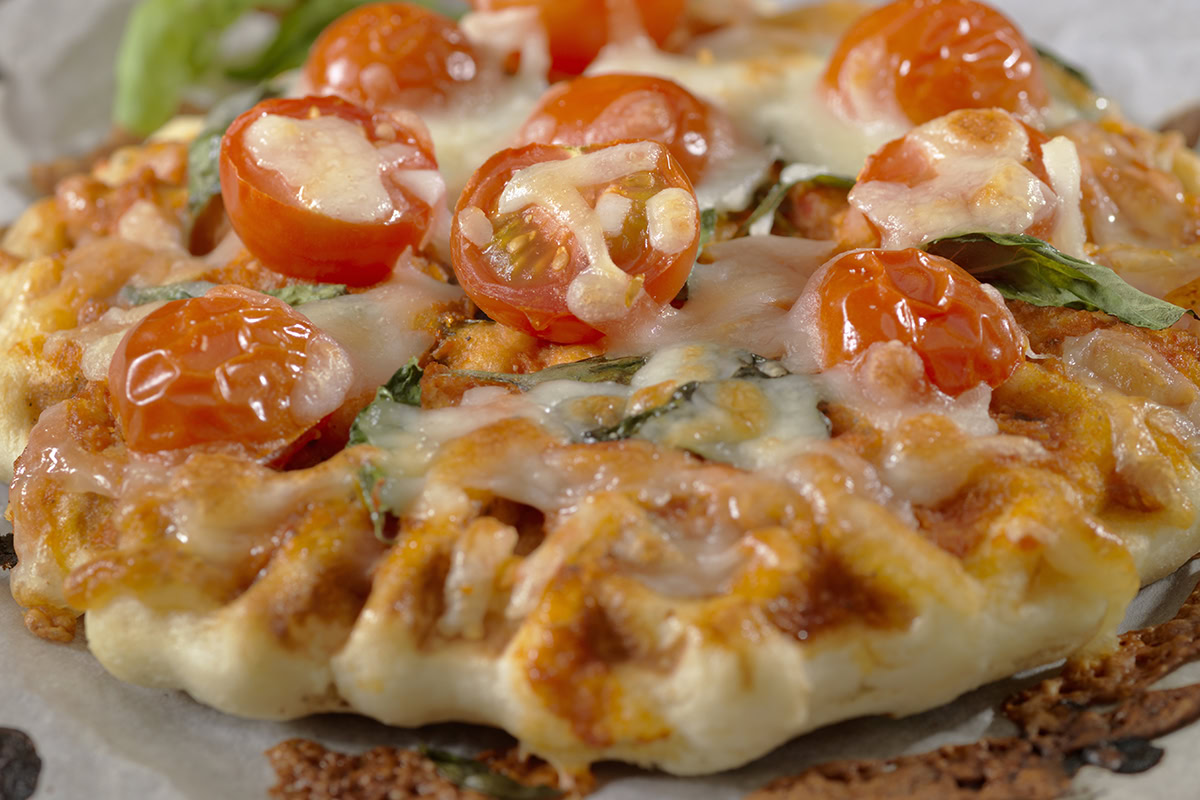
What’s a chaffle? A cheese and egg waffle!
Ingredients:
- 1 cup grated mozzarella cheese
- 2 eggs
- ½ teaspoon baking powder
- Desired pizza toppings (sauce, cheese, veggies, meat, etc.)
Directions:
Spray waffle iron with high-heat, non-stick cooking spray. Heat waffle iron. Mix mozzarella cheese, eggs, and baking powder until blended. Pour mixture into waffle iron. Bake on one cycle or for 5 minutes. Remove from iron. Add toppings.
Estimated carb count per serving: ~3g (without toppings)
Contributed by Julia Orlicky
Ingredients:
- 2 tablespoons avocado oil
- ½ onion, sliced
- 2 cloves garlic, minced
- 1/4 tsp red pepper flakes
- 1 tbsp curry powder
- ½ tsp cumin
- 2 sprigs thyme
- 1 can of crushed tomatoes
- ¼ can unsweetened coconut milk
- 1 lb. of chicken breast, diced
- Salt and pepper to taste
- Chopped fresh cilantro and lime wedges
- for garnish
- Naan bread or rice to serve (optional)
Directions:
- In a large pot, heat oil over medium-low.
- Add the sliced onion, garlic, and crushed red pepper to the pot. Cook stirring occasionally until the onion is softened and deep golden, about 15 minutes.
- Increase the heat to medium. Add curry powder and cumin until toasted, about 1 minute. Add crushed tomatoes and gently scrape the pan to release the onions and spices.
- Pour in coconut milk and add chicken to the pot. Stir and reduce to low heat. Let simmer until the sauce is slightly thickened and chicken is cooked through stirring occasionally. Adjust seasonings as necessary.
- Garnish with cilantro and lime wedges over rice or with naan.
- Enjoy!
Serving size: 4 oz. or ½ cup | Carbohydrates: 7 g
Ingredients:
- 1 large cassava tuber (yuca)
- 1 green plantain
- ½ cup water
You can also use cassava flour instead of cassava tuber (2 cups of cassava flour and 4½ cups of water)
Directions:
- Peel, then dice the cassava and plantain into small pieces. Transfer to a blender, add ¼ cup of water and blend until smooth. Add more water as needed. Blend into a smooth consistency.
- Pour the mixture into a pot and cook over medium heat. Use a wooden spoon to stir the fufu rapidly and continuously.
- The fufu will start to thicken as it cooks. Continue stirring for about 15-20 minutes or until the fufu is cooked through and has a smooth, solid consistency.
- Remove the pot from the heat and scoop it into individual servings.
- Enjoy!
Serving size: ½ cup. Serves 4. | Carbohydrates: 45 g
Ingredients:
- 4-6 cups of low sodium broth
- 1 cup of carrots
- 2-3 cloves of garlic, minced
- Olive oil
- 1 Tbsp seedless jalapeno pepper, minced
- 2 cups of collard greens, shredded
- 1 cup of lima beans
- 1 can of diced tomatoes
- Red pepper flakes
- 1-2 tsps of garlic powder
- ½ Tbsp rosemary
- 2 tsps thyme
- 1 Tbsp low sodium all-purpose seasoning
- 2-3 basil leaves
Directions:
- Sauté minced garlic with olive oil on medium-high heat.
- Add carrots and jalapeno pepper, and sauté until soft.
- Add diced tomatoes, all-purpose seasoning, and garlic powder.
- Add collard greens, and lima beans cook until soft and wilted down.
- Once all vegetables are soft, add broth.
- Add basil leaves, red pepper flakes, rosemary, and thyme.
- Simmer for 20-30 minutes.
- Enjoy!
Serving size: 1 cup | Carbohydrates: 11 g
Desserts
Ingredients:
Berry Filling
- 4 cups of black and blueberries (fresh)
- 1/2 c applesauce
- 2 Tbsp oats (grounded)
Crunchy Crust
- 1/2 cup oats (grounded)
- 1 cup oats (whole)
- 1/2 cup light brown sugar
- 1/2 tsp cinnamon
- 1/4 tsp salt
- 1/2 cup unsalted butter broken into small pieces
Directions:
- Preheat oven to 375°F
- Prepare a 9×9 in. baking pan using unsalted butter to coat the bottom
- Make filling by rinsing and draining berries
- In a small bowl, mix applesauce and oats until smooth
- Pour on top of berries evenly To make crust mix ground oats, brown sugar, butter, cinnamon,
- and salt in a using pastry cutter Add whole oats into mixture
- Sprinkle mixture on berries Bake for 30 minutes until golden brown.
Estimated carb count per serving: ~35g

Ingredients:
- ¼ cup brown sugar or coconut sugar
- 2 tablespoons butter
- 2 teaspoons vanilla
- 1 egg
- 2 cups almond flour
- ½ tablespoon baking soda
- ¼ tablespoon salt
- ⅓ cup chocolate chips
Directions:
Preheat oven to 350°F.
Mix ingredients in a large bowl. Make ~24 small cookies on a non-stick cookie sheet.
Bake for 10-12 minutes until golden brown. Let cool and serve.
Estimated carb count per serving: ~4g
Contributed by JoAnn Kjep
Ingredients:
- 2 cups creamy almond butter
- 1½ cups organic honey or agave
- 2½ cups chocolate flavor protein powder
- 1½ cups crisped rice cereal
- 1½ cups gluten free oats
Directions:
Melt almond butter and organic honey/agave in microwave for 40 seconds and then stir.
Add in Arbonne protein powder, brown Rice Krispies, and oats. Mix up with hands. Roll into approximately 20 small balls. Place balls on wax-paper or parchment paper-lined tray and place in fridge for at least an hour. After balls have chilled, remove from tray and place in big bowl. Refrigerate. Enjoy.
Estimated carb count per serving: ~25g
Contributed by Bek Hoskins
Snacks

Ingredients:
- 1-2 cups cooked acorn squash
- 3 cups almond flour
- 1 cup feta cheese
- 1 cup spinach (cooked and drained of water)
- 3 eggs
- 1.5 teaspoons baking powder
- ¼ cup milk or buttermilk
Directions:
- Mix wet and dry ingredients well in separate bowls.
- Add dry ingredients to wet ingredients.
- Scoop batter into a papered muffin tin and bake at 350°F for 30-40 minutes.
Estimated carb count per muffin: ~7g
Ingredients:
- 3/4 cup of full fat plain Greek yogurt
- ½ cup (or 100 grams) frozen strawberries
- 1 scoop vanilla whey protein
- 1-3 tablespoons of water
- Ice cubes (optional)
Directions:
Add all ingredients to blender. Blend. Add water based on desired thickness. If too thin, add a few ice cubes.
Estimated carb count per serving: ~15g
Contributed by Melissa Barbehenn
Ingredients:
- 2 handfuls fresh washed spinach
- 1 cup almond milk
- 1/2 banana
- 1-2 tablespoon reduced-fat peanut butter (may substitute peanut butter powder)
- 1/2 cup low fat Greek yogurt
Directions:
Add all ingredients to blender. Blend.
Estimated carb count per serving: ~20g
Contributed by Dawn Gilhooley

Ingredients:
- 2 cans of golden corn, drained
- 2 cans of black beans, rinsed and drained
- 2 cans of diced tomatoes with green chilies, undrained
- 1 medium red onion, diced
- 1 large bunch fresh cilantro, rinsed and chopped
- Zest and juice of 2-3 limes
- Salt and pepper to taste
- 2-3 tbsp cumin powder (or more to taste)
Directions:
Combine/mix all ingredients together in a large bowl and refrigerate until cold. Pair with your favorite tortilla chips and enjoy.
Estimated carb count per serving: ~18g (not including tortilla chips)
Provided by Maura Johnson
Whether your child is starting a new school year or returning to school after a new diagnosis, managing type 1 diabetes (T1D) in the classroom can be overwhelming. Going to school with type 1 diabetes requires paperwork, special planning, and many conversations with teachers, school nurses, and other students.
Breakthrough T1D is here with support and resources to help you and your child succeed, from preschool through college!
Preschool and elementary school
Sending your younger child with T1D to school can be an emotional time. Staying organized can help ease anxiety and give parents peace of mind. It’s also important to partner with the school team, including the principal, teachers, nurse, and counselor to ensure your child is receiving proper care in the classroom.
Breakthrough T1D offers a number of printable quick reference sheets to help parents and educate school staff:
Returning to school after a T1D diagnosis
Sending your child back to school after their T1D diagnosis can feel daunting. With the right tools and support, your child can return to the classroom with confidence.
High school
Even though the relationship changes with school staff in high school, it’s still important to keep the lines of communication open. Testing accommodations become a larger issue in high school, especially for standardized tests like the SATs and AP tests. Having a 504 Plan provides your child with the accommodations they need, such as time and a half or breaks to treat high or low blood sugar.
Encouraging your child to become more independent in managing T1D in high school is critical, especially with college on the horizon.
504 Plans
Working with your healthcare provider and school team to develop a diabetes management plan is crucial to ensuring a safe and successful school environment for your child. Many families have a 504 Plan, a written legal document specifying what reasonable modifications and accommodations the school must provide for a child with a disability, including T1D.
College
Heading off to college is both exciting and scary. Our Transitioning to Independence Guide, written by young adults with T1D, provides guidance on preparing for college, requesting accommodations, managing relationships, and studying abroad. We also have information about drinking alcohol with type 1 diabetes, a common concern during the college years.
Living with the burden of type 1 diabetes can be overwhelming, but you are never alone. Breakthrough T1D is here to make everyday life better for the people who face it!
Written by author and dedicated Breakthrough T1D supporter, advocate, and volunteer Moira McCarthy, pictured above with her daughter, Lauren
It’s now part of my morning routine, but not in the way most type 1 diabetes (T1D) parents would expect.
I grab my phone, open the continuous glucose monitor (CGM) app, and squeal with delight while wiping a strange salty substance from my eyes.
Because, just about every morning, I see something I thought would never be possible in my daughter’s 28 years of living with T1D: a perfectly straight line, totally in range.
It feels—and I not only don’t use this word lightly, but I’ve also never actually used it for a diabetes breakthrough before—transformational.
Starting a new T1D tool

My daughter, Lauren, diagnosed with T1D at age 6 and now almost 34, was late to the game when it came to automated insulin delivery (AID) system adoption. But, about three months ago, she–as her amazing adult endocrinologist kept telling me she someday would when she was ready–decided to give it a try. She chose one of the new, snappy automated insulin delivery systems as her newest tool after a seven-year pump break using pens and a CGM.
She was nervous. She’d experienced some tough years of burnout in the past and had long connected that with using a pump. She was hopeful, but skeptical.
It took her about 24 hours to realize this was truly worth it. And it took me about as much time to feel saved. Saved!
And here’s the cool thing: As long-time JDF, then JDRF, and now Breakthrough T1D volunteers, we absolutely saved ourselves.
That’s because, raising our hands from nearly the start (we attended our first Walk a year after her diagnosis), we were able to not only dream of what could be, but also make it happen.
There’s power and beauty in that, at a level I didn’t anticipate. And that’s the story I want to share. How we, just an average American family impacted by T1D, were able to lead, push, advocate, and win our way to access to smart devices like automated insulin delivery systems. We helped create a solution.
I should preface this with a fact: I’ve never been one to worry about my daughter. I attribute that to having raised her before technology and before the internet. We learned to trust and know that sometimes things go awry, but we can fix them.
But all T1D parents worry. Me? I worried about way, way down the road. Would she be okay in her midlife and later? I wasn’t sure.
Fueling breakthroughs from the ground up
Nearly 20 years ago, I was at an International Board of Directors meeting when then member Jeffrey Brewer had what I call his “pound the shoe on the table” moment. He offered $1 million with the stipulation that we, as an organization and as people passionate about a cure, also focus on creating technology to help people live better with T1D.
I was all in.
As National Advocacy Chair at the time, I helped our organization find funding and people for the original CGM trials. (Did you know no one else would do it, so we just did it ourselves with such great success that industry jumped on board?) We also fought for coverage—we literally found a person in every major insurance plan and filled out paperwork to get the first person covered in each, setting the precedent and swinging the doors open for all (well, almost all; insurance is a work in progress).
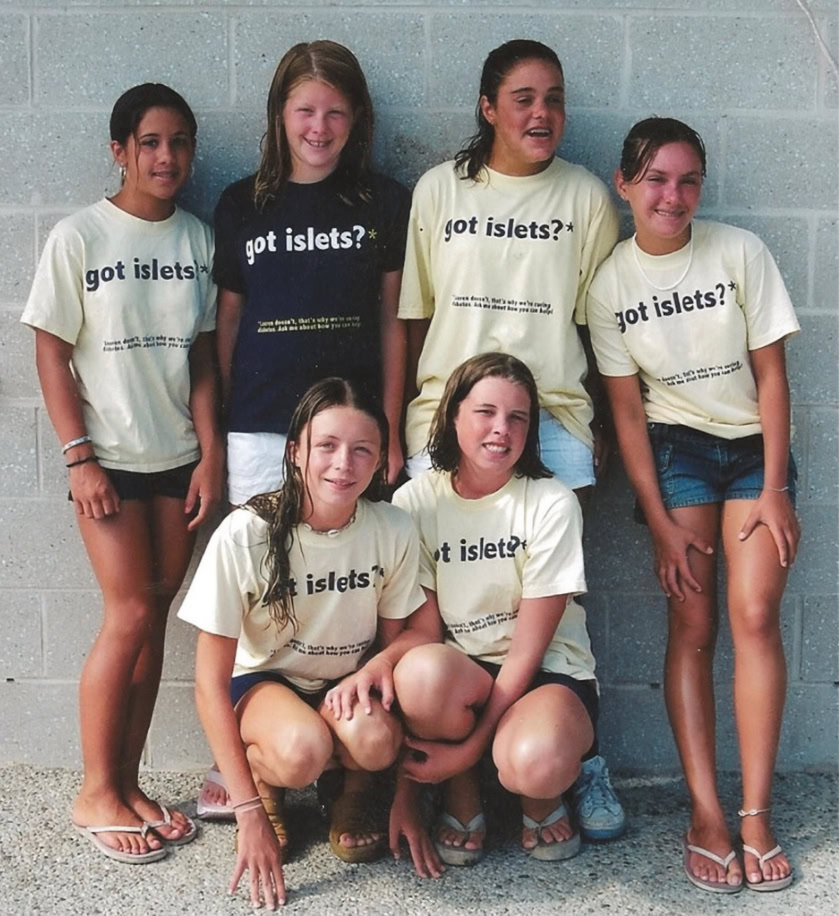
We did the Walks—our team, “Got Islets,” was one of the most successful in the nation. Then my daughter and I did the Rides, with our many friends continuing to donate after decades of us asking. Being directly involved gave me a voice in where funding went and how we focused our efforts. To me, tools that lessen the daily, hour-by-hour burden just made sense.
But, until a few months ago, it lived only in my imagination. While we’d always been early adopters (Lauren was the first young child in our state to go on a pump and one of the first in America to go on a CGM), as I said, it took time for her to be ready for this.
Little victories add up to big outcomes

Friends, it’s not a fever dream. This is real, and it’s spectacular. My daughter’s A1c fell quickly to nearly non-diabetic range. Her other labs are, as her endocrinologist said, “those of a person without diabetes.”
But more than that: She feels great! “Mom,” she told me the other day, “this sleeping all night thing? It’s pretty great!”
She feels more focused and refreshed—and since she works in advocacy fighting for coverage and treatments for Duchenne Muscular Dystrophy, that matters.
A Soul Cycle and Pilates enthusiast, she’s finally solved her workout dilemma. Before the automated insulin delivery system, her pattern was this: work out hard, crash low, eat all the carbs on the planet, marinate in remorse. Now? Activity mode works like a charm for her. No more blood sugar crashes, and way more workout satisfaction. Post-workout, she marinates in the feeling of success. The little things are the big things.
Finding our voice for powerful change
When we talk about my daughter’s improvements (and they’re such a big deal, we talk about them a lot!), we always go back to how we helped make this happen.
Like any long, long-term relationship, the organization and I have had our ups and downs. But I realize this: Had I not stumbled upon that Walk in 1998 (thank you, Marshall’s employee, for asking me if I wanted to give a dollar to help cure diabetes. Look what you did!), we may not have found our power, our voices, and our ability to bring positive change. And that feeling of having been a part of bettering her life firsthand? It’s incredible. We found power in what felt like a powerless future.
By the way, that “we” is more than my family. Every time I bump into friends who are long-time donors to this cause, I click on my phone, show them her in-range chart, and cry as I tell them, “YOU did this for us. YOU made this happen. I promised you every time you donated, I’d never just let your money go into a black hole. Here’s the proof. You did this for my kid.”
And me? An average suburban mom, given what seemed on day 1 to be an unbearable burden? Rather than give in to that, Breakthrough T1D helped me rise from it.
If you see me around, ask me to show you the graph I looked at that morning. When that salty substance leaks down my cheeks, know those are tears of joy.
And of thanks. We did what every parent dreams of: me, my friends, and Breakthrough T1D changed my child’s life for the better. This mom is over the moon. I cannot wait to see what the next generation of T1D parents and people living with T1D make happen. Because it’s truly in our hands.
We are our own solution. And from this view, that feels pretty darn great.
Your story matters
Living with T1D looks different for everyone. We want to hear your story: the highs, the lows, the challenges you’ve overcome, and the people who have supported you on your journey.
The world’s first Barbie doll with type 1 diabetes (T1D) debuted with much excitement and praise from around the world.
The Barbie doll with T1D—a partnership between Mattel and Breakthrough T1D—is the most recent toy to raise awareness about type 1 diabetes and help educate children and their families about managing the condition. Barbie is in good company; she joins a long line of toys and games on the market that teach about life with T1D through play.
Because you can never have too many toys that represent T1D, here is a select group of others:
- Rufus, the Bear with Diabetes Powered by Breakthrough T1D (who comes with his own app!), came on to the scene in 1996. Today, he is the anchor of Breakthrough T1D’s care pack for children, the Bag of Hope.
- Glucomart.com started selling CGM and pump accessories for 12-inch dolls (like Barbie) and action figures in 2016. These are made to replicate Dexcom and Insulet products.
- In 2017, American Girl Doll—also owned by Barbie’s parent company Mattel—began offering a diabetes care kit for its dolls through its Truly Me line of accessories, which allow children to personalize their dolls.
- Deck My Diabetes, a virtual storefront on Amazon, offers accessories for dolls and plushies made to look like realistic T1D technologies.
- Give Rufus some T1D stuffed animal friends with plushies from Typeonetogether.com (the Diabuddies) or Typeonestyle.com. Animals range from alligators and axolotls to unicorns and wallabies!
- For adorable plushies with a generous dose of science, Iheartguts.com and Giantmicrobes.com have you covered with cuddly pancreas, insulin drop, and beta cell stuffies!
- If you’re into more crafty toys, you can find additional T1D dolls, plushies, and accessories on Etsy.
- Our list would be incomplete without video games! Roblox, Animal Crossing, The Sims, and more have incorporated T1D into their actions and content. Learn more about those and other games (including Level One: A Diabetes Game) on the Breakthrough T1D Play website.
Regardless of the toy or game, we hope the power of play will help increase T1D visibility and understanding around the world.
Type 1 diabetes (T1D) doesn’t discriminate. It affects people of all races, ethnicities, ages, and socioeconomic backgrounds. Although its exact causes are unknown, researchers have uncovered type 1 diabetes risk factors that increase a person’s likelihood of developing the condition.
Family history
Having a family history of type 1 diabetes is the highest risk factor for developing the disease—a first-degree relative (parent, sibling, or child) with T1D increases your risk up to 15-fold. However, nearly 85% of diagnoses occur in people who have no family members with the disease.
Breakthrough T1D-funded researchers have tracked data from nearly 8,000 high-risk children to estimate future risk for T1D more precisely in The Environmental Determinants of Diabetes in the Young (TEDDY) study. A family follow-up to this study focuses on screening and monitoring siblings and parents of TEDDY participants, who have an increased genetic risk for T1D. The goal is to enhance early detection and prevention programs, better understand the natural progression of T1D, and potentially identify new genetic markers that can help predict the risk of T1D development.
Early Detection
Thanks to advances in research and a better understanding of the human immune system, we are now able to identify a person’s risk for T1D many years before the onset of symptoms through a simple blood test. Screening can reduce the risk of complications at diagnosis and also help researchers better identify who is at risk. This leads to the development of disease-modifying therapies that can slow, halt, or reverse the progression of T1D.
Age
A person’s age is a type 1 diabetes risk factor. While people can experience the onset of T1D at any age, many are diagnosed in early elementary school or as preteens, with ages 10-14 having the highest occurrence of diagnoses.
Environmental triggers
Research has not found a definite environmental trigger for type 1 diabetes. Viruses and exposure to gluten, cow’s milk, antibiotics, and more have all been extensively studied, yet no certain links have been made. “The evidence has not been conclusive,” says Laura Jacobsen, M.D., Assistant Professor and Pediatric Endocrinologist at the University of Florida. “It may be because there are multiple or different triggers for different subsets of the population.”
Ethnic and geographic triggers
The risk for type 1 diabetes has historically been highest in those with white European ancestry. However, the diversity of the population with T1D is increasing, meaning the risk is going up in minority populations. Research is ongoing in this area to address this increasingly global problem. Visit the T1D Index for a detailed look at type 1 diabetes prevalence around the world.
Geographically, there are countries where the risk of T1D is higher than others, but “ultimately it is underlying genetics that impact risk,” Dr. Jacobsen said.
Researchers are still trying to understand how and why genes and environment are T1D risk factors. Breakthrough T1D continues to fund this research so that, one day, we will be able to prevent, reverse, and cure type 1 diabetes.
Breakthrough T1D and Mattel have partnered to debut the first Barbie® doll with type 1 diabetes (T1D).
This groundbreaking global collaboration reflects a shared commitment to ensuring that the millions of people living with T1D are seen, heard, and empowered.
“Visibility matters for everyone facing type 1 diabetes,” said Emily Mazreku, Director, Marketing Strategy, at Breakthrough T1D. “As a mom living with T1D, it means everything to have Barbie helping the world see T1D and the incredible people who live with it.”
The Barbie doll with type 1 diabetes was introduced to the T1D community at the Breakthrough T1D 2025 Children’s Congress, where more than 160 children living with T1D from around the world were in attendance to advocate for continued Federal research funding.
“I would have loved a T1D Barbie growing up. Imagine one for sale on the shelf that shows the world that it is cool to wear your T1D devices for all to see.”
T1D Community Member
Intentional design

Barbie was thoughtfully created with input from the type 1 diabetes community, ensuring the lived experience of T1D was fully represented. Her features include:
- A blue polka dot top and matching skirt—a nod to the global symbols that represent diabetes awareness
- An insulin pump and continuous glucose monitor (CGM). To keep her CGM in place, she has heart-shaped medical tape—Barbie pink, of course!
- A phone that displays a CGM app to help Barbie track her blood sugar levels throughout the day
- A purse for Barbie to carry her T1D supplies and low snacks when she’s on the go
Community visibility through play
The Barbie doll with T1D is part of the Barbie Fashionista series. As the brand’s most diverse doll line, the Barbie Fashionistas series offers more than 175 looks in a variety of skin tones, eye colors, hair colors and textures, body types, disabilities, and fashions. These dolls aim to advance Barbie’s continued goal of reflecting a multi-dimensional view of beauty and fashion, allowing more children to see their world reflected through play.
The Barbie doll with type 1 diabetes is available for purchase on the Mattel Shop and at all major retailers.
After an incredible response from the T1D community, the Barbie doll with T1D sold out in record time! Our partners at Mattel have shared that many more dolls will be available soon, so please keep checking back.
Continuous glucose monitors, or CGMs, have become increasingly popular with people who do not live with type 1 diabetes (T1D) as a way to observe the impact of activity and food on their blood-glucose levels.
While increased visibility of T1D technology can help normalize an advanced way to manage what is often an invisible condition, can wearing a CGM benefit people without T1D? Breakthrough T1D takes a look.
What are continuous glucose monitors?
Continuous glucose monitors are small, wearable devices that continuously measure a person’s blood-glucose levels. They are primarily used in place of glucose meters and finger pokes. A sensor just under the skin measures the glucose levels in real time. The levels are then relayed to a receiver, smartphone, watch, or insulin pump, which displays the readings.
How do CGMs benefit people living with T1D?
Continuous glucose monitors have been transformative for daily type 1 diabetes management. They have proven to:
- Lower HbA1c levels
- Reduce episodes of hypoglycemia (low blood sugar)
- Reduce the risk of complications associated with chronic hyperglycemia (high blood sugar)
- Increase time-in-range
Breakthrough T1D has played a pivotal role in the development and accessibility of CGMs for improved health outcomes in people living with type 1 diabetes.
In 2008, a Breakthrough T1D-funded clinical trial demonstrated the efficacy of CGMs in helping to manage blood sugar, with lower HbA1c levels and reduced rates of severe hypoglycemia in people living with T1D. This led to broader health insurance coverage and, ultimately, broader use of CGMs in the T1D community. The expansion of Medicare coverage of CGMs in 2022 also helped increase their use.
CGMs also have remarkable benefits during pregnancy with T1D. A 2017 study co-funded by Breakthrough T1D and the Canadian Institutes of Health Research showed that CGM use before and during pregnancy improves the health outcomes for both mothers and babies while reducing costs for neonatal hospitalization.
Today, eight CGMs are available in the U.S., and several are used in automated insulin delivery systems.
Unlocking access
Though T1D therapies like continuous glucose monitors are approved for use in the U.S., that isn’t enough. Breakthrough T1D tirelessly advocates for insurance coverage and the adoption of these therapies so that the entire T1D community can benefit from them.
Are there benefits to using a CGM if you don’t have type 1 diabetes?
For people without diabetes, CGM use is still considered investigational. “Early studies suggest CGMs may help detect abnormal blood sugar patterns in those with elevated risk—such as individuals who are overweight, have a strong family history of diabetes, or show borderline lab values—sometimes revealing glucose variability that standard tests might miss,” said Amin Ghavami Nejad, Senior Research Scientist at Breakthrough T1D.
There is also interest in using CGMs among athletes to monitor for exercise-related hypoglycemia and in exploring how blood sugar fluctuations may relate to cardiovascular risk. However, CGMs are not FDA-approved for individuals without diabetes, and there is no established clinical framework for interpreting the data in this population. More research is needed before CGM use in people without diabetes can be broadly recommended.
The role of continuous glucose monitoring in type 2 diabetes (T2D), however, continues to grow. The American Diabetes Association (ADA) 2025 Standards of Care recommended CGM use for adults with T2D who use insulin based on evidence that they improve glucose control, reduce hypoglycemia, and help patients make more informed daily decisions. The recent launch of Dexcom’s over-the-counter CGM, Stelo, also reflects rising interest in expanding access for people with T2D not using insulin and those with prediabetes, though this remains an evolving space and is not yet fully supported by clinical guidelines.
Breakthrough T1D will continue to support research in this area to accelerate therapies and access that can benefit those living with T1D and beyond.

ADA Recap Series
This article is the first of our three-part ADA Recap Series. Breakthrough T1D was on site in Chicago, IL from June 20-23 for the American Diabetes Association’s (ADA) 85th Scientific Sessions. We’re here to report on the latest-and-greatest type 1 diabetes (T1D) advancements—including many driven by Breakthrough T1D funding. Look out for tomorrow’s article for updates on Cures.
Improving Lives
Breakthrough T1D’s Improving Lives program focuses on devices, insulins, adjunctive therapies, treatments for complications, and psychosocial interventions to improve the health and quality of life of people living with T1D.
Adjunctive therapies and complications
There was significant focus on GLP-1 receptor agonists (GLP-1RAs) and SGLT inhibitors (SGLTi) in reducing long-term complications and improving glycemic control in people with T1D.

GLP-1 receptor agonists
Glucagon-like peptide 1 receptor agonists mimic the hormone GLP-1, which elevates insulin and regulates appetite. Examples include Ozempic® (semaglutide) and Mounjaro® (tirzepatide), which acts on both GLP-1 and a similar target, GIP.
SGLT inhibitors
Sodium-glucose cotransporter inhibitors target kidney cells to prevent them from reabsorbing glucose into the blood so it gets excreted as waste. Examples include Farxiga® and Zynquista®.
While SGLTi and GLP1-1RAs have proven effective for heart and kidney disease in type 2 diabetes (T2D) and in people without diabetes, people with T1D have often been excluded from critical trials. Thanks to years of advocacy and support from Breakthrough T1D, T1D trials are ongoing—and real-world evidence suggests that GLP-1RAs and SGLTi could be impactful in the T1D community as well.
Real-world evidence for GLP-1RA use in T1D
- Presenter: Ildiko Lingvay, M.D.; University of Texas Southwestern
- People with T1D have self-reported that they decided to try GLP-1RAs for weight loss and improved glycemic control.
- Real-world evidence suggests that GLP-1RAs have a clinically meaningful impact on weight and reduced insulin dose.
- While GLP-1RAs are generally safe, some people have stopped use because of gastrointestinal side effects. These side effects are also seen in people with T2D and people without diabetes.
A review of SGLTi and GLP-1RAs in reducing chronic kidney disease (CKD) in T1D
- Presenter: David Cherney, Ph.D.; University of Toronto
- In the EMPA-KIDNEY trial that included non-diabetes participants and people with T1D or T2D, empagliflozin (SGLTi) improved kidney health in people with T1D.
- In the ATTEMPT trial, dapagliflozin (SGLTi) improved time in range (TIR), reduced HbA1c levels, and had positive effects on kidneys in youth with T1D.
- The Breakthrough T1D-funded enrolling phase 3 SUGARNSALT trial is testing whether sotagliflozin (SGLTi) can prevent progression of moderate to severe kidney disease in people with T1D, and it includes careful diabetic ketoacidosis (DKA) risk mitigation strategies.
- The SEMA-AP trial found that semaglutide (GLP-1RA) increases TIR in people with T1D when used alongside an AID system.
- The Breakthrough T1D-funded recruiting phase 2 REMODEL-T1D trial is testing if semaglutide (GLP-1RA) can improve kidney health in people with T1D.
Glucokinase
Glucokinase (GK) is an enzyme in liver cells that works in an insulin-dependent manner to regulate blood sugar. In people with T1D who have little insulin reaching the liver, GK can’t work as normal, contributing to higher blood sugar.
Use of a glucokinase activator for glycemic control
- Presenter: Klara Klein, M.D., Ph.D.; University of North Carolina
- In the phase 1/2 SimpliciT1 study, people with T1D who received the GK activator TTP399 showed improvements in blood glucose with fewer hypoglycemic events.
- A different study found that TTP399 does not increase the risk for DKA.
- These studies were done in collaboration with vTv Therapeutics, a company with funding and support from Breakthrough T1D and the T1D Fund: A Breakthrough T1D Venture. The phase 3 CATT1 study for TTP399 is testing whether it can reduce moderate to severe hypoglycemic events in people with T1D.
Adjunctive therapies and complications highlight: Breakthrough T1D-funded research
Halis Kaan Akturk, M.D. (University of Colorado), Janet Snell-Bergeon, Ph.D., MPH (University of Colorado), and Viral Shah, M.D. (Indiana University) presented findings from the Breakthrough T1D-funded ADJUST-T1D clinical trial, which was recently published in the New England Journal of Medicine Evidence. The trial tested whether semaglutide (GLP-1RA) can improve glycemic and weight outcomes in adults with T1D and obesity who are using an AID system. 36% of people treated with semaglutide met the primary endpoints of TIR greater than 70%, time below range less than 4%, and weight loss of 5% or more compared to the placebo, and the drug was well-tolerated and safe. This trial represents critical evidence for use of a GLP-1RA as a potential way to manage both glycemic control and weight in people with T1D.
Ye Je Choi, MPH (University of Washington) reported on the CROCODILE study, which examined metabolic alterations in kidneys of people with T1D. She observed early structural and metabolic changes in kidneys that occurred before the onset of clinical kidney disease and associated structural damage. Her work could contribute to the development of biomarkers that can help predict the onset of kidney disease in people with T1D before it occurs.
Jeremy Pettus, M.D. (University of California at San Diego) conducted a phase 2 clinical trial to address insulin resistance in people with T1D. External insulin therapy can increase levels of insulin in the blood relative to glucose, which reduces sensitivity and may contribute to cardiovascular disease (CVD). Treatment with the glucagon receptor antagonist volagidemab, which prevents the liver from releasing glucose into the blood, reduces insulin requirements by 15%, resulting in improved glycemic control and insulin sensitivity without changes in bodyweight.
Schafer Boeder, M.D. (University of California at San Diego) worked with Dr. Pettus on a phase 1/2 clinical trial that tested whether the addition of SGLTi to the glucagon receptor antagonist volagidemab can further improve glycemic control in people with T1D. The combination of therapies increased TIR up to 86% from 70% and reduced daily insulin use by 27%. Further research is needed to better understand the safety profile of this regimen.
Justin Gregory, M.D. (Vanderbilt University) worked with Dr. Pettus and Dr. Boeder on the above study. He also presented on the use of GLP-1RAs and dual GLP-1/GIP receptor agonists for reducing complications in T1D.
Key takeaways
Clinical trials with GLP-1RAs and SGLTi are providing encouraging evidence about these therapies’ potential to improve long-term health in people with T1D. Breakthrough T1D is working toward a future where these drugs are an option for people with T1D to better manage their blood sugar and reduce complications.
Devices
Real-world insights from Automated Insulin Delivery (AID) systems
- Presenter: David Maahs, M.D., Ph.D.; Stanford University
- Based on published real-world evidence for AID systems in people with T1D, TIR is increased by an average of eight to 15% from baseline in a range of studies across various systems.
- Youth with T1D have better glycemic control and reduced rates of DKA with AID systems. Those with lower TIR at the start of AID system use see the greatest improvements.
Real-world evidence: iLet Bionic Pancreas AID system
- Presenter: Steven Russell, M.D., Ph.D.; Beta Bionics
- The iLet Bionic Pancreas contains a continuously adapting algorithm that automatically determines insulin doses. No carbohydrate counting is required, and meals are only announced as breakfast, lunch, and dinner.
- Data was collected from 16,000 users over two years.
- Users achieved an average HbA1c level of 7.3%, down from 8.9%. This is accompanied by low rates of hypoglycemia and significantly improved self-reported quality of life.
Continuous ketone monitoring: Innovations and clinical applications
- Presenters: Ketan Dhatariya, MBBS, M.D., Ph.D. (Norfolk and Norwich University Hospitals), Lori Laffel, M.D., MPH (Harvard University), Jennifer Sherr, M.D., Ph.D. (Yale University), and Richard Bergenstal, M.D. (HealthPartners Institute).
- DKA rates are increasing in the U.S., but mortality rates from DKA are decreasing.
- The history of continuous glucose monitoring (CGM) offers a roadmap for continuous ketone monitoring (CKM) development, showing how early skepticism gave way to broad clinical impact.
- CKM could allow for earlier detection of rising ketones to prevent DKA. CKM also has the potential to identity infusion set failures, be a valuable addition to AID systems, help monitor early-stage T1D, and more.
- Five new studies funded by the National Institute of Diabetes and Digestive and Kidney Diseases (NIDDK) will develop CKM for safe and effective use of SGLTi in T1D.
- Tandem, Beta Bionics, Sequel MedTech, and Ypsomed announced plans to integrate Abbott’s dual glucose ketone sensor into their AID systems.
Making the case for time in tight range
- Presenter: Gregory Forlenza, M.D.; University of Colorado
- Dr. Forlenza presented on the benefits and challenges of time in tight range (TITR), also known as time in normal glycemia (TING), defined as blood glucose levels between 70-140 mg/dL.
- TITR will likely be more clinically beneficial than TIR as fluctuations outside of TITR may be better predictors of complications and offer a better therapeutic window for intervention.
- More research is needed to advance therapeutics that will allow people with T1D to achieve TITR before it can be integrated into clinical decisions.
Devices highlight: Breakthrough T1D-funded research
Erin Cobry, M.D. (University of Colorado) presented the results of a Breakthrough T1D-funded clinical trial evaluating an artificial intelligence-powered AID algorithm designed to not require meal announcements. She showed that this algorithm (used without meal announcements) improved overnight TIR, and provided equivalent daytime TIR, compared to participants’ usual care. A major goal for Breakthrough T1D is to advance AID systems that do not require meal announcements to improve both glucose outcomes and quality of life for people with T1D.
Key takeaways
Devices have transformed how this disease is managed. Systems are becoming easier to use with less user input—and, critically, people with T1D are doing better. This is the dream Breakthrough T1D had when we launched the Artificial Pancreas project 20 years ago. We will continue to drive toward our goal of developing systems that provide superior health outcomes with minimal user burden.
Insulins
Inhaled insulin treatment for youth with T1D
- Presenter: Michael Haller, M.D.; University of Florida
- Afrezza® is an inhaled, fast-acting insulin that has proven to be effective in adults.
- The phase 3 INHALE-1 study examined Afrezza® in youth with T1D. Users report greater treatment satisfaction and no increase in weight compared to injected rapid-acting insulin analogs.
- Afrezza® is safe for youth with T1D. The most common adverse events were pulmonary-related, such as coughing.
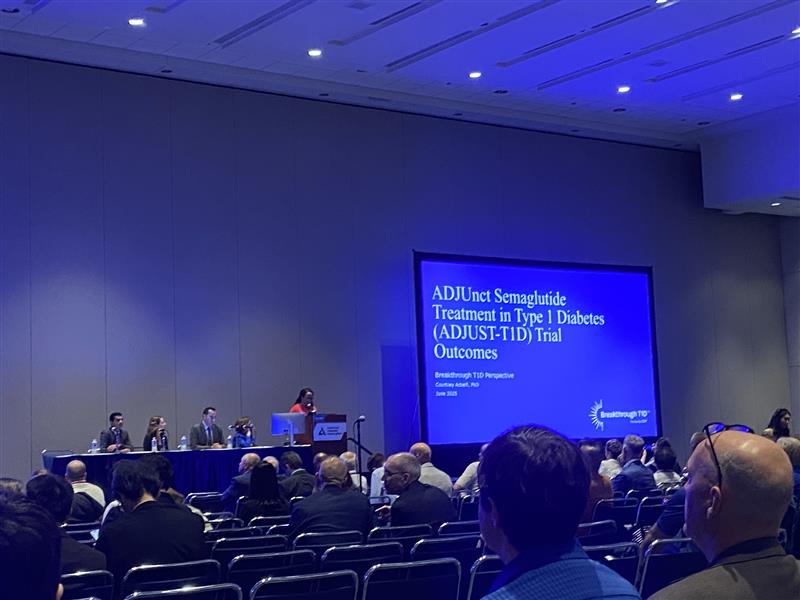
Breakthrough T1D’s Improving Lives team making an impact
Courtney Ackeifi, Ph.D., Senior Scientist, hosted an Improving Lives Happy Hour with Breakthrough T1D-funded researcher Jeremy Pettus, M.D. The discussion included research priorities for adjunctive (non-insulin) therapies for people with T1D and their healthcare providers. They also discussed the importance of industry partnerships and the role of Breakthrough T1D in driving these relationships, which can accelerate new T1D therapies toward the clinic.
Dr. Ackeifi also spoke at the ADJUST-T1D trial update, contextualizing the use of adjunctive therapies like GLP-1RAs for superior glucometabolic control in people with T1D.
Look out for tomorrow’s article for an update on Cures research presented at ADA 2025!
Photo Credit: USGA/Jason E. Miczek
J.J. Spaun drew cheers from golf fans and people with type 1 diabetes (T1D) alike with his unbelievable 64-foot birdie putt on the final hole to win the 125th U.S. Open at Oakmont in Pennsylvania. Spaun’s strong performance throughout the 2025 PGA Tour season also qualified him for his first U.S. Ryder Cup, where he will join Xander Schauffele and Scottie Scheffler as part of the U.S. team.
While his rally and wins are an amazing, once-in-a-lifetime experience—and exemplify how people with T1D can accomplish anything—his diagnosis with T1D as an adult, which he has shared publicly, was unfortunately all too common: he was first classified as having type 2 diabetes (T2D).
This led to challenges, including more weight loss, a calorie-restricted diet, and side effects from blood-glucose levels that remained stubbornly less-than-optimal. Eventually, his golf game was affected. Then, he saw a specialist, who correctly diagnosed him with T1D.
In a 2022 Golf Channel web story about the situation, Spaun said, “I went through two years of struggling. I’m not blaming that, but that was another contributing factor. I was doing the wrong things. The regimen for type 2 is a little different than for a type 1; I’m not even getting the right medicine to regulate my blood sugar. … I was eating nothing, probably less than 1,500 calories a day, and still having high glucose side effects as a ‘type 2,’ so that’s why I needed the insulin to help level that out and be able to eat more calories in general.”
Recognizing type 1 diabetes in adults
As evidenced by Spaun and other adults diagnosed with type 1 diabetes, the condition can strike anyone at any age. The idea that T1D is only diagnosed in children is antiquated and inaccurate, yet adults with T1D continue to be misclassified as having T2D. According to an article published in the journal The Lancet, Regional Health: Europe, it is estimated that nearly 40 percent of adults older than age 30 with T1D may have been misclassified as having T2D, which is far more prevalent in adults than T1D. Additionally, 37% of type 1 diabetes diagnoses in the United States occur after age 30, states a 2023 article published in the journal, Annals of Internal Medicine.
A simple blood test can detect T1D in the earlier stages. The biggest challenge is educating clinicians and the general population about it.
Endocrinologists, pediatricians, and some other specialty physicians learn about T1D screening and monitoring during their residencies, but it’s not a part of the general curriculum of the first four years of medical school. As such, many healthcare professionals know to order an HbA1c test for T2D but do not know what test to order for T1D. In addition, many clinicians understandably hesitate to order unfamiliar tests—especially if they are unsure what to do with the results.
Screening and monitoring for more accurate diagnoses
Breakthrough T1D’s new healthcare professional resources aim to advance the knowledge of T1D screening and monitoring to clinicians whose patients could most benefit from it, which turns out to be just about everyone. According to a paper published in the journal US Endocrinology, roughly 85 percent of people diagnosed with type 1 diabetes do not have a blood relative with the autoimmune disease.
Spaun’s experience and the experiences of all adults with type 1 diabetes who were first classified as having T2D point to the importance of T1D screening and monitoring for accurate diagnoses in people of all ages.
Learn more
Knowing if you have type 1 diabetes autoantibodies gives you options. Detect so you can decide.
Learn about options for getting screened and what to do with results if you or a loved one have positive screening results.
Learn more about type 1 diabetes, including how it differs from other kinds of diabetes.
Learn more about our accredited education and type 1 diabetes educational resources for healthcare professionals.
