“Behind every young child who believes in himself is a parent who believed first.”
-Matthew Jacobson
For members of the LGBTQ+ community, a supportive family can be a lifesaver. Literally.
LGBTQ+ kids are at higher risk for suicide because of societal stigma and how they are treated in their daily life. LGBTQ youth are over four times more likely to attempt suicide than their peers (Johns et al., 2019; Johns et al., 2020). About 20 years ago, my cousin took her own life at 21 because she didn’t want to live in a world she thought hated her. She was gay.
As her cousin, my heart broke when she left us. As a member of the LGBTQ+ community myself, I was—and remain—angry about the stigma that made her feel ashamed of her identity. Made her think she could not use the women’s restroom (yes, that really happened too many times to count). Made her feel like she wasn’t worthy of love.
Now, as the mother of a trans teen, I am determined to help my son Jay feel supported, protected, encouraged, and loved. Millions of parents in this country just like me—and like you—are trying to help their kids live their best lives through all kinds of challenges.
Support Makes All the Difference
According to PFLAG, an organization founded in 1973 and now the largest U.S.-based organization for LGBTQ people, their families, and friends, “Family support makes a transformative difference in the lives of people who come out as lesbian, gay, bisexual, transgender or queer. And when parents and families share their stories, they not only bolster them but embolden others to do the same.”
In 2014, along came The Real Mama Bears. Like the group of fierce parents who created Breakthrough T1D, The Real Mama Bears came into existence because a mom wanted to create a better world for her child. Liz Dyer founded the Real Mama Bears as a private Facebook group for moms of LGBTQ+ kids to find community, support, and education. What started as a small group now has over 40,000 moms who share their journeys, ask questions, find support, and brag about their amazing children. The moms nicknamed themselves the “Mama Bears” because they fiercely love, protect, and support their LGBTQ+ kids.
Deanna Kasper, Senior Development Manager in Breakthrough T1D’s Southern California Chapter, shares her story as an active member of The Real Mama Bears.
Deanna’s Story
 When my oldest son, Al, received a type 1 diabetes (T1D) diagnosis in 2005 at age 4, I was relieved to find Breakthrough T1D. The resources, support, and opportunities to meet other T1D families who understood our day-to-day challenges were invaluable.
Fast forward to my son coming out to our family, and again looking to connect with a community that loves and supports their LGBTQ+ kids. Finding The Real Mama Bears allowed me to be a better ally and advocate for the LGBTQ+ community. Like Breakthrough T1D, they provided me with resources and opportunities to learn from others who understood what we were going through.
Those who have watched Schitt’s Creek may have seen the documentary special where the cast and crew read the Mama Bears Letter thanking them for all they have done for the LGBTQ+ community. I am proud to say my name is on the letter. It gives me goosebumps to think about the impact The Real Mama Bears has made on so many children in our community.
I am grateful for the two LGBTQ+ and type 1 diabetes organizations that have supported my family: Breakthrough T1D and The Real Mama Bears.
You Are Not Alone
T1D does not discriminate. At Breakthrough T1D, we care about every child. Family support is essential to disease management and lifelong positive health outcomes. With love, patience, and determination, we will ensure that every member of our LGBTQ+ and type 1 diabetes communities knows we are here to help so that no one feels alone.
Until that day, Deanna and I offer free mom hugs to anyone who needs one.
Written by Heather Stombaugh and Deanna Kasper on behalf of the LGBTQ+@Breakthrough T1D Employee Resource Group.
Cynthia Rice, Breakthrough T1D’s Chief Mission Strategy Officer, will leave behind quite a legacy once she steps down from her role at Breakthrough T1D at the end of March 2023.
“In her time with Breakthrough T1D, she has led with strategic purpose and passion,” read Breakthrough T1D CEO Aaron Kowalski’s December 2022 memo announcing Cynthia’s decision to leave. “She has been an incredibly valuable partner to me, as well as staff and volunteers throughout the organization.”
During her tenure at Breakthrough T1D, she has helped bring the artificial pancreas project to life, has driven efforts to renew the Special Diabetes Program, and was a key player in Breakthrough T1D’s response to and handling of COVID-19—all with the partnership of our strategic staff and vast network of volunteers, who are the bedrock of our advocacy efforts.
“It’s possible—while challenging—to impact the research and development (R&D) ecosystem to improve options and outcomes for people living with chronic diseases like type 1 diabetes,” says Cynthia. “Defining goals, tapping into strengths, building capacities, and remaining determined in the face of obstacles are critical.”
And for nearly two decades, she has done just that at Breakthrough T1D.
“Leverage—enlisting others to our cause—is critical to our success and core to our organizational DNA, whether it’s engaging friends and families, company R&D heads, government officials, or foundation leaders,” Cynthia says.
The Artificial Pancreas Endeavor
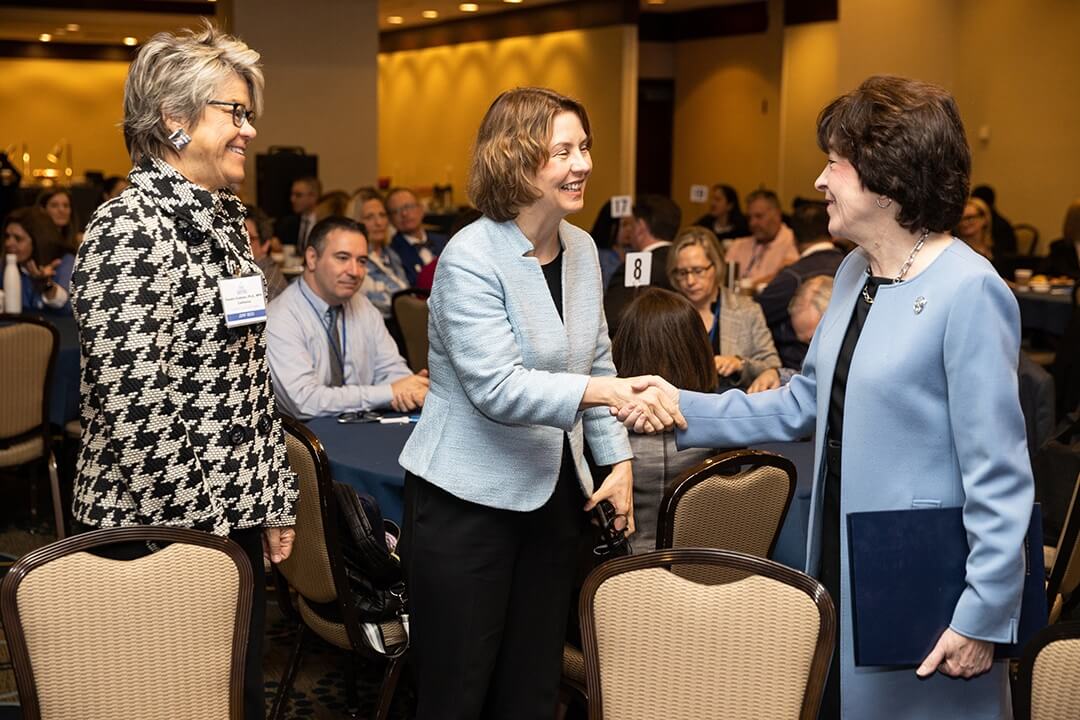
From Left: Breakthrough T1D International Board of Directors member Claudia Graham, Ph.D., M.P.H.; Breakthrough T1D Chief Mission Strategy Officer Cynthia Rice; and Senator Susan Collins (R-ME). Left-click on image to slightly enlarge.
Cynthia came to Breakthrough T1D in September 2005. Real-time continuous glucose monitors (CGMs) were in the early stages of development, with one approved just months prior.
Aaron Kowalski, Ph.D., who had come to Breakthrough T1D a year before and is now the CEO, and Jeffrey Brewer, a member of Breakthrough T1D’s International Board of Directors at the time, had just spent six months interviewing academic scientists, corporate executives, and other like-minded players to figure out whether Breakthrough T1D wanted to take on the development of an artificial pancreas. There were many barriers, and companies were very wary of getting involved.
In the interviews, it became clear that despite the hesitation among companies, there was significant potential benefit for the T1D community in pursuing artificial pancreas technologies. The leadership—needed to foster a therapy roadmap, research funding, regulatory pathway, and health care access—just wasn’t there.
Breakthrough T1D changed that. We made it a priority, bringing not only our research funding, but also our powerful advocacy forces, to speed the development of these devices.
“The goal of multiple artificial pancreas systems, with ongoing innovation, drove our strategy,” says Cynthia, “and we took actions early on with that goal in mind, utilizing our strengths, building new capacities and relationships, and battling doggedly to overcome obstacles.”
Overcoming the Obstacles
Among the first obstacles was that the benefits of continuous glucose monitoring in the management of T1D had only been shown in small studies. In 2008, a Breakthrough T1D multi-site randomized control clinical trial showed that people with T1D who used the devices experienced significant improvement in blood-sugar control. This was instrumental to CGM coverage and laying the groundwork for the artificial pancreas system to come to fruition and be covered by the healthcare system.
Another obstacle was linking together the two main components of a closed-loop artificial pancreas system—the glucose sensor and an insulin pump. Breakthrough T1D established the Artificial Pancreas Consortium, which connected researchers from several different laboratories to develop the computer algorithms so that the machines could “talk” to each other and then be commercialized, as necessary.
A third obstacle—perhaps the most challenging of them all—required engaging government, regulatory, and health care groups.
Breakthrough T1D worked with researchers, insurance companies, the National Institutes of Health (NIH), the U.S. Food and Drug Administration (FDA), Medicare, and Congress on regulatory and coverage issues. When the first artificial pancreas system came on the market in 2016, the T1D community was more than ready for the life-changing T1D management it offered.
“Seeing the artificial pancreas go from concept to reality, which is helping so many people keep their blood-sugar management in control, is what makes Breakthrough T1D and all of the advocacy volunteers—who sent an email, made a call, signed an action alert, or met with their Member of Congress—very proud of this historic achievement and the impact that these will have on the individual lives of those with type 1 diabetes,” Cynthia adds.
The Special Diabetes Program (SDP)
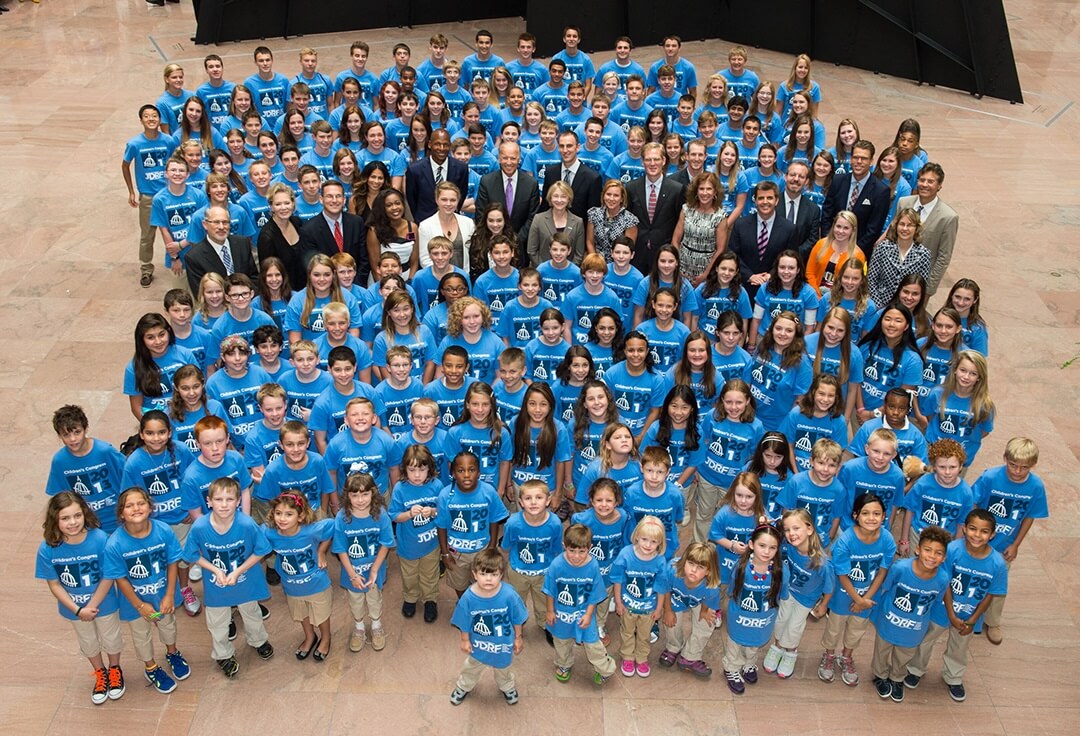
Cynthia Rice (far right, fifth row from the back), Breakthrough T1D volunteers, and Delegates at Children’s Congress 2013 with then-Vice President of the United States Joseph R. Biden (center). Left-click on image to slightly enlarge.
In 1997, with the bipartisan leadership of White House Chief of Staff Erskine Bowles and Speaker Newt Gingrich, Congress created the Special Diabetes Program (SDP), which annually allocates $150 million for T1D research at the NIH. Breakthrough T1D is the chief advocate of the SDP.
The SDP has been instrumental to some of the greatest advancements in the history of T1D—including research that led to artificial pancreas systems and the recent FDA approval of the first-ever drug that can delay onset of T1D, Tzield™ (teplizumab-mzwv).
Since its inception, the SDP has invested $3.4 billion into T1D research. The program’s success and continued renewal is the result in part of hundreds of Breakthrough T1D advocates meeting with their Members of Congress each year to discuss the importance of the SDP.
“Sustaining bipartisan support to renew again and again in challenging times in Washington is thanks to the amazing volunteer-staff partnership in advocacy,” says Cynthia. “This is now paying enormous dividends, not only in the artificial pancreas systems, but in cures therapies, including disease-modifying and cell therapy treatments.”
Breakthrough T1D’s Unique Strengths
“Breakthrough T1D has two strengths that are rare,” says Cynthia. “The first is scientific expertise, convening the best and brightest across fields and generating ideas to solve the biggest problems. The second is community passion, to influence R&D priorities, regulatory pathways, and health care access and enlist government leaders to take action for our cause.”
She adds: “Breakthrough T1D has harnessed these strengths and organized the community, leading to our higher-level power: Influence.”
“It’s not only possible but realizable for a small band of determined people, starting with our founding moms, to tackle and overcome big obstacles,” says Cynthia. “As long as we organize ourselves well, deploy smart strategies, and develop an advocacy message that people can get around, Breakthrough T1D will continue to have the impact that has historically been the pillar of our advocacy work.”
“More broadly, strong patient advocacy strengthens our health system and our society and helps align incentives in research, development, and health policy to benefit the people affected by the disease,” says Cynthia. “All of us as leaders should be thinking about what else we can do to help strong, independent patient communities come together and thrive as advocates, which I hope to do when I return to the health sector in 2024 after a sabbatical.”
A Legacy of Women Leaders
Breakthrough T1D was founded by women, has mostly women staff and volunteers, and counts numerous successful and influential women among its current and past leaders and supporters.
Women who, like Cynthia Rice, share Breakthrough T1D’s vision for a world without T1D and who will stop at nothing to turn that vision into reality.
“From the majority staff and volunteer base, to our women founders, to our international chair Mary Tyler Moore, to our advocates, fundraisers, and scientists,” says Cynthia, “Breakthrough T1D, as an organization, shows the power women can have to impact their world.”
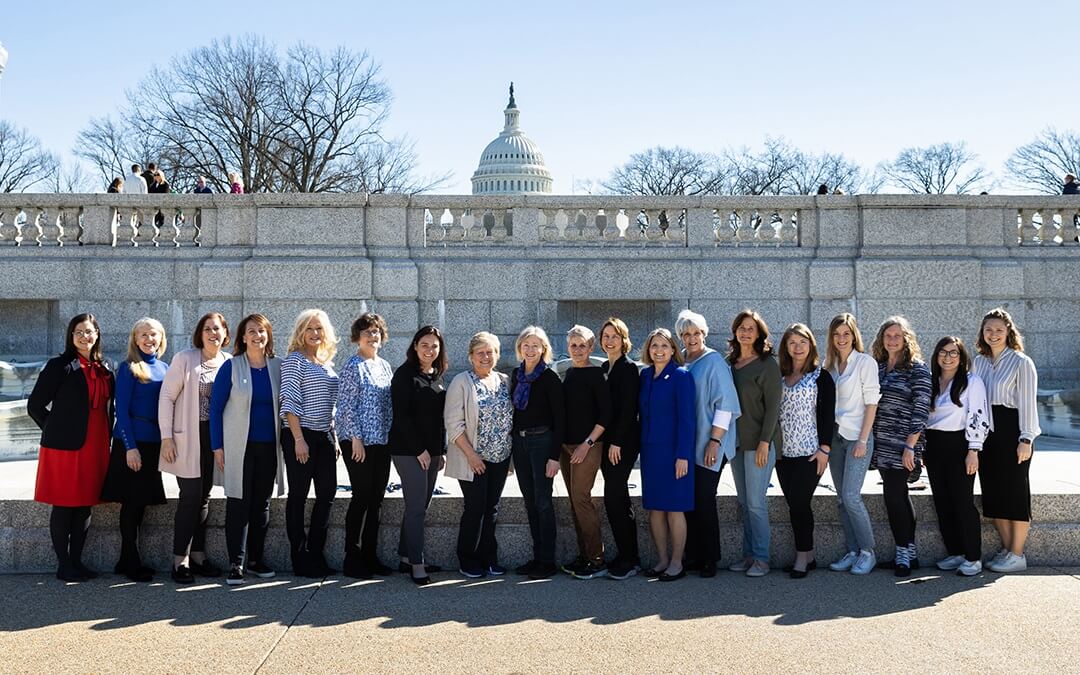
Members of Breakthrough T1D’s Grassroots Leadership Team (GLT) along with members of Breakthrough T1D’s Advocacy Team, including Cynthia Rice (ninth person in from the right) at Breakthrough T1D Government Day 2023. Left-click on image to slightly enlarge.

Cynthia Rice at Government Day 2023. Left-click on image to slightly enlarge.
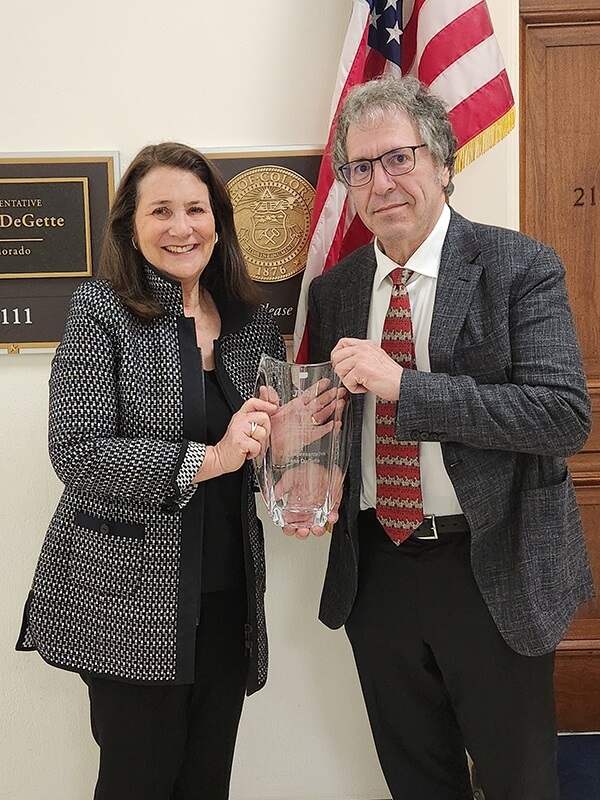 Mary Tyler Moore would have been proud to have an award recognizing women who have made pioneering contributions to the fight against type 1 diabetes (T1D). Now, such an award exists!
Presented by Breakthrough T1D, the new award honors the legacy of trailblazer and cultural icon Mary Tyler Moore, who was diagnosed with T1D at the age of 33. As international chairman of Breakthrough T1D from 1984 to 2017, Moore used her influence to bring government, scientists, and people living with diabetes together to further T1D advocacy and innovation.
The award highlights the leadership of women who, like Mary, question the status quo, bravely take risks, and drive changes to improve the lives of those living with T1D.
The inaugural award goes to some of the most powerful women in the United States government who are fighting T1D: Senator Susan Collins (R-ME), Senator Jeanne Shaheen (D-NH), and Representative Diana DeGette (D-CO). Each has provided exemplary leadership, demonstrated the strongest allyship to the T1D community, and has championed and passed legislation that will improve the lives of those living with T1D. These include the Special Diabetes Program (SDP)—which funds $150 million to diabetes research per year—and insulin affordability, including a cap on the price of insulin at $35 per month for Medicare enrollees.
“When most of the world thinks of Mary, they immediately picture Laurie Petrie from ‘The Dick Van Dyke Show’ or Mary Richards from the ‘Mary Tyler Moore Show’ — or many of the numerous other roles she played,” said S. Robert Levine, M.D., her husband of more than 30 years and longtime leading Breakthrough T1D volunteer. “But the biggest role she took on was her profoundly effective advocacy for support for federal funding of research to find cures for T1D and its complications, and her commitment to the T1D community.”

“I am truly touched that the inaugural award in her name celebrates three government leaders—Susan Collins, Jeanne Shaheen, and Diana DeGette—who partnered with Mary to assure more federal funding of T1D research, including the funding of critical research resources, consortia, and clinical trial networks to bring us closer to cures,” Dr. Levine added.
One of Moore’s most significant achievements as Breakthrough T1D international chairman was increased Congressional funding for the Special Diabetes Program (SDP) at the National Institutes of Health that has accelerated the pace of T1D research. This long-term investment in diabetes research has helped lead to significant scientific breakthroughs, including Tzield™ (teplizumab-mzwv), the first disease-modifying treatment for T1D which can delay the onset of the disease by more than two years.
“Thanks to the enduring efforts of Mary Tyler Moore, we are bringing new treatments forward and moving closer every day to cures for type 1 diabetes and its complications,” said Cynthia Rice, Breakthrough T1D’s chief mission strategy officer. “Senators Collins and Shaheen and Representative DeGette have been steadfast allies in Congress to the T1D community. Breakthrough T1D is proud to recognize their work as they carry Mary Tyler Moore’s legacy forward.”
This year’s Advanced Technologies & Treatments for Diabetes (ATTD) meeting, taking place from February 22-25, will have 45 presenters who are or were Breakthrough T1D-funded researchers working to treat, prevent and, ultimately, cure type 1 diabetes (T1D) and its complications. Sanjoy Dutta, Ph.D., Breakthrough T1D Chief Scientific Officer, Jon Rosen, Ph.D., Director of Research, and Anastasia Albanese-O’Neill, Ph.D., APRN, CDCES, Director of Community Screening and Clinical Trial Education, will be there, too, chairing sessions on monitoring and glucose control.
Here are select highlights of Breakthrough T1D-funded research that will be featured:
- In a Breakthrough T1D Session chaired by Jon Rosen, Ph.D., on February 23, presenters David O’Neal, M.D., University of Melbourne, Rodica Busui, M.D., Ph.D., University of Michigan, and Idan Tamir, Ph.D., QuLab Medical, will talk about the clinical need for continuous ketone monitoring, in addition to continuous glucose monitoring, to enable SGLT therapy—which can lower your HbA1c levels but has an increased risk of developing diabetic ketoacidosis (DKA)—use for heart and kidney health for people with T1D.
- On February 24, we will hear the latest Breakthrough T1D-funded clinical trial results from Gregory Forlenza, M.D., University of Colorado, who was one of the investigators on the phase III CLVer (Closed Loop + Verapamil, pronounced “clever”) study to test whether a hybrid closed loop (i.e., artificial pancreas) system and/or verapamil preserves beta cell function one year after diagnosis.
Diabetic ketoacidosis (DKA)—a life-threatening complication—is an abundance of ketones in the blood, which typically also happens when blood sugar is very high. With SGLT therapy, however, DKA presents with blood-sugar levels at normal or near it. Because of this, ketone sensors will be crucial to regulatory approval and access to SGLT drugs.
- In another Breakthrough T1D Session introduced by Sanjoy Dutta, Ph.D., you will hear from Michael Haller, M.D., University of Florida, Chantal Mathieu, M.D., Ph.D., KU Leuven, Belgium, and Kimber Simmons, M.D., University of Colorado, on which technology to use for monitoring pre-symptomatic T1D after autoantibodies are detected, on February 25.
- Also on February 25, the International Society for Pediatric and Adolescent Diabetes (ISPAD) will have a session on global T1D, with Jamie R. Wood, M.D., Case Western Reserve University and secretary general of ISPAD, presenting on T1D technology in low and middle low-income countries, using insights from the T1D Index, a first-of-its-kind tool that provides the most accurate and comprehensive global figures of T1D across the world.
Stay tuned on social media (Facebook at @breakthrought1dhq, Twitter at @BreakthroughT1D, and LinkedIn) for exciting news at ATTD!
Limited Run Games co-founder Josh Fairhurst was born with an entrepreneurial spirit.
“We had orange and lemon trees in our backyard and when I was five years old, I would gather the lemons and oranges and sell them door-to-door to my neighbors for 25 cents,” Josh recalled.
His type 1 diabetes (T1D) diagnosis at age 15 didn’t deter his drive. He was using an insulin pump by age 16 and has been able to keep his T1D well-controlled. The only exception? Nerves before important business meetings or presentations tend to cause his blood sugar to drop.
“I’ll drink something to raise my sugars when I go low, but it takes a while to kick in,” he said. “In those situations, I’ve had to do my best to pretend I’m not completely light-headed and disoriented.”
Contagious Memories
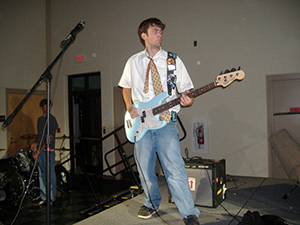
Josh playing guitar in high school with his insulin pump on display
Josh’s career arc began in his childhood bedroom in the 1990s, where he played video games and collected baseball cards, comics, and Pokémon. “These things all imbued a passion for collecting in me that has followed me throughout life,” he said.
These days, most video games are downloadable, lacking the colorful boxes and bonus items that collectors crave. Recognizing that there was a market for nostalgia, Josh helped launch Limited Run Games, a premium publisher of physical video games in a world where digital is now the norm. “When I had the idea for Limited Run, it felt like the perfect confluence of everything I loved: video games, collecting, and entrepreneurship,” he said.
Since 2015, the company has released physical versions of over 1,000 games, as well as game-related apparel, books, and soundtracks on CD and vinyl. In 2022, they opened the brick-and-mortar Limited Run Retail in Cary, NC, an homage to old-school video game and toy stores.
Full Throttle Fundraising
Josh and Limited Run Games are highly involved with Breakthrough T1D Game2Give, a partnership with video game players, streamers, and developers to raise money to fight T1D. Josh feels strongly about supporting an organization that has had a direct impact on him.
“Through Breakthrough T1D I have been able to stay aware of the research and efforts being made to help treat diabetes,” he said.
Limited Run has hosted two charity streams on its Twitch channel, in addition to donating collector’s edition games to Breakthrough T1D Game2Give streaming events.
Saturday Morning RPG, a video game created by Josh and, naturally, steeped in ’80s pop culture, was part of the hugely successful 2022 Game Over, T1D Humble Bundle. He even donated his developer revenue share from the bundle to Breakthrough T1D.
In total, Josh and his company have raised more than $35,000 to date via the partnership with Breakthrough T1D Game2Give. Josh was also recently welcomed as a new member of the Breakthrough T1D Game2Give Advisory Council, a group of 20 games industry executives with personal connections to T1D, all lending their advice and networks to the cause.
“I’m hopeful that we will be able to help raise awareness for Breakthrough T1D through unique products and initiatives,” he said.
Final Question
Josh works (and plays) with games all day, every day…but which is his favorite?
“Phantasy Star Online,” Josh said. “It originally released in 2001 and it played a significant part in shaping me. I led a group of players on it and, through that, I learned about proper leadership, camaraderie, and I formed many memories that will last a lifetime.”
As reported in Harvard Business Review, “Research has shown that firms with more women in senior positions are more profitable, more socially responsible, and provide safer, higher-quality customer experiences—among many other benefits.”
It should be no surprise then that Breakthrough T1D, the leading global nonprofit funding type 1 diabetes (T1D) research, has promoted two more women on its executive leadership team: Kathleen Seitz and Sydney Yovic.
Breakthrough T1D has ambitious but strategic goals to further amplify its role as a global leader in the T1D space. Promoting both high performing, innovative-thinking women to more senior leadership roles maps directly to those goals.
Kathleen Seitz
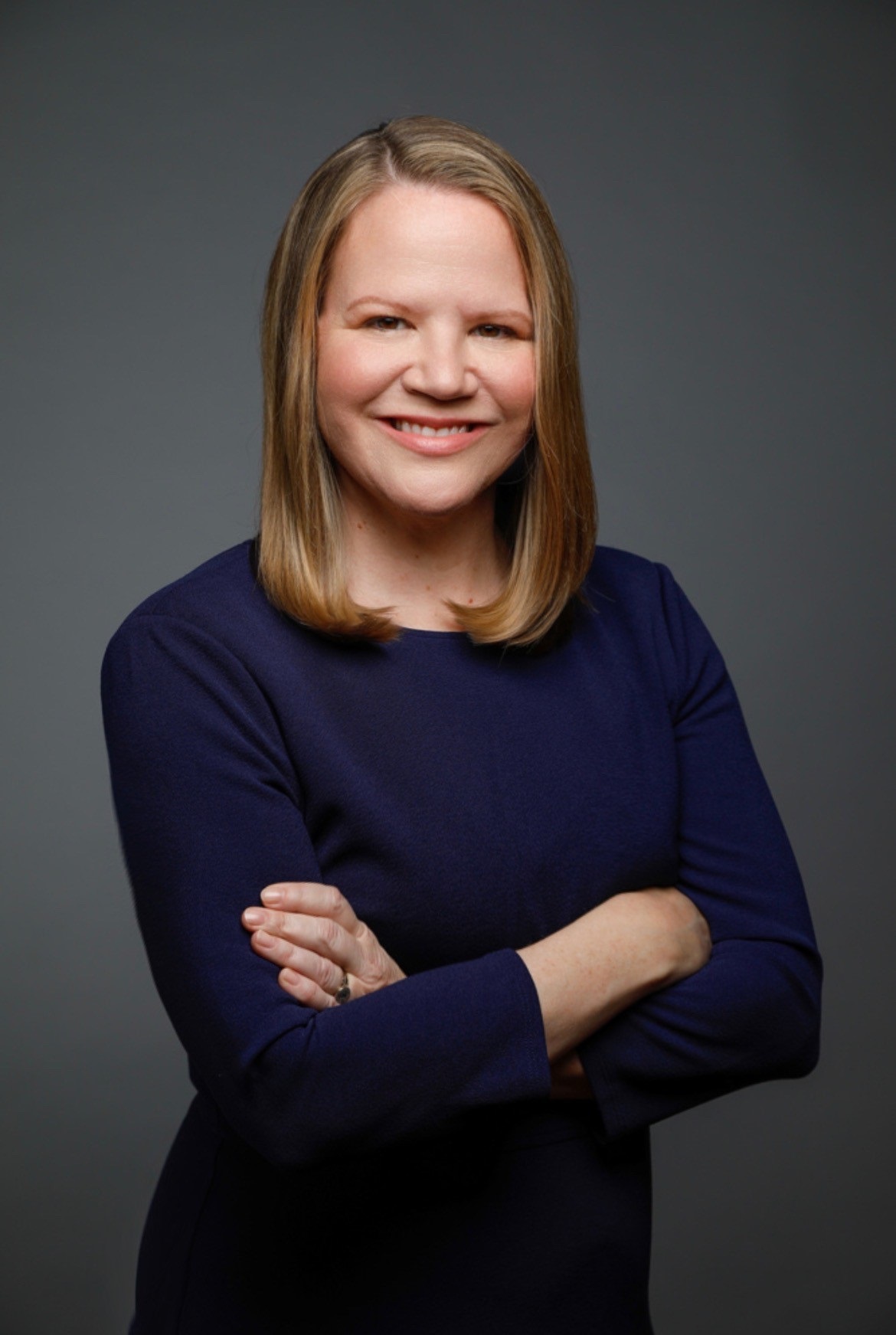 Breakthrough T1D is pleased to announce that Kathleen Seitz, Senior Vice President, Global Development, has been promoted to Chief Global Development Officer overseeing the field network, volunteer engagement and all contributed revenue sources.
With more than 25 years of development experience, Kathleen has worked with a cross-section of nonprofits, including cultural, healthcare, human service, secondary and higher education, and religious organizations. She has significant expertise in volunteer management, fundraising staff recruitment and training, and strategic fundraising planning. Kathleen also received her Certified Fundraising Executive (CFRE) designation in 2019.
In her short time with Breakthrough T1D, Kathleen has already made an immediate impact, growing and guiding her team so they are well-positioned to maximize our revenue and build a global development strategy to increase Breakthrough T1D’s global footprint and presence.
As Chief Global Development Officer, Kathleen will lead Breakthrough T1D’s efforts to maximize initiatives and raise more funds to advance our mission in the United States and globally. We look forward to the positive impact Kathleen will continue to have on Breakthrough T1D and the T1D community as she drives continual improvement of fundraising strategies and engagement in Breakthrough T1D programs.
Sydney Yovic
Breakthrough T1D is pleased to announce that Sydney Yovic, Chief of Staff, has been promoted to the position of Chief Strategy Officer and Chief of Staff.
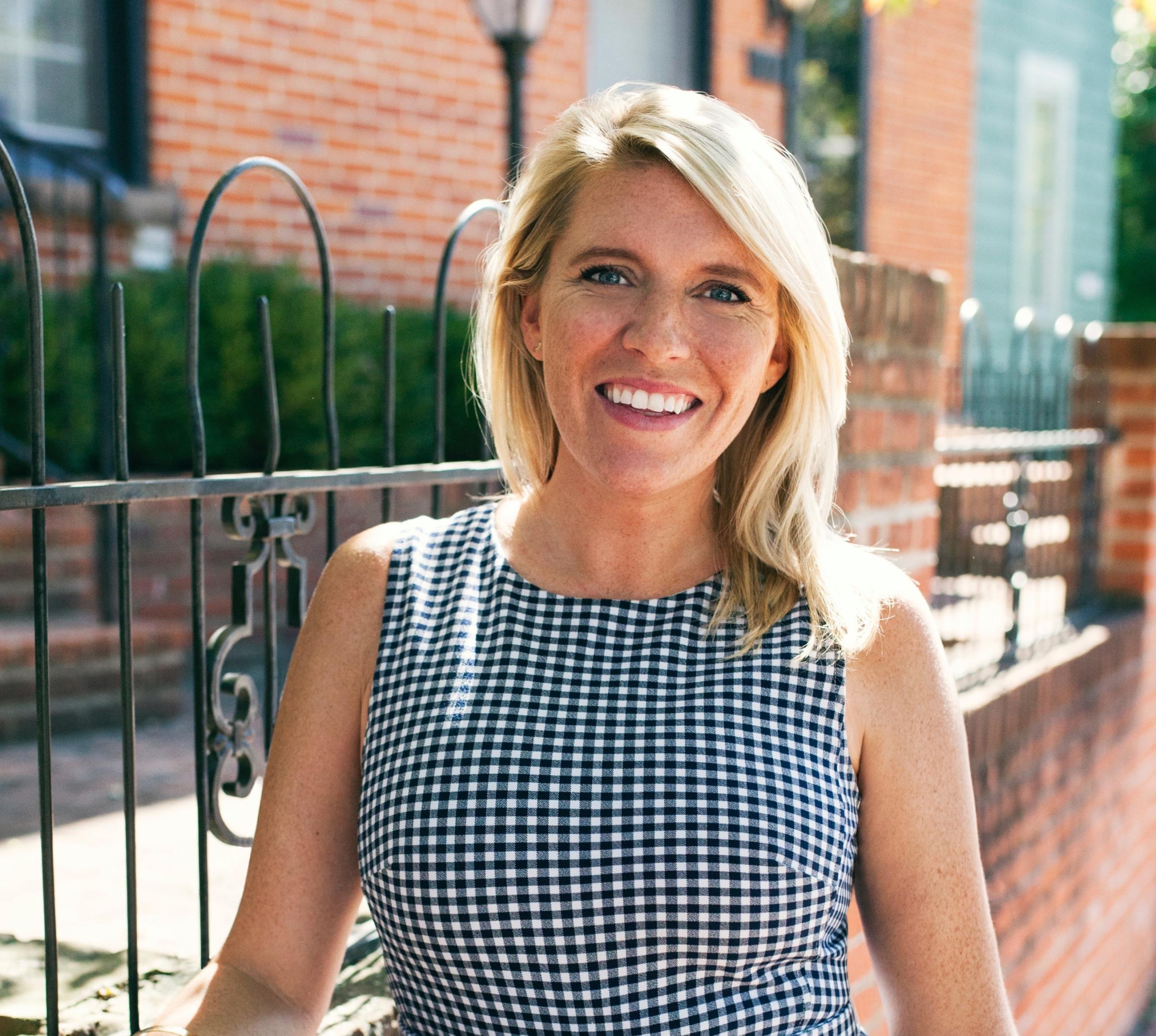 Sydney has been a valuable, results-driven leader for Breakthrough T1D for over 10 years, having started as Project Manager in the Research department and taken on roles of increasing responsibility since then. She continues to be an incredibly valuable partner to staff and volunteers throughout the organization.
In her newly expanded role, Sydney will lead and drive Breakthrough T1D’s strategy and organizational priorities to help shape our future vision and propel our mission forward. Sydney will continue to be a tremendous asset as she develops strategic plans, implements impact measures, and centralizes resources to ensure Breakthrough T1D is operating at the highest levels of effectiveness and efficiency.
Breakthrough T1D and the T1D community will continue to benefit from Sydney’s strong leadership skills as she works to ensure Breakthrough T1D’s organizational strategies, processes, tools, systems and offerings are well-positioned to drive continual improvement, growth, and impact.
For nearly a decade, Breakthrough T1D’s TypeOneNation Summits have brought together the type 1 diabetes (T1D) community through education and peer support.
During the COVID-19 pandemic, Breakthrough T1D’s Community Engagement team shifted to virtual TON Summits to ensure this essential support continued for people with T1D and their loved ones.
Now, with the return of in-person events and improved virtual event technology, TypeOneNation Summits are back with an exciting new approach to champion our community of supporters!
“TypeOneNation Summits are the cornerstone of our education program,” says Kristin Jahnke, Breakthrough T1D Associate Vice President of Community Engagement. “Our goal is to educate, connect, and inspire our community, wherever they may be on their T1D journey.”
In-Person Summits: An Opportunity for Reconnection
In-person TypeOneNation Summits will continue to feature educational talks from T1D experts, a vendor exhibition, and networking opportunities. The format will vary and offer unique elements geared to support the Summit’s theme.
- Full Summit events feature a keynote speaker and breakout sessions that are deep dives into T1D-centric topics.
- Meet and Greet Summits offer a Q&A panel or roundtable discussions led by local experts.
- Educational Summits are smaller events on one focused topic.
“Attendees will leave all of our 2023 Summits feeling informed and empowered,” Jahnke said.
Visit your local chapter page to find an in-person Summit near you.
Virtual Sessions Reimagined
The new TypeOneNation Summit virtual sessions will make it easier and more convenient for members of the T1D community to take part.
Previously held on a virtual event platform during the pandemic, guests will now be able to join the virtual sessions on Facebook, LinkedIn, YouTube, and other social media platforms.
“Our virtual sessions will be a great opportunity to hear from a variety of speakers, including leading national T1D experts, influencers, and community members,” Jahnke said. “They’ll also offer entertainment and interactive components to really bring the sessions to life.”
2023 TypeOneNation Summit Virtual Session Schedule
January
The 2023 TypeOneNation Summits virtually kick off on January 25, with January Jump Start: Real World Tips for Exercise & Nutrition with T1D, interactive discussions on exercise and nutrition, plus cooking and fitness demonstrations. Featured presenters include:

- Jordan Ligons, sports broadcast journalist (diagnosed with T1D at age 23)
- Jay T. Maryniak, fitness trainer (diagnosed with T1D at age 28)
- Breana Raquel, actor and recording artist (diagnosed with T1D in 2018)
- Michael Charles Riddell, Ph.D.; Professor, School of Kinesiology and Health Science, York University (diagnosed with T1D at age 15)
- Catherine Rogers, Ph.D., RDN, LD; Assistant Professor; Vice Chair for Education, Dept. of Nutrition, Case Western Reserve University (T1D since age 8)
March
On March 15, Breakthrough T1D honors Women’s History Month with a virtual session focused on women’s health issues such as relationships, body image, and pregnancy.
May
Breakthrough T1D recognizes Mental Health Awareness Month on May 11, with a virtual session that will explore strategies for coping and managing overall wellbeing. DiabetesSangha, an initiative within the diabetes online community to come together over meditation and contemplative practice, will also host an interactive session on mindfulness.
November
To close out 2023, the TypeOneNation Summit program will celebrate National Diabetes Awareness Month. The virtual session on November 14 will include a series of storytelling vignettes on topics important to the T1D community, such as health equity and access, research updates, and common concerns during the holiday season.
Visit Breakthrough T1D’s Community Summit webpage for more information and to register!
Special thanks to our 2023 TypeOneNation Summit sponsors:
Abbott | Ascensia Diabetes Care | Dexcom | Insulet | Lilly | MannKind
Medtronic | Provention Bio | Splenda | Tandem Diabetes Care
Vertex Pharmaceuticals | Xeris Biopharma
Since last open enrollment, there have been a number of changes that affect Medicare and type 1 diabetes (T1D). Here is a summary of these changes so you can keep them in mind as you think about Open Enrollment this year.
More CGMs covered
In March 2022, Medicare began to cover any continuous glucose monitor (CGM) that works with an insulin pump or is labeled to be able to dose insulin. For more information, see our blog post from that time: https://www.breakthrought1d.org/blog/2022/03/10/more-cgms-now-covered-by-medicare/ People with Medicare coverage and T1D now can choose from nearly all FDA-approved CGMs to measure their blood glucose levels. Increased choice makes it easier to use the CGM that works best for your particular needs.
All AP systems covered
Currently, there are three artificial pancreas systems that have FDA clearance and Medicare coverage: Insulet Omnipod 5, Medtronic 670G/770G and Tandem Control IQ. Historically, this has not always been the case. When Medicare expanded coverage of CGMs in 2021, it also expanded coverage to include the Medtronic 670G and 770G, so now all AP systems are covered by Medicare for people with T1D.
$35 Insulin in Both Part B and Part D and Medicare Advantage
Starting in January 2023, Part D covered insulins will cost no more than $35 per month per insulin at the pharmacy counter or mail-order checkout. For tubed pump users who get their insulin through Part B, the $35 out-of-pocket cap will go into effect on July 1, 2023.
Medicare Advantage (MA) and Part D plans can still limit coverage to certain brands of insulin, however they must cover at least one of each type of insulin (long-acting, rapid-acting, etc) and in the different delivery forms (vials, pens, etc).
While the out-of-pocket cost of insulin has been capped at $35 for both Part B and Part D, most Part D or MA plans will NOT reflect this cap when shopping for a plan. Unfortunately, this means that cost estimations from the Medicare Plan Finder will not be accurate for insulin. CMS has recommended when adding drugs to the cost estimator, do not include insulin and instead add $420 (or $840 if you use two types of insulin) to the estimated cost of that plan. They then recommend adding the insulin to the cost estimator to ensure that your plan covers your particular insulin.
When January 2023 rolls around, it is very possible that many MA and Part D plans will not have fully implemented the $35 out of pocket cap at the pharmacy checkout. If this is the case, the plan must refund any overpayment that you make at checkout within 30 days. This will be in effect for January 1, 2023-March 31, 2023. After that time, Part D plans are expected to have made the necessary changes to their internal systems to allow for the $35 cap to be implemented at the point of sale.
Deductibles won’t apply for covered insulins for Part D starting January 1 and Part B starting July 1, 2023. This means that you will only pay the copay for your insulin, and the amount paid will count toward your deductible. Keep in mind that your CGM, test strips, insulin pump or supplies will still be subject to the deductible, which is $226 for Part B and a maximum of $505 for Part D plans.
By 2025, Out of Pocket Cap on Part D of $2000
Looking forward, there will be more changes coming to Medicare Part D in 2024 and 2025. In 2024, Part D plans will have to cap overall out of pocket costs at $3250 and in 2025, the out of pocket cap will be $2000 and can be spread throughout the year. These changes are additional to the 2023 changes to coverage for insulin.
Shopping for Medicare plans can be complicated, especially when you have a chronic condition like T1D. With many welcome changes coming to insulin coverage in 2023, it is critical that you understand the changes and how they could impact your plan shopping.
Ralph Mastoloni when he was drafted into the U.S. Army
Ralph Mastoloni always had a goal in mind.
The oldest of five children born to an American father and Italian mother, he was expected to help the most around the house. Ralph scrubbed the floors and washed the windows happily. “Our family was very close, traditional, loving, and caring,” recalled his youngest brother, Edward Mastoloni.
Ralph was extremely bright and always an outstanding student. One of his first goals was to attend college, which he achieved at Niagara University in Niagara Falls, N.Y., in the early 1940s.
Graduation was put on pause, though, when he was called to serve in the United States Army Signal Corps (USASC) in World War II. During his three years of military service, Ralph traveled to Germany, Belgium, Holland, and France.
After his honorable discharge in 1946, Ralph resumed his education at St. John’s University and then Columbia University while working for New York City Civil Service as a housing inspector.
When his father passed away in 1969, Ralph stepped in to take care of his mother for the next 20 years. As the only one of his siblings who never married, he assumed the role of caretaker without a second thought. “It gave the rest of us the opportunity to help with the needs of our growing families,” Edward said.
A Dedicated Uncle
Another role he took very seriously was that of “Uncle.” So, when his niece Louise was diagnosed with type 1 diabetes (T1D) in her early teens, he took special notice. “Ralph was always impressed with how easily she was able to adjust her diet and lifestyle,” Edward said. “Thanks to new research and technology, she has been able to control her blood sugar levels and avoid long term complications.”
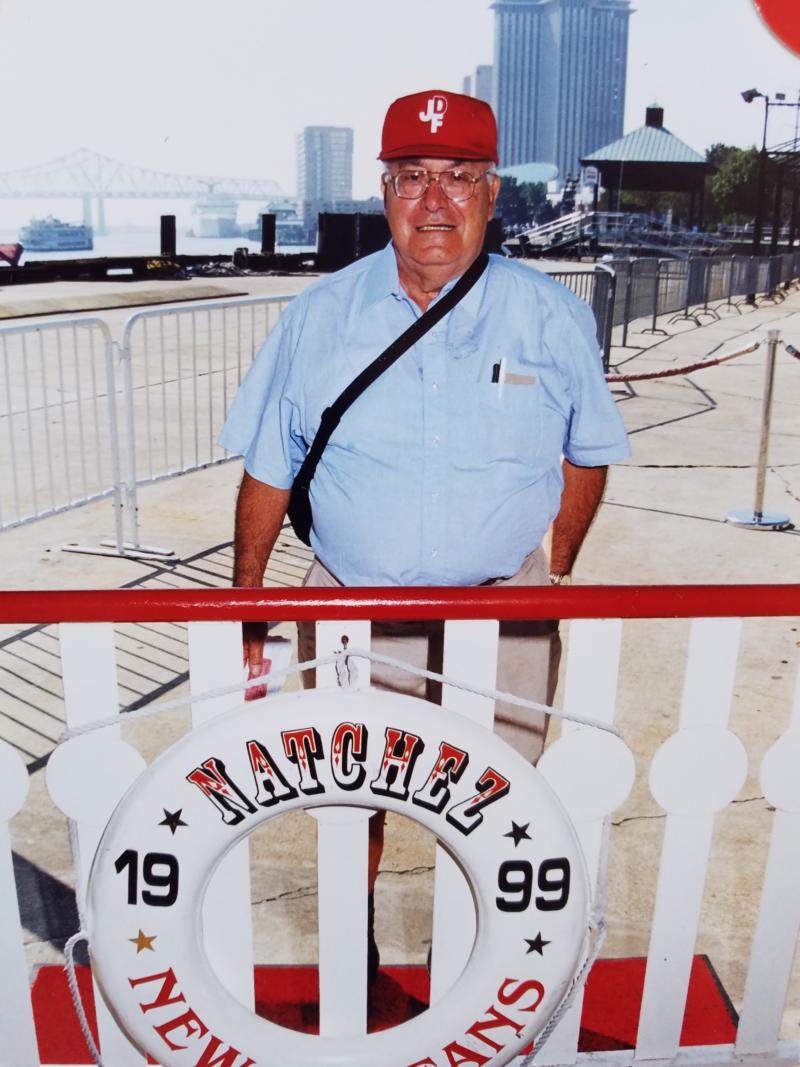
Ralph started donating to Breakthrough T1D in 1988 and continued giving for many years. He also chose to leave part of his estate to Breakthrough T1D in his will.
“Legacy gifts provide vital support, helping to ensure Breakthrough T1D continues funding research until we achieve our vision of a world without type 1 diabetes,” said Alan Berkowitz, Breakthrough T1D National Director of Legacy Giving. “We’re so grateful to supporters like Ralph who share that vision.”
In his later years, Ralph remained committed to his passions and ambitions. In 1999, he completed the New York City Marathon. He was an avid tennis fan and knew every player’s name on TV. And he was extremely dedicated to the Veterans Administration.
Ralph passed away in June 2022, surrounded by his family and friends. True to his nature, he accomplished his final goal: to live to 100 years of age.
Investing in Breakthrough T1D through a legacy gift accelerates our race to cure type 1 diabetes (T1D) and supports key advances that are helping people with T1D lead longer, healthier lives. Learn more about leaving your legacy at breakthrought1d.plannedgiving.org.
Back Row L-R: John Brady (Breakthrough T1D Director Emeritus), Lisa Wallack (International Board of Directors Member), Karen Jordan (International Board of Directors Member), Aaron Kowalski, Ph.D. (Breakthrough T1D Chief Executive Officer)
Front Row L-R: Award winners John Cammet, Kim Roosevelt, Sally Southard, Hans ten Cate
Volunteers are essential to Breakthrough T1D’s mission. From founding our organization over 50 years ago to building today’s tight-knit—but far-reaching—community of type 1 diabetes (T1D) warriors, they make a profound impact with their time and talents.
Every year, Breakthrough T1D recognizes select volunteers who have gone above and beyond. The Breakthrough T1D 2022 Volunteer Award recipients have shown innovation, dedication, and lifted up those around them.
2022 Erwin Lurie Award: Sally Southard
Sally Southard
Sally Southard has been a dedicated and motivated Breakthrough T1D leader for over 25 years. This unwavering passion has earned her the 2022 Erwin Lurie Award, which recognizes chapter volunteers whose commitment to the volunteer-staff partnership has significantly advanced the mission and strategic priorities of Breakthrough T1D.
Sally currently serves as the Virginia Mission Board Chair and as a Research Information Volunteer, as well as in an active member role for both the Mid-Atlantic Chapter’s Community Board of Directors and Executive Council.
She has worn many hats as a former Breakthrough T1D T1D Voices Council member, Greater Blue Ridge Chapter President and Board member, Walk Chair, Gala Chair and honoree. When five communities were brought together to create one chapter in 2020, Sally leaned in and exuded positivity to ensure that the communities would stay engaged.
In addition to living with T1D, Sally watched her mother manage the disease, giving her a unique ability to lead and inspire others through her personal journey. Breakthrough T1D is immensely grateful to Sally for her perseverance and commitment to our shared mission.
Breakthrough T1D would also like to recognize all the nominees for the 2022 Erwin Lurie Award: Cathy Baier, Evan Beane, Jean Bobin, Mike Boyle, Amber and Clay Bretches, Ruthi Byrne, John Cantillon, Rex Ellison, Kim Fisher, Christopher German, Peter Hill, Michael Howell, Helen and Mike Norona, Debbie Nuzzo, Jaleen Siekman, Paul Wallace, and Dan Woolf.
2022 Huntsman Family Community Engagement Award

Dan Connors
Dan Connors and Hans ten Cate are visionary leaders who have leveraged their professional expertise to positively impact the T1D community. Breakthrough T1D is proud to honor Dan and Hans with the 2022 Huntsman Family Community Engagement Award, which recognizes volunteers who have made highly impactful contributions through advocacy, marketing, mission, outreach or volunteer engagement. Their efforts foster a sense of community, deepening engagement with the larger Breakthrough T1D family and empowering individuals to make a difference in their own lives.

Hans ten Cate
Hans began his involvement with Breakthrough T1D in 2018 after his daughter Tabitha’s diagnosis in late 2015. He is currently serving as the Northern California Chapter’s Community Board Vice President. Dan became involved with Breakthrough T1D in 2018 after his son, Rollie, was diagnosed with T1D in 2013. Dan and Hans met through the Northern California Chapter and, as seasoned game industry professionals, saw a compelling opportunity within the gaming realm to support nonprofits. The two innovative thinkers founded the Game2Give initiative; a gaming platform that provides an entirely new way for people impacted by T1D, as well as gamers and game makers, to engage with, build community, and fundraise for Breakthrough T1D.
Under their tireless leadership, Game2Give has generated $2.3 million in less than three short years. Breakthrough T1D is deeply grateful to Dan and Hans for their bold creativity and meaningful impact to the T1D community.
2022 Jim Tyree Chairman’s Award
Kim Roosevelt
Kim Roosevelt’s extraordinary leadership as our inaugural Global Mission Board Chair over the past three years is being acknowledged with the 2022 Jim Tyree Chairman’s Award, which is given to a national volunteer leader who has made a significant and noteworthy contribution to Breakthrough T1D during their tenure of service.
Kim became involved with Breakthrough T1D in 2007 after her daughter, Elizabeth, was diagnosed with T1D. She is currently serving as a member of the Nominating and Governance Committee and Global Mission Board. At the National level, she has served as an Advocacy Team Chair, Advocacy Committee member, Breakthrough T1D International Board of Directors member, Children’s Congress Chair, and National Development Committee member. She is actively involved in the Northern Texas & Oklahoma Chapter where she has devoted her time as a Community Board and Executive Council member. Her partnership has been invaluable to the Dallas community, where she created the Breakthrough T1D Fund a Cure Luncheon that has raised over $1 million over the past 10 years.
Kim’s guidance and mission-focused leadership were essential in developing the Global Mission Board charter and activating a group of volunteer leaders for special initiatives critical to achieving organizational goals. She is a dynamic individual whose authenticity makes her relatable at all levels of the organization. Breakthrough T1D has benefitted greatly from Kim’s passion and collaborative spirit.
2022 John Brady Award for Innovation

John Cammett
John Cammet has demonstrated remarkable service to Breakthrough T1D and his Southern Florida Chapter. Breakthrough T1D honors John with the 2022 John Brady Award for Innovation, which recognizes an outstanding volunteer who has exhibited leadership in driving innovation and pioneering projects or ideas with the potential to meaningfully impact the T1D community.
John is a mainstay within his chapter, where he has enriched the golf and gala programs and is the consummate volunteer partner—steadily coaching, counseling, and empowering others. John currently serves as the Host and Co-Chair of the Naples Fund A Cure Invitational Golf Event and as a mentor to local volunteers. His involvement with Breakthrough T1D spans well over a decade and includes being a past member of the National Finance Committee.
As an individual living with T1D, he is passionate about advancing life-changing research. John leads by example through his personal fundraising and spurs others to action. He believes in the progress being made in cures research and provided the first gift to anchor the establishment of the Breakthrough T1D New England Center of Excellence. John articulates our mission and vision in a way that is inspiring to others, making him extremely impactful in cultivating transformational gifts. He is a results-oriented, compassionate, and motivational volunteer partner. John’s influence and philanthropy inspire us all.
Kellogg Early-Career Patient-Oriented Diabetes Research Award
Breakthrough T1D is also thrilled to announce our Early-Career Patient-Oriented Diabetes Research Award will be renamed in honor of the Kellogg family.
The award, which will now be called the Kellogg Family Research Award, provides crucial support to clinician-scientists at the start of their careers in T1D-related clinical investigation. Some of the biggest names in T1D research received this grant early in their careers, including Doctors Kevan Herold, Maike Sander, and George Eisenbarth. This funded research is truly at the nexus of innovation and patient care.
Bill and Bonnie Kellogg have been Breakthrough T1D supporters since 1996, when their son Jeff, then age 23, was diagnosed with type 1 diabetes (T1D). They have consistently and generously supported our efforts with more than $20 million in mostly unrestricted gifts, allowing us to fund research with the greatest potential for cures and life-improving therapies.
Breakthrough T1D thanks the Kellogg family for their confidence in Breakthrough T1D and passion for supporting innovation with the newly named Kellogg Family Research Award.
