
After a thorough national search, we are pleased to announce that Timothy Doyle will join Breakthrough T1D as President and Chief Operating Officer (COO), effective February 1, 2021.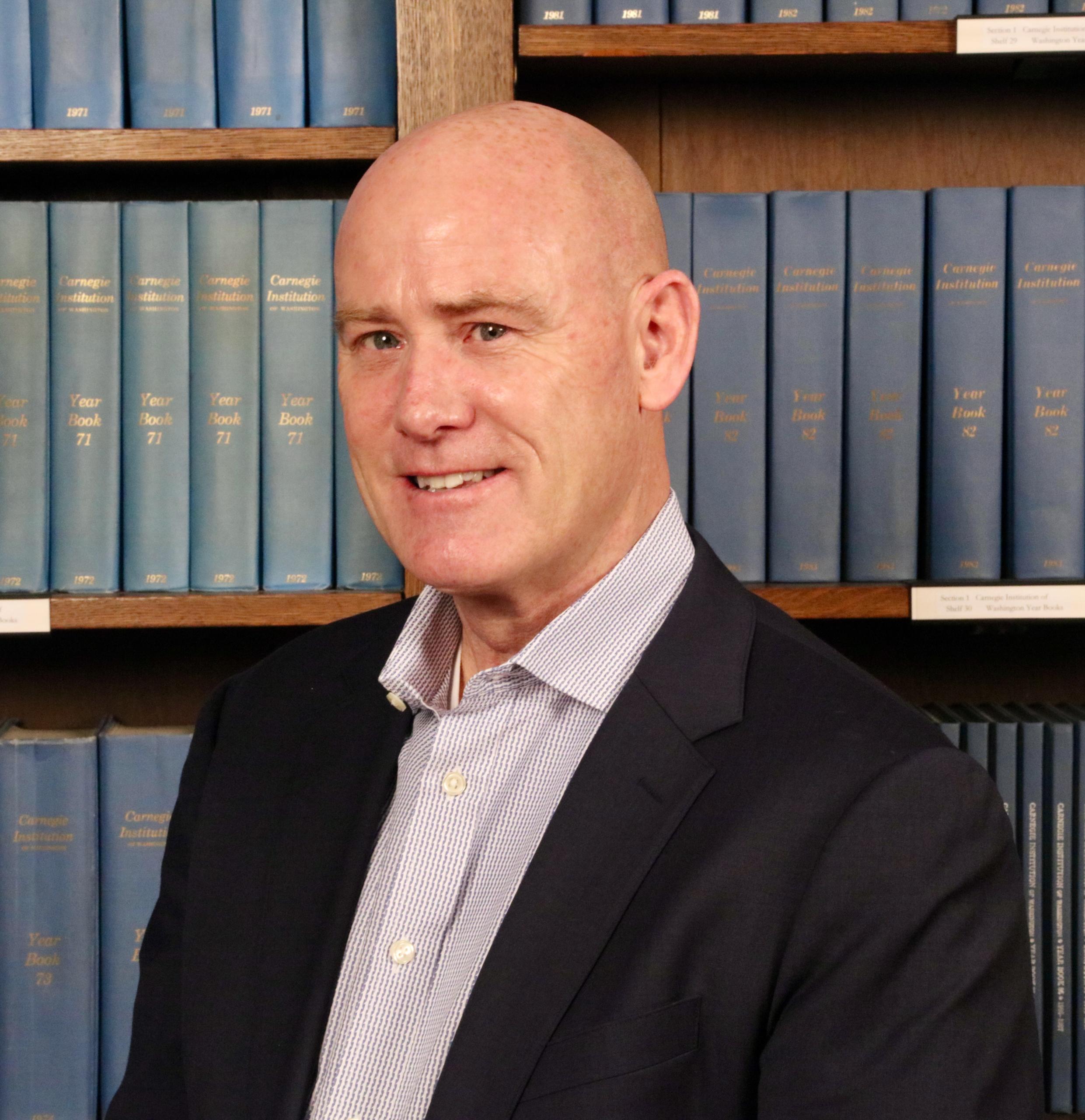
Tim will report to Aaron Kowalski, Ph.D., who will continue to serve as Breakthrough T1D’s Chief Executive Officer.
He will serve as a critical strategic partner to Aaron, leading organizational operations to broaden Breakthrough T1D’s reach and impact, working with Breakthrough T1D’s executive team and International Board of Directors.
Tim’s appointment will enable Aaron to focus on overall strategy and take a more active, external-facing role driving growth and accelerating mission as the face and voice of Breakthrough T1D.
Tim is a highly experienced and well-regarded leader with a track record of success developing and implementing strategic plans and management strategies in higher education and research institutions. He comes to Breakthrough T1D from the Carnegie Institution for Science, where he served as COO.
Prior to that, he was Associate Dean for Finance and Chief Financial Officer (CFO) for Harvard’s School of Engineering & Applied Sciences. Tim earned a Master of Business Administration degree from Suffolk University and served 13 years in the United States Army. His ability to build high-performing teams and collaborate across complex organizations will be a tremendous asset to Breakthrough T1D.
“As we begin to see light at the end of the COVD-19 tunnel and come into 2021 prepared to propel Breakthrough T1D to an even higher level of impact, we look forward to the value Tim brings to Breakthrough T1D,” Kowalski said. “I am confident that Breakthrough T1D will greatly benefit from Tim’s expertise as we focus on accelerating our mission through significant growth in the years to come and meaningfully improving lives during every stage of the type 1 diabetes journey.”
Tim’s passion for Breakthrough T1D’s mission is fueled by family members, colleagues, and friends who live with T1D.
Please join us in welcoming Tim as he joins Breakthrough T1D and works to advance the mission we all share.
Breakthrough T1D, the leading nonprofit organization dedicated to curing, preventing and treating type 1 diabetes (T1D), was recently selected as a winner of the 2020 Amazon Web Services (AWS) Imagine Grant, a public grant opportunity open to registered 501(c) nonprofit organizations in the United States.
The award goes to nonprofit organizations that are using technology to solve the world’s most pressing challenges.
“We received an inspiring set of applications for this year’s AWS Imagine Grant, representing a diverse set of projects across the nonprofit sector,” said Vice President of Nonprofits and U.S. Government at AWS Dave Levy. “We congratulate our winners, who are doing fantastic work to address important societal challenges. AWS looks forward to collaborating with these amazing organizations and to building, inventing, and reimagining solutions that drive meaningful change.”
Breakthrough T1D will receive up to $100,000 in unrestricted funding and up to $50,000 in AWS Promotional Credits. This will be in addition to other capacity-building resources, such as training and implementation support.
Breakthrough T1D will use the grant to help advance its mission to cure and treat T1D and its complications, as well as improve the lives of those living with the disease.
Proposals for the AWS Imagine Grant were judged on several factors, including the innovative and unique nature of the project, impact on mission-critical goals, and clearly-defined outcomes and milestones.
T1D Diagnoses Increasing
According to a 2020 CDC report, the number of people living with T1D in the United States has grown from 1.25 to 1.6 million. Health care costs and access to and affordability of insulin—as well as advanced technologies that help manage T1D, such as continuous glucose monitors (CGM)—can present major impediments to improved health outcomes.
This project, in collaboration with AWS and Breakthrough T1D’s other industry partners, will help Breakthrough T1D to harness the power of data and technology in its mission to discover and get cures into the hands of people with T1D faster.
Three key goals of this initiative are:
- Data Access: Make the most meaningful T1D data securely accessible to researchers, clinicians, and key stakeholders/organizations to drive adoption of proven treatments, enhance regulatory pathways and manage T1D effectively.
- Amplify and Accelerate Breakthrough T1D’s Mission: by enrolling more supporters and advocates and helping to accelerate the discovery, regulatory approval and adoption of cures and disease modifying therapies.
- Enable and inspire innovations in the T1D treatments and cures field by leveraging data and technology across the community to prevent, cure, and treat T1D
“This award is a testament to how we’re driving progress during this challenging time,” said Breakthrough T1D President and CEO Aaron Kowalski, Ph.D. “In recognizing the advances Breakthrough T1D is making in leveraging data and technology, the AWS Imagine Grant will help us accelerate novel therapies and cures and get them into the hands of people living with T1D as soon as possible.”
Tackling Critical Challenges
Now in its third year, the AWS Imagine Grant program provides vital resources to nonprofit organizations looking to deploy cloud technology as a central tool to achieve mission goals. As part of the program, AWS seeks proposals for big ideas on how to leverage technology in new and innovative ways to accelerate impact in local and global communities.
Previous winners are currently using AWS services to tackle critical challenges such as finding cures for childhood cancer, stopping illegal fuel dumping in oceans, giving unbanked populations a financial voice, and helping veterans access critical support.
Since the launch of the Imagine Grant program, AWS has awarded over $2.5M in funding, AWS Promotional Credits and AWS training support to 26 nonprofit organizations.
“We at Breakthrough T1D and our T1D community are excited to receive the AWS Imagine Grant,” said Breakthrough T1D Chief Data and Technology Officer Sri Mishra. “Collaboration between technology leader AWS and Breakthrough T1D will open-up tremendous opportunities to help accelerate the discovery and adoption of cures and disease-modifying therapies for T1D.”
Learn more about the AWS Imagine Grant and how previous winning nonprofit organizations are using the award to advance their missions.
Read the Amazon Web Services announcement about the 2020-2021 recipients of the AWS Imagine Grant.
Accurate control of blood sugar for people with type 1 diabetes (T1D) was not easy in the 1970s. At the time, the degree of diabetes control relied on patient history, urinary sugar and blood-sugar measurement at the time of the doctor’s visit. There was nothing that could tell you what your blood-sugar levels were for the past 2 to 3 months.
Enter Anthony Cerami, Ph.D. In 1976, he and his colleagues, knowing that sugar attaches to red blood cells (hemoglobin) in the body, demonstrated that it could be used to determine how well blood sugar had been controlled in the previous 2 or 3 months (because red blood cells have a life span of about 120 days). This discovery led to the creation of the hemoglobin A1c (HbA1c) test. (Although other researchers had already observed elevated HbA1c levels in people with diabetes, Cerami was the first to propose its use for monitoring blood-sugar control.)
Breakthrough T1D funded Dr. Cerami in 1976-1978, to study the role of HbA1c as a monitor of diabetes control. This led to it being used for the Diabetes Control and Complications Trial (DCCT), a comprehensive clinical study from 1983-1993, to find out if intensive insulin control warded off complications from the disease. The conclusion of the trial: people who were able to keep their blood-sugar levels as close to normal as possible, as assessed using HbA1c, had less chance of developing complications, such as eye, kidney, heart and nerve disease.
At the time, many doctors had not put much emphasis on tight control of blood-sugar levels. The common belief for decades was that diligent monitoring of blood sugars and intensive insulin therapy had little consequence for people with diabetes. Since the DCCT’s findings, statistics have proven that tight blood-sugar control can be extremely beneficial for people with diabetes.
Without HbA1c, this would have been nearly impossible to demonstrate.
Breakthrough T1D recently became the first nonprofit organization whose Chief Data and Technology Officer, Sri Mishra, has received one of three, highly-coveted annual awards from the International Society of Chief Data Officers (isCDO).
 Inaugurated in 2017, the awards recognize the achievements of Chief Data Officers (CDOs) who led organizations in developing and implementing analytics capabilities with outstanding transformational results.
Mishra received the award at the 2020 Annual MIT Chief Data Officer and Information Quality Symposium hosted by MIT’s Sloan School of Management on Wednesday, August 19.
In recognition of the development and implementation of a data-driven technology architecture and infrastructure to centralize all of Breakthrough T1D’s digital systems and data, Mishra accepted the award titled “Transformation of Collaboration from Inwards to Outwards.”
According to the isCDO, the category acknowledges work that has demonstrably “impacted business mission outcomes, improved trustworthiness and timeliness of data, improved data governance” and provides a unified, secure and user-friendly data experience to internal and external stakeholders.
A Bold Vision For the Future
Breakthrough T1D’s technology transformation is a critical linchpin of its bold vision for the future: to accelerate mission and become more volunteer-powered than ever before.
The vision outlines Breakthrough T1D’s strategies to drive greater impact to unlock cures and drive research that improves the lives of people with type one diabetes (T1D) today.
As part of that vision, Breakthrough T1D will use its technology transformation to advance research collaborations, increase fundraising, and engage more supporters.
Improved technology has already helped with the disruption brought on by the coronavirus pandemic: in a timely manner, Breakthrough T1D was able to pivot from in-person to virtual community-building and fundraising events.
“We were thrilled our efforts helped the T1D community continue to move our mission forward in this challenging time,” Mishra said.
Breakthrough T1D has a bold vision for the future: to accelerate mission and become more volunteer powered than ever before. The vision outlines Breakthrough T1D’s strategies to drive greater impact to unlock cures and drive research that improves the lives of people with type one diabetes (T1D) today.
T1D research is advancing at unprecedented rates. Beta cell therapies are being tested in people with T1D. And an immune therapy, teplizumab, was recently shown to delay onset of T1D by three years in people almost certain to develop the disease. These are some of the recent advances that would not have been possible without Breakthrough T1D.
In the midst of this progress comes a global pandemic, which upended our fundraising model. We’re now fast-tracking new strategies to maintain our mission momentum. The strategies focus on three areas: mission, funding, and community engagement.
Mission:
We continually evaluate our research portfolio and will prioritize opportunities with the greatest potential to lead us to cures and life changing advances in the shortest amount of time. A top priority will continue to be accelerating the development of first-generation beta cell replacement therapies that demonstrate six months of insulin independence or more. We’re also focusing on the development of disease-modifying therapies that delay, stop or reverse the development of T1D.
We are putting our focus on research closest to becoming real world, life-changing interventions, both through our research grants and T1D Fund investments. And we will continue to use our leadership to drive advances through the research and development pipeline so they get into the hands of people with T1D as soon as possible.
Funding:
We will continue our critical core community-based fundraising events, reimagined in a new operational model, while seeking to grow multi-year philanthropic giving. Events build community and engage our supporters. However, the need for social distancing has upended this model, showing the vulnerabilities of our reliance on in-person events. Also, greater efficiency is crucial. Our largely event-based model is resource intensive as we host hundreds of local events, such as Walks, Rides, and Galas, around the nation. And we must do more to reach all those with T1D. That’s why we have realigned our chapter footprint to leverage chapter and regional staff, as well as volunteers, to support broader geographies more efficiently and become a more “volunteer-powered” organization. We are also working to prioritize multi-year philanthropic giving, venture philanthropy, and individual giving to bring more dollars to mission.
Community Engagement:
We know that volunteers are the engine driving our success. We will become even more volunteer powered as Breakthrough T1D enables volunteers to have greater impact on mission than ever before. We’ll also engage people outside the areas where we have chapters and staff, using new digital strategies to reach even more supporters. We can widen our tent to include people outside the T1D community who also benefit from our research, such as people with insulin-dependent type 2 diabetes who, for instance, can benefit from our work driving innovation and access to diabetes technologies.
The University of Michigan announced the establishment of the Elizabeth Weiser Caswell Diabetes Institute at Michigan Medicine in collaboration with other university schools and units.
A $30 million gift from the Weiser family of Ann Arbor will support diabetes research and the development of life-changing diabetes therapies.
The Elizabeth Weiser Caswell Diabetes Institute will centralize and coordinate campus resources — anchored by a group of more than 250 world-renowned, dynamic researchers in diabetes, diabetic complications, obesity and metabolism — and allow University of Michigan to bring new depth and discovery to the quest for answers to diabetes.
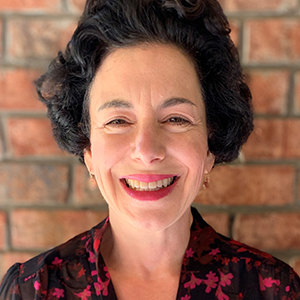
The Institute is named for Breakthrough T1D Research Committee member Elizabeth Caswell, who will become Committee Vice Chair, and a member of the Breakthrough T1D International Board of Directors, on July 1st.
Two of Caswell’s three sons have type 1 diabetes (T1D), as does her husband.
“One of the things that has filled me with great pride is my volunteer work on the Research Committee at Breakthrough T1D. I’ve seen the progress that has happened since I met my husband in 1991 to having continuous glucose monitors and pumps that interact to make automated insulin delivery devices and there are more exciting potential changes on the horizon that will reduce the daily burden for people living with T1D,” said Caswell, also of Ann Arbor. “I’m so hopeful about cures for T1D that involve beta cell replacement and immunotherapies—these have the potential to impact millions of people.”
“Diabetes is so hard. You don’t want to think about complications, but you know they’re out there,” Caswell added. “Diabetes doesn’t allow anybody to shut down and forget about it; there’s no break. Fortunately, the team at Michigan Medicine has been there for us every step of the way — advising us on daily care, advances in treatment technologies, and opportunities for clinical research. Until T1D is cured, we are grateful for top-notch care at one of the best research institutions in the world.”
“Elizabeth has been a relentless educator and advocate for people with diabetes and for diabetes research,” said Ron Weiser, Caswell’s father, a member of the University of Michigan Board of Regents, who with his wife , Eileen, made the gift for the institute. “Our family hopes that the collaboration among physicians, researchers, innovators and advocates across campus will allow the work she’s done — and continues to do — to be rewarded with cures for diabetes.”
Type 1 diabetes affects nearly 1.6 million Americans. Research is invaluable to the T1D community as each discovery brings us closer to finding cures and new treatments that help ease the daily burden of living with T1D.
“This gift is transformational,” said Marschall S. Runge, M.D., Ph.D., executive vice president for medical affairs, dean of the University of Michigan Medical School and CEO of Michigan Medicine. “We are immensely grateful to the Weisers for opening the doors that enable our physicians and researchers to push the boundaries that will transition cutting-edge discoveries in diabetes investigations into lifesaving therapies for children and adults.”

Caswell, who received JDRF’s 2019 Huntsman Family Community Engagement Award, is a champion for the Breakthrough T1D Center of Excellence at the University of Michigan.
“The Center was inspirational to the gift that my family made to form the Institute,” Caswell said. “The Institute is larger in focus. It’s type 1, it’s type 2, it’s metabolic, it’s policy, it’s public health, it’s psychosocial. It’s anything and everything that touches diabetes across the entire University of Michigan with the cornerstone being scientific and medical research.
“By approaching things across disciplines, I hope that we can accelerate life-changing treatments and cures,” Caswell said.
At Breakthrough T1D, we are committed to funding the development of new therapies to keep people with type 1 diabetes (T1D) healthier, longer, until cures are found. We saw an incredible number of key advances that have both improved the lives of those living with the disease today and that have taken us so much closer to cures for T1D. Here to tell you about it is Aaron Kowalski, Ph.D., President and CEO at Breakthrough T1D. (You can also read the top advances below the video.)
Two-Year Delay in Onset: An immune therapy was able to significantly delay—for an average of two years—the onset of T1D. The drug is called teplizumab, and this was the first ever study in humans to show a delay in the onset of type 1. The drug is now being tested in a phase 3 clinical trial in people who have been recently diagnosed, headed by Provention Bio, a company with an investment from the Breakthrough T1D T1D Fund. If successful, we will be moving ever closer to a world without this disease.
Second Artificial Pancreas System Approved: The U.S. Food and Drug Administration has approved an algorithm that clears the way for the second artificial pancreas system to enter the market: the Tandem Control-IQ technology. Use of the algorithm resulted in more time-in-range, with less highs and lows, and no severe low blood-sugar events. This is a win for all of us in the T1D community as it provides people with another option to improve daily blood-sugar management.
Europe and Japan Approve Three Adjunct Therapies: SGLT inhibitors, which have been approved for type 2 diabetes since 2011 and help diminish blood-sugar swings, received approval for use within T1D, as well. European and Japanese authorities approved three SGLT inhibitors, to use with insulin to improve glycemic control in adults. These approvals provide the international community with another option to improve daily blood-sugar management, and we applaud the international community for these approvals.
Pharma Makes a Landmark Investment: Our investment in the T1D space has been multiplied by the Breakthrough T1D T1D Fund, a venture philanthropy fund we started in 2016. Now just over three years old, the T1D Fund had almost 100 million dollars under management and had made almost 50 million dollars in investments. One of those companies, Semma Therapeutics made headlines when it was acquired by Vertex Pharmaceuticals for nearly 1 billion dollars. Semma was founded by Dr. Doug Melton, who was backed by Breakthrough T1D and made breakthroughs in making beta cells from stem cells, work that Semma continues to advance toward novel beta cell replacement therapies for T1D. By bringing other, larger firms’ investments in the T1D space and re-investing returns from its investments, we can leverage our resources much more quickly and strategically, with the ultimate goal to find cures for T1D and improve the lives of those living with the disease today.
Breakthrough T1D Advocacy: Our volunteers, teams and Advocacy Leadership have also done tremendous work this past year, passionately fighting for the renewal of the Special Diabetes Program and additional funding for T1D research. This included hosting our 2019 Children’s Congress, with 165 student delegates sharing their personal stories and showcasing the need for ongoing research to find cures for T1D. Breakthrough T1D Advocacy has also been relentless in speaking up against the high cost of insulin and ensuring personal choice in treatments.
Community Engagement: Our Chapters and Community Engagement teams also have increased educational efforts, mentorships, support for the newly-diagnosed and new information on advances in technology, medicine and research that might help their personal management of this disease. Their work is both tireless and inspiring, and incredibly impactful.
As a community, we want to grow stronger and healthier together. As an organization, we will push harder, faster and with dedicated focus to get us to cures.
What might be the next best thing to having a healthy pancreas that is steadily producing insulin? It could be a device inside a person’s body that would protect the implanted beta cells from attack, while allowing the cells to produce insulin for you. Dan Anderson, Ph.D., has been working for years to create devices that deliver therapies to people who need them, including type 1 diabetes (T1D).
Delivery of insulin via devices is difficult in T1D cases because of the body’s own autoimmune response. Not only does the body attack beta cells in T1D, but the immune system also attacks foreign substances – including engineered items like a device. Anderson, a professor at the Massachusetts Institute of Technology at the institute for medical engineering and science, has been working with colleagues for years to create devices that can successfully deliver insulin to people with T1D over time.
In the past, the only way to get beta cells was to take them from a donor pancreas. But research in that area has come a long way. Teams that Dr. Anderson has worked with have been able to produce unlimited beta cells from stem cells, but now everyone is dealing with the difficulty of evading the immune system.

Dr. Anderson’s lab has helped develop a device that protects beta cells inserted into animal models. The device is coated with a substance that keeps the body from forming scar tissue around the device. That way, the beta cells inside can get the oxygen and nutrients that they need to survive and thrive. Wrapped around the device is a layer that allows some immune cells in, but not the T cells that would harm the beta cells. “This device allows us to transplant these cells to survive and function without immune suppression, thereby providing blood sugar control without outside injected insulin,” says Dr. Anderson.
The next phase of research is aimed at refining the device, as well as determining the optimal location for where it should be placed in the body, to help it function much longer, and in humans.
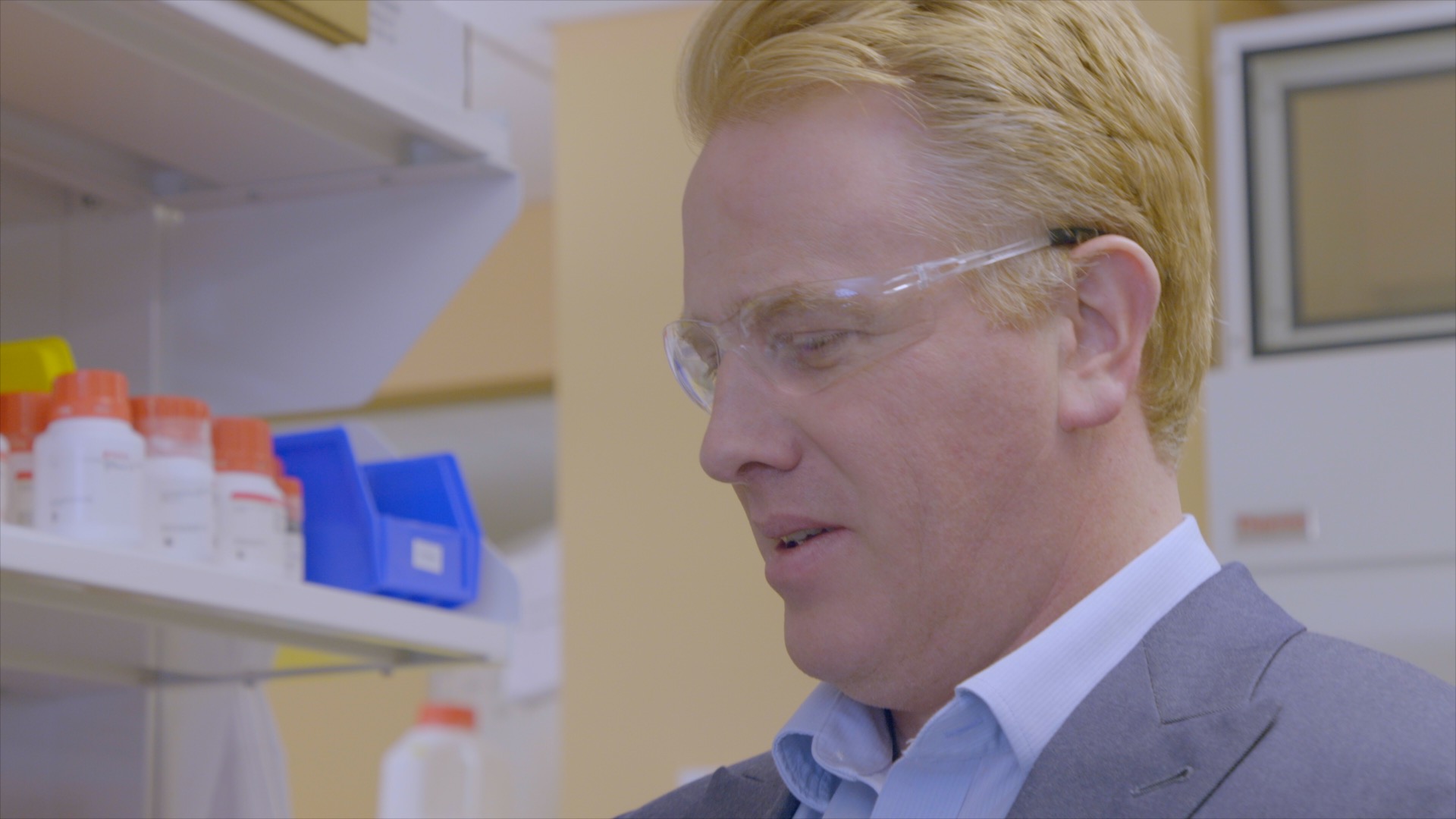
Hear Dr. Anderson talk about his research—and get introduced to many more Breakthrough T1D-supported researchers—by visiting our new site meet the Scientists. See how researchers are forging their own paths to help find cures and improve the lives of those living with T1D.
Funding beta cell replacement research is extremely important to Breakthrough T1D. Please consider donating today, to help push our progress forward toward T1D cures with your support.
Quite quickly, the coronavirus pandemic has disrupted daily life, jolted perspectives and could very well change how we work and interact with each other for a long time to come.
But what has the impact been inside research labs, where Breakthrough T1D-funded scientists have been driving hard and fast to deliver cures for type 1 diabetes (T1D) and improve lives?
The fact that COVID-19 is here doesn’t change anything about the need to continue the momentum for T1D.
In short: research continues, as does the fight to cure T1D.
“The fact that COVID-19 is here doesn’t change anything about the need to continue the momentum for T1D,” said Mark Poznansky, M.D., Ph.D., Director of the Vaccine and Immunotherapy Center at Massachusetts General Hospital. He also is a researcher and attending physician for general and transplant infectious diseases.
“Nothing has changed from that point of view,” he said. “We must continue to think about and work where possible on a cure for T1D.” Around the world, researchers echo Dr. Poznansky’s commitment.
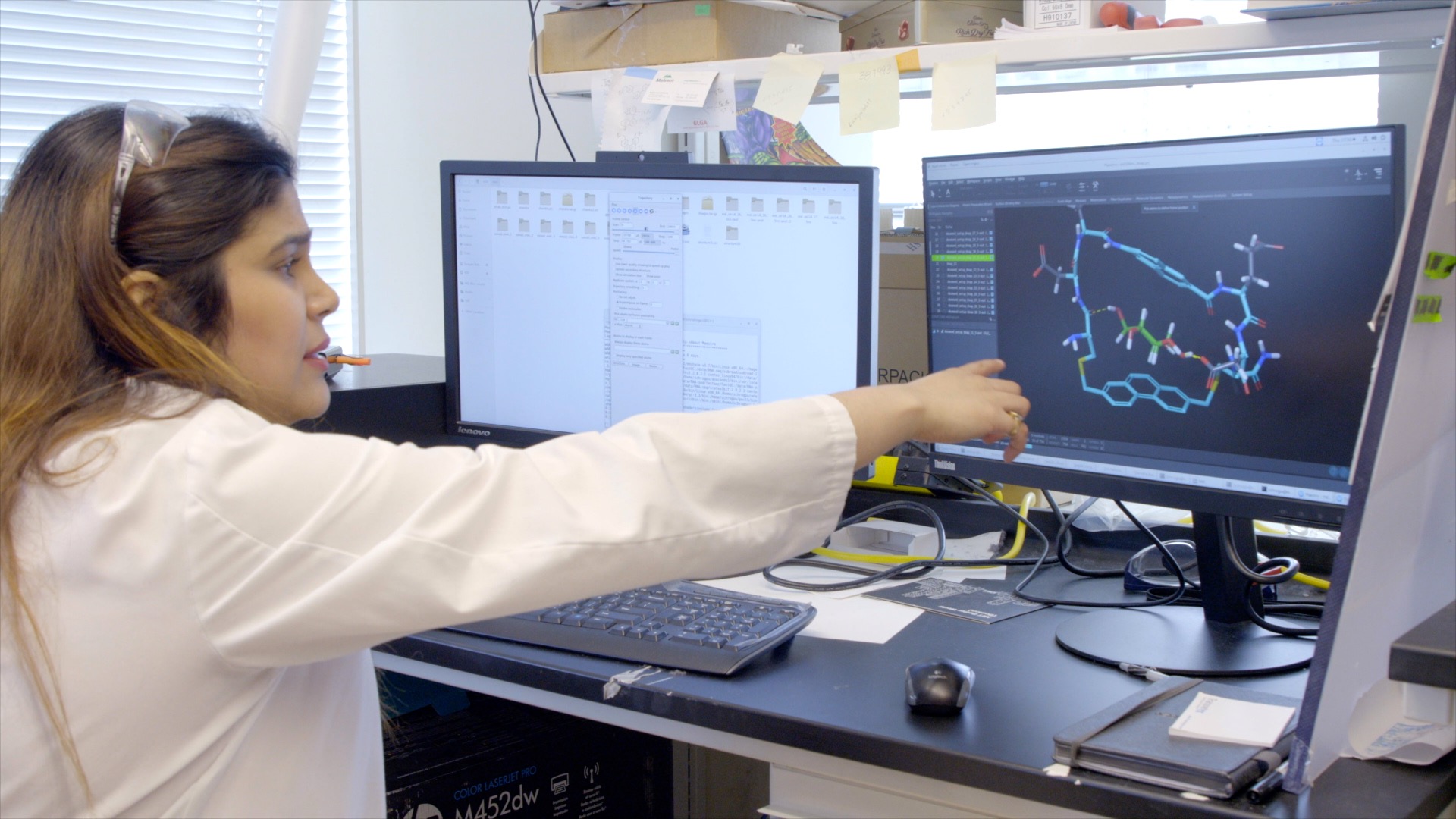
Work processes are changed and some slowed, but research continues.
At Massachusetts Institute of Technology, teams have shifted their focus to critical projects that can be done remotely. “We have currently prioritized our work on designing computational modeling experiments, literature research and learning new techniques online,” said Chandrabali Bhattacharya, Ph.D., an MIT postdoctoral fellow. “We are also working on manuscripts.”
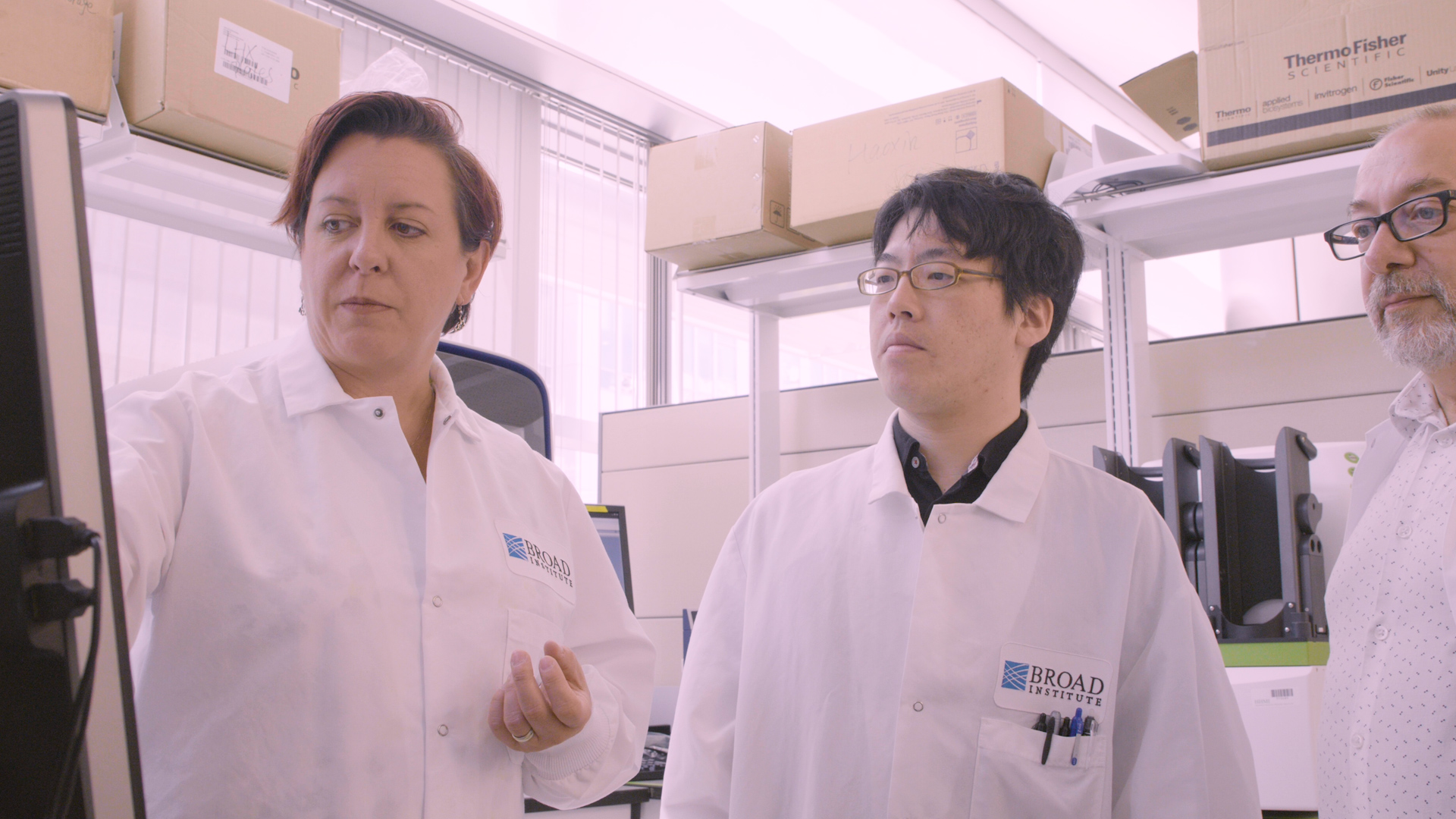
Other researchers are focusing on analyzing data sets, writing up methods and re-ranking their upcoming experiments in order of relative importance. “This period of reflection and study is really important. I view it as a great opportunity to develop new ideas and refine existing ones,” said Bridget Wagner, Ph.D., scientist at the Broad Institute in Boston.
Josephine Forbes, Ph.D., honorary professor at Mater Research in Australia, says most researchers are part of larger global teams, and this is a good time for those teams to coordinate by evaluating projects and their associated findings. She also notes the number of other tasks that researchers can focus on. “In research there is ALWAYS reams of paperwork, data analyses, training updates and reading of others work, which usually get squeezed into the wee hours of the morning. Time to get that all done!”
Bastiaan de Galan, M.D., Ph.D., assistant professor at the Radboud University Medical Center in the Netherlands, is busy reorganizing his work so that when he can return to the lab, he can hit the ground running. “Diabetes research is facing delays, but we will pick it up once the pandemic is under control and double the pace to catch up.”
A few labs remain open for T1D-related work.
Dr. Poznansky said emergency exemptions are keeping some labs open, including those that work with animals and insulin-producing cells. The welfare and potential loss of experimental animals made the research too critical to halt. “We were allowed to continue several animal experiments with extended time points. It was important not to lose that long-term data.”
Kathrin Maedler, Ph.D., of the University of Bremen in Germany, said she is able to access labs for the same reason. “[They] understood that animal experiments cannot just close down, and therefore my team is allowed with a special permission to enter the building and continue animal care and research. Thus, luckily, our research is not so much affected by the lockdown.”
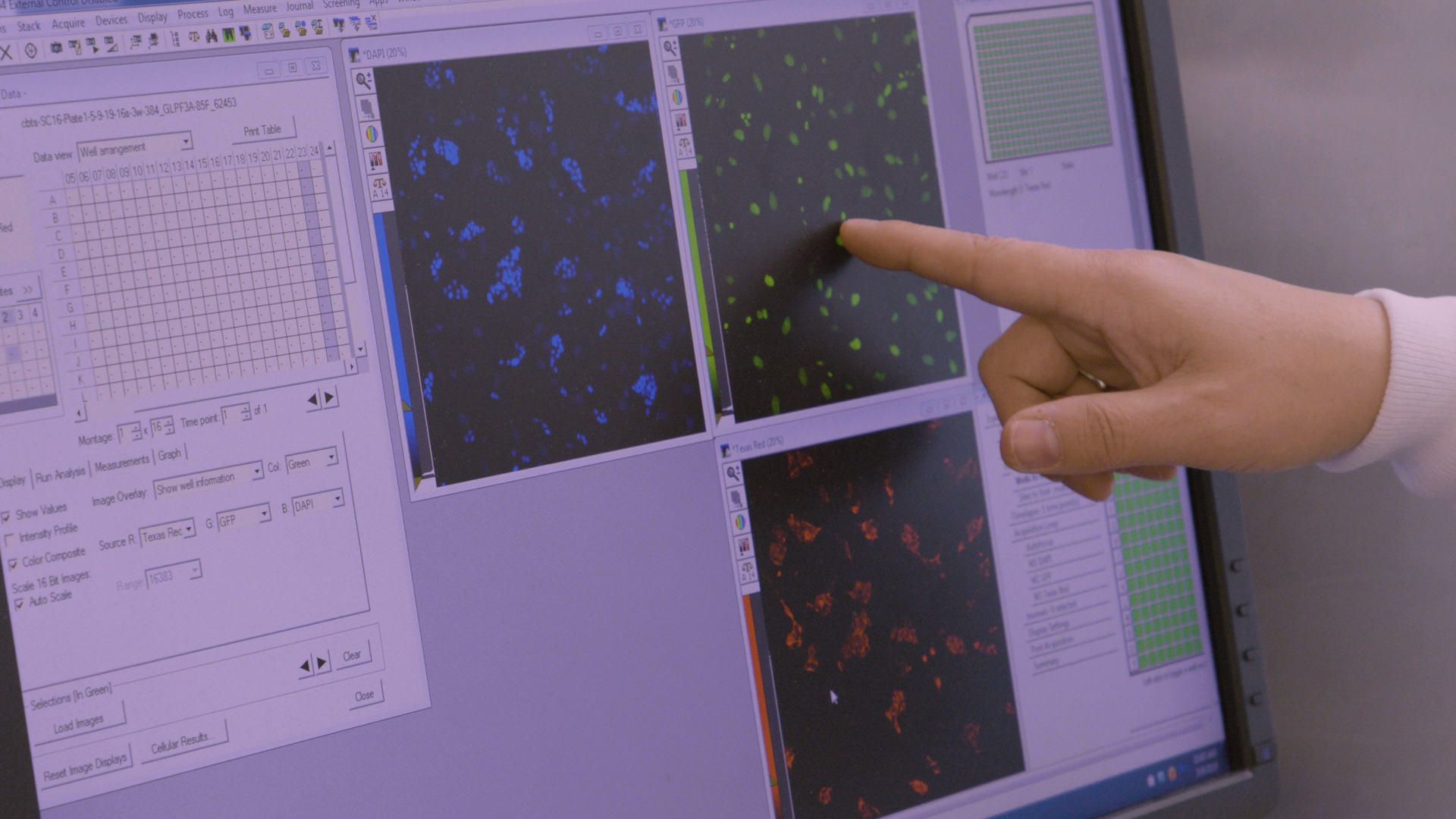
Some Breakthrough T1D-funded researchers have joined the fight against COVID-19.
Dr. Wagner said the Broad Institute was recently named a Massachusetts state reference lab for COVID-19 testing. Teams there are performing thousands of tests a day, so activity at the processing lab is extremely robust.
Breakthrough T1D-funded researcher Robert Langer, Sc.D said a company he co-founded, called Moderna, had been working on general coronavirus vaccines for some time. At the outset of this outbreak, the Moderna team quickly pivoted to include work on COVID-19. “We are working on stopping COVID-19 by various means. Moderna already has a vaccine in clinical trials,” said Langer, who also is a professor at the David H. Koch Institute at MIT.
Technology is helping everyone adapt and ensure work continues.
“MIT was very quick to respond and take measures implementing social distancing and later on shutting down to keep every one of us safe,” says Bhattacharya. “We are all adapting to the idea of working remotely.”
Riitta Lahesmaa, Ph.D., of the University of Turku in Finland says she meets with her team members more frequently to ensure that work continues to move forward as quickly as possible. “Meetings are frequent and arranged via videoconferences,” she said.
Technology has also enabled patient appointments to continue uninterrupted. Jennifer McVean, M.D., assistant professor at the University of Minnesota, says all of her recent patient appointments have been converted to virtual visits. “I am so thankful for diabetes technology, as patients can upload their devices at home and I can access their data remotely….Over 80% of outpatient clinical care has been shifted to telemedicine.”
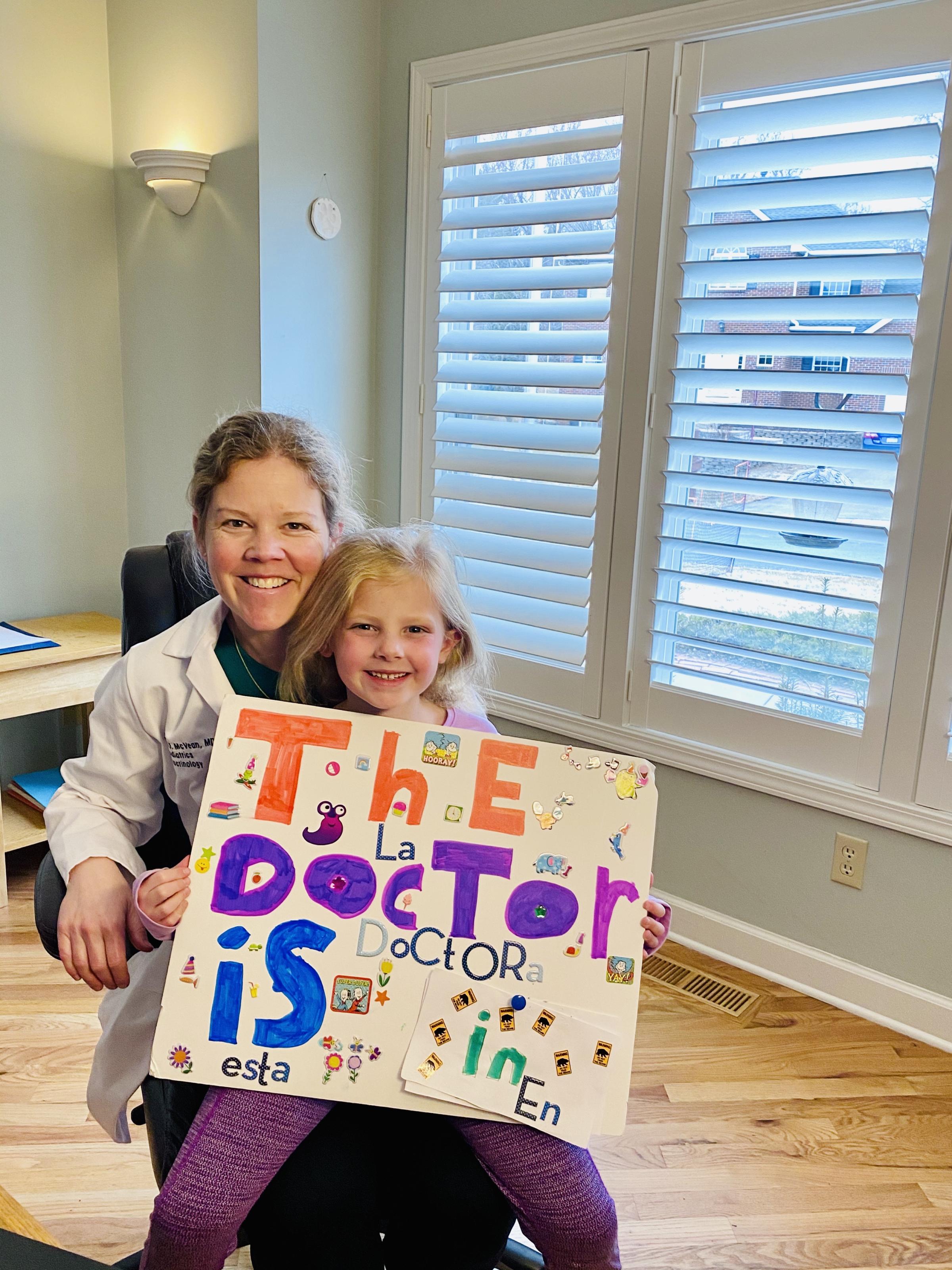
Jennifer McVean, M.D., who has lived with type 1 diabetes for 32 years, and her daughter, Elizabeth, in their “new” office.
A resilient spirit is indispensable right now.
Elad Sintov, Ph.D., a postdoctoral fellow at Harvard University, said he feels disarmed from his tools because he cannot access lab equipment. “As a person that had a mission, it’s easy to fall into frustration in these times, but when you have a goal and purpose—curing T1D—you can’t give up.”
“Research is important. We have a destiny; to find a cure for T1D,” says Dr. Maedler. “We have so many experiments running, and thanks to special permits the corona cannot stop us to do our research. It’s difficult, but we can do it.”
Perhaps Dr. McVean sums it up best: “T1D research is a marathon, not a sprint. Right now, we need to pause, stay at home, and stay safe and healthy. When we emerge on the other side of COVID-19, we will pick up the race to cure T1D with renewed energy and passion.”
Covid-19 has brought the entire planet into unprecedented times.
Thanks to technology, COVID-19 has not put the brakes on Breakthrough T1D’s support to the T1D Community and fulfilling our mission. With the help of technology, Breakthrough T1D is continuing to serve our community at the same pace and dedication.
Here are some of the key technologies Breakthrough T1D is using during this pandemic.
- Virtual Working: All of Breakthrough T1D employees are working remotely now. The transition to virtual working has been seamless due to the right technology Breakthrough T1D has put in place for its employees. During last year, as part of Breakthrough T1D’s Digital Transformation initiative, all Breakthrough T1D employees were provided with laptops, collaboration technology platforms (e.g. Microsoft TEAMS), productivity platforms (e.g. O365, OneDrive) and cybersecurity tools (e.g. Multi-Factor Authentication, 24×7 Cyber Monitoring).
- Move to Cloud-based Applications: Breakthrough T1D has transitioned all its legacy on-site business operations applications to the cloud (e.g., Financial systems, CRM, email, Datawarehouse moved to AWS/Azure). This has ensured business continuity even though all employees are remote now.
- Leveraging Digital Channels to Support the T1D Community: Breakthrough T1D has continuously updated its website to provide up to date COVID-19 information for the T1D community (https://www.breakthrought1d.org/coronavirus/). Breakthrough T1D internal intranet for employees (MyJDRF) has also been revamped to ensure staff are aware of the latest communications.
Breakthrough T1D will be continuously upgrading its technology to support and accelerate our T1D mission.
Sri Mishra
CTO, Breakthrough T1D

