In honor of the 100th anniversary of the first administration of insulin, Breakthrough T1D launched “100 Years, 100 Breakthrough T1D Scientists,” to tell the story of scientists and their discoveries, which put together the vast knowledge that we have about diabetes today.
The next one, for Healthy Vision Month: Treatments for diabetic eye disease.
Several decades ago, blindness and severe vision loss occurred in 40 percent of people with diabetes, but we have made progress since that time. Early detection and timely, appropriate treatment can reduce the risk of blindness by over 95 percent. Nonetheless, tens of millions of people, worldwide, still suffer from limited vision and blindness due to diabetes and the side effects of current treatment methods, and there is a real need to redouble our efforts to develop advanced and effective new therapies to restore vision and “cure” blindness in those so affected and prevent visual loss in the first place in people at risk.
The retina is a thin layer of specialized nerve tissue on the back wall of the eye. It converts light into electric signals that are transmitted to the brain where the images we “see” are generated. The center of the retina, called the macula, is responsible for the sharp clear vision needed for reading and other daily tasks. Abnormal leaking from blood vessels damaged by diabetes can lead to swelling of the macula and vision loss. Diabetes also causes direct damage to nerve cells of the eye, including cells in the periphery of the retina. These changes stimulate the development of abnormal blood vessels, which are fragile and can bleed and further destroy the nerve tissue around them, scarring the retina and putting people at high risk for low vision and blindness.
Starting in the 1970s and 1980s, Breakthrough T1D supported the pioneering work of Lloyd M. Aiello, M.D., who, along with William P. Beetham, M.D., was a pioneer in introducing retinal photocoagulation therapy—a laser treatment that intentionally scars the peripheral retina in an effort to preserve the central vision needed for reading. Laser therapy has been successful in reducing the rate of blindness and severe central visual loss in proliferative retinopathy, as well as reducing progression of diabetic macular edema.
In the 1990s, Breakthrough T1D supported multiple research grants, including one proposed by Lloyd Paul Aiello, M.D., Ph.D. (Lloyd M.’s son), and George King, M.D., that showed that levels of VEGF, a protein the body makes which promotes the growth of new blood vessels in the eye, were elevated in people with diabetic retinopathy. Blocking VEGF substantially reduced the development of these fragile, leaky new blood vessels, suggesting that inhibiting VEGF might be a potential treatment for diabetic retinal disease.
For their contributions to research, Dr. Lloyd M. Aiello, Lloyd P. Aiello, and George King received prestigious Breakthrough T1D awards; the former two were given the prestigious David Rumbough Awards, and the latter was given the Breakthrough T1D Mary Tyler Moore and S. Robert Levine, MD Award for Excellence in Clinical Research.
Clinical Development and Regulatory Approval
Lucentis® (ranibizumab) and Eylea® (aflibercept), which are designed to inhibit VEGF, are two approved therapies for diabetic macular edema and diabetic retinopathy. Lucentis was approved in August 2012, and Eylea was approved in March 2015.
Breakthrough T1D played a critical part in clinical studies that led to their approval. A clinical trial of Lucentis (ranibizumab), funded by Breakthrough T1D and run by Quan Dong Nguyen, M.D., and Peter Campochiaro, M.D., demonstrated that this is an effective treatment for diabetic macular edema, with eyesight improving significantly for the 10 patients tested. They would go on to complete two clinical trials—READ 2 and READ 3—that showed substantial improvement in eyesight in people with diabetic macular edema treated with the drug.
In 2013, an estimated 90 percent of retinal specialists in the United States reported treating vision loss from diabetic macular edema with anti-VEGF therapy.
Through the Restoring Vision Moonshot, a special initiative of the Mary Tyler Moore and S. Robert Levine Charitable Foundation and Breakthrough T1D launched to honor Mary’s contributions to diabetes awareness and research, Breakthrough T1D is now supporting additional research to find new ways to prevent the development of diabetic retinal disease, arrest its progression to preserve visual function, and restore lost vision.
Ensuring eye complications research continues, and accelerating the finding of “cures” for low vision and blindness and preventive treatments for diabetic retinal disease is extremely important to Breakthrough T1D and our T1D community.
Leading researchers gathered, in person, for the annual meeting of the Advanced Technologies & Treatments for Diabetes (ATTD) Conference, which took place from April 27-30. There were more than 4,000 attendees from 100 countries attending, both in Barcelona and virtually, and featured more than 30 studies presented by Breakthrough T1D researchers, funded now or in the past, working to find cures for type 1 diabetes (T1D) and improve the lives of those living with the disease today.
Here are a few highlights:
- Results from the multi-center randomized insulin-only iLet bionic pancreas pivotal trial were presented by Steven Russell, M.D., Ph.D. The iLet system focuses on ease-of-use: Only a person’s weight is needed for initiation; the only setting to adjust is the glucose target; and mealtime announcements do not require carb counting. Those on iLet saw a +2.6 hour per day time-in-range improvement relative to the standard care group, improving from 51 percent at baseline to 65 percent at 13 weeks. In the iLet group, A1c fell from 7.9 percent at baseline to 7.3 percent at 13 weeks.
Dr. Russell received a Breakthrough T1D grant from 2013-2016 to refine the iLet pancreas, based upon the work of Ed Damiano, Ph.D., CEO of Beta Bionics, who Breakthrough T1D funded from 2009-2011, for his early research testing the safety and efficacy of a novel closed-loop system (including Firas El-Khatib, Ph.D., a Breakthrough T1D postdoctoral fellow in his lab). The results of this work helped to inform the development of the iLet bionic pancreas.
- The findings from the InRange clinical trial were presented—the first-ever major industry-sponsored drug trial to use time-in-range as the primary outcome. Results, given by world-renowned scientists Richard Bergenstal, M.D., Thomas Danne, M.D., Tadej Battelino, M.D., Ph.D., Eric Renard, M.D., Ph.D., and Pratik Choudhary, M.D., Ph.D., found no significant difference in Toujeo (insulin glargine) and Tresiba (insulin degludec) users at 12 weeks using time-in-range. This is another step forward for the use of time-in-range and CGM metrics, and we look forward to hearing more on this front. (Go here if you want to read Breakthrough T1D’s position on time-in-range.)
- Stephanie Amiel, M.D., FRCP, a Breakthrough T1D grantee since she was a postdoc in the 1980s, presented results from the HARPdoc trial. The results, published in Nature Communications, showed that the behavioral health program HARPdoc did not reduce severe hypoglycemia compared to Blood Glucose Awareness Training (BGAT)—which was developed in the late 1980s—but it was superior to BGAT in reducing diabetes distress, depression, and anxiety, and these improvements in mental health were sustained over the entire duration of follow up.
The 2022 Insulin Centennial Award, a new initiative which aims to recognize the value and importance of continued innovation in diabetes, was given to Dr. Amiel. It was presented by Irl Hirsch, M.D., who praised Dr. Amiel for her major contributions to the care and quality of life for people with diabetes.
- Abbott, Ypsomed, and CamDiab announced a new partnership to develop an artificial pancreas system, using the Abbott FreeStyle Libre® 3 sensor, CamDiab’s CamAPS® FX mobile app, and Ypsomed’s mylifeTM YpsoPump®. The companies intend to complete development by the end of 2022 with commercial availability expected thereafter. This will be the first commercial system to come to market with an Abbott CGM.
Breakthrough T1D funding helped create the algorithm and pump for this partnership. The algorithm was developed by Roman Hovorka, Ph.D., who had several Breakthrough T1D grants from 2006 to 2019; it came to the UK market in 2020. Breakthrough T1D and Ypsomed have an ongoing pump development partnership as part of Breakthrough T1D’s Open-Protocol Automated Insulin Delivery System Initiative.
- Revital Nimri, D.Med., and Moshe Phillip, M.D., provided an update on the international consensus meeting on AID technology. Yet to be published, the consensus will recommend that artificial pancreas systems should be “considered” for and made available for all people with type 1 diabetes, especially those facing challenges with general glycemic management, hypoglycemia, and/or significant glycemic variability. The group also recommended that “all the payers (government and private) should reimburse/cover the AID systems along with initial and ongoing AID education and support for the management of T1D.” This is based on evidence that has repeatedly shown that AID provides greater time-in-range improvements than any other current technology.
It’s conference time! The next big conference is the American Diabetes Association 82nd Scientific Sessions, which will run from June 3-7 in New Orleans. Throughout it, Breakthrough T1D will be sharing updates, from the blog to interviews with key researchers and early-career scientists to a “Happy Hour” with CEO Aaron J. Kowalski, Ph.D. To stay updated, follow us on Facebook (@Breakthrought1dHQ) and X (@BreakthroughT1D).
Diabetes researchers from all over the world gather for the Advanced Technologies & Treatments for Diabetes (ATTD) Conference, which took place in-person (as well as online) on April 27-30 in Barcelona, Spain.
Many of the latest advances will be discussed, including research that Breakthrough T1D has funded to advance new breakthroughs and therapies for people with type 1 diabetes (T1D). In total, 32 researchers presenting are Breakthrough T1D-funded, either now or in the past, including our own Sanjoy Dutta, Ph.D., Breakthrough T1D’s Chief Scientific Officer, and Jeannette Soderberg, Ph.D., Breakthrough T1D’s Director of European Research, who will chair a Breakthrough T1D Session on the Utility of Patient-Reported Outcomes (PROs) in Therapy Development for T1D: Putting the End-User Upfront, which will feature renowned individuals from Tandem Diabetes Care, Novo Nordisk, Lexicon Pharmaceuticals, and ViaCyte.
Here are some more highlights of Breakthrough T1D-funded research that will be featured at the conference:
- Artificial Pancreas System Pivotal Trial: Results from the multi-center randomized insulin-only iLet bionic pancreas pivotal trial will be presented by Steven Russell, M.D., Ph.D., who received a Breakthrough T1D grant from 2013-2016 to refine the iLet pancreas, based upon the work of Ed Damiano, Ph.D., CEO of Beta Bionics, who Breakthrough T1D funded from 2009-2011, for his early research testing the safety and efficacy of a novel closed-loop system (including Firas El-Khatib, Ph.D., a Breakthrough T1D postdoctoral fellow in his lab). The results of this work helped to inform the development of the iLet bionic pancreas.
- Also in this Closed-Loop Updates Session are Breakthrough T1D-funded:
- Ohad Cohen, M.D., who will talk about real world data to optimize automated insulin delivery (AID) devices;
- Boris Kovatchev, Ph.D., whose algorithm led to the Tandem Control-IQ™ artificial pancreas technology, who will present on long-term, real-life use of closed loop control;
- Roman Hovorka, Ph.D., who generated the CamAPS® FX artificial pancreas system, on the applicability of closed loop solutions to type 2; and
- Revital Nimri, D.Med., and Moshe Phillip, M.D., two co-founders of the DreaMed Diabetes company, who will offer highlights from the international consensus meeting on AID technology.
- Also in this Closed-Loop Updates Session are Breakthrough T1D-funded:
- Time-in-Range vs. HbA1c: The findings from the InRange clinical trial comparing time-in-range with a continuous glucose monitor (CGM) to HbA1c will be presented by world-renowned scientists Richard Bergenstal, M.D., Thomas Danne, M.D., Tadej Battelino, M.D., Ph.D., Eric Renard, M.D., Ph.D., and Pratik Choudhary, M.D., Ph.D. I hope that this clinical trial confirms the use of CGM in clinical practice, as well as its application as an outcome measure in clinical trials. (Go here for a look at Breakthrough T1D’s position on time-in-range, which is a potentially better tool than A1c.) Stay tuned for the results.
- Exercise + T1D: Clinical trial results, funded by Breakthrough T1D, will be presented by Peter G. Jacobs, Ph.D., investigating the use of an artificial pancreas system that responds automatically to physical activity, using the iPancreas system developed by the Oregon Health & Science University. Preliminary results from the T1D Exercise Initiative (T1Dexi) will be presented by Michael C. Riddell, Ph.D., which should help researchers learn more about the effect of exercise on blood sugar and its role in artificial pancreas technology.
You’ve seen the ads: Victoza®. Ozempic®. Trulicity®.
They are for type 2 diabetes, and they lower your blood-sugar levels and cause the majority of people who use them to lose weight. And they can lower your risk of major cardiovascular events, such as heart attack and stroke.
But did you know that these drugs came about, in part, because of type 1 diabetes (T1D) research?
In honor of the 100th anniversary of the first administration of insulin, Breakthrough T1D launched “100 Years, 100 Breakthrough T1D Scientists,” to tell the story of scientists and their discoveries, which put together the vast knowledge that we have about diabetes today.
The next one: GLP-1 treatments.
Cloning the Hormone Glucagon
You read about the cloning and expression of insulin in our latest “100, 100,” but it does not stop with insulin. When she was a postdoctoral fellow working in the laboratory of Joel Habener, Ph.D., Pauline Kay Lund, Ph.D.—who would go on to receive a 1982-1985 Breakthrough T1D Career Development Award—was the first to clone the hormone glucagon and discover two new hormones: glucagon-like peptide 1 (GLP-1) and 2 (GLP-2).
Said Lund, in an interview published in the Autumn 1985 issue of Countdown: “By understanding the factors which regulate glucagon gene activity and the production of glucagon, GLP-1, and GLP-2, it should be possible to predict the dietary and hormonal influences which best produce normal regulation of plasma glucose. This will aid in development of preventive and therapeutic measures to produce normal glucose regulation in patients with diabetes.”
In other words, understanding the protein could lead to the development of drugs that can help you reach a better blood-sugar range for people with diabetes.
Subsequent work revealed that GLP-1 encourages the release of insulin from the pancreas and reduces the release of glucagon, and clinical trials demonstrated that it was effective in treating type 2 diabetes.
In 2005, the FDA approved Byetta (exenatide). There are now seven GLP-1 medicines on the market.
Breakthrough T1D Leadership
Breakthrough T1D funded copious research in the 1980s and 1990s to understand the role of glucagon and glucagon-like peptide 1 in type 1 diabetes, including:
- Patricia Brubaker, Ph.D., during her Breakthrough T1D-funded postdoctoral fellowship in the laboratory of Mladen Vranic, M.D., D.Sc., between 1982-1985.
- She would stay at the University of Toronto, working with Daniel Drucker, M.D., who held a Breakthrough T1D grant from 1992-2009, on GLP function and development.
- Louise Scrocchi, Ph.D., was a Breakthrough T1D-funded postdoctoral fellow in the laboratory of Dr. Drucker, from 1996-1998, when she demonstrated the critical role of GLP-1 as an incretin hormone.
And there are many more Breakthrough T1D investigators who had a hand in making this new class of agents a reality to the diabetes community.
Breakthrough T1D Clinical Trials
When GLP-1 treatments came out, everyone in the type 1 space wanted to know if it worked for type 1 diabetes. Breakthrough T1D and others funded a number of clinical trials testing it with insulin, to see if it improved outcomes. Unfortunately, although it reduced HbA1c and total insulin dose, it increased the rates of low blood sugar (called hypoglycemia) and high blood sugar (hyperglycemia) events, thereby limiting its clinical use.
In the past few years, however, we have started to wonder whether three drugs (insulin + 2 other drugs) might work, and are now funding a trial to see if a GLP-1 therapy (semaglutide, brand name Ozempic, Rybelsus) and an SGLT therapy (dapagliflozin, brand name Farxiga), taken with insulin, can reach better blood sugar levels, compared with a dual therapy or insulin only.
Results won’t be out for another year or two, but stay tuned.
[1] Lund PK, Goodman RH, Habener JF. Intestinal glucagon mRNA identified by hybridization to a cloned islet cDNA encoding a precursor. Biochem Biophys Res Commun 1981; 100: 1659-1666. PMID: 7028035.
[2] Lund PK, Goodman RH, Habener JF. Pancreatic pre-proglucagons are encoded by two separate mRNAs. J Biol Chem 1981; 256: 6515-6518. PMID: 6165720.
[3] Lund PK, Goodman RH, Dee PC, Habener JF. Pancreatic preproglucagon cDNA contains two glucagon-related coding sequences arranged in tandem. Proc Natl Acad Sci USA 1982; 79: 345-349. PMID: 7043459 PMCID: PMC345726.
[4] Lund PK, Goodman RH, Montminy MR, Dee PC, Habener JF. Anglerfish islet pre-proglucagon II. Nucleotide and corresponding amino acid sequence of the cDNA. J Biol Chem 1983; 258: 3280-3284. PMID: 6338015.
Senseonics, a medical technology company focused on the development and manufacturing of long-term, implantable continuous glucose monitoring (CGM) systems for people with diabetes, announced the approval of the next-generation Eversense® E3 CGM System by the Food and Drug Administration (FDA), for people ages 18+. The Eversense is the first and only long-term implantable CGM system, and the E3 includes technology that extends the use for up to 6 months.
Breakthrough T1D funded Senseonics in 2000-2003, for a “Minimally Invasive Long-Term Implantable Flourescence Based Sensor for Continuous Monitoring of Glucose,” which later advanced into the Eversense technology. Breakthrough T1D has spent years collaborating with the FDA to improve regulatory pathways for advanced diabetes technologies—and working closely with the Centers for Medicare and Medicaid Services (CMS) and commercial health plans to ensure this technology is covered and available to people with T1D.
Do you want to know what it’s like to use the Eversense?
Megan Casey, who has been working at Breakthrough T1D for more than 15 years and using the Eversense since 2018, says: “I have tried several CGMs, and I feel like I have finally found the CGM that has been just perfect for me and my lifestyle.” She concluded: “I love my Eversense.”
You can also read about Kelli Raleigh, who was a former Breakthrough T1D Outreach Manager, who shares her first-hand account of her experience on the Senseonics Promise Study. She says: “I think I’m most impressed with the idea that you never have to worry about your sensor ripping out or coming off like you do with other CGMs. Each day you change out the adhesive patch that the transmitter is stuck to and voila—that’s it! No pokes, needles, or anything needed.”
“The PROMISE study demonstrated safety and accuracy for the Eversense system for up to 180 days. Breakthrough T1D believes strongly in user choice for type 1 diabetes treatments, and the FDA approval of this long-lasting implantable CGM, the first of its kind, is a great option for the T1D community,” says Jonathan Rosen, Ph.D., Associate Director, Research, Breakthrough T1D. We congratulate the Senseonics team and thank the PROMISE study participants for contributing to this advance and the FDA for their diligence.”
The Eversense E3 is planned to be available to people in the United States beginning in the second quarter of 2022. You can contact 844-SENSE4U (844-736-7348) to learn more about the first and only long-term implantable CGM system.
In honor of the 100th anniversary of the first administration of insulin, Breakthrough T1D is launching “100 Years, 100 Breakthrough T1D Scientists,” the story of the scientists who contributed to discoveries that played a part in the vast knowledge that we have about diabetes today.
The next one: The BB rat.
In 1974, in a fluke of genetic evolution, a colony of non-diabetic BB (BioBreeding) rats raised for research by BioBreeding Laboratories in Ottawa, Canada, develops diabetes. Examination of their pancreases revealed that they had no beta cells.
The model was first characterized by Errol Marliss, M.D., a Breakthrough T1D grantee from 1976 on, Azima Nakhooda, Ph.D., who had a Breakthrough T1D postdoctoral fellowship, and colleagues when they were at the University of Toronto, in collaboration with researchers at the University of Massachusetts Medical School, including Breakthrough T1D grantee Arthur Like, M.D. It was the first animal model of spontaneous, autoimmune type 1 diabetes (T1D).
“If we are able to understand the disease process in the rat,” said Dr. Marliss, “we can apply it to people and see if it works.”
There have been models since, most notably the non-obese diabetic (NOD) mouse, which was developed in 1980, and more “humanized” models. But by studying the BB rat and the NOD mouse, researchers were able to learn a great deal about the genetics and immunology of diabetes and its complications, as well as testing treatments—be it beta cell transplantation or disease-modifying therapies, including teplizumab, an investigative treatment that delays T1D for almost 3 years—before they went into humans.
Research is how insulin was discovered as a therapy for diabetes, and Breakthrough T1D research is advancing us toward cures and the next generation of life-changing breakthroughs for type 1 diabetes. Follow up each week to find out who we selected and their major discoveries, in honor of the 100th anniversary of the first administration of insulin.
1. Nakhooda AF, Like AA, Chappel CI, Murray FT, Marliss EB. The spontaneously diabetic Wistar rat. Metabolic and morphologic studies. Diabetes. 1977 Feb; 26 (2): 100-12. doi: 10.2337/diab.26.2.100. PMID: 320072
2. Nakhooda AF, Like AA, Chappel CI, Wei CN, Marliss EB. The spontaneously diabetic Wistar rat (the “BB” rat). Studies prior to and during development of the overt syndrome. Diabetologia. 1978 Mar; 14 (3): 199-207. doi: 10.1007/BF00429781. PMID: 350681
3. Nakhooda AF, Wei CN, Like AA, Marliss EB. The spontaneously diabetic Wistar rat (the “BB” rat): the significance of transient glycosuria. Diabete Metab. 1978 Dec; 4 (4): 255-9. PMID: 729891
You may have heard: We have a NEW community screening and clinical trials education director! She’s been a Breakthrough T1D volunteer since her daughter was diagnosed in 2002, but now it’s official. Let me introduce <drumroll please> Anastasia Albanese-O’Neill, Ph.D., ARNP, CDCES. Before joining Breakthrough T1D in this new role, Anastasia spent 14 years as a clinician scientist and faculty member in academic medicine, where she had an active clinical practice and was a T1D clinical trials investigator.
This is a great time for Anastasia to come on board; it’s been 100 years since the first recipient of insulin, Leonard Thompson. We’ve come a long way since that time—from research discoveries to clinical trials to market approval of a myriad of therapies and technologies that make life with type 1 diabetes (T1D) easier and safer—but it is not a cure, nor does it eliminate the possibility of serious complications from the disease. And the only way we’ll find cures is through clinical trials—a research study of a drug, device, or method of treatment involving human volunteers that has not been approved by regulatory authorities (for example, the U.S. Food and Drug Administration) for that specific indication. Clinical trials are the only way to find treatments that work—like the insulin that Leonard Thompson received.
Breakthrough T1D has an easy-to-use tool to find a clinical trial that might be right for you: The online Clinical Trials Connection. It asks users some simple questions—your city, distance you’re willing to travel, and other characteristics—before matching you with trials for which you might be eligible.
Read below to find out more about her position and why she’s so excited about it:
What does it mean for you to be the first director of community screening and clinical trials education?
Over the past 15 years, I have witnessed the direct positive benefit of emerging diabetes technologies, like continuous glucose monitors (CGM) and automated insulin delivery (AID) systems, on the lives of people with T1D. As a researcher, I knew these technologies were only available because thousands of people with T1D stepped forward over the course of many years to participate in clinical trials that proved the safety and benefit of these devices. If we hope to continue to improve lives, and to one day prevent and ultimately cure T1D, research and discovery is our path forward. I am thrilled to have the opportunity to contribute to this effort at Breakthrough T1D, build on the efforts already underway, and partner with other organizations, researchers, clinicians, individuals, and advocates working toward these same goals.
What excites you about the position?
Knowledge is power. Despite extraordinary efforts over the years, there are still misconceptions about both T1D and participation in clinical trials. The opportunity to chip away at those misperceptions, to provide meaningful information and support, and expand the conversation to include diverse audiences is really exciting to me.
I would only add that when our daughter was diagnosed T1D nearly 20 years ago, Breakthrough T1D was a tremendous source of hope and support for our family. That is why I’ve remained a volunteer for the past two decades. Breakthrough T1D was founded by mothers of children with T1D, and I am inspired by the power and promise of contributing to that legacy.
What are your program goals for the next year?
- To make it easier to connect people to the programs, educational resources, and support that already exists around screening and monitoring for T1D and clinical trials.
- To create new materials and avenues to communicate the importance of T1D screening and monitoring and the role of research and clinical trials in progress toward better therapies and ultimately a cure.
- To continue building an active network of volunteers at Breakthrough T1D chapters across the country who can provide peer support and information and connect individuals to T1D investigators and study coordinators.
- To engage more people in this collaborative effort (individuals, organizations, healthcare providers, and others).
- To enhance and build relationships with other organizations working in this space because we make more progress when we work together.
If you want more information or have questions for Anastasia, feel free to email her at aaoneill@BreakthroughT1D.org or clinicaltrials@BreakthroughT1D.org.
100 years of development and the future
Fourteen-year-old Leonard Thompson was gravely ill, slipping in and out of a coma at Toronto General Hospital. He’d been diagnosed with diabetes three years earlier, and despite receiving the best treatment available, his condition had steadily worsened. Doctors offered a risky proposition: A promising but experimental drug they’d been developing but hadn’t yet used in people.
The year was 1922. One of the doctors was Sir Frederick Grant Banting, and the drug was insulin.
That day in 1922—January 11—Leonard became the first person to receive insulin. But instead of lowering his blood sugar, it caused an allergic reaction that sent Leonard’s doctors back to the lab, where they worked around the clock to improve the formulation. On January 23, they returned to Leonard’s bed with a new syringe: Insulin 2.0. With this version, Leonard’s symptoms began to disappear and he regained his health.
Insulin was a breakthrough in diabetes care, and it set the stage for innovation that would continue throughout the next century. Animal-derived extracts would give way to biosynthetic human insulins. Insulin concentration and delivery tools would be standardized to ensure accurate dosing. Pumps, pens, inhalers, as well as automated insulin delivery (e.g., artificial pancreas) systems, would be developed to customize insulin administration.
But we have not yet reached the pinnacle of insulin innovation.
Clinical Trials
Leonard Thompson received an experimental drug that wasn’t yet tested in humans. In modern times, we’d say that he was in a clinical trial—a research study of a drug, device, or method of treatment involving human volunteers that has not been approved by regulatory authorities (for example, the U.S. Food and Drug Administration) for that specific indication. Carefully conducted clinical trials are the safest and fastest way to find treatments that work—like the insulin that Leonard Thompson received.
Many people, however, are not aware of the various opportunities to participate in clinical trials. Here are some facts that might help:
Lots of Clinical Trials to Choose From: There are more than 300 clinical trials for people with T1D, including diabetic complications—eye disease, kidney disease, and nerve disease.
Trials Need Participants, Like You: About 20,000 people are needed for T1D trials in the U.S., but more than 80 percent of clinical trials are delayed or fail because doctors cannot find enough participants.
Breakthrough T1D Clinical Trials Connection: Breakthrough T1D has an easy-to-use tool to find a clinical trial that might be right for you, the online Clinical Trials Connection. It asks users some simple questions—your city, distance you’re willing to travel, and other characteristics—before matching you with trials for which you might be eligible.
Interested in a Clinical Trial? Breakthrough T1D has a new director of clinical trial education, Anastasia Albanese-O’Neill, Ph.D., APRN, CDCES, and a new group of volunteers, Clinical Trial Education Volunteers, to raise awareness of and promote enrollment in type 1 diabetes clinical trials. If you are interested in a clinical trial, and don’t know where to start, email aaoneill@BreakthroughT1D.org, and we’ll set you up with a Clinical Trial Education Volunteer in your area. He or she will go over what clinical trials are currently underway, share information about who can participate, and answer any questions you may have.
Have You Participated in a Clinical Trial? Share Your Story!: Breakthrough T1D wants to hear from you! Email social@BreakthroughT1D.org to find out how!
You know how Breakthrough T1D talked about stem cell-derived precursors that can—once implanted in humans—mature into beta cells and produce insulin? That was ViaCyte’s PEC-Encap, VC-01™. And now, the company’s second technology, VC-02™, which is in a first-in-human clinical study, has preliminary results.
The trial yielded the first reported evidence of implanted stem cells secreting insulin in response to food/meal consumption, however, the insulin secreted by the implants did not have a sufficient clinical effect, i.e., the people in the trial still had to take insulin.
The trial results are also one of the first to report implanted cell survival and functionality one year post transplantation, which is significant for the durability of these treatments.
What’s next?
Many questions remain, as spelled out by Eelco de Koning, M.D., Ph.D., and Françoise Carlotti, Ph.D., in their accompanying commentary. Researchers need to determine the differentiation stage at which the cells are most optimal for transplantation, and the best transplantation site. It is also not clear whether the effectiveness and safety of the cells can be maintained over time, whether the dose of cells is sufficient, and whether it is possible to eliminate the need for immunosuppressive therapy.
But, they end with this: “An era of clinical application of innovative stem cell-based islet replacement therapy for the treatment of diabetes has begun.”
Yes, it has.
Breakthrough T1D Leadership: Breakthrough T1D has been a long-time and significant supporter of ViaCyte, supporting the company through research funding, as well as advocating for government funding for the California Institute of Regenerative Medicine, which also supported ViaCyte. Our funding 15 years ago (when ViaCyte was called Novocell) underwrote development of the proprietary line of precursor stem cells used in their treatment. Breakthrough T1D also funded the preclinical and clinical studies of ViaCyte’s PEC-01™ therapies, which are designed to mature into islet tissue in humans, including glucose-responsive insulin-secreting beta cells. This includes the first ever clinical trial to test a stem cell-derived cell replacement therapy for T1D, in 2014.
Cell therapy is one of Breakthrough T1D’s priority T1D cures pathways, and this clinical trial is one of a number of potential beta cell replacement cures therapies Breakthrough T1D is supporting.
Breakthrough T1D believes that stem cells are a promising way to create a cell replacement therapy. See our stem cell therapy timeline for more info.
Photo Citation: de Koning and Carlotti, Stem cell-based islet replacement therapy in diabetes: A road trip that reached the clinic, Cell Stem Cell (2021), https://doi.org/10.1016/j.stem.2021.11.008
Breakthrough T1D CEO Aaron Kowalski, Ph.D., weighs in on the exciting, recent news surrounding stem cell-derived beta cell replacement therapies, now in human clinical trials, and as reported in The New York Times on Saturday, November 27.
As we approach the end of 2021, I am elated by the incredible progress we’ve seen in T1D research and development. On Saturday, The New York Times reported on a clinical trial that is currently being conducted by the company Vertex and the news has generated significant interest in the community and has elicited a spectrum of emotions—from joy and hope, to skepticism and doubt.
Given that this area of research is a top priority for us at Breakthrough T1D, and that we funded and advocated for this work and many more of the exciting advancements happening in type 1 diabetes today, I thought I would weigh in with my perspective.
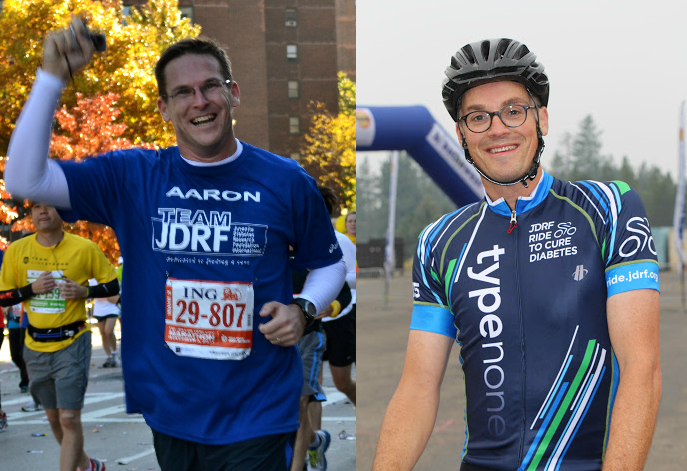 A little bit about me (for those of you who may not know my story): I’ve been CEO at Breakthrough T1D for about 2.5 years now and prior to taking on the role of CEO, I spent many years as a member and then the leader of the scientific team (my background being molecular genetics). While I’ve worked professionally on diabetes a long time, my family has been impacted by the disease much longer—more than 40 years. My brother Stephen was diagnosed with T1D at the age of 3 in 1977 and started on two shots of animal insulin a day and urine glucose testing. I was diagnosed at 13 in 1984, when color-based glucose testing and three shots of animal (cow-pig) insulin a day was the norm.
Today we are fortunate to be healthy and benefitting tremendously from the T1D technologies Breakthrough T1D played a seminal role in advancing. That said, my goal at Breakthrough T1D is the same as the founding families that formed this great organization—cures for T1D! This is why these recent reports are so important.
This past Saturday’s The New York Times reported on the experience of the first patient to be implanted with Vertex’s stem cell-derived islets, Mr. Brian Shelton, in a clinical trial run by the company Vertex. The New York Times reports, “Now his body automatically controls its insulin and blood sugar levels,” and that, “Mr. Shelton, now 64, may be the first person cured of the disease.” This amazing anecdote was reported by Vertex in a press release on Monday, October 18, and Breakthrough T1D made a statement regarding our excitement from this first report.
Here I’d like to express my excitement as well and provide some additional context. Is Mr. Shelton the first person to be “cured” of type 1 diabetes? No—he is not. But is this truly a sign of progress? Yes it is—and it’s one of several potential cures in human clinical trials, with support from Breakthrough T1D and all of you.
The Backstory: Islet Cell Transplantation
There have been thousands of people with T1D who have had their blood sugars normalized by receiving islet transplantations and in some cases whole pancreas transplants. These are fields of research that Breakthrough T1D invested in heavily going back to the 1980s and culminating in 1999 with what today is known as “The Edmonton Protocol.”
Led by James Shapiro, M.D., Ph.D., and an incredible multi-disciplinary team, people with T1D were infused with cells from organ donors and with a less toxic immunosuppression than was used previously (to prevent rejection of the islets). The results are incredible—restoration of normal blood sugars and insulin production for a decade on average. The challenge with this approach was two-fold: The need for organ donation for islets and the need for chronic immunosuppression. Breakthrough T1D has been working on solving each of these challenges (which are big challenges!) since the advent of islet transplantation.
Challenge #1: The need for an unlimited number of cells
The math is simple—to develop cures for everyone with T1D, organ donation is not sufficient. There are far too few pancreas organ donations each year to help the 1.6 million people with T1D in the United States and many millions more globally. While islet cell transplantation provided proof of concept, we knew we needed an additional source of insulin-producing cells. To solve this problem, Breakthrough T1D became an early pioneer in the field of stem cell research—funding and advocating for the ethical use of stem cells to cure diseases.
Breakthrough T1D strongly advocated on Capitol Hill for years to ensure research could proceed and funded research grants in the United States and across the globe to advance the science focused on the process of transforming stem cells into insulin-producing beta cells (and the other hormone producing cells of the islet). Doug Melton, Ph.D., who is highlighted in this The New York Times article, was an early scientific leader in the field. Breakthrough T1D began support of Dr. Melton’s work in 2000 and our funding continues today. When Dr. Melton formed his company, Semma, the Breakthrough T1D T1D Fund provided crucial investment to move this research into product development, which led, several years later, into it being acquired by Vertex. Breakthrough T1D has also supported many other groups who have developed insulin-producing cells from stem cells—funding hundreds of researchers around the world for the past 20 years and supporting over 40 groups and $80 million of currently active research globally.
Challenge #2: The need for immunosuppression
Islet transplantation requires a lifetime of immunosuppression so that the transplanted cells are not rejected. In fact, rejection of beta cells is driven by two challenges: The first is that the cells are from a donor and just like any other transplant, without immunosuppression, the cells will be rejected. Second, the person with diabetes still has autoimmunity and our bodies will attack beta cells. We call these alloimmunity and autoimmunity, respectively. Breakthrough T1D has invested heavily in solving these challenges, launching a Beta Cell Consortium in 2013 which is supporting research by multiple teams focused on four primary fronts:
- Macroencapsulation of the cells: Placing a group of cells in a “device” that physically protects them;
- Microencapsulation of the cells, also physically protecting the cells, but at the cellular level;
- Gene editing (using CRISPR or other methods to modify the cells so that they are “invisible” to the immune system); and
- Immunologic approaches that “teach” the immune system to not attack the new insulin-producing cells or provide “local” immune protection to the transplanted cells.
The Latest Progress and Why it Matters
OK, that’s a lot of background and context—but, it’s important to understand why this report is so noteworthy, what else is happening in the field, and what is coming next. With that, I’d like to address a number of the questions that I’ve received, and seen posed in the diabetes online community:
1. Is this a big deal? I thought we’ve been able to do this since islet transplantation.
This is a really big deal!! Yes, islet transplantation has shown that we can restore normal blood sugar levels with transplanted cells, but as I’ve described above, we don’t have enough islets. Stem cell-derived islets could provide an unlimited source. This would allow (theoretically) everyone with T1D to have cells. It’s been 20 plus years of research that has taken us to a place where stem cell-derived islets could be tested in people. The Vertex report is an awesome step forward. I should also note that Breakthrough T1D (including Breakthrough T1D’s T1D Fund) believes that competition drives innovation and that “multiple shots on goal” are a good thing.
It’s important to note that Breakthrough T1D-supported firms ViaCyte and Sernova have also recently reported insulin-production in their human trials of stem cell-derived T1D therapies. In 2019, Sernova showed in its Breakthrough T1D-funded clinical trial that its cell replacement therapy, the Cell Pouch System™, can produce insulin in people with T1D.
That same year, ViaCyte, a beta cell replacement company long supported by Breakthrough T1D, showed—for the first time ever—that its PEC-Encap therapy helps people with T1D produce insulin again. Last month, ViaCyte and CRISPR Therapeutics announced another exciting first: Gene-editing for T1D. By the end of the year, they will start a clinical trial of VCTX210, a gene-edited stem cell replacement therapy for this disease.
And, the T1D Fund has several important investments including Seraxis, Diagon, and eGenesis, all of whom are working on beta cell replacement technologies.
2. Why is Vertex reporting just the data from one person? Shouldn’t they have waited until the trial was complete?
This is data from just one person, and, as a scientist, I know it’s critical for us to see the data from the entire group of people who receive these cell transplants. The field will not move forward until many more people participate in these trials. That said, it is a significant finding that these cells are making insulin and driving clinical benefit. This finding will help us begin to plan the next stage of clinical trials and assess the benefit/risk of this potential therapy, including paving regulatory and health policy pathways that are key priorities of Breakthrough T1D.
3. But Mr. Shelton is still taking immunosuppressants. Isn’t that like trading one problem for another?
Mr. Shelton is indeed on immunosuppressants in this trial. That said, this is an important step. There are a number of circumstances in which the benefit/risk of a therapy that includes immunosuppression could be positive. For example, there are many people with T1D who are already taking immunosuppressants due to having had a kidney transplant. A therapy like this could take away their diabetes without adding new risks from immune suppression. That could be a HUGE step forward for many people with T1D. At the same time, many people with T1D face significant risks from the disease every day. Given the improved safety profile of anti-rejection drugs, I’d venture that for a number of people the tradeoff would be a positive one.
4. Is Breakthrough T1D jumping on the bandwagon? Is Breakthrough T1D really committed to a cure?
For over 20 years beta cell therapy has been a major area of focus for us and we’ve been the leading organization focused on curing T1D since two families founded our organization to develop cures for their sons. Breakthrough T1D has been a leader in stem cell research since the beginning and has funded over $150 million since 2000. In this case, Breakthrough T1D funded Dr. Melton back in 2000 and continues to do so today. Our T1D Fund invested in Dr. Melton’s company Semma and we are currently working with Vertex to accelerate the pathway to regulatory approval and health care coverage. While I’m proud of my work as a scientist at Breakthrough T1D on artificial pancreas systems (and my brother and I currently wear artificial pancreas systems that are derived from Breakthrough T1D-supported work), more than anything else I want to take off my diabetes devices and achieve what our founders set out to do—find cures for T1D.
5. What’s next? When might I or my loved one benefit from this work?
Breakthrough T1D’s mission is “Improving lives today and tomorrow by accelerating life-changing breakthroughs to cure, prevent, and treat T1D and its complications.” Of course, there would be nothing more life-changing than taking off our pumps, putting down our insulin pens, and making our own insulin again. I dream about that every day, for my brother Steve and me, and for everyone impacted by T1D. Breakthrough T1D will do all that we can to see this work move forward as fast as possible. We will continue to fund millions of dollars in research, our T1D Fund will continue to invest in companies moving forward in this space, our regulatory team will continue to work with FDA and regulators around the world on pathways to product approvals, and our health policy team will continue to work on ensuring that when these products are approved, they are affordable and accessible to everyone with T1D. Your ongoing support for this mission critical work is essential for our success.
6. I heard this before and just can’t get my hopes up too high. Has Breakthrough T1D given up on better treatments and prevention of T1D?
I realize that there is sentiment out there that cures are “always right around the corner.” I appreciate this but remember that science is moving forward and ultimately the data are the data. These approaches are now being tested in people and the data are very compelling. Moreover, the approaches have moved from academia to formal research and development programs. There is work to be done, but I firmly believe this isn’t a matter of if stem-cell transplants will be available to the T1D community, it’s only a matter of when. The more research and advocacy we support—the faster it will happen.
Breakthrough T1D will continue to support work on better treatments and prevention as well. We need our T1D community to be healthy when cures arrive and we need to stop T1D from happening in the next generation. Tremendous progress is being made on both of these fronts as well.
- We have multiple automated insulin-delivery systems on the market and more coming in the near future. They continue to get smaller, more integrated, and drive better control. Breakthrough T1D also continues to invest in glucose-responsive insulins and other approaches to lower blood sugar beyond insulin.
- We’ve also made great strides in prevention. The first drug to delay T1D—teplizumab—received FDA advisory committee recommendation for approval this past summer. Breakthrough T1D and our T1D Fund continue to make investments that aim to restore immune balance in T1D, which will be critical in stopping the development of the disease and to provide further curative approaches beyond cell replacements.
More Optimistic Than Ever
Let’s come full circle. The recent report in The New York Times has generated great excitement and many questions. I welcome both of these responses. I’m thrilled that Vertex is moving the work from Dr. Melton and Semma into the clinic and toward a product. This is huge. I’m thrilled that companies such as ViaCyte, Sernova, and others are racing to get there as well. I’m proud that Breakthrough T1D has played a pivotal role in this field moving forward and I’m more committed than ever that we will do everything we can to accelerate these life-changing breakthroughs to everyone with T1D.
