
Leading researchers gathered, in person, for the annual meeting of the Advanced Technologies & Treatments for Diabetes (ATTD) Conference, which took place from April 27-30. There were more than 4,000 attendees from 100 countries attending, both in Barcelona and virtually, and featured more than 30 studies presented by Breakthrough T1D researchers, funded now or in the past, working to find cures for type 1 diabetes (T1D) and improve the lives of those living with the disease today.
Here are a few highlights:
- Results from the multi-center randomized insulin-only iLet bionic pancreas pivotal trial were presented by Steven Russell, M.D., Ph.D. The iLet system focuses on ease-of-use: Only a person’s weight is needed for initiation; the only setting to adjust is the glucose target; and mealtime announcements do not require carb counting. Those on iLet saw a +2.6 hour per day time-in-range improvement relative to the standard care group, improving from 51 percent at baseline to 65 percent at 13 weeks. In the iLet group, A1c fell from 7.9 percent at baseline to 7.3 percent at 13 weeks.
Dr. Russell received a Breakthrough T1D grant from 2013-2016 to refine the iLet pancreas, based upon the work of Ed Damiano, Ph.D., CEO of Beta Bionics, who Breakthrough T1D funded from 2009-2011, for his early research testing the safety and efficacy of a novel closed-loop system (including Firas El-Khatib, Ph.D., a Breakthrough T1D postdoctoral fellow in his lab). The results of this work helped to inform the development of the iLet bionic pancreas.
- The findings from the InRange clinical trial were presented—the first-ever major industry-sponsored drug trial to use time-in-range as the primary outcome. Results, given by world-renowned scientists Richard Bergenstal, M.D., Thomas Danne, M.D., Tadej Battelino, M.D., Ph.D., Eric Renard, M.D., Ph.D., and Pratik Choudhary, M.D., Ph.D., found no significant difference in Toujeo (insulin glargine) and Tresiba (insulin degludec) users at 12 weeks using time-in-range. This is another step forward for the use of time-in-range and CGM metrics, and we look forward to hearing more on this front. (Go here if you want to read Breakthrough T1D’s position on time-in-range.)
- Stephanie Amiel, M.D., FRCP, a Breakthrough T1D grantee since she was a postdoc in the 1980s, presented results from the HARPdoc trial. The results, published in Nature Communications, showed that the behavioral health program HARPdoc did not reduce severe hypoglycemia compared to Blood Glucose Awareness Training (BGAT)—which was developed in the late 1980s—but it was superior to BGAT in reducing diabetes distress, depression, and anxiety, and these improvements in mental health were sustained over the entire duration of follow up.
The 2022 Insulin Centennial Award, a new initiative which aims to recognize the value and importance of continued innovation in diabetes, was given to Dr. Amiel. It was presented by Irl Hirsch, M.D., who praised Dr. Amiel for her major contributions to the care and quality of life for people with diabetes.
- Abbott, Ypsomed, and CamDiab announced a new partnership to develop an artificial pancreas system, using the Abbott FreeStyle Libre® 3 sensor, CamDiab’s CamAPS® FX mobile app, and Ypsomed’s mylifeTM YpsoPump®. The companies intend to complete development by the end of 2022 with commercial availability expected thereafter. This will be the first commercial system to come to market with an Abbott CGM.
Breakthrough T1D funding helped create the algorithm and pump for this partnership. The algorithm was developed by Roman Hovorka, Ph.D., who had several Breakthrough T1D grants from 2006 to 2019; it came to the UK market in 2020. Breakthrough T1D and Ypsomed have an ongoing pump development partnership as part of Breakthrough T1D’s Open-Protocol Automated Insulin Delivery System Initiative.
- Revital Nimri, D.Med., and Moshe Phillip, M.D., provided an update on the international consensus meeting on AID technology. Yet to be published, the consensus will recommend that artificial pancreas systems should be “considered” for and made available for all people with type 1 diabetes, especially those facing challenges with general glycemic management, hypoglycemia, and/or significant glycemic variability. The group also recommended that “all the payers (government and private) should reimburse/cover the AID systems along with initial and ongoing AID education and support for the management of T1D.” This is based on evidence that has repeatedly shown that AID provides greater time-in-range improvements than any other current technology.
It’s conference time! The next big conference is the American Diabetes Association 82nd Scientific Sessions, which will run from June 3-7 in New Orleans. Throughout it, Breakthrough T1D will be sharing updates, from the blog to interviews with key researchers and early-career scientists to a “Happy Hour” with CEO Aaron J. Kowalski, Ph.D. To stay updated, follow us on Facebook (@Breakthrought1dHQ) and X (@BreakthroughT1D).
Diabetes researchers from all over the world gather for the Advanced Technologies & Treatments for Diabetes (ATTD) Conference, which took place in-person (as well as online) on April 27-30 in Barcelona, Spain.
Many of the latest advances will be discussed, including research that Breakthrough T1D has funded to advance new breakthroughs and therapies for people with type 1 diabetes (T1D). In total, 32 researchers presenting are Breakthrough T1D-funded, either now or in the past, including our own Sanjoy Dutta, Ph.D., Breakthrough T1D’s Chief Scientific Officer, and Jeannette Soderberg, Ph.D., Breakthrough T1D’s Director of European Research, who will chair a Breakthrough T1D Session on the Utility of Patient-Reported Outcomes (PROs) in Therapy Development for T1D: Putting the End-User Upfront, which will feature renowned individuals from Tandem Diabetes Care, Novo Nordisk, Lexicon Pharmaceuticals, and ViaCyte.
Here are some more highlights of Breakthrough T1D-funded research that will be featured at the conference:
- Artificial Pancreas System Pivotal Trial: Results from the multi-center randomized insulin-only iLet bionic pancreas pivotal trial will be presented by Steven Russell, M.D., Ph.D., who received a Breakthrough T1D grant from 2013-2016 to refine the iLet pancreas, based upon the work of Ed Damiano, Ph.D., CEO of Beta Bionics, who Breakthrough T1D funded from 2009-2011, for his early research testing the safety and efficacy of a novel closed-loop system (including Firas El-Khatib, Ph.D., a Breakthrough T1D postdoctoral fellow in his lab). The results of this work helped to inform the development of the iLet bionic pancreas.
- Also in this Closed-Loop Updates Session are Breakthrough T1D-funded:
- Ohad Cohen, M.D., who will talk about real world data to optimize automated insulin delivery (AID) devices;
- Boris Kovatchev, Ph.D., whose algorithm led to the Tandem Control-IQ™ artificial pancreas technology, who will present on long-term, real-life use of closed loop control;
- Roman Hovorka, Ph.D., who generated the CamAPS® FX artificial pancreas system, on the applicability of closed loop solutions to type 2; and
- Revital Nimri, D.Med., and Moshe Phillip, M.D., two co-founders of the DreaMed Diabetes company, who will offer highlights from the international consensus meeting on AID technology.
- Also in this Closed-Loop Updates Session are Breakthrough T1D-funded:
- Time-in-Range vs. HbA1c: The findings from the InRange clinical trial comparing time-in-range with a continuous glucose monitor (CGM) to HbA1c will be presented by world-renowned scientists Richard Bergenstal, M.D., Thomas Danne, M.D., Tadej Battelino, M.D., Ph.D., Eric Renard, M.D., Ph.D., and Pratik Choudhary, M.D., Ph.D. I hope that this clinical trial confirms the use of CGM in clinical practice, as well as its application as an outcome measure in clinical trials. (Go here for a look at Breakthrough T1D’s position on time-in-range, which is a potentially better tool than A1c.) Stay tuned for the results.
- Exercise + T1D: Clinical trial results, funded by Breakthrough T1D, will be presented by Peter G. Jacobs, Ph.D., investigating the use of an artificial pancreas system that responds automatically to physical activity, using the iPancreas system developed by the Oregon Health & Science University. Preliminary results from the T1D Exercise Initiative (T1Dexi) will be presented by Michael C. Riddell, Ph.D., which should help researchers learn more about the effect of exercise on blood sugar and its role in artificial pancreas technology.
Grant Beard, Executive Operating Partner, LP, and Co-investor at Blue Point Capital Partners, will serve as Breakthrough T1D International Board of Directors (IBOD) Chair, succeeding current Chair Joseph (Joe) P. Lacher. Michelle Griffin, a management consultant with more than 25 years of experience, will serve as Breakthrough T1D IBOD Vice Chair, succeeding current Vice Chair Lisa Fishbone Wallack.
Grant Beard: Supporting Breakthrough T1D’s Research Mission
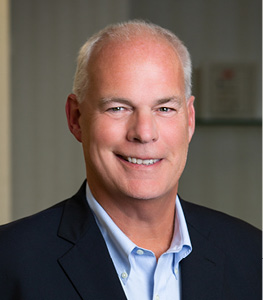 Grant and his wife Susan have been volunteer leaders since their daughter Emily’s T1D diagnosis in 2006 at age 14. They were recognized for their support of T1D research and research related education with the 2016 Jane Jospey Cobb Promise Award.
Grant has served eight years on the IBOD and sits on the Breakthrough T1D T1D Fund Board of Directors. As part of the IBOD, he chairs the Audit & Risk Committee and is a member of the Funding Committee. Grant previously served as the President of the Board of Directors for Breakthrough T1D’s Metro Detroit/Southeast Michigan Chapter (now the Michigan and Northern Ohio Chapter).
“Working with my colleagues on Breakthrough T1D’s International Board of Directors to drive mission impact has been a deep honor for me,” Grant said. “Michelle and I, in partnership with our fellow Breakthrough T1D leaders, will continue to move our mission forward. Today, given where the science is, we have an unprecedented opportunity to make a difference in the lives of those living with T1D–here and around the world.”
Michelle Griffin: Supporting T1D Families
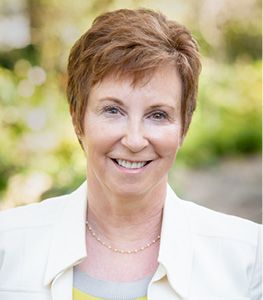 Michelle’s son Cameron was diagnosed with T1D in 2007 at age nine and she and her husband, Tom Parker, have been actively involved with Breakthrough T1D since.
Michelle served on the IBOD for six years and was Chair of the Development and Audit Committees. She is currently a member of Breakthrough T1D’s Global Mission Board and Audit Committee and is a Special Advisor to the Funding Committee. She has worked in a variety of roles for Breakthrough T1D’s Northern California Chapter, presently as Co-Chair of Leadership Giving. In 2017, Michelle received the Jim Tyree Chairman’s Choice Award for her noteworthy volunteer contributions to Breakthrough T1D.
“I have been a Breakthrough T1D true believer ever since our son Cameron participated in a Breakthrough T1D funded clinical trial two months after diagnosis in 2007,” Michelle said. “It is an incredible honor to be asked to serve as Vice Chair, especially at this time when we are seeing the fruits of the Breakthrough T1D community’s longtime support of our mission to accelerate life-changing breakthroughs. I am very excited to partner with Grant, our talented staff, and passionate volunteers to keep the momentum going as we get ever closer to making cures a reality.”
This new leadership is a positive evolution for Breakthrough T1D, which has recently seen a number of exciting research breakthroughs.
“In the past few months alone, we have seen incredible progress in cures research—most notably in cell therapies,” said Aaron J. Kowalski, Ph.D., Breakthrough T1D Chief Executive Officer. “Having Grant and Michelle step into these leadership roles ensures we will continue to drive our mission forward globally through scientific advancements and advocacy.”
“We thank Joe and Lisa, who began their leadership in the early months of the pandemic, which upended our fundraising model. Under their direction, Breakthrough T1D devised strategic priorities to advance more therapies, raise more funds, and activate more volunteers,” Kowalski added. “We welcome Grant and Michelle, and look forward to partnering with them to amplify our impact as we improve lives around the world and move closer to curing T1D. It is truly an exciting time to be at Breakthrough T1D.”
About the Breakthrough T1D International Board of Directors (IBOD)
IBOD is the governing body for Breakthrough T1D and is tasked with accelerating the organization’s mission progress toward life-changing breakthroughs to cure, prevent, and treat type 1 diabetes and its complications. Learn more about Breakthrough T1D’s volunteer and staff leadership.
In March 2022, Medicare beneficiaries became eligible for coverage for a greater number of CGMs than ever before. Due to a final rule issued on December 21, 2021 by the Centers for Medicare and Medicaid Services (CMS), any CGM that connects with an insulin pump or a standalone receiver will be covered by Medicare for anyone otherwise eligible. This rule took effect at the beginning of this month, so people with Medicare now have access to Dexcom G6, Abbott Freestyle Libre, Senseonics Eversense and Medtronic Guardian, as long as these CGMs are used with an insulin pump or with use of a standalone receiver.
Previously, CMS only covered therapeutic CGMs which are those devices approved by the Food and Drug Administration (FDA) to make insulin dosing decisions. This expansion means that people on Medicare with diabetes will now have access to a broader choice of CGMs similar to what is available to those with commercial insurance.
Under Medicare regulations, continuous glucose monitors remains classified as durable medical equipment, so it must contain a “durable” part, in this case, a receiver, that lasts at least three years. With this rule, CMS has determined that any CGM being used with an insulin pump meets the definition of DME, since the insulin pump itself is an item of durable medical equipment. CMS also cited the clinical benefit of alarms for high or low glucose levels, specifically during sleep, as a justification for expanding coverage to CGMs that are non-therapeutic. The only FDA-approved CGM on the market that is not covered by Medicare is the Medtronic Guardian standalone CGM that uses a mobile phone as its exclusive receiver.
In July 2021, CMS announced that people with diabetes no longer needed to prove that they are testing their blood sugar at least four times per day with a blood glucose meter to get initial Medicare coverage for a CGM device. Additionally, language was clarified to allow individuals using inhaled insulin, not just injected insulin, to access CGM. To read more about this, read our blog post here.
All of these recent changes are long-sought advocacy goals for Breakthrough T1D and welcome news for members of the T1D community.
The positive impact of CGMs on the health and well-being of those with type 1 diabetes is clear and Breakthrough T1D has long advocated for broader coverage and choice of CGMs, resulting in private plan coverage starting over a decade ago, and Medicare coverage on a partial basis in 2017 and expansion this year. CMS’s decision marks an important milestone for Medicare’s coverage of therapies that will improve the lives of those with T1D.
Breakthrough T1D will continue to work closely with CMS, other Administration officials, and members of Congress to ensure that everyone with T1D, regardless of insurance status, has access to life changing therapies.
Breakthrough T1D is glad President Biden used the State of the Union to address the insulin affordability crisis, which has had devastating consequences in the diabetes community for far too long.
Joshua Davis, the young man with type 1 diabetes who joined the First Lady in the gallery, was one of the Breakthrough T1D Children’s Congress delegates who called for action on this issue in 2017.
It is long past time for Congress to act on a bipartisan basis to make this life-saving drug affordable for all.
We encourage the community to call upon their Senators and Representatives to pass the Affordable Insulin Now Act, which includes a $35 per month insulin co-pay cap for people with Medicare or private insurance and a requirement for commercial insurers to exclude insulin from the deductible. And we call for healthcare leaders across the country to take action as well.
No one should have to choose between food and rent and this life-saving drug.
Ask your Senators to pass the Affordable Insulin Now Act.
Ask your Representatives to pass the Affordable Insulin Now Act.
This resource was created through the Breakthrough T1D – Beyond Type 1 Alliance.
Please note: this page will be updated as communications and news from Ukraine become available.
June 1 Update
Key summary:
- Supply into and within Ukraine is seriously constrained by continuously shifting conflict zones, damage to infrastructure and potential shortages of power and fuel.
- Humanitarian channels continue to remain the predominant way to access insulin and T1D supplies in the region.
- We recommend supporting humanitarian organizations like Direct Relief, Project HOPE and the International Committee of the Red Cross to assist the 120,000 people living with T1D in Ukraine.
Attacks on health care (including those against health facilities, transport, personnel, patients, supplies and warehouses) continue. Between 24 February and 25 May, there have been 256 attacks reported, resulting in 59 reported injuries and 75 reported deaths. These attacks deprive people of urgently needed care, endanger health-care providers, and undermine health systems.
Conflict and insecurity continue to disrupt supply chains, aggravate food insecurity and malnutrition across the country. In eastern Ukraine, there have been reports of food shortages in Kramatorsk (Donetsk oblast) as supplies were mostly coming from Kharkiv.
According to government data compiled by the Office of the United Nations High Commissioner for Refugees (UNHCR), over 6.6 million refugees have left Ukraine for surrounding countries between 24 February and 24 May, with the highest proportion, 53%, in Poland, followed by 5% in Romania. According to the International Organization for Migration (IOM), as of 3 May approximately eight million people have been internally displaced, which represents 18% of Ukraine’s population. As the crisis evolves, displacement and mobility patterns continue to change, requiring scaled-up and integrated response interventions that address both emerging and existing needs.
Commendable efforts by bordering countries to support Ukrainian refugees are already taking a toll on local infrastructure and communities. In countries such as Moldova, essential supplies (e.g., insulin) are becoming scarce or incredibly costly. Even in Poland, health facilities are struggling to meet an influx of communicable, chronic, and advanced health conditions. All bordering countries are struggling to find enough licensed professionals to provide essential mental health and psychosocial services. Meanwhile, the arrival of highly vulnerable populations—especially women, children, and unaccompanied minors from Ukraine —poses severe protection risks, particularly for human trafficking and gender-based violence.
The situation is even more challenging for those who remain in Ukraine. As hostilities increase, access to basic human needs is becoming more and more difficult. Most population centers have experienced damage to infrastructure—from roads and bridges to hospitals and utility works. Obstruction to the supply chain has left many without secure access to food, water, medicine and other essentials. Concerningly, an update provided by Iryna Vlasenko, Vice President of IDF based in Ukraine, notes that currently humanitarian aid and insulin supplies are unable to access Russian occupied territories.
Insulin and Diabetes Supplies:
Since February 24, Direct Relief has provided medical aid weighing more than 1.2 million pounds, or 600 tons in weight, with more on the way. Over the past week, cancer therapies, insulin, antibiotics, IV fluids to support dialysis care, surgical supplies and more departed Direct Relief’s warehouse for health providers in Ukraine. The organization has also provided more than $12 million in financial support.
Project HOPE’s current programming spans provision of pharmaceuticals, consumables, medical equipment, and technical support to health facilities treating conflict-affected populations, facilitation of mental health and psychosocial services and protection services, and procurement and distribution of essential supplies, including non-food item and hygiene kits.
In Ukraine, Project HOPE’s activities include Importing over 100 pallets of medicine and medical supplies, including insulin, needles, hygiene kits, and more, into Lviv for onward distribution westward to hospitals in need.
Insulin for Life and the Spare a Rose Campaign along with Type One Style also continue to provide smaller, faster shipments of T1D essentials into the conflict regions.
The ICRC is scaling up in 10 different locations in Ukraine, including Kyiv, Poltava, Dnipro, Odessa, to address the rapidly evolving situation. Trucks are moving across the country to provide medical supplies and other assistance whilst other convoys with essential aid will arrive in the coming days.
The World Health Organization Health Emergency Programme has been coordinating the health response, together with the other Health Cluster agencies, including UNHCR. Regarding diabetes, efforts have focused on mapping existing resources including the capacity of healthcare centers, identifying individuals with diabetes who need care, and sourcing and supplying medications, including insulin, to facilities that they can access. The WHO regularly posts updated situation reports on the emergency response in the Ukraine that can be found here.
To facilitate Solidarity across the IDF Europe Member Associations’ network, IDF Europe has launched Connect Solidarity. This programme aims to facilitate support from IDF Europe Member Associations across Europe wishing to help other national diabetes associations in Ukraine’s neighbouring countries provide advice, medicines, supplies, to Ukrainian refugees etc.
Patient Resources:
The Diabetes Disaster Response Coalition has prepared Insulin Switching Guides to aid with the crisis response.
April 11 Update
We continue to recommend supporting Direct Relief to assist the 120,000 people living with T1D in Ukraine.
As the crisis in Ukraine extends into a third month, the situation on the ground continues to evolve rapidly. There are now over 4 million refugees and 7 million internally displaced Ukrainians in the region.
To date, over 18 million people have been affected by the conflict, with reports of war crimes and heavy civilian casualties emerging from the ongoing war. The aid response on the ground is now extending into full fledged humanitarian crisis support. The World Food Programme reports significant concerns about the potential worsening of the nutritional status among vulnerable populations.
Insulin and Diabetes Supplies:
Insulin and supplies continue to flow into Ukraine through various humanitarian channels. The Ministry of Health of Ukraine is publishing information around which pharmacies are stocking insulin through a website. The Ministry has also created a priority list of medicines, medical goods and consumables that healthcare institutions primarily need. Another site called Medicine Warriors is using public records from the Ukrainian Ministry of Health, and provides people living with diabetes in Ukraine with accurate, updated, and user-friendly information about the location of pharmacies where insulin is currently available.
More than two tons of insulin also arrived in Ukraine at the start of April. The diabetes meds were shipped from Direct Relief’s distribution center in Europe in special cold-chain containers with monitoring equipment inside. All items were provided at the request of, and approved by, Ukraine’s Ministry of Health and other on-the-ground healthcare providers. Direct Relief has also expanded support to other emerging war fronts. Essential meds & health care supplies were received by Association Internationale de Cooperation Medicale (AICM) in eastern Ukraine.
Shipments of medical aid from Direct Relief have also arrived in Moldova’s capital city Chișinău on 7 April, infusing support for the country that shares a border with Ukraine and has absorbed more refugees per capita than almost any country in Europe.
Project HOPE has partnered with a non-governmental organization in Ukraine to purchase and transport pharmaceuticals and medical supplies across the country. In April, they transported 100 pallets of pharmaceuticals and supplies, including insulin, needles, sutures, and gauzes into Lviv for onward distribution westward. Project HOPE has also assisted the Moldova Ministry of Health with mobilizing insulin. In Poland they are supporting the University Children’s Hospital in Krakow, including the provision of medical supplies for a Ukrainian children’s ward and psychosocial support.
Insulin for Life and the Spare a Rose Campaign along with Type One Style also continue to provide smaller, faster shipments of T1D essentials into the conflict regions.
The International Red Cross is massively scaling up its response to meet the urgent needs in Ukraine. Over 700 tons of medical supplies, food and relief items have arrived since the escalation of the crisis, with more arriving in country daily.
The World Health Organization is also providing support on the ground. As of 6 April WHO has delivered to Ukraine approximately 208 metric tons of medical supplies, comprising trauma and emergency care commodities. The WHO is also providing detailed weekly updates on the situation on the ground.
Patient Resources:
The Diabetes Disaster Response Coalition has prepared Insulin Switching Guides to aid with the crisis response.
March 14 Update
The Breakthrough T1D – Beyond Type 1 Alliance continues to recommend primarily supporting Direct Relief to assist the 120,000 people living with T1D in Ukraine. They are shipping bulk donations of insulin and other diabetes supplies (about a week’s supplies for the entire country), have local connections with Ministry of Health of Ukraine and Ukraine Diabetes Federation, have the logistics footprint for distribution within Ukraine and are large and experienced enough to handle the scale of the challenge. We note that the New York Times feels the same way. Other major distribution chains are also opening up: International Red Cross is shipping similar quantities of insulin into Odesa and Dnipro, and Project HOPE is soon to establish cold chain distribution of another bulk source of insulin into Ukraine.
Unfortunately we are also beginning to hear of hunger and food shortages emerging as challenges for the T1D community. We are still evaluating the best ways to respond, but would feel little regret supporting an organization like the International Red Cross which is already on the ground and providing vulnerable families with both food and insulin.
Finally we’d recommend directing some support to the relief of T1Ds seeking refuge and living in Moldova, where we are hearing reports of insulin and strips running out – in part because they have generously given of their own supply to refugees entering their country as well as to displaced persons in western Ukraine. Smaller, more nimble organizations like Insulin For Life supported through the Spare a Rose Campaign are likely to be the best way of supporting these communities
What Is the Current Situation?
The situation on the ground remains volatile, with the only constants being lives at risk and uncertainty about what comes next. In that context, there is an additional layer of danger for the ~120,000 people with type 1 diabetes and a similar number of those with type 2 who depend on insulin.
For these brave Ukrainians, access to life-saving insulin, diabetes supplies and medical advice is being interrupted. Stocks of essential supplies on-hand vary markedly from city to city, and are as low as 2-3 days in some oblasts (administrative regions). Further, unstable electrical supply means the pharmacy systems frequently go down, forcing them to close until older paper-based methods can be revived.
Those men who are aged 18-60 are nonetheless remaining behind to fight, even if their diabetes places them at greater risk. But many of the estimated 15,000 children with type 1 and their families are moving to the relative safety of the western regions of the country and sometimes over the borders in hopes of escaping the conflict. Those who make it to Hungary, Moldova, Poland, or Romania are being received with wonderful generosity – we have heard stories ranging from governments making it possible to pick up insulin free without a script to individuals emptying their cupboards of insulin for those whose need is urgent.
How Can I Help Right Now?
People with diabetes in Ukraine will need help, whether they are remaining behind, traveling to safer areas within the country, or crossing the borders.
Beyond Type 1 and Breakthrough T1D International have been working with those in Ukraine as well as other global organizations, such as the International Diabetes Federation (IDF) and World Health Organization (WHO), to better understand how our community can help. Our answer to this question will change as the situation evolves, so check back frequently.
Right now, one of the best ways to support people inside Ukraine appears to be a collaboration between the Ministry of Health of Ukraine, Direct Relief (a large-scale humanitarian agency), and the International Diabetes Federation. They are working closely together to understand where supplies are short, secure donations within Europe, and open up ‘green corridors’ within Ukraine to deliver them quickly to where they’re needed.
They have asked those who wish to help to donate to Direct Relief and direct your donation to “Ukraine Crisis.”
For those who wish to support refugees outside Ukraine, the good news is that great foundational work is already being done by European governments and health ministries as well agencies like the UNHCR. But diabetes groups across Europe are also coordinating through the IDF to identify any remaining gaps and enable both local collection and centralized distribution of supplies to the areas of greatest need. If you’re based in Europe, you can contact your national diabetes group and ask how you can help with this program.
If you know people in Ukraine, we have two resources that may be helpful:
Note: we are not aware of any other initiatives that combine local knowledge with the same capacity for scale, speed and distribution. We continue to conduct due diligence on other programs and will update our advice as appropriate.
What Should I Do Right Now?
Please do not attempt to ship supplies or insulin directly into Ukraine, as most normal shipping avenues have been blocked or restricted. All air travel in and out of Ukraine has been suspended due to military activity. The Ukrainian government is doing what it can to assist humanitarian supply convoys at the borders, but it is difficult with multiple checkpoints and military activity preventing shipments from arriving. The last thing we all want is for insulin and supplies to be thrown away because they were not delivered in the right way.
We recognize that you may see individuals or organizations on social media asking for insulin or supplies to ship into Ukraine or into surrounding countries where refugees may go. While it is heartbreaking to see these requests, the best way to help these individuals at this time is to provide them with internal country resources to connect them with the closest medical clinic to get what they need.
According to the Ministry of Health of Ukraine: “All healthcare institutions continue providing medical care under martial law.” Individuals in Ukraine can call the ministry’s hotline at 0 800 50 52 01 to determine the closest open medical clinic.
Diabetes-Specific Financial Donations
Direct Relief
Direct Relief is actively working to bring needed medical supplies into the country, with a large shipment of diabetes supplies arriving before the invasion by Russia. However, in a recent statement: “Insulin and other cold chain medications are expected to be in short supply…”
The International Diabetes Federation
The International Diabetes Federation asks those who wish to help people with diabetes in Ukraine to donate to Direct Relief and direct your donation when requesting to “Ukraine Crisis.”
International Committee of the Red Cross (ICRC)
International Committee of the Red Cross (ICRC) is currently helping Ukrainian medical clinics with needed equipment and supplies while simultaneously providing food and hygiene items to families. Their long-term experience in Ukraine and extensive footprint there give them an advantage in distributing supplies over the “last mile”. They are now very much neck and neck with Direct Relief as a great way to help people on the ground living with T1D.
General Medical Assistance Financial Donations
Doctors Without Borders/Médecins Sans Frontières (MSF)
Doctors Without Borders/Médecins Sans Frontières (MSF) is mobilizing in the surrounding countries to assist those crossing borders with emergency medical response camps. They are also attempting to help transport needed medical supplies across the border into Ukraine. Click here to learn more about their activities to help those within the country and those attempting to leave.
Refugee Assistance Financial Donations
UNHCR/The UN Refugee Agency
UNHCR/The UN Refugee Agency is not just monitoring and providing data but actively assisting those who need immediate assistance. As of March 1, over 660,000 refugees have left Ukraine, with more expected as the conflict continues, with detailed information regarding each refugee-accepting country bordering Ukraine here.
However, many others remain inside the country, unable to leave. UNHCR spokesperson Shabia Mantoo stated: “UNHCR is also ramping up its response in Ukraine to help displaced and conflict-affected people. But the volatile situation, security concerns, lack of safe access for humanitarian workers and movement restrictions are posing major challenges for aid workers, including UNHCR staff.”
Diabetes Supply Donations
Insulin For Life USA
Insulin For Life USA will accept several diabetes supplies and distribute them in several areas.
What Else Can I Do?
There are many who will feel deeply moved by the situation in Ukraine and wish we could do something more, or make a more personal contribution. If you wish to have an impact on the lives of people living with diabetes, we strongly believe the advice we gave above is the best available at this time.
However, if like us you are still left wanting to do more, we’d urge you to consider three things. First, reach out and offer your sympathy and support to those on the ground. This might seem a mere gesture, but we are told by those in Ukraine that there is a world of difference between fighting a desperate fight alone, and fighting it with the global community at your back.

Breakthrough T1D Game2Give is a program that brings together the type 1 diabetes (T1D) community and the video game community. When Insulet, the makers of Omnipod®, asked us to team up on bringing diabetes representation to Animal Crossing™, we couldn’t say no!
Animal Crossing™: New Horizons is a popular Nintendo Switch™ game that puts you in charge of your own personal island. Insulet used the tools available to Animal Crossing™ players to create Omnipod Bay, an island that reflects the experiences of people with diabetes. Breakthrough T1D and three other T1D advocacy groups—Beyond Type 1, Children with Diabetes, and Kyler Cares Foundation—have a presence on the island.
If you or your kids already play Animal Crossing™, you know it’s a charming family-friendly game that’s easy to get lost in. The same is true of Omnipod Bay! To get there, lie in bed and enter the dream code DA-9645-5879-6910.
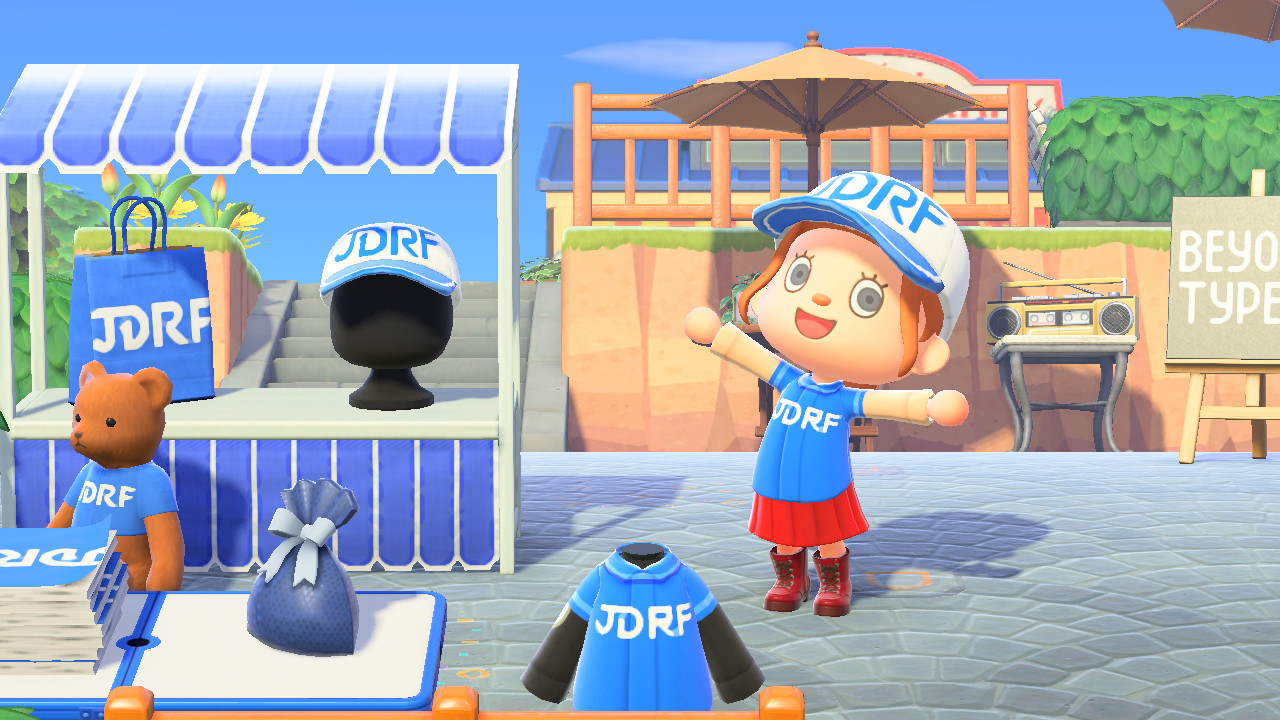
On the island, you can solve an obstacle maze, sing in a concert, explore themed areas (like diabetes camp, Bolus Beach, and the A1 Sea), walk the runway, and even piece together a hidden code to win an in-game prize. Make sure to check the bulletin board near the arrival spot for clues about what to do.
One of the coolest things on Omnipod Bay is the clothes. Fifteen outfits are available with pumps and diabetes supply bags built in, as well as varied skin tones, so you can customize your character to look more like you. There are also shirts and caps from each of the four advocacy groups. These are all free to download, and you can wear them back on your own island too. Make sure to snap some selfies!

Community members Patch Notes, Nukkular_Reaction, RogueLiliana, Resurrection Fern, and VirtuallyMarti celebrated the Omnipod Bay launch with a charity livestream event on Twitch.
Want to do your own Animal Crossing™ charity stream and help us raise $15K for T1D research? Register a campaign on Tiltify and go for it! Use the hashtags #OmnipodBay and #GameOverT1D on social media to help us find your stream.
We in the diabetes community know how incredibly important it is to see people with T1D represented in pop culture. Omnipod Bay is a huge step forward, helping to normalize diabetes in a video game that has sold more than 37 million copies. We’re proud that Insulet asked Breakthrough T1D to partner on this project and we’re excited for all the Animal Crossing™ fans in our community to experience it.
You can learn more about the island and view all of the diabetes-ready fashion outfits from Insulet’s Omnipod Bay website.
It was 1970, and Lee Ducat’s 9-year-old son, Larry, had just been diagnosed with a disease she had never heard of – juvenile diabetes.
“I remember crying every night, thinking how Larry would have to live a life with diabetes. Finally, I told myself, ‘You better do something Ducat,’” says Lee.

After a doctor told her that with enough money, scientists could cure juvenile diabetes, now known as type 1 diabetes (T1D), Lee put away her tissues. “I said, if money is all you need, we’ll get the money to cure diabetes!”
Lee contacted other Philadelphia families whose children had T1D and invited them to a cocktail party, hoping to raise money for research. That cocktail party on May 21, 1970 launched the Juvenile Diabetes Foundation (now Breakthrough T1D).
Lee joined forces with other moms and became an unstoppable force. In Washington, they met with Congress, telling stories of children with this devastating disease – pleading for funding. Their work began what is now an ongoing campaign to ensure federal support for T1D research.
Lee’s profound love for her son, Larry, and her determination to help him – and others like him – led her to do amazing work that benefits millions of families worldwide today.
Sadly, Larry passed in 2020, but his impact is everlasting. He is survived by two daughters and four grandchildren who continue Larry’s legacy. And Lee is still hoping and fighting for a cure.
Since that fateful cocktail party, and with the support of our generous donors, Breakthrough T1D has become a global organization – raising more than $2 billion to fund research – leading to better treatments and longer life expectancies.
If you’re interested in supporting life-changing research through a legacy gift, please request your free copy of Your Will to Give.
This Black History Month, the Black at Breakthrough T1D Employee Resource Group, in collaboration with the Diversity and Inclusion Task Force and the Greater New York City Chapter, would like to acknowledge our colleague Tricia Martin whose more than 20 years of service to Breakthrough T1D exemplifies Black Excellence and a commitment to diversity and inclusion.
Having no ties to type 1 diabetes, Tricia joined the New York Chapter of Breakthrough T1D, now known as the Greater NYC Chapter, on 5/14/1997 as a Secretary/Receptionist. Within six months, she was promoted to Administrative Assistant and currently holds the title of Office & Finance Manager. With almost 25 years at Breakthrough T1D, Tricia has enhanced the chapter management and administrative experience, which has been an integral part of the core values that make up the foundation of Breakthrough T1D.
Along with six other office managers from across the country, Tricia is transitioning to Breakthrough T1D’s National Development Team. In this role, Tricia will help redefine Breakthrough T1D’s financial processes and operational functions.
Working within the Greater NYC Chapter for almost 25 years, Tricia has worked on numerous Walks, Galas, Golf, and other special events. Not many can say that they have had the privilege of working with one of our founders, Carol Lurie, but Tricia can. She is looking forward to the day when we can say we have turned TypeOne into TypeNone.
During our 50+ years of advancing diabetes research, Breakthrough T1D has funded the best and the brightest investigators. But which of them have contributed the most to what we know about type 1 diabetes (T1D) today? In honor of the 100th anniversary of the first administration of insulin, Breakthrough T1D is launching “100 Years, 100 Breakthrough T1D Scientists,” the story of the scientists who contributed to discoveries that played a part in the vast knowledge that we have about diabetes today.
The first up: Gian Franco Bottazzo, M.D. Born in Venice, he obtained his M.D. degree in 1971 at the University of Padua. Shortly after, he began a research fellowship with immunologist Deborah Doniach, M.D., at Middlesex Hospital, and, in 1998, he returned to Rome. He died in 2017.
Aha! An Autoimmune Disease!
When Breakthrough T1D was founded, there were no types of diabetes. There was no type 1, no type 2. It was all diabetes.
But, early on in Bottazzo’s fellowship, in 1974, he discovered—for the first time—that diabetes is associated with the development of islet cell antibodies (ICA), leading to a landmark publication in the field.1 This was instrumental in establishing type 1 diabetes (T1D) as an autoimmune disease.
The discovery of ICA introduced a new era of diabetes research and understanding:

Gian Franco Bottazzo, M.D.
1. A chronic disease: Together with Andrew Cudworth, M.B., and funded with a Breakthrough T1D grant, Dr. Bottazzo measured ICA in samples from relatives of individuals with T1D. In 1981, they reported that ICA was detectable years before the clinical onset of disease,2 a finding that eventually led to the notion that T1D was a chronic disease.
2. Before clinical symptoms: Moreover, ICA were shown to have value in identifying individuals who would later develop T1D, providing new staging for presymptomatic T1D. It also enabled the discovery of more antibodies that were associated with T1D. There are now five antibodies—ICA, GAD65, IAA, IA-2, and ZnT8—connected with the disease. The presence of two or more means that your lifetime risk of getting T1D is nearly 100 percent. Dr. Bottazzo’s research contributed to a number of studies about the genetic risk of developing T1D.3,4
3. Refine the tests for T1D-related antibodies: These were quantified by Breakthrough T1D units,”5,6 a measure of the number of T1D-specific antibodies that were detected in a person. This led to the formation of a number of clinical studies to determine the risk of T1D—DAISY, ASK, and TrialNet in the United States, BABYDIAB in Germany, DIPP in Finland, and DiPiS in Sweden.
More recently, Breakthrough T1D initiated T1Detect, an education and awareness program to expand screening to the general population. The program’s aim is to make people understand what type 1 is, how screening is advantageous to the public, how they can be involved, and what to do if you are positive for T1D-specific antibodies.
4. Conduct clinical trials: It also enabled clinical trials aimed at delaying the clinical onset of diabetes, before symptoms appear. This includes teplizumab—a drug that blocks CD3, a blood marker that helps activate immune cells. It was the first study to significantly delay the onset of T1D, for nearly 3 years, in individuals at-risk of developing the disease.
I hope you enjoyed reading about a T1D champion. Follow up each week to find out who we selected and their major discoveries, in honor of the 100th anniversary of the first administration of insulin.
Research is how insulin was discovered as a therapy for diabetes, and Breakthrough T1D research is advancing us toward cures and the next generation of life-changing breakthroughs for T1D.
- Bottazzo GF, Florin-Christensen A, Doniach D. Islet-cell antibodies in diabetes mellitus with autoimmune polyendocrine deficiencies. Lancet. 1974 Nov 30; 2 (7892): 1279-83. PMID: 4139522.
- Gorsuch AN, Spencer KM, Lister J, McNally JM, Dean BM, Bottazzo GF, Cudworth AG. Evidence for a long prediabetic period in type I (insulin-dependent) diabetes mellitus. Lancet. 1981 Dec 19-26; 2: 1363-1365. doi: 10.1016/S0140-6736(81)92795-1. PMID: 6118756.
- Bottazzo GF, Pujol-Borrell R, Hanafusa T, Feldmann M. Role of aberrant HLA-DR expression and antigen presentation in induction of endocrine autoimmunity. Lancet. 1983 Nov 12; 2 (8359): 1115-1119. doi: 10.1016/S0140-6736(83)90629-3. PMID: 6138647.
- Bottazzo GF, Dean BM, McNally JM, MacKay EH, Swift PG, Gamble DR. In situ characterization of autoimmune phenomena and expression of HLA molecules in the pancreas in diabetic insulitis. N Engl J Med. 1985 Aug 8; 313 (6): 353-60. doi: 10.1056/NEJM198508083130604. PMID: 3159965.
- Bonifacio E, Bingley PJ, Shattock M, Bean BM, Dunger D, Gale EA, Bottazzo GF. Quantification of islet-cell antibodies and prediction of insulin-dependent diabetes. Lancet. 1990 Jan 20; 335: 147-149. doi: 10.1016/0140-6736(90)90013-U. PMID: 1967440.
- Gleichmann H, Bottazzo GF. Progress toward standardization of cytoplasmic islet cell-antibody assay. Diabetes. 1987 May; 36 (5): 578-584. doi: 10.2337/diab.36.5.578. PMID: 2436962.
