
Treatment for type 1 diabetes
Therapies for treating type 1 diabetes
How is type 1 diabetes treated?
Insulin
Insulin is the primary type 1 diabetes treatment. People with type 1 diabetes (T1D) must take insulin to survive because their body does not make enough of it. Insulin is administered by injection, inhalation, or insulin pump.
There are several different types of insulin used today, with most individuals with T1D using basal (long-acting) and bolus (short-acting) insulins.
Daily T1D management
Managing type 1 diabetes involves three main steps: checking blood sugar, administering insulin, and counting carbohydrates.
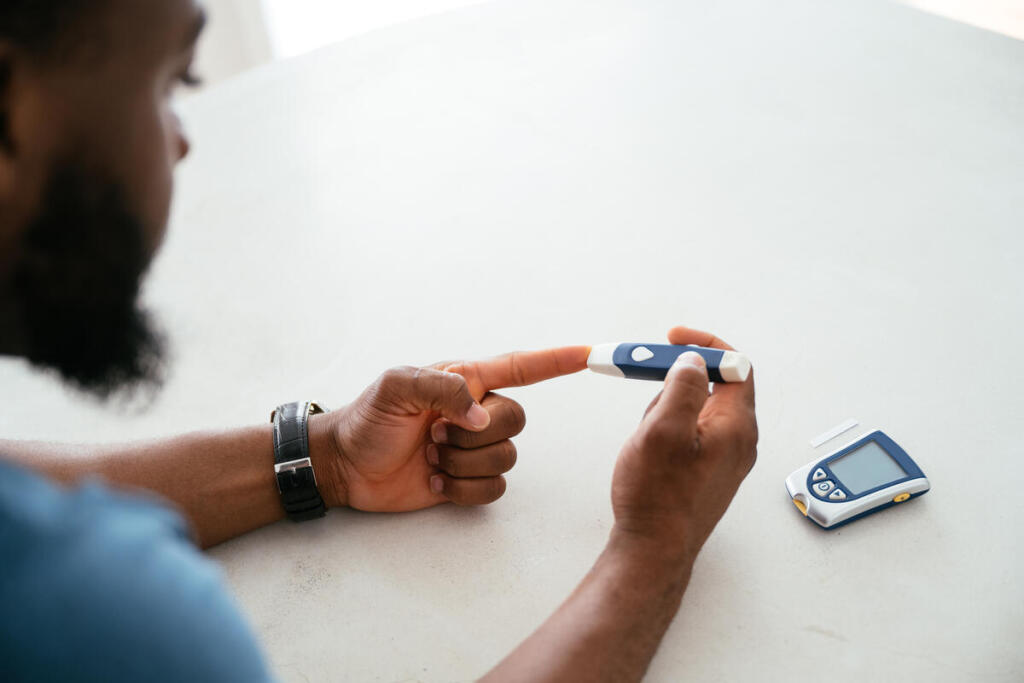
Monitoring blood sugar, or blood glucose, is a vital part of life with T1D, and can be done via glucometer or continuous glucose monitor (CGM).
There are four primary methods for administering insulin: injections with syringe or pen, inhaler, insulin pump, or artificial pancreas system/automated insulin delivery system.
People with T1D must balance the amount of carbs they consume with the right dose of insulin.
Adjunctive therapies
Adjunctive therapies complement insulin to achieve better glucose control.
Pramlintide
Pramlintide is a synthetic amylin analog administered via syringe. It is approved for people with T1D who use mealtime insulin and do not achieve their glycemic targets despite optimal insulin therapy. Pramlintide limits glucose fluctuations after meals. Pramlintide therapy can also lead to weight loss and improvements in risk factors for cardiovascular disease. However, in its current form, it causes additional dosing burdens on users.
Blood pressure and cholesterol medications
In T1D, hyperglycemia (high blood sugar) and poor glycemic control impact cardiovascular outcomes, including blood pressure and cholesterol levels. Long disease duration and increased risk of microvascular complications in T1D also contribute to the high prevalence of cardiovascular disease in type 1 diabetes. Therapies such as angiotensin-converting enzyme (ACE) inhibitors, angiotensin receptor blockers (ARBs), statins, and other lipid-lowering drugs may be prescribed to manage cardiovascular disease and reduce the risk of cardiovascular complications.
Disease-modifying therapy
Disease-modifying therapies prevent, slow, halt, or reverse T1D progression
Tzield™
The U.S. Food and Drug Administration (FDA) approved Tzield™ (teplizumab-mzwv) in November 2022, making it the first approved disease-modifying therapy for delaying T1D onset in people at risk of developing the disease. Studies have shown Tzield can delay the onset of T1D for approximately 2 years.
What about Ozempic and other drugs?
Ozempic, which is a glucagon-like peptide-1 (GLP-1) receptor agonist, and sodium-glucose co-transporter (SGLT) inhibitors, are drugs commonly used to treat type 2 diabetes and other conditions.
Though not approved for T1D, these drugs have tremendous promise as a type 1 diabetes treatment in terms of glucose and metabolic control, weight loss, and more.
Treating complications of T1D
A look at the most common type 1 diabetes complications and ways they can be prevented or reduced.
Cardiovascular disease (CVD) is a long-term complication of T1D. CVD includes coronary heart disease, cerebrovascular disease, and peripheral artery disease.
For people living with T1D, eye disease is a troubling reality, but early detection and timely treatment can reduce the risk of blindness by over 95 percent.
Nearly one out of three people with T1D develop kidney disease. Fortunately, most people with T1D and kidney disease don’t end up with kidney failure.

More T1D basics

Common warning signs of type 1 diabetes
Triggers and risk factors for T1D
The science behind type 1 diabetes
Tests and other factors that lead to a type 1 diabetes diagnosis
Answers to your questions about type 1 diabetes
Statistics on T1D around the world
Clinical trials: critical to making T1D a condition of the past
For a treatment, drug, or device to make it into the hands of people with type 1 diabetes, it must first complete a vital step—a clinical trial. Learn more about how you can further research and drive us toward a future without T1D.

