

This article was written by Francine Maloney, MPH (Director, Implementation and Director, U.S. Coalition for Early T1D Action) and Umila Singh, MFA (Design Specialist, Innovation) from Ariadne Labs at Brigham and Women’s Hospital and Harvard T.H. Chan School of Public Health. The U.S. Coalition for Early T1D Action has utilized our Participant Advisory Council (PAC) to better understand the lived experience of early-stage T1D screening and monitoring. This article explores how the voices of the PAC inform the work of Ariadne Labs. The views expressed by the authors are their own and are not necessarily representative of Breakthrough T1D or our leadership, employees, or supporters.
Many parents of children with type 1 diabetes (T1D) know the diagnosis story all too well. Your child is constantly thirsty. They’re not feeling well. Something seems off. Suddenly, you’re in a hospital, and they’re in diabetic ketoacidosis (DKA). You’re thrust into an unfamiliar world of 24/7 monitoring, managing blood sugars, and adopting a whole new way of living while trying to give your child some semblance of “normal.”
Islet autoantibody screening for type 1 diabetes offers a chance to change this story. When parents and clinicians know which children are at higher risk of developing T1D, they can work together to catch the signs and symptoms of T1D onset, reduce the potential for serious complications, and be more prepared to effectively manage the condition if symptoms do appear. But even though this screening exists, families may not be aware of how they can access screening and the potential benefits.
A Coalition for Change
Ariadne Labs, a joint center for health systems innovation at Brigham and Women’s Hospital and the Harvard T.H. Chan School of Public Health, convened the U.S. Coalition for Early T1D Action with the goal of developing actionable pathways and resources to expand access to screening to more children in primary care. This Coalition brings together 25 multidisciplinary stakeholders, including clinicians, researchers, advocates, policymakers, and families impacted by T1D.
As we launched our work to explore opportunities to expand screening, we knew that parents’ voices needed to guide our work. Their insights would be essential to creating tools that genuinely support families as they consider screening and navigate the steps that follow.
Centering the Parent Voice
We set out to gain a deeper understanding of what parents actually experience during early-stage T1D screening and monitoring. Through conversations with clinical colleagues, we were introduced to Breakthrough T1D’s Participant Advisory Council (PAC), which included parents who had personally navigated the process of screening and monitoring their children for T1D. We invited them to participate in early interviews to advise on the tools and resources that parents would need to navigate the screening process with their children. Their firsthand perspectives, shared candidly and in detail, were exactly what we needed as we began mapping out our ideas and resource concepts.
Throughout our process, we’ve relied heavily on the PAC members to describe their experiences. For example, one parent shared confusion in the results letter they received after screening. Their child had no antibodies, but they weren’t sure what that meant or what, if anything, should happen next. Their experience revealed an important gap between how screening information is delivered and how families actually understand it. This underscored a need to communicate results in a way that aligns with families’ real questions and concerns. The content, clarity, and delivery of the message deeply shaped this family’s experience. As the parent put it, “information can be transformative and helpful,” and it’s critical for that information to be tailored to support the people who need it most.
Expanding Family Engagement
After formally launching the Coalition at an in-person meeting in April 2025, we continued to expand our family and parent engagement. We included more parents with a broad range of experiences, including not just those whose children had been screened or diagnosed, but also those whose family history puts their children at greater risk for T1D but chose not to screen and those who are largely unfamiliar with T1D altogether. By bringing together such a broad parent community, we’ve been able to tailor our pathways and educational materials to be relevant, clear, and supportive for all families, regardless of where they are in the screening process.
Beyond ensuring our resources could resonate among parents with a wide range of experiences, our parent involvement had another unexpected benefit: clinicians gravitated more to the resources initially developed for families over the more clinically-focused tools. The clear language, step-by-step instructions, and approachable format helped healthcare clinicians communicate more effectively with parents to develop a shared understanding.
Why Lived Experience Matters
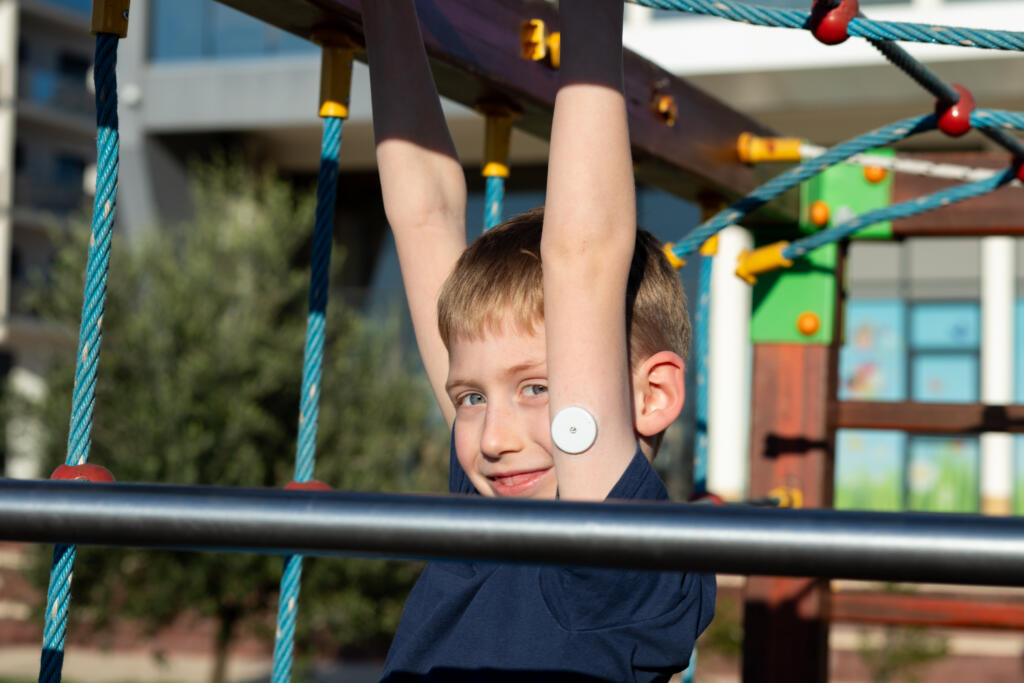
Direct engagement with families shaped our understanding of what matters most in T1D risk screening, diagnosis, and early care. Parents shared with us a strong desire to improve the process for others, whether or not their own children had been screened. By sharing their experiences, concerns, and hopes, they steered our work toward solutions that address both technical and emotional needs. Without this input, we risk missing the mark on creating something that families and clinicians find useful. Our approach recognizes parents and people with T1D as true partners in co-creating better care.
This work has shown that building tools around the lived experience of those affected leads to more effective, compassionate solutions that help families, clinicians, and systems alike. We strongly recommend including the PAC or local family voices in any T1D-related research or improvement initiative, from start to finish.
If you or someone you know may be interested in joining the Participant Advisory Council, please reach out to Michelle Simes-Kennedy at [email protected].
Learn More About Early Detection and Screening
Visit Breakthrough T1D’s Early Detection and Screening webpage to learn more about how screening for T1D works, the importance of detecting T1D early, and options for you and your family to get screened.
