
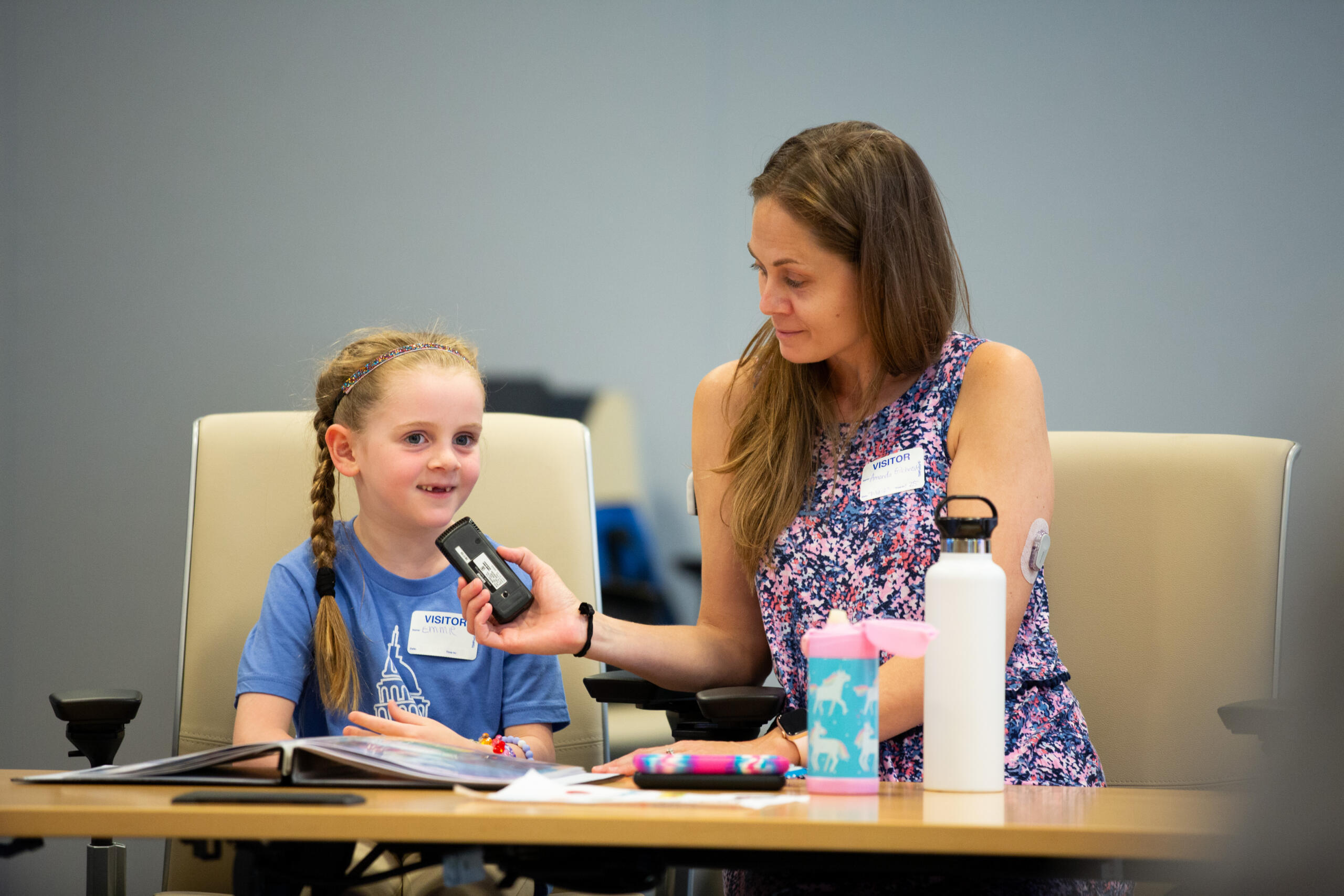
This article was written by Amanda Gilchrist, a Participant Advisory Council Member (PAC), a Clinical Trial Education Volunteer, and Breakthrough T1D supporter. Amanda’s story details her family’s type 1 diabetes (T1D) journey, why clinical trial participation is important to her, and her experience in the PAC. The views expressed by the author are her own and are not necessarily representative of Breakthrough T1D or our leadership, employees, or supporters.
A family T1D journey
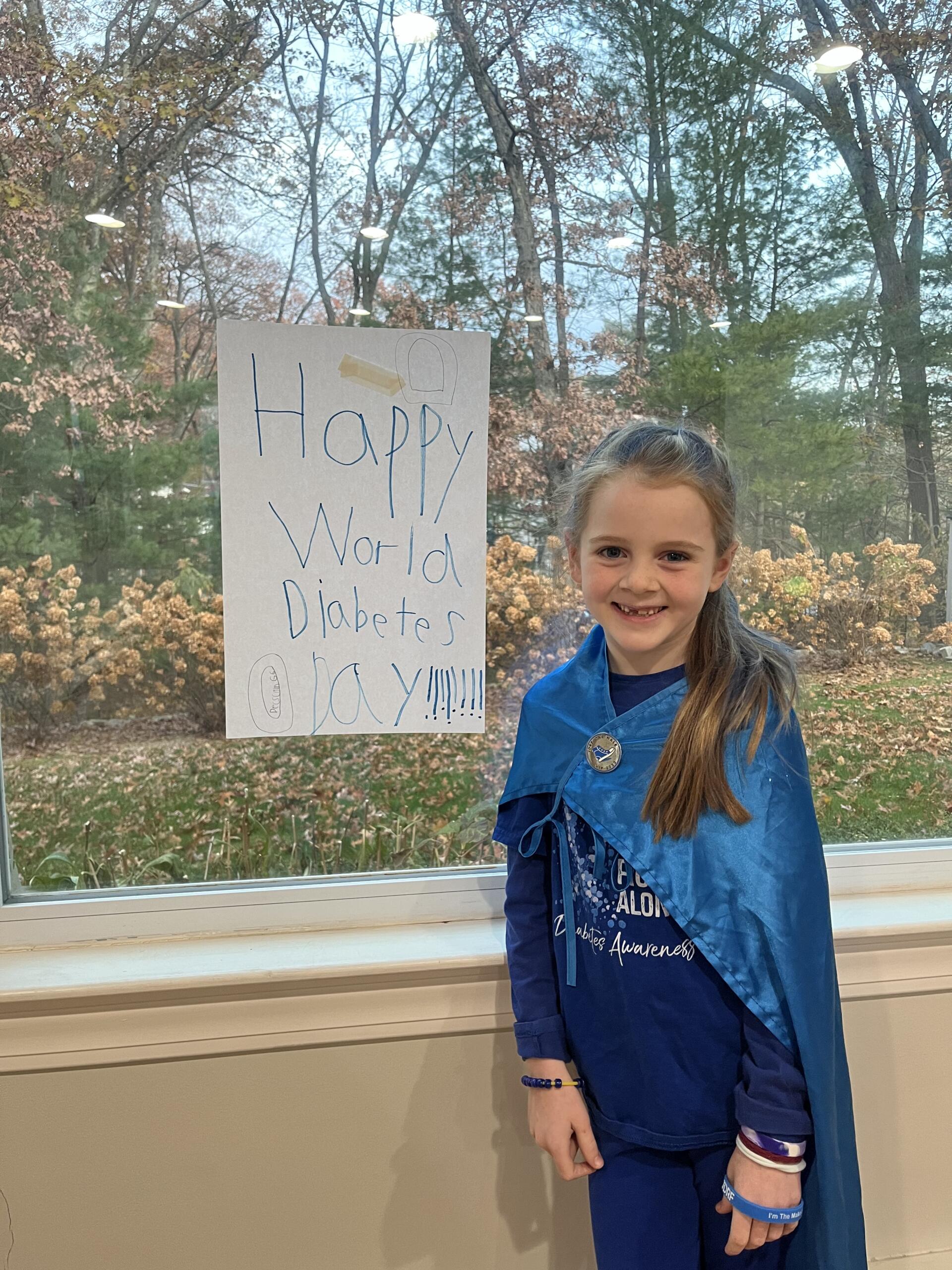
In August 2020, my then 4-year-old daughter Emmie was diagnosed with T1D. Our family had absolutely no knowledge of T1D prior to her diagnosis. It was terrifying to suddenly manage Emmie’s blood sugar every minute of every day. Parenting is challenging enough, but parenting a child with a chronic disease brought it to a whole new level.
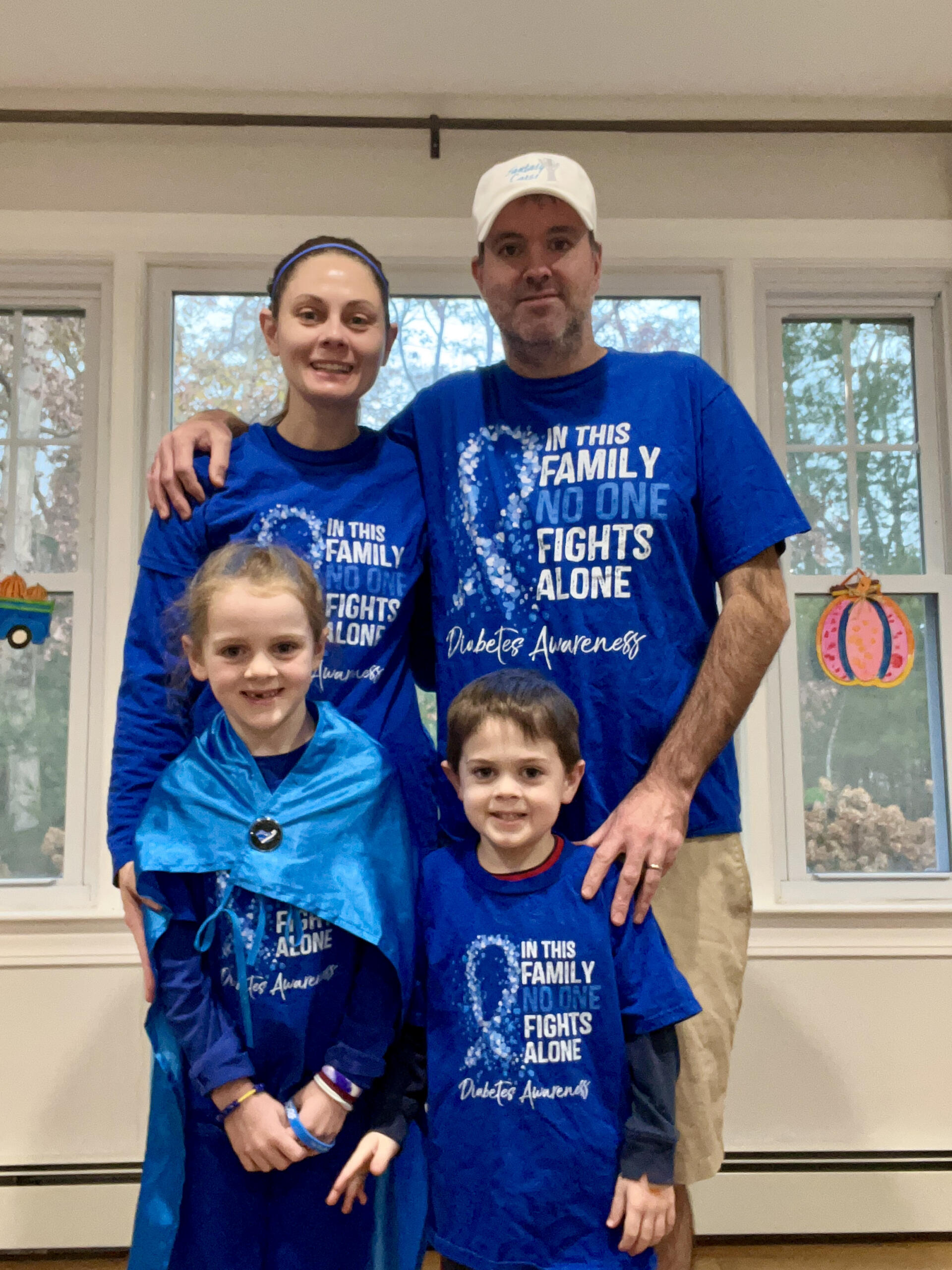
Fourteen months after Emmie’s diagnosis, I was diagnosed with T1D at age 36. Suddenly, I had to act as a pancreas for both my daughter and me—all while balancing life as a mom, a wife, and a second-grade teacher. And our T1D story didn’t stop there; in July 2024, my 5-year-old son, Callen, was diagnosed with stage 2 T1D (before insulin therapy is needed). We consider ourselves a family of T1D “Diabesties”!
Participating in clinical trials, together
One silver lining to Emmie’s diagnosis during the COVID-19 pandemic was the ability to connect with others virtually from anywhere. I joined every virtual Breakthrough T1D support group I could find. Through these meetings, I learned about T1D clinical trials. I was shocked to learn that trials can fail due to lack of participation. I remember thinking, “How are we ever going to move technology forward? How will we ever find a cure?”
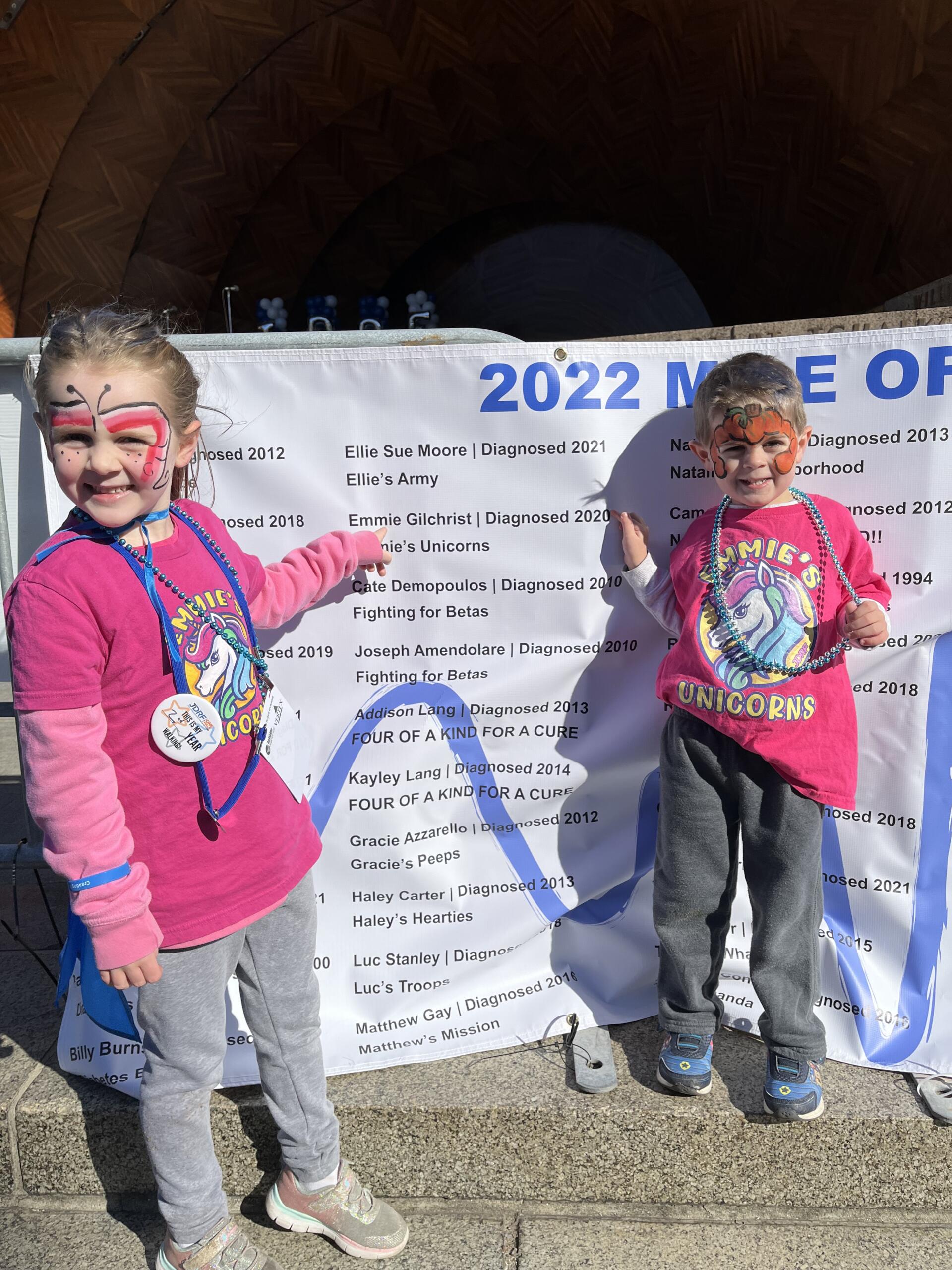
As it turns out, the brilliant scientists and researchers working toward cures need us—people with T1D and their families—to step up. They literally can’t do it without us. Clinical trials give Emmie and me a chance to take back a little control over our T1D and to contribute to something bigger. Through research, we can be part of the path toward cures.
Emmie and I have participated in a wide variety of trials. We have been on device trials like the Dexcom G7, Tandem Control IQ (for ages 2-5), iLet Bionic Pancreas, and Omnipod 2.0. We’ve also been part of behavioral and observational studies like REDCHiP (Reduce Hypoglycemia Fear in Parents of Young Kids with T1D) and BEAD-T1D (Building the Evidence to Address Disparities in Type 1 Diabetes). We even participated together in a clinical trial for Afrezza inhaled insulin, and I took part in the phase 1, first-in-human TOPPLE (Tolerance Using Plasmid in People with T1D) trial for a potential disease-modifying therapy, just months after my diagnosis.
Although my husband doesn’t have T1D and my son is early-stage, they’ve also joined numerous studies designed for family members of people with T1D. For us, participating in research has become a family mission.
Telling her story through the PAC
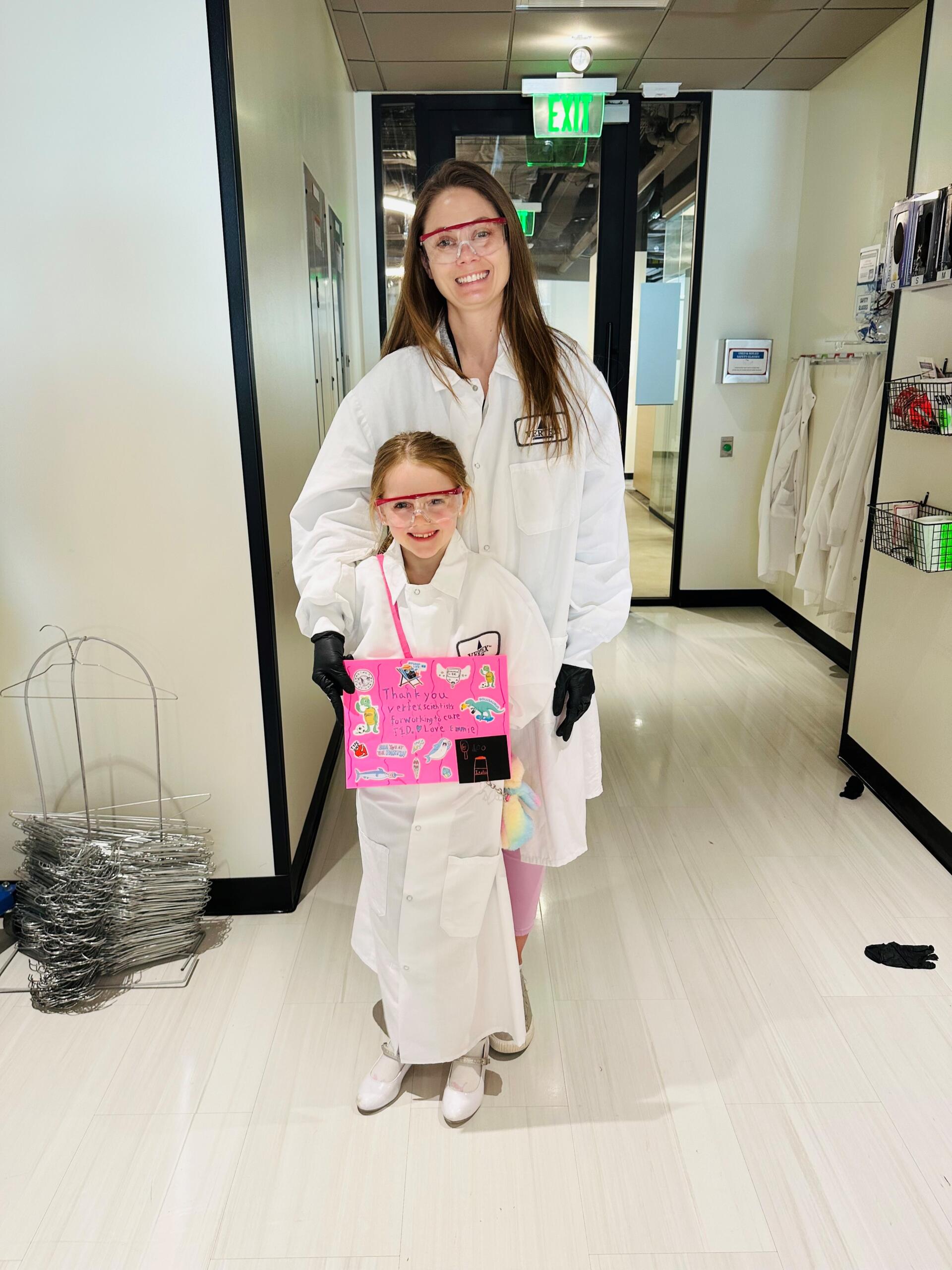
I learned about the Breakthrough T1D Participant Advisory Council (PAC) through my volunteer work in clinical trials. As both a clinical trial participant and the parent of a clinical trial participant, I have so much to share about the trial design—the positive experiences we’ve had, as well as the many barriers families face when joining trials. Being a PAC member allows me to share these insights and offer feedback to improve future trial design. As a person with T1D, a T1D mom, and a stage 2 T1D mom, I bring a unique perspective to companies, researchers, and scientists developing the next generation of clinical trials.
Through the PAC, I’ve had the privilege of sharing my family’s lived experience with organizations such as GentiBio, RTI Health Solutions, Einstein Med, and WAVE T1D. By telling our story, I’ve been able to provide a real-world perspective on the constant challenges of life with T1D—missed birthday parties, terrifying ambulance rides, constant supervision, and life without sleepovers. Many researchers have shared that while they understand the science of life with functioning beta cells, hearing our story has helped them better understand the human side of diabetes—the daily struggles, fears, and resilience that define families like mine. The most rewarding feedback I receive is that our story has reignited researchers’ motivation to continue their vital work toward cures.
If you or someone you know may be interested in joining the Participant Advisory Council, please reach out to Michelle Simes-Kennedy at [email protected].
Learn more about clinical trials
Visit Breakthrough T1D’s clinical trials web page to learn more about how you can get involved in clinical trials. Use our clinical trial matching tool to find recruiting trials near you that you may be eligible for. Connect with a Clinical Trial Education Volunteer in your area to better understand the process and get your questions answered.
