
100, 100: Ending Diabetic Eye Disease, Forever
Breakthrough T1D has supported eye disease research since its beginning, and has driven discoveries that have reduced the risk of blindness by 95%.

Breakthrough T1D Video: No Health Without Mental Health
Find out why we absolutely love psychologist Jill Weissberg-Benchell.
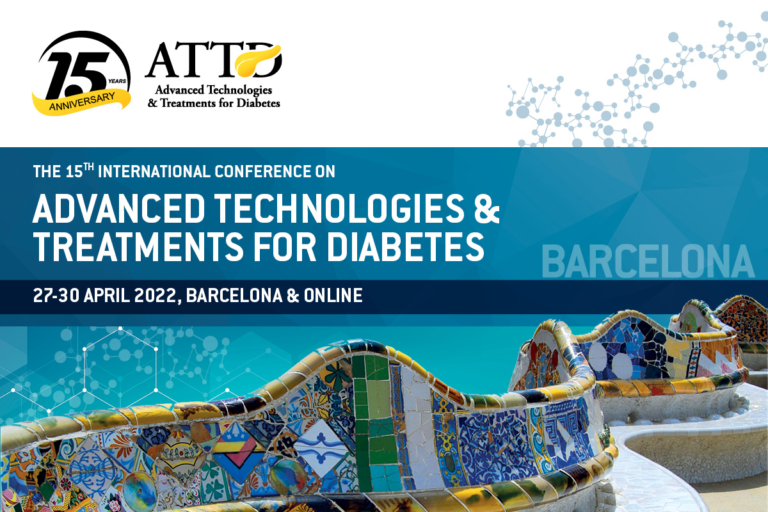
Top Researchers Gather for the 15th ATTD Conference
Leading researchers gathered, in person, for the annual meeting of the ATTD Conference (April 27-30), featuring 30+ studies presented by Breakthrough T1D scientists.

Vertex Provides an Update on the VX-880 Clinical Trial
Vertex provides an update on their Phase 1/2 Clinical Trial for VX-880, including data from three participants and details around the clinical hold.

ATTD Conference Brings Together Top Minds in Diabetes Research
Diabetes researchers from all over the world gather for the ATTD Conference, which will take place in-person and online from April 27-30 in Barcelona.

100, 100: Breakthrough T1D Research Leads to a New Class of Glucose-Lowering Agents
You’ve seen the ads: Victoza®. Ozempic®. Trulicity®. But did you know that these drugs came about, in part, because of type 1 diabetes research?
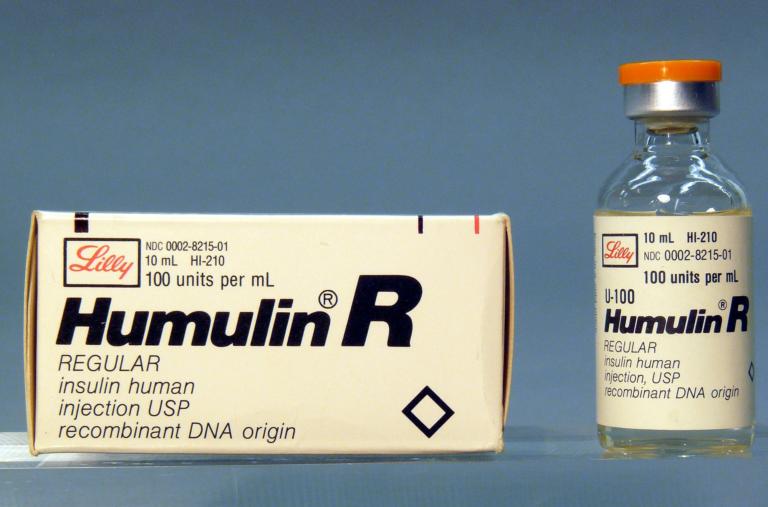
100, 100: Genetically Engineered Human Insulin Created
In 1976, researchers set out to synthesize the human insulin gene and make human insulin, and Breakthrough T1D researchers had multiple hands in the biosynthesis of it.
Insulin Affordability? Yes, Please: Breakthrough T1D Joins Civica to Make Low-Cost Insulin Available to All Americans
In conjunction with leading partners, Breakthrough T1D lends its support to Civica, to help combat a nationwide insulin affordability crisis.
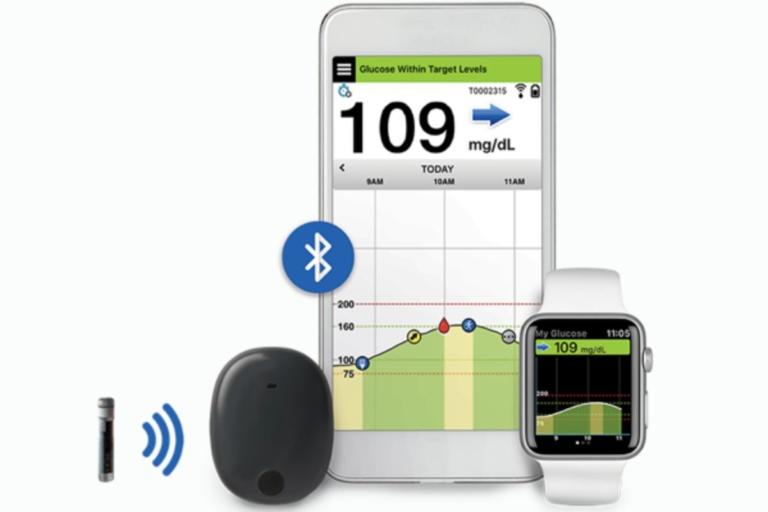
FDA Approval of Senseonics Eversense® CGM for Use for Up to 6 Months
FDA approves Senseonics Eversense® E3, the first long-term implantable CGM system, and the E3 includes technology that extends the use for up to 6 months.
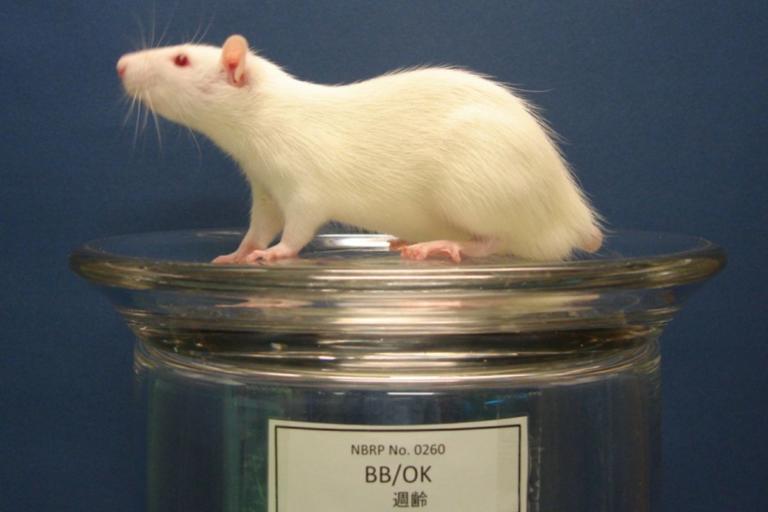
100 Years, 100 Breakthrough T1D Scientists: The BB Rat—An Animal Model of Type 1 Diabetes
In 1974, a colony of non-diabetic BB rats develops diabetes. Examination of their pancreases revealed that they had no beta cells.

