
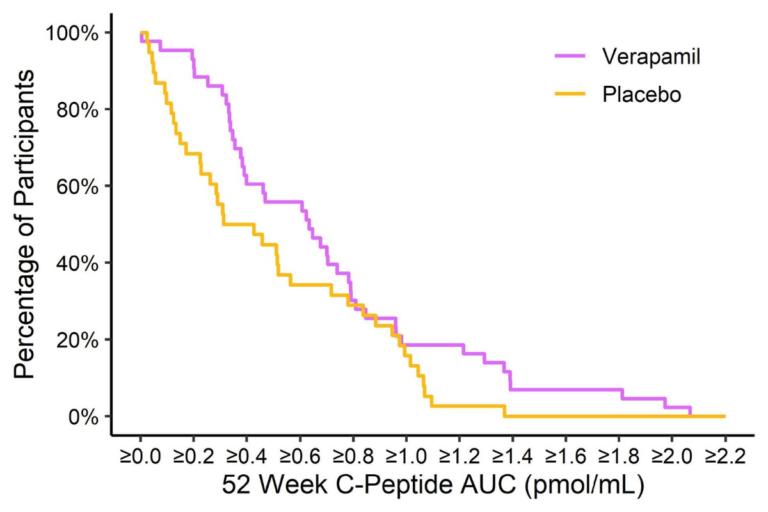
Verapamil Slows Type 1 Diabetes Progression in Newly Diagnosed Children and Teens
The CLVer study found that newly diagnosed individuals on verapamil were making more insulin one year after diagnosis than those on placebo.
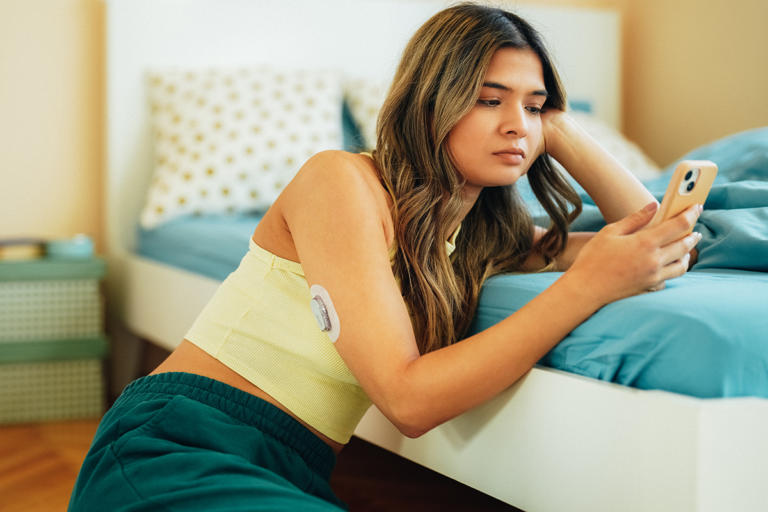
Is there a cure for type 1 diabetes?
There is currently no cure for type 1 diabetes (T1D), but Breakthrough T1D has a strategy to change this and transform the future for everyone with T1D.
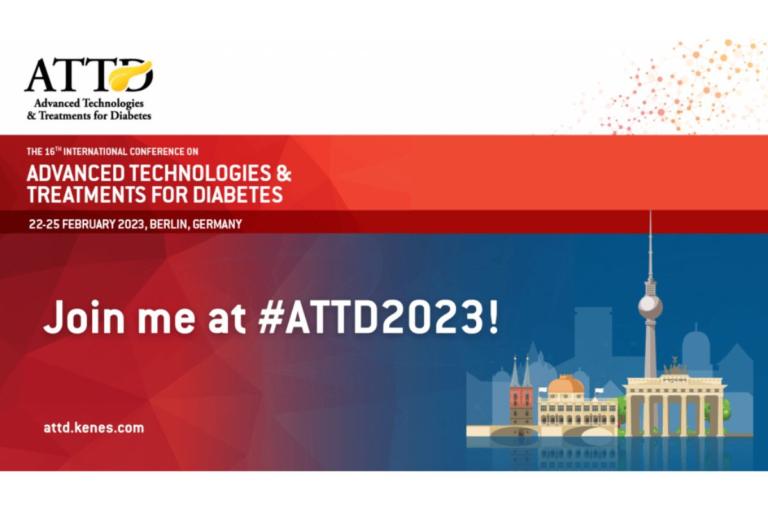
ATTD Conference Brings World-Renowned Minds to Berlin, Germany
This year’s Advanced Technologies & Treatments for Diabetes (ATTD) meeting, held February 22-25, will have 45 presenters who are or were Breakthrough T1D-funded.
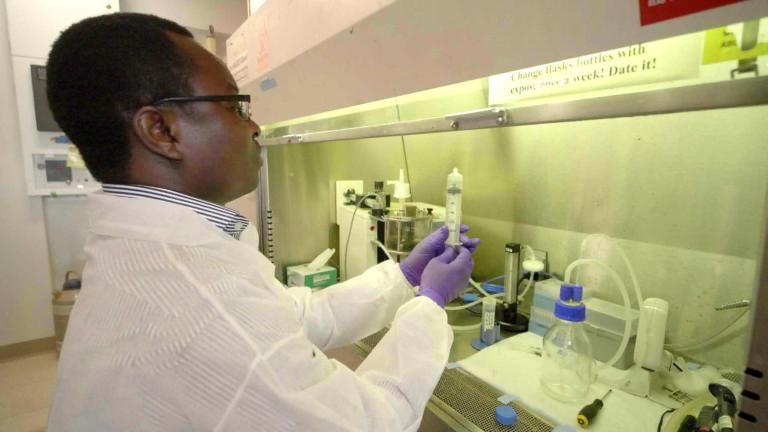
“I Really Love Type 1 Diabetes Research, and I’m Not Going Back”
A goal of David Alagpulinsa, Ph.D., is to contribute to a treatment that makes people with type 1 diabetes live like everyone—without T1D—else.

Interview: I’ve Got Hope Back in my Life
The Mary Tyler Moore Vision Initiative has a lofty goal: To halt and reverse vision loss from diabetes. Here’s one woman’s hope for a clearer future.
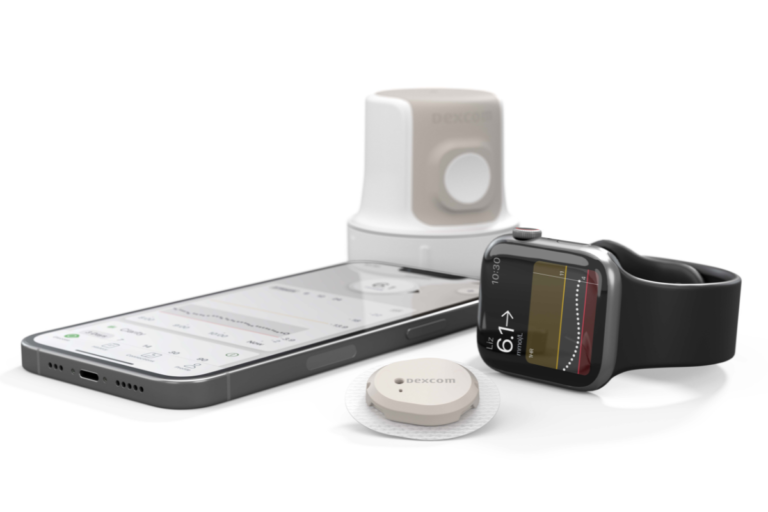
Dexcom G7 Continuous Glucose Monitor Cleared by the FDA
Dexcom G7® Continuous Glucose Monitor system was cleared by the FDA, giving people with diabetes more options for managing their blood-sugar levels.

FDA Approves Tzield™—A Watershed Moment for the T1D Community
Breakthrough T1D celebrates the FDA approval of Tzield, the first disease-modifying therapy to delay clinical T1D in people at risk of developing the disease.
Breakthrough T1D and ISPAD Announce 2022 Drash Fellows
Breakthrough T1D and the International Society for Pediatric and Adolescent Diabetes (ISPAD) are thrilled to announce the 2022 recipients of the Allan Drash Clinical Fellowships—and they’re an incredible bunch. They are: Muzna Arif, Pakistan Moomin Hussain Bhat, India Emine Ayça Cimbek, Turkey Hiba Elshafie, Sudan Elif Eviz, Turkey Berna Eroğlu Filibeli, Turkey Sara Gafar, Sudan […]

The Innovative Insulin Your Kids Can’t Use…Yet
What if it was safe and effective to take a rapid-acting inhaled insulin in children/teens as they start eating? The INHALE-1 clinical trial is finding out.
Top Scientists Unite at the EASD Annual Meeting
Leading researchers gathered for the annual meeting of the EASD, at which more than 30 studies were presented by Breakthrough T1D researchers.

