
Ask four people living with type 1 diabetes what cures would mean to them, and you will get four different answers.
Independence. Calmness. A quiet mind. A full night’s sleep. Yet they all describe the same thing: a burden lifted.
The four young adults featured here were diagnosed with type 1 diabetes (T1D) between the ages of 3 and 15, and all serve on the Young Adult Advocacy Council (YAAC) at Breakthrough T1D. They experienced the arrival of continuous glucose monitors (CGMs) and automated insulin delivery (AID) systems, and they can tell you exactly what those advances fixed—and what they did not. We asked them about T1D then, now, and next.
Meet the Advocates
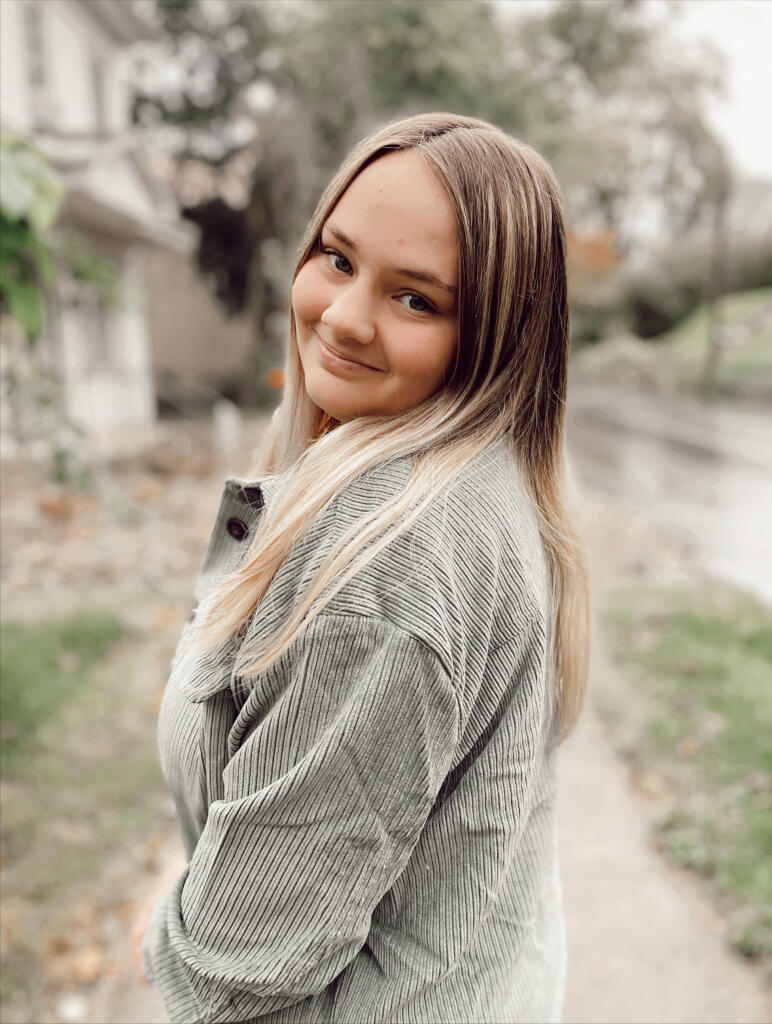
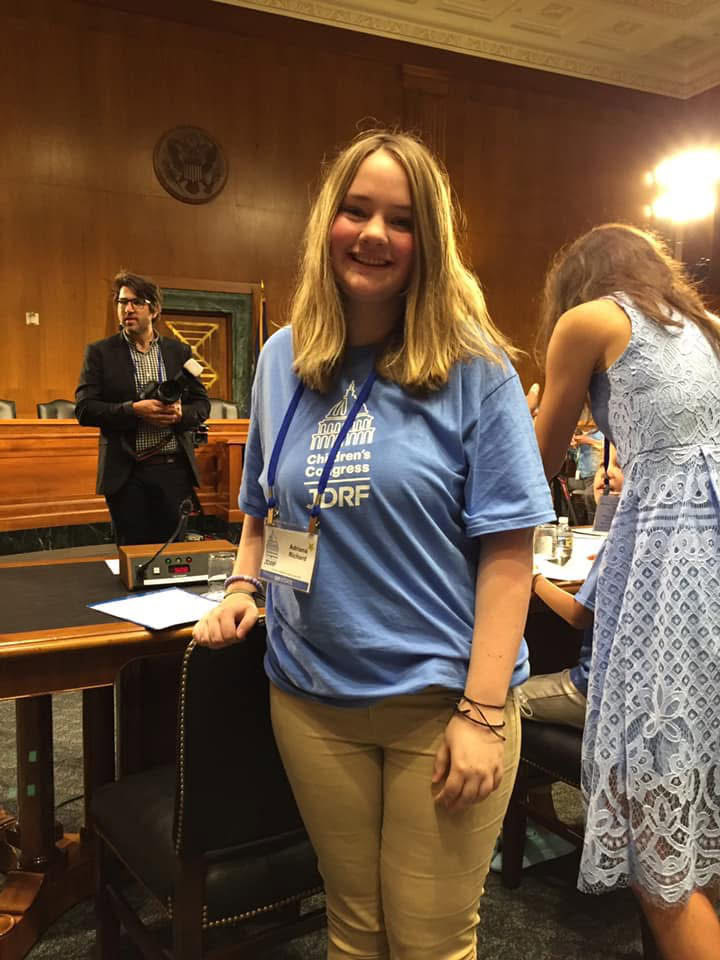
Adriana
Age: 23Age at diagnosis: 5
Location: Pennsylvania
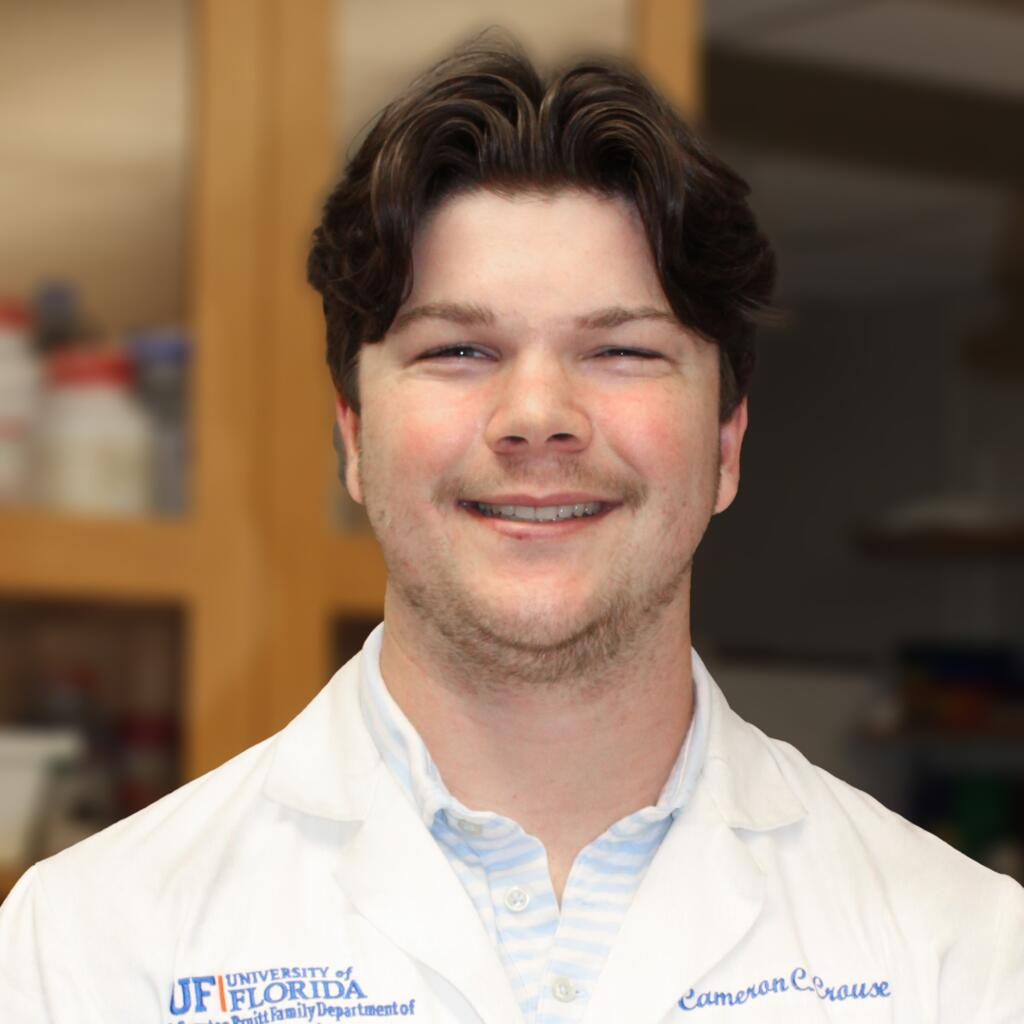
Cameron
Age: 26Age at diagnosis: 3
Location: Florida
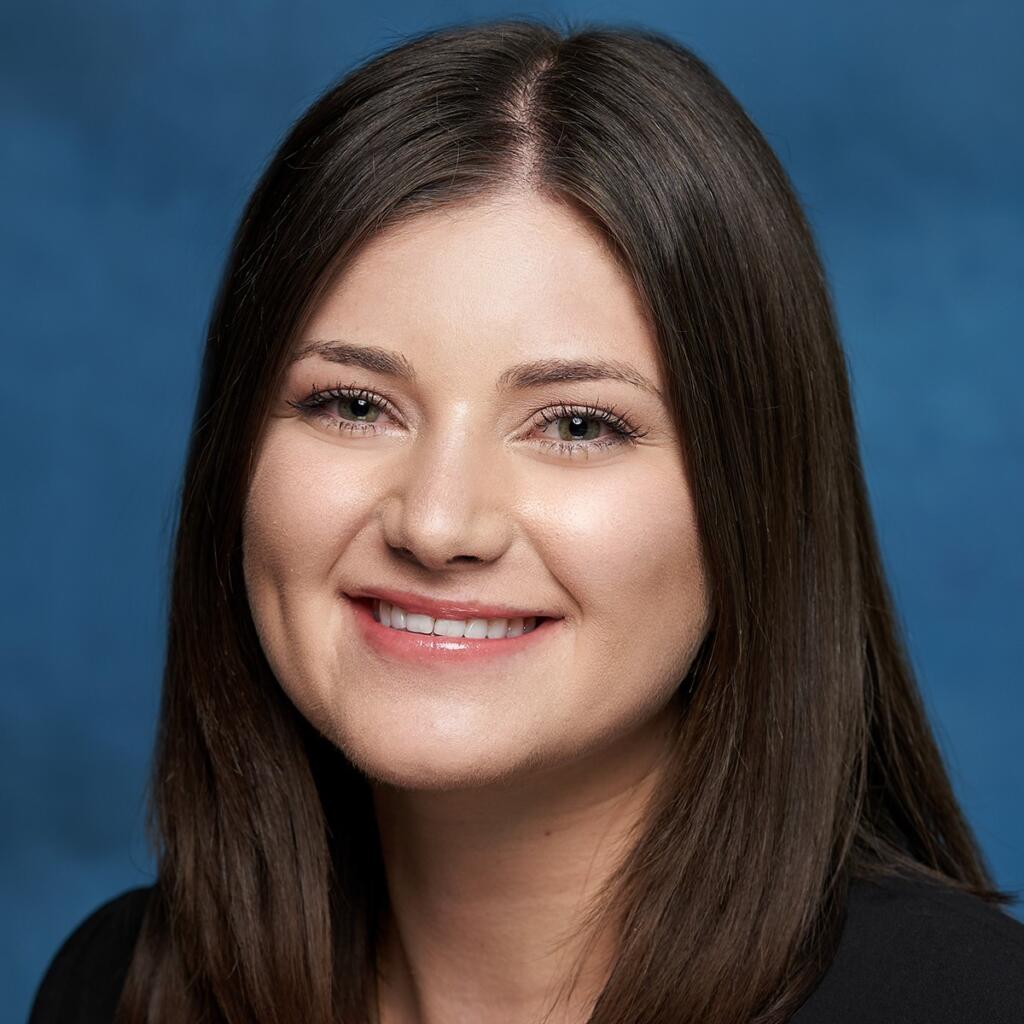
Emily
Age: 27Age at diagnosis: 15
Location: Virginia
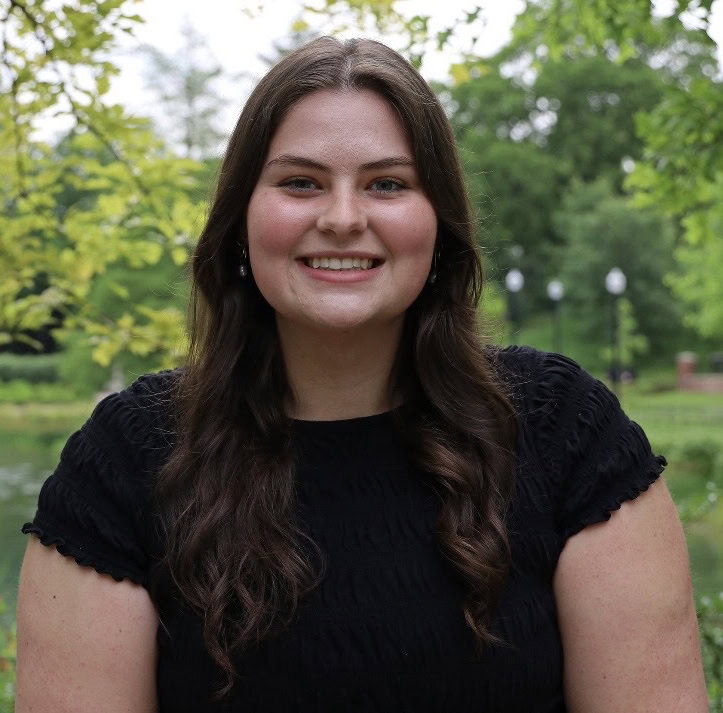
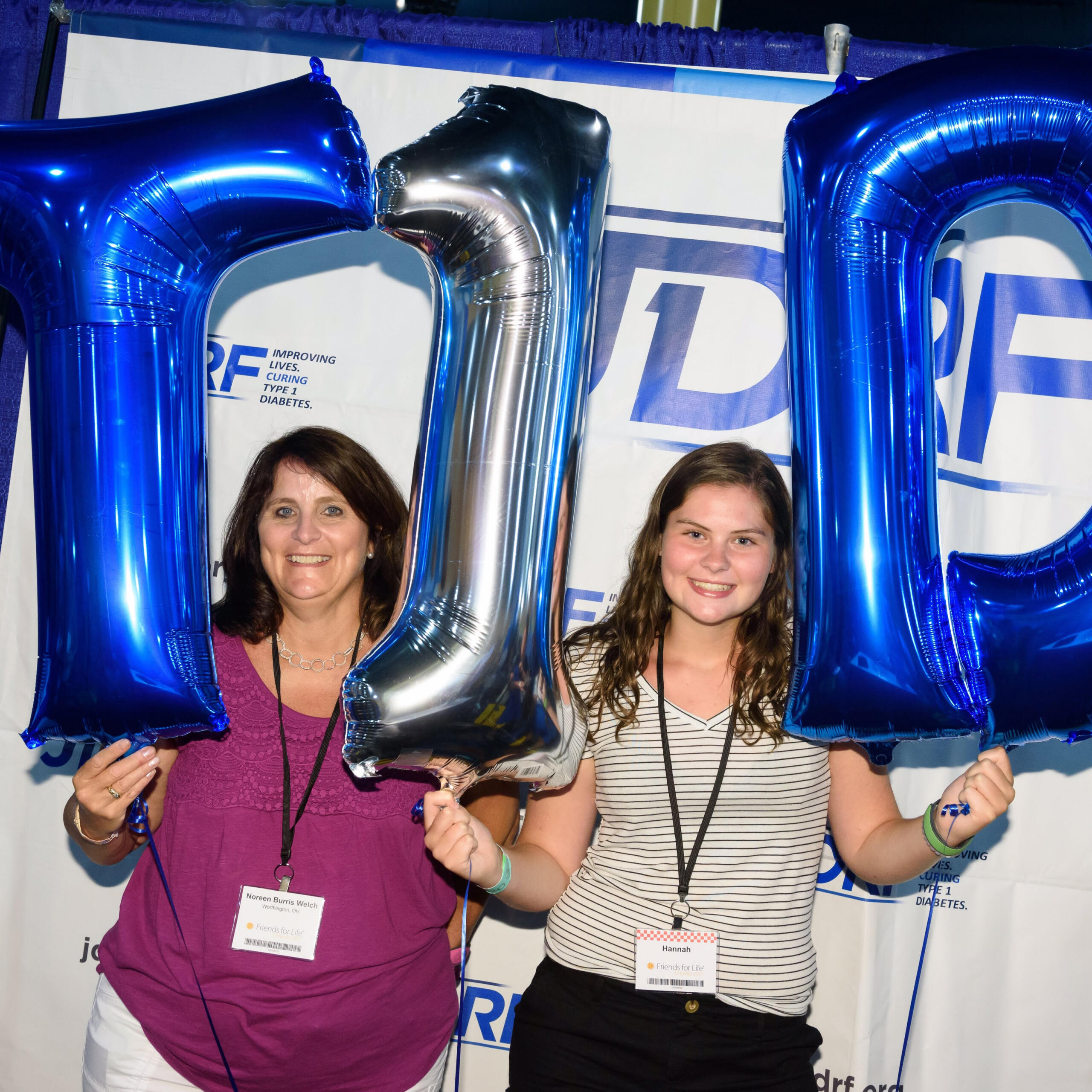
Hannah
Age: 23Age at diagnosis: 12
Location: Ohio
Q: What was your outlook, or your family’s outlook, when you were diagnosed with type 1 diabetes?
Adriana
I was five, so my parents carried most of it. Their focus was simple: make sure I lived a happy life regardless of the diagnosis.
Cameron
My parents were saddened, but not in a wholesale “this is a life-altering event” kind of way. They grieved the small things they thought I would miss: a cannoli from the Italian dessert shop near my grandparents’ house in Baltimore, a glass of wine someday. Silly now, because of course I can still enjoy them living with T1D. But it makes you think about how T1D shapes the little things.
Emily
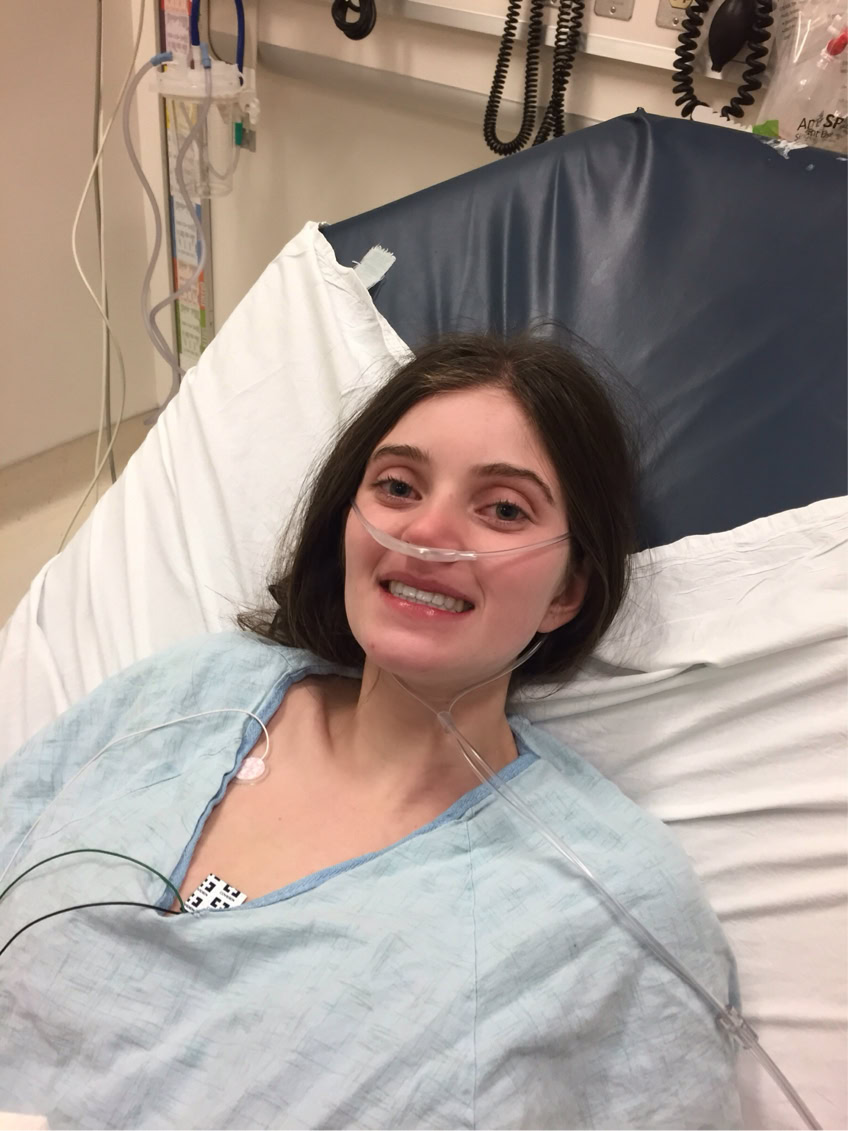
When I was diagnosed at 15, it felt like my entire world had been turned upside down. Leaving the hospital, I was terrified of needles and had no idea how I would inject myself for the rest of my life. I was the only person at my school with T1D, which made it incredibly isolating. I dropped high-intensity sports because I worried I couldn’t keep up, and I was so hesitant about the technology that I didn’t use an insulin pump or CGM until college. My outlook was filled with shame.
Hannah
I was 12, and I really struggled to accept it. I was embarrassed and didn’t want my peers to know, so for years I hid it. I wouldn’t even go to the school nurse — I checked my blood sugar and took my insulin with an aide in the janitor’s closet. T1D was the thing that separated me from everyone else, and I didn’t want it to become part of how people identified me.
Q: What is your outlook today, and how has T1D technology shaped it?
Adriana
I look at it as a blessing in disguise now. It’s no fun to have a 24/7, no-break condition, but I wouldn’t be the person I am today without it. New clinical trials, pumps, and CGMs keep making it easier to live as typical a life as possible.
Cameron
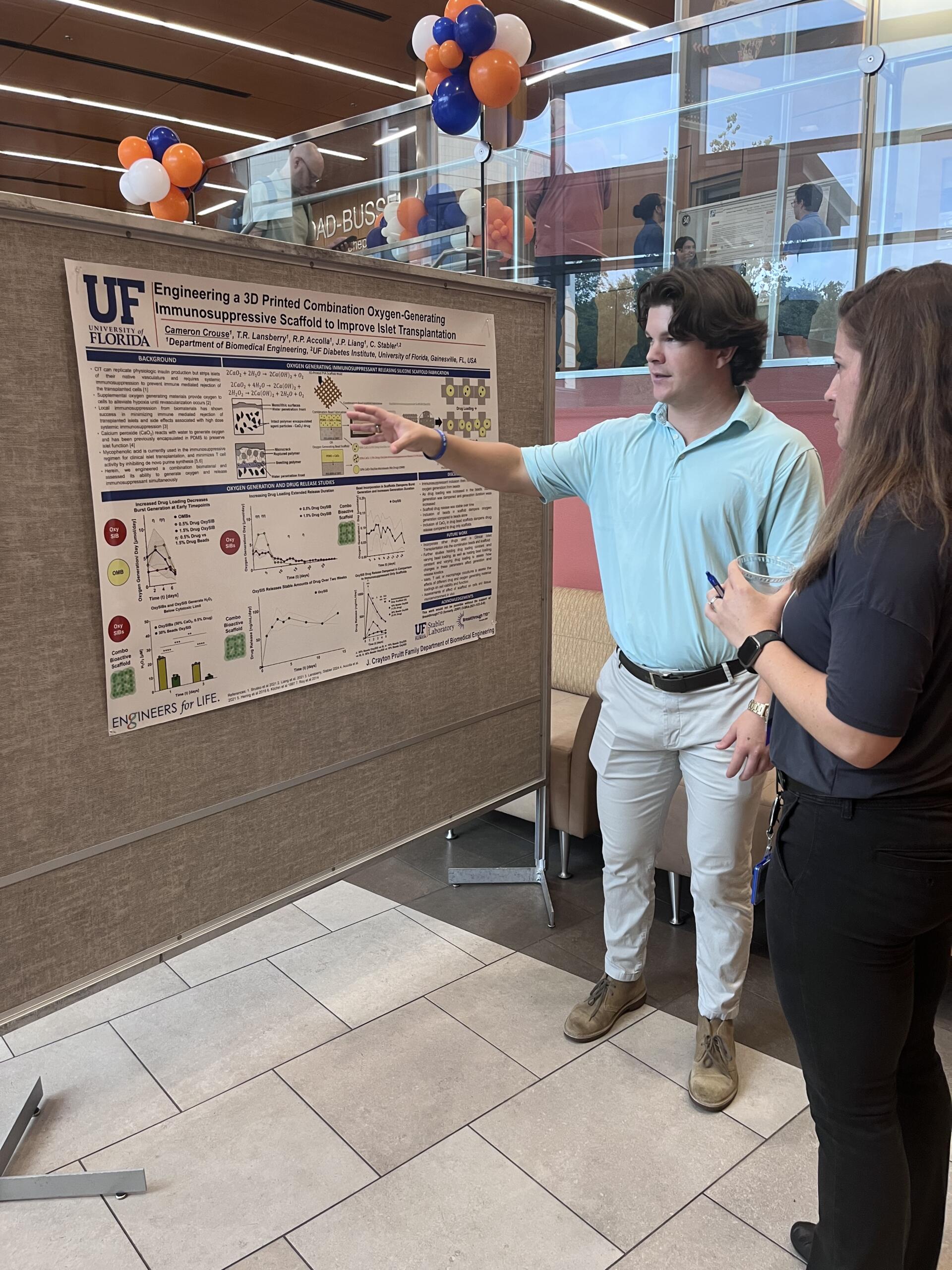
My glucose levels improved markedly when I switched from a glucometer to a CGM in my teens, and again when I moved to an automated insulin delivery (AID) system two years ago. I work in biomedical engineering, so I understand cell therapies well as a potential cure, and the results are very reassuring. But good science takes time—we want therapies that are effective and safe. I’m happy with what’s been achieved, while knowing things can be better.
Emily
My outlook has completely changed. Instead of hiding my diagnosis, I made my health a priority, and that truly changed my life. On a closed-loop system, I have more peace of mind than at any point in 10-plus years with this condition, and constant access to my data removes some of the decision fatigue. It also connected me to the T1D community through Breakthrough T1D and the YAAC. Seeing others share similar experiences made me feel less alone.
Hannah
Today, my outlook is much more positive, and a huge part of that came from meeting other people with T1D. For so long I thought I was the only one who felt the way I did. Seeing others openly talk about their diabetes helped me realize I didn’t have to hide it, and I eventually felt confident enough to get a pump and CGM. Having the two devices talk to each other takes a huge weight off my shoulders.
Q: What do type 1 diabetes cures look like—and mean—to you?
Adriana
Cures would mean everything to me. All the years of advocating, speaking to legislators, and standing beside children living with this condition would finally lead to the one thing we have all been fighting for. I have watched T1D take up space that should belong to childhood, dreams, and simply being a kid. A cure would mean no more parents lying awake worrying, and no more families planning their lives around numbers and alarms.
Cameron
A cure is independence. My life runs through my phone, not just because it’s how I reach the people I love, but because it controls my CGM and AID. Diabetes doesn’t limit me, but it adds a layer of awareness you carry at all times: what you’re eating, how much insulin you have on board, how any of it might move your blood sugar. A cure is all of that going away—the constant background microphone feedback finally cutting out.
Emily
The technology of the past decade has greatly improved my quality of life, but the mental burden and decision fatigue have never gone away. To me, a cure feels like calmness. It means not having diabetes at the forefront of my mind every moment of every day. Technology has made T1D easier and safer, but it cannot eliminate the fatigue of managing the highs and lows—quite literally—of this condition.
Hannah
Cures would mean waking up and not immediately thinking about my blood sugar, insulin, food, or what my diabetes needs from me that day. But it also means freedom—kids diagnosed with T1D not growing up feeling like they need to hide or apologize for something they didn’t choose. It isn’t just about not taking insulin. It’s the freedom to live without diabetes controlling so much, and a full night’s sleep.
Q: How do you think Breakthrough T1D is going to make cures a reality?
Adriana
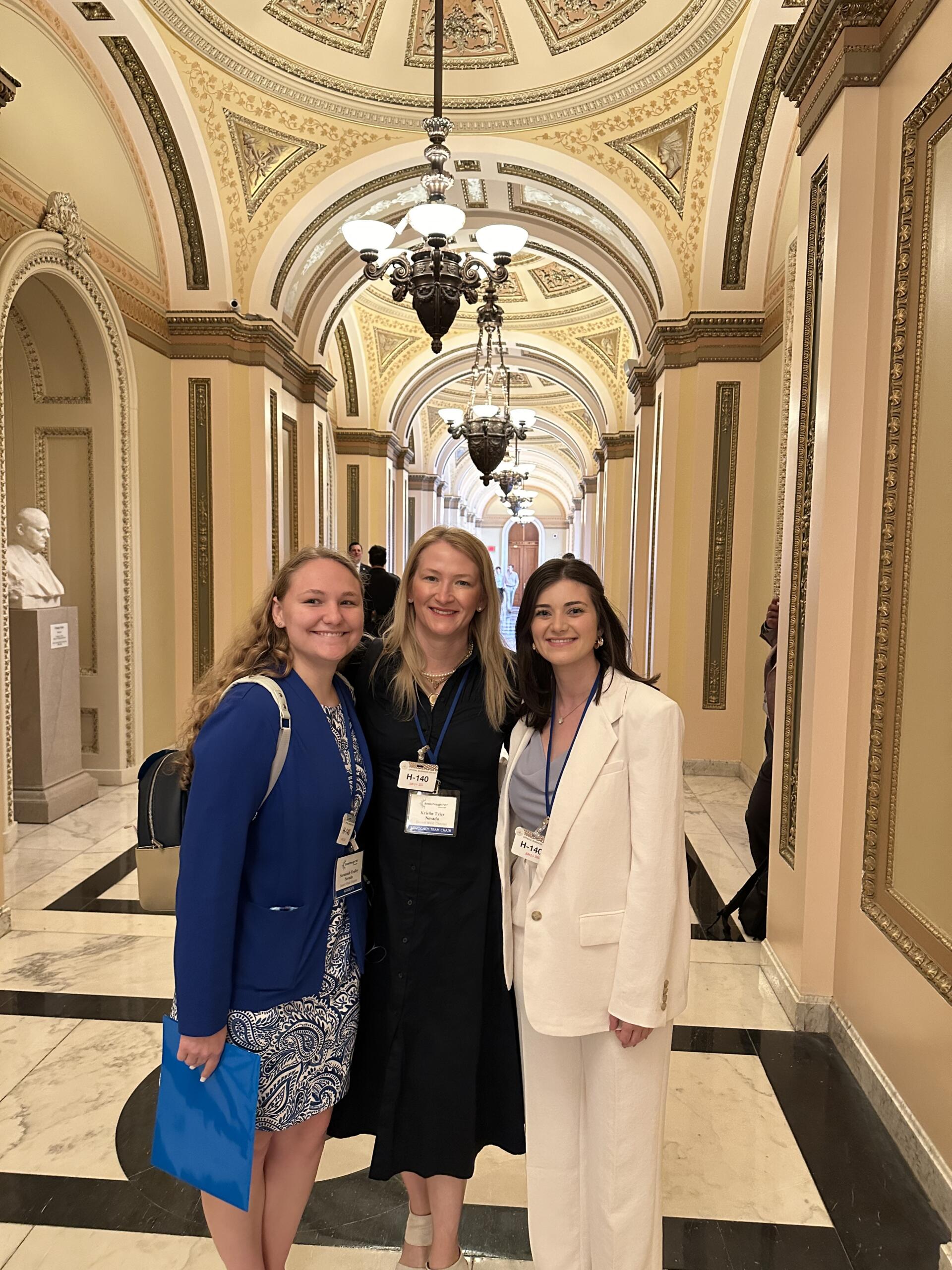
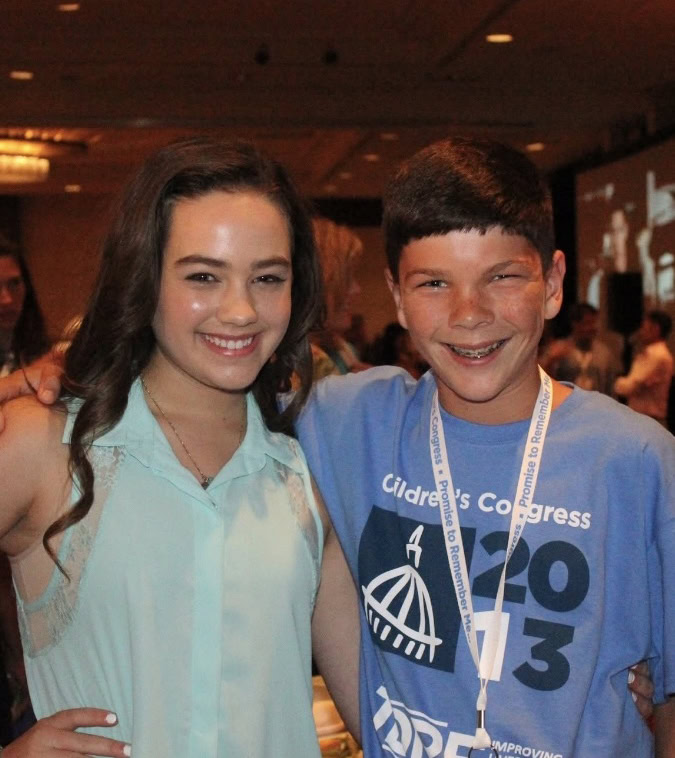
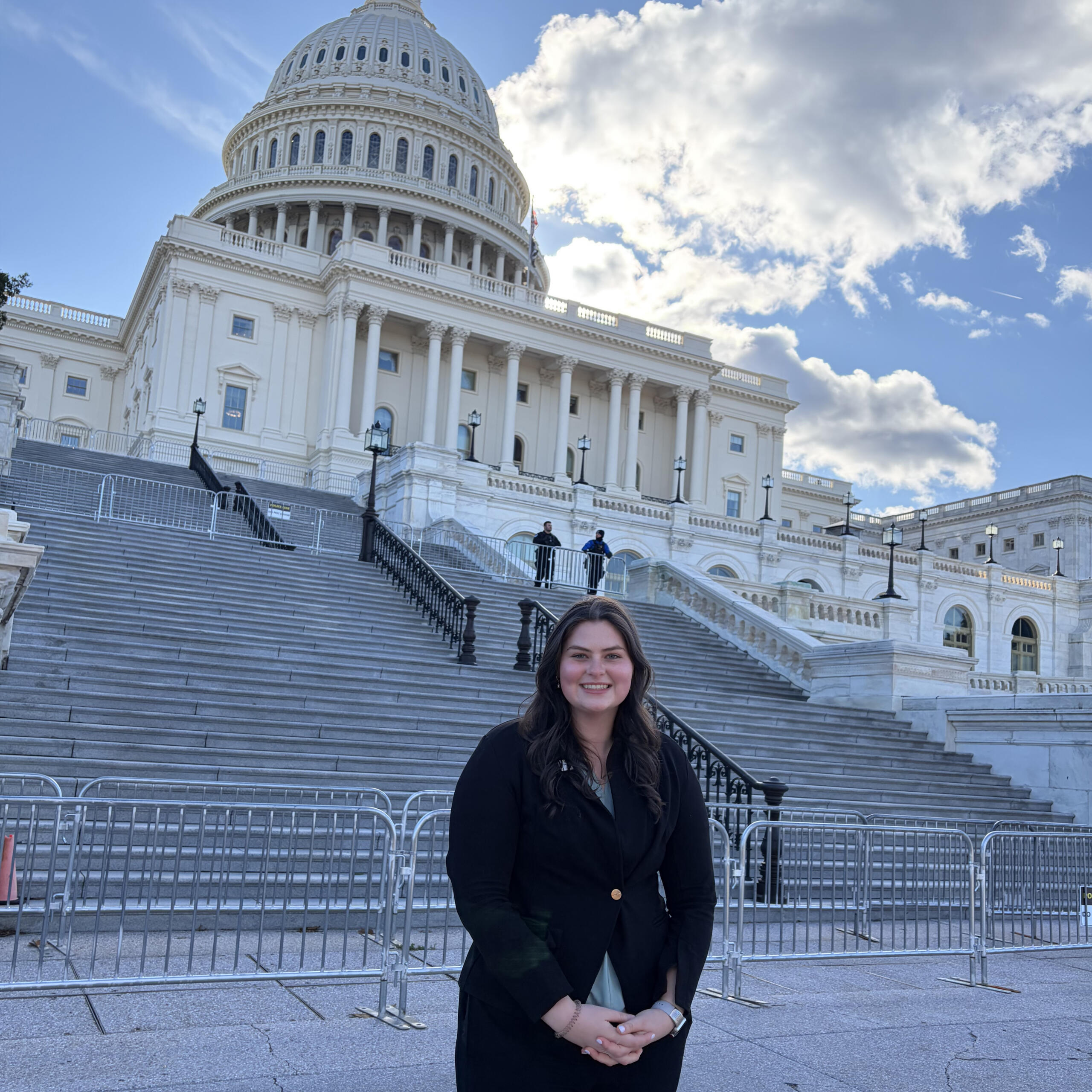
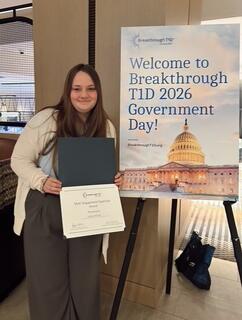
I attend Breakthrough T1D on the Hill (formerly Government Day) every year. I was also a Children’s Congress Delegate, so I have seen firsthand how hard Breakthrough T1D is working. You can tell it is their number one priority and nothing will stand in their way. The continued push for advocacy and funding is what will turn this dream into reality.
Cameron
Breakthrough T1D will make cures a reality by continuing its mission. On the macro scale, that means funding promising biotech startups and lobbying Congress for support. On the micro scale, it means volunteers and staff devoted to the mission—local advocating and fundraising matter as much as large-scale funding. We have to remember that we, the T1D community, are this organization. We will keep fighting until no life is ever affected by type 1 diabetes again.
Emily
Breakthrough T1D’s advocacy and research genuinely make me believe there is a future where we live in a world cured of type 1 diabetes. The research I find most encouraging is cell replacement therapy, which addresses the root cause rather than simply managing it. Translational research into whether approved type 2 therapies can help in the T1D space is exciting too, and innovations like Afrezza and Tzield are moving us one step closer.
Hannah
Breakthrough T1D will make cures a reality by bringing together research, advocacy, and the voices of people actually living with T1D. They fund research and support advances in treatment and technology, but they also make sure people with T1D have a seat at the table, regardless of age or background. I’ve experienced that going to Capitol Hill as a college student, sharing my experience with policymakers showed me how important it is for people with diabetes to be in these conversations.
Advocacy Powers Progress
When it comes to improving the lives of those living with type 1 diabetes, advocacy is an incredibly important part of our work.
By using your voice, you can advance breakthroughs by championing federally-funded T1D research, drive progress by ensuring critical medical advancements and resources swiftly reach the T1D community, and improve everyday life with T1D by supporting policies that help prevent, manage, and treat T1D—while advancing toward cures.
