vTv Therapeutics (vTv), a biopharmaceutical company developing an adjunctive therapy for type 1 diabetes (T1D), announced a $51 million financing round, including an investment from the Breakthrough T1D T1D Fund, Breakthrough T1D’s venture philanthropy arm.
vTv will use this financing to fund a phase III clinical trial of cadisegliatin (TTP399), an adjunct therapy to insulin for people with T1D. Per vTv, this trial is expected to begin in 2024.
Cadisegliatin is a liver-selective glucokinase (or GK) activator. GK in the liver and other organs acts as a critical regulator of sugar levels in the body. When blood sugar levels rise, activation of GK in the liver stimulates glucose utilization, lowering glucose levels in the blood. Cadisegliatin is administered as a tablet.
After completing several studies in participants with type 2 diabetes, vTv Therapeutics joined forces with Breakthrough T1D in 2017 to also test cadisegliatin in people with T1D. In the phase II clinical trial, called Simplici-T1, cadisegliatin significantly improved HbA1c in people with T1D. Additionally, trial participants who received cadisegliatin showed a reduction in insulin dose, reduced hypoglycemia (low blood sugar), and no increase in diabetic ketoacidosis (DKA).
Breakthrough T1D has funded studies into glucokinase since the early 1980s, including funding for Franz Matschinsky, M.D., who made the seminal discovery of glucokinase as the primary glucose sensor in the pancreas. With funding from Breakthrough T1D, he went on to collaborate with then-unknown scientists who today are leaders in the diabetes space, including Mark A. Magnuson, M.D., who is now the leading investigator on glucokinase activity, and Barbara Corkey, Ph.D., who is known for her pivotal work on obesity and diabetes.
Breakthrough T1D is excited that the Fund’s investment will continue this partnership and help move this promising therapy through the drug development pipeline into a phase III clinical trial.
Editor’s note: Written by guest blogger, Grace Bennett, Social Media Manager at Breakthrough T1D. The opinions expressed by the author are her own and are not necessarily those of JDRF, its leadership, employees, or supporters.
Life with T1D means you don’t only observe your birthday, holidays, and anniversaries. You also usually in some way mark your “Diaversary” or the day your life with T1D began.
I’ve always felt a bit conflicted about my Diaversary. While I feel like I should do something to recognize a day that completely changed my life, it’s obviously not something I necessarily want to celebrate.
Who in their right mind would celebrate being diagnosed with a condition that adds significantly to one’s mental load (and that’s just the tip of the iceberg!)?
I tend to quietly acknowledge my Diaversary with my family and then move on. That changed a few weeks ago, when I realized that life with type 1 diabetes (T1D) has taught me a lot of life lessons that I might not have learned otherwise. So, here are the 19 things I’ve learned over the 19+ years I’ve lived with T1D.
- Pretending something isn’t happening is not going to make it go away. This was my approach to T1D management during my teenage years, 0/10 recommend. Also, sorry mom and dad!
- If you overpack extra supplies, you likely won’t need them. You know when you will? The one time you try to “pack light.”
- Most of the time, people who suggest homeopathic “cures” like cinnamon for your T1D mean well, even though they are misguided. Using these moments as an opportunity to educate instead of getting defensive will feel a lot better than jumping down someone’s throat.
- Just because your illness is largely invisible doesn’t mean it’s easy. You’ll hear a lot of “at least it’s T1D and not *insert scarier illness here*” but the truth is, no one “wins” in a contest of who has it worse. Any illness or health condition is difficult in its own way.
- I really do not care if people see my T1D tech. I promise when you look back on photos from your eighth grade dance, the tubing from your insulin pump being visible won’t be one of things you cringe at.
- Pack the number of low treatments you think you’ll need and then double it. You’ll thank me later.
- Don’t get caught up in comparison to other people living with T1D who seem to be doing better than you are. This is the furthest thing from a “one size fits all” disease.
- Your blood sugar will get low at the MOST inconvenient times.
- Find community, whether it’s in-person or online. JDRF’s CEO, Dr. Aaron Kowalski says frequently that the T1D community is “the best club you never want to be a part of” and he is spot on.
- Don’t beat yourself up if you’re having a bad blood sugar day, especially an inexplicable one.
- Speaking of, don’t forget that more than just carbohydrates and exercise impact blood sugar. Stress, having a cold or the flu, hormonal changes, and any other number of variables can also throw your HbA1c off kilter.
- Don’t be afraid to advocate for yourself and ask questions at your medical appointments. If something doesn’t feel or seem right to you, mention it!
- Don’t fall into the trap of defining your whole life as “good T1D days” and “bad T1D days.” If you tried your best, even if your blood sugar wasn’t exactly where you wanted it to be, remember your best is enough.
- The field of T1D research IS progressing faster than ever before in the most exciting ways. Working at Breakthrough T1D and getting to see not just the big milestones, but also the small pieces of progress being made is something that’s been an eye opener.
- Your friends and family who don’t live with T1D won’t ever fully understand how it feels, but that doesn’t mean they don’t want to. Try your best to keep that in mind.
- It’s in no way, shape, or form your fault that your body doesn’t do something it’s supposed to.
- There really is no such thing as a stupid question when it comes to T1D—if you aren’t sure about something, ask!
- T1D burnout is real and can look different for everyone. If you find yourself struggling, I promise that asking for help will make you feel a massive wave of relief.
- Feel your feelings; resentment, anger, frustration, joy, sadness, etc., are all part of life with T1D. There is no wrong way to feel about life with a chronic illness.
As Breakthrough T1D’s Social Media Manager, I can confidently say that the T1D community has a tremendous amount of wisdom about life with T1D to share beyond the points I’ve listed here. Don’t forget to go check out the comments on our Social Media channels for more advice from this incredible group of folks!
Semaglutide, brand names Ozempic®, Rybelsus®, and Wegovy®, is all over the news. It is FDA-approved to help people with type 2 diabetes (T2D) manage their blood glucose levels. It also decreases the risk of cardiovascular events and helps with weight loss. According to study results published in the New England Journal of Medicine [subscription required] by investigators at the State University of New York at Buffalo, it may also help newly diagnosed individuals with type 1 diabetes (T1D) make more insulin.
What Is Semaglutide?
Semaglutide is a glucagon-like peptide, or GLP-1. It helps people with T2D in various ways, including by stimulating insulin production. These drugs have been on the market since the early 2000s.
Thanks to decades of Breakthrough T1D-supported research, we know that people diagnosed with type 1 diabetes (T1D) still have functioning beta cells. They no longer make the amount of insulin needed by the body to function, but they do exist.
Preserving those beta cells, keeping them healthy and alive and, eventually, increasing their number and function through disease-modifying therapies is one of Breakthrough T1D’s key priority areas.
“The preservation of the remaining functional beta cell population is a critical component of developing disease-modifying therapies for patients with new-onset type 1 diabetes,” said Breakthrough T1D Director of Research, Joshua Vieth, Ph.D.
Study Results
The researchers in this study, who currently receive Breakthrough T1D funding to investigate the use of semaglutide later in disease to assist with glycemic control, administered the drug to 10 individuals. These individuals were between the ages of 21 and 39 in stage 3, or new-onset T1D. They began treatment with semaglutide within three months of diagnosis with the goal of preserving beta cell function. Nine individuals tested positive for GAD, an antibody which can indicate the presence of autoimmunity; one tested positive for IA-2, another autoantibody. Over the course of several months, all 1o individuals no longer had to administer insulin at mealtimes and six of the participants no longer needed basal insulin after six months. Additionally, participants saw an increase in c-peptide, which shows that their bodies were making more insulin after being on the therapy.
What Comes Next
These results are exciting, but much more work is needed.
“Overall, these are promising early results, suggesting it may be possible to extend the honeymoon period in early type 1 diabetes, and making it clear that further study is necessary into the mechanisms involved,” said Vieth.
According to Vieth, this study raises additional questions for researchers. In particular, what effect does using semaglutide to increase insulin production by the remaining beta cells have on these cells? It’s possible that this adds further stress on these cells. We need to determine what the effect of this stress will be beyond the length of this study. Will the beta cells continue to produce insulin or will insulin production decline? All of this must be investigated in a larger, follow-up study with a control group.
GLP-1’s Are a Priority for Breakthrough T1D
Breakthrough T1D has been a central player in the discovery and development of GLP-1’s for decades. In fact, a Breakthrough T1D-funded researcher named Pauline Kay Lund, Ph.D., was the first to discover GLP-1 and GLP-2. Since then, Breakthrough T1D has funded many studies to better understand this hormone, how it functions, and how it can be used to help people with T1D. In particular, Breakthrough T1D believes semaglutide has tremendous promise to improve glucose control and mitigate heart and kidney complications for individuals in stage 4, or established T1D.
That work continues today. There are several Breakthrough T1D-funded clinical trials to see how people with established T1D can benefit. This includes research led by Dr. Viral Shah at the Barbara Davis Center at the University of Colorado—and in collaboration with three other leading diabetes centers (Henry Ford Hospital, Iowa Diabetes, and the Oregon Health & Science University)—which is investigating ways semaglutide may benefit people with T1D and obesity who are using artificial pancreas (AP) systems
These drugs are also being explored by the Breakthrough T1D T1D Fund. T1D Fund portfolio company i2O Therapeutics is developing several products leveraging GLP-1s, initially for T2D, including a refillable, implantable GLP-1 device that delivers 6 month’s worth of the hormone, an oral form of long acting GLP-1, as well as a combined oral GLP-1 with Amylin (another important gut hormone).
Additionally, Code Bio, a T1D Fund portfolio company, has explored GLP-1 to target beta cells for targeted drug delivery.
Read more about the potential benefit of these drugs in people with T1D here.
JDRF’s vision is a world without type 1 diabetes (T1D) and in the past fiscal year, through many top type 1 diabetes advances, we’ve made incredible progress toward that goal.
Your support of our efforts is inseparable from the top type 1 diabetes advances we’ve seen in accelerating cures, improving lives, and advocacy wins for people with T1D and their loved ones.
As we approach the end of fiscal year 2023 (FY23), let’s highlight the many top type 1 diabetes advances we’ve seen.
Top Type 1 Diabetes Advance 1: First T1D Disease-Modifying Therapy
In a historic moment for T1D—and one that Breakthrough T1D had a hand in from the beginning, supporting research from the 1980s on—the U.S. Food and Drug Administration (FDA) approved Tzield™ (teplizumab-mzwv) for use in delaying the onset of clinical disease in at-risk individuals aged 8+.
For the first time in history, Tzield will treat the autoimmune process behind T1D, not the symptoms, altering the course of the disease.
Among our top type 1 diabetes advances, this is the first disease-modifying therapy—treatments that can slow, halt, or reverse the course of the disease—for T1D to be approved, but it won’t be the last.
Additionally, months after Tzield’s FDA approval, Sanofi acquired Provention Bio, the manufacturer of Tzield.
The acquisition brings the first T1D disease-modifying therapy available in the U.S. into the portfolio of a global leading pharmaceutical company, representing an endorsement of the potential of these types of therapies and, we hope, the opportunity to bring this life-changing therapy and others in the pipeline to more people faster.
Tzield and breakthroughs like it put us on the pathway to finding cures and, one day, preventing T1D entirely.
Top Type 1 Diabetes Advance 2: A Blood Pressure Drug Preserves Beta Cell Function
A Breakthrough T1D-funded study found that children and teens newly diagnosed with T1D who took verapamil—a drug already approved to treat high blood pressure—were making more insulin one year after diagnosis than those on placebo. In other words, in the children and teens who took verapamil, more beta cells were healthier one year post T1D diagnosis than those in the children and teens who took the placebo.
This was the second trial that found the drug can preserve beta cells in the newly onset period.
Additional studies may be needed to further validate the results, as well as identify all benefits and potential side effects of the drug. Breakthrough T1D has the strategy to answer these and other questions.
The finding brings us closer to our goal of having numerous disease-modifying therapies widely available for people with type 1 diabetes.
Top Type 1 Diabetes Advance 3: Affordable Insulins for Everyone
Breakthrough T1D and partnering organizations are supporting nonprofit pharmaceutical manufacturer Civica Rx to produce biosimilar insulin that will cost no more than $30 a vial/$55 a box of five pens, regardless of insurance status.
One year after the Civica announcement, Eli Lilly, Novo Nordisk, and Sanofi all announced reductions to the prices of their insulins—including the most used insulins, such as Humalog, NovoLog, and Lantus.
Another big win for insulin affordability was the $35 monthly out-of-pocket co-pay cap for those on Medicare included in the Inflation Reduction Act that Breakthrough T1D fought hard to secure.
In April, the Senate Diabetes Caucus Co-Chairs, Jeanne Shaheen (D-NH) and Susan Collins (R-ME), introduced the INSULIN Act of 2023, another key step toward achieving affordable insulin for all who need it.
The bill seeks to limit out-of-pocket insulin costs by ensuring that people with commercial insurance pay no more than $35 or 25 percent of the net price per month for at least one insulin of each type and dosage form, and includes other important provisions to help make insulin more affordable and accessible.
You can contact your members of Congress and encourage them to support the INSULIN Act of 2023.
Top Type 1 Diabetes Advance 4: Turbo Boosting Cell Therapies
Breakthrough T1D is working to develop and deliver life-changing therapies that place healthy, insulin-producing beta cells back into the bodies of people with T1D. There was a lot of progress in FY23.
Vertex, which previously acquired Semma Therapeutics, also acquired ViaCyte, bringing together the leading companies developing stem cell-based therapies for diabetes.
Vertex is advancing a stem cell-derived islet replacement therapy for T1D. It’s in human clinical trials and showing amazing results, with one participant being off insulin entirely.
Vertex also started a trial with a new product using encapsulated stem cell-derived islets as replacement therapy, and is exploring gene-edited stem cell-based therapies—both with the goal of eliminating the need for immunosuppressive drugs.
Just this past April, Aspect Biosystems—an industry leader in 3D bioprinting technology—and Novo Nordisk announced a partnership to expand the development of a new class of treatments for diabetes and obesity, using Aspect’s bioprinting technology and Novo Nordisk’s expertise in stem cell and cell therapy development.
The Aspect-Novo Nordisk partnership’s initial focus will be on developing bioprinted therapies for transplant that would be designed to maintain normal blood-sugar levels without the need for immunosuppression. This could represent a transformative treatment for people living with T1D.
Additionally, the U.S. Food and Drug Administration (FDA) approved CellTrans’s Lantidra™, the first cell therapy to be authorized in the United States, for use in adults unable to approach average blood glucose levels due to current, repeated episodes of severe low blood sugar. This therapy, which requires the use of immunosuppressive drugs, takes deceased donor islets and places them into people with T1D suffering from repeated severe low blood-sugar, called hypoglycemia, events. This is an exciting first.

Approved! Numerous T1D Management Technologies
Breakthrough T1D funds research to facilitate the development of new therapies and technologies to make day-to-day life with T1D easier, safer, and healthier. In the past year, we saw:
Newly-Approved Artificial Pancreas (AP) Systems and Algorithms
- iLet® Insulin-Only Bionic Pancreas System for ages 6+
- Medtronic MiniMed™ 780G AP system for ages 7+
- Tidepool Loop, an algorithm that will allow for interoperability of continuous glucose monitors (CGMs) and insulin pumps
Newly-Approved Continuous Glucose Monitoring (CGM) Systems
- Dexcom G7® CGM system for ages 2+
A New Tool to Accurately Diagnose Type 1 in Adults
Misdiagnosing adults with T1D as having T2D is an all-too-common problem that can have tragic consequences. Breakthrough T1D and IQVIA teamed up to develop an algorithm using artificial intelligence to examine medical records and identify individuals who were diagnosed with T2D but actually have T1D. This could be used in real time to correct misdiagnoses, offering the potential for future development into a clinical decision support tool.
A First-of-its-Kind Lifesaving Tool: The T1D Index
Breakthrough T1D and other T1D-related organizations launched the T1D Index, a first-of-its-kind data simulation tool that offers the most accurate estimate of T1D ever created. The Index measures and maps how many people live with this condition in every country, the healthy years of life it takes from people living with T1D, the number of people who would still be alive today if they hadn’t died prematurely from T1D complications, and our global strategy to reduce the impact of T1D.
Go Forward
Your partnership has been crucial to these advances and many more. On behalf of our community, thank you for moving us forward and ever closer to a world without T1D.
We are excited for the top type 1 diabetes advances that fiscal year 2024 (FY24) will bring!
Read Past Blogs about Top Type 1 Diabetes Advances:
What We Can Be Proud of in 2022
What We Can Be Proud Of in 2020
Top 10 T1D Breakthroughs of 2019
Today, Dexcom announced that the U.S. Food and Drug Administration (FDA) cleared the Dexcom G7® Continuous Glucose Monitor (CGM) system for ages 2+. People with diabetes will now have a smaller and more accurate CGM to help manage their blood-sugar levels.
“Breakthrough T1D is thrilled that the Dexcom G7 was cleared by the FDA,” says Breakthrough T1D Director of Research, Jonathan Rosen, Ph.D. “Rigorous research has shown many times over that CGM devices improve glucose control and other health outcomes. The Dexcom G7 features many notable improvements that are aligned with Breakthrough T1D’s goal of people with type 1 diabetes having access to effective, convenient therapies.”
G7 Enhancements
Smaller Profile, Easier Insertion
The G7 is 60% smaller than the G6 and has a simpler, one-step insertion process. The G6 has a transmitter that is reused for several weeks and inserted into each new sensor; the G7 is one disposable unit.
Shorter Warmup Time
A warmup period is required after the insertion of the sensor. During that time, the user does not have access to their blood-sugar levels. The warmup for the G6 is 2 hours, but only 30 minutes for the G7. That’s an extra 90 minutes per 10-day use sensor that the user has access to data with which to make decisions.
More Accurate
The G7 is more accurate than the G6. Dexcom published data from their pivotal trial demonstrating the safety and efficacy of the device. Of note is the G7’s Mean Absolute Relative Difference (MARD), which is a key metric used to evaluate CGM accuracy. MARD calculates the average difference between the glucose reading on the CGM with a blood-glucose measurement measured via a blood sample. The MARD for the G7 is 8.2% for sensors placed on the upper arm. That means the reading from the Dexcom is, on average, 8.2% different than the reading on the glucometer. This is an improvement over the G6’s 9% MARD for sensors on the abdomen (the G6 is not approved for use on the upper arm).
Breakthrough T1D has played a pivotal role in novel CGM development, as well as access and adoption, including supporting a clinical trial that conclusively demonstrated that CGM use improved health outcomes for people with diabetes. Dexcom G7 is one of several commercially available CGM systems now, which gives people with T1D the freedom to choose the tools and systems that are right for them.
Breakthrough T1D will continue to monitor the field and push for meaningful technological advancements, and we won’t ever stop fighting for affordability, choice, and coverage on our path to a world without type 1 diabetes.
Breakthrough T1D and Dexcom have a history of mutual support. Breakthrough T1D awarded a grant to Dexcom in 2015 and Dexcom provides Breakthrough T1D-funded studies with supplies. Breakthrough T1D did not fund research into the development of the G7.
Per Dexcom, they are working closely with its insulin pump partners to integrate Dexcom G7 into current and future automated insulin delivery systems as quickly as possible.
Dexcom anticipates the G7 will be available in early 2023.
For some adults who use inhaled insulin at mealtimes, it provides another option to manage their diabetes and it is taken with the first bite of food. But it’s only available for people who are 18+ years old. Children and most teens do not currently have this option. The results of a clinical trial recruiting participants may change that.
Younger kids may be unable to understand type 1 diabetes and effectively manage their blood sugar. For tweens and teens, managing diabetes can add an extra layer of stress, particularly when it comes to meals and snacks. Hormonal changes during these years make glucose levels unpredictable, and adolescents tend to eat more meals away from home and are “likely to engage in eating as a major social event with peers.”1
Stopping for a snack after school, participating in a classroom party, eating a mid-morning snack; this could be managed by taking injected insulin about 15-20 minutes before eating or drinking. But children and teens don’t always plan ahead (their executive functioning skills are still developing). They can eat randomly, without time for preplanning insulin doses.
But what if it was safe and effective to take a rapid-acting inhaled insulin just as they start eating? The INHALE-1 clinical trial is finding out.
This study aims to evaluate the safety and effectiveness of a rapid-acting inhaled insulin product for use in children and teenagers with diabetes.
Who Can Join?
- Children and teenagers ages of 4-17
- Diagnosed with type 1 or type 2 diabetes and using mealtime insulin (vial or pen, no pumps)
- A1c is 7%-11%
- No recent history of asthma (in the last 12 months) or other lung conditions
- No smoking or vaping
What’s Involved?
- The study involves clinic visits, blood draws, and lung function tests
- Qualified participants will either take inhaled insulin for 12 months or continue mealtime injectable insulin for 6 months and then switch to inhaled insulin for the final 6 months
- Inhaled insulin will be provided at no cost
- Participants will be asked to check their glucose level frequently using a continuous glucose monitor (CGM), which will be provided throughout the study
Where Is It Recruiting?
Recruitment is taking place, as of now, at 22 sites located in California, Florida, Georgia, Idaho, Indiana, Iowa, Kentucky, Maryland, Massachusetts, Nevada, New Jersey, New York, Ohio, Pennsylvania, Tennessee, and Texas. Find the site location nearest you on the National Institutes of Health’s (NIH) ClinicalTrials.gov website.
If you and your child or teen are interested in becoming involved, contact 1-844-INHALE1.
Facebook Live Event
To learn more about the INHALE-1 clinical trial, you can also watch our Facebook Live event titled “Children are Not Little Adults: The Importance of Pediatric Research,” featuring:
- Anastasia Albanese-O’Neill, Ph.D., APRN, CDCES, Director, Community Screening and Clinical Trial Education, Breakthrough T1D
- Nicole and Sydney Thomas
- Michael J. Haller, M.D., Professor and Chief of Pediatric Endocrinology, University of Florida, and INHALE-1 Protocol Chair
This educational content is made possible with support from MannKind Corporation. Breakthrough T1D produces this content to provide information to our supporters about their potential options for managing their T1D and not as an endorsement of products. Editorial control rests solely with Breakthrough T1D.
1Borus JS, Laffel L. Adherence challenges in the management of type 1 diabetes in adolescents: prevention and intervention. Curr Opin Pediatr. 2010 Aug; 22 (4): 405-11. doi: 10.1097/MOP.0b013e32833a46a7.
Derek is an outdoor person. He spends much of his time in Macomb, MI, camping, hiking, fishing, and hunting, often with his sons, one of whom has type 1 diabetes (T1D)—just like Derek.
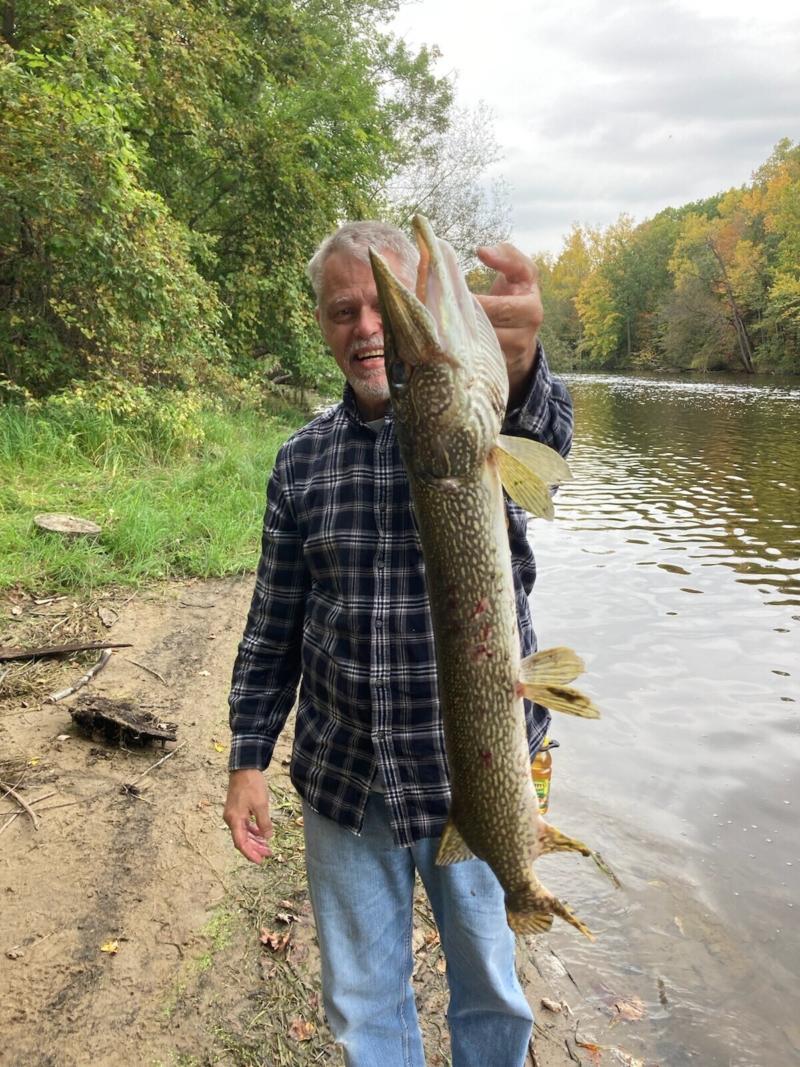
Derek fishing in Michigan
A few years ago, while his sons were visiting, Derek was treating a low blood sugar with a few chocolate chip cookies. The next thing he remembers is waking up next to a jar of honey, an empty bottle of apple juice, and two used glucagon kits. He was disoriented…and surprised.
“I’ve always been able to treat lows without any problems, but that one got away from me,” he said.
Fortunately, he had glucagon nearby and his wife knew how, and when, to administer it.
“She gave me one shot of glucagon but my son, a state police officer, still couldn’t get me to respond,” Derek said. “So, she gave me a second shot. A few minutes later, I came around, but I felt like I had gone a few rounds in the ring with Muhammad Ali.”
The episode left them both shaken.
“My wife said to never let that happen again and I understood her feelings completely,” he said.
Glucagon to the Rescue
Glucagon. It’s a word familiar to people with T1D, yet one most hope to avoid discussing. But what is glucagon and what is its role in the management of T1D?
Glucagon is a hormone released by the pancreas that works in tandem with insulin to keep blood sugar levels in healthy ranges. In people without T1D, the two hormones are being released all the time–insulin to prevent blood sugar levels from rising too high, and glucagon to prevent it from going too low.
But for people with type 1 diabetes, a drop in blood sugar often doesn’t trigger a normal glucagon response and blood sugar can continue to drop, occasionally resulting in severe hypoglycemia (less than 55 mg/dL or 3 mmol/L).
Signs that a person with T1D is experiencing a severe low blood sugar episode include:
- Feeling weak
- Having difficulty walking or seeing clearly
- Acting strange or getting disoriented
- Having seizures
- Fainting or passing out
Glucagon is used as a rescue medication, in injectable or nasal spray forms, to treat episodes of severe low blood sugar when someone is unable or unwilling to ingest carbohydrates safely, or if they are unresponsive. It typically helps bring blood glucose levels back up into a safe range (over 70mg/dL).
Download Breakthrough T1D’s hypoglycemia one-pager for parents and caregivers
(Sponsored by Lilly)
Watch our Hypoglycemia 101 video
(Sponsored by Lilly)
A Scary Teaching Moment
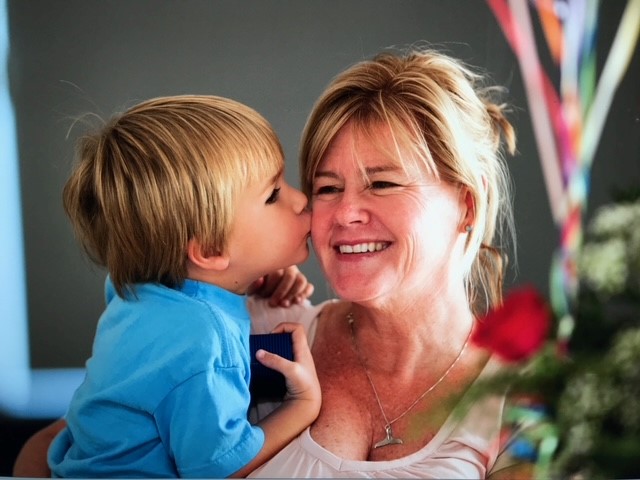
Coleen with her grandson around the time of his diagnosis at age 4
Coleen cares for her teenaged grandson with T1D in San Diego, CA. He recently went to a party with friends and came home sick, with vomiting and severe lows. She was monitoring his blood sugar on his continuous glucose monitor (CGM), watching his number dip into the 40s, and forcing him to drink soda with no improvement. “At some point, I decided to use Baqsimi nasal spray,” she said. “It took about 15-20 minutes to bring him up, but I knew he was going to be okay.”
That event, while frightening, was a “teaching moment” for Coleen and her grandson. Now, his best friends are all trained in how to use Baqsimi in case of emergency.
The Different Forms of Glucagon
We all know that T1D care is not “one size fits all.” Personal preference and insurance coverage (or lack thereof) all impact how people manage their disease. Glucagon comes in several forms, which gives people with T1D options to choose from based on those factors:
Baqsimi is a dry nasal spray administered in one nostril. Because there is no needle involved, it tends to be a bit less intimidating for caregivers to administer. The most common side effects after use are mild and include nausea, headache, and discomfort in your nose.
The Gvoke HypoPen is available as a pre-mixed autoinjector or a pre-filled syringe (PFS). It is injected into the upper arm, stomach, or thigh. Both come in a convenient two-pack and are available in two premeasured doses: one for kids (under 100 lbs.) and one for adolescents and adults. The most common side effects after administration are mild and include nausea, vomiting, swelling at the injection site, and headache.
Zegalogue comes in a pre-filled syringe (PFS) or an autoinjector pen—no mixing is necessary. It is injected into the upper arms, lower abdomen, front or back of thighs, or buttocks. The most common side effects after administration are mild and include nausea, vomiting, headache, diarrhea, and injection site pain.
In all cases, after Glucagon is administered the person must be turned on their side in case of vomiting and 911 (or emergency medical help) should be called immediately.
I Have a CGM, I Don’t Need Glucagon!
With the increase in use of CGMs and artificial pancreas (AP) systems, the risk of severe hypoglycemia is reduced for many people with T1D, so carrying glucagon may not be as much of a concern. For Coleen, while her grandson’s CGM has been “lifesaving” on many occasions, it doesn’t preclude the “what ifs” or the unpredictability of the disease.
“That night, if he had slept over at a friend’s house, he may not have woken up,” she says. “He carries Baqsimi with him all the time now.”
Availability and Affordability
Glucagon is considered an essential part of a T1D’s supply kit, yet a recent study shows that only 47% of T1D caregivers carry a form of glucagon with them at all times. For adults with T1D, that number is even lower, a troubling 29%. In contrast, almost 60% of people who need an epi-pen, another lifesaving rescue medication, always have it with them.
So why is glucagon an afterthought for so many people with T1D? The most common concern is cost.
The list price for the various forms of glucagon is around $300 per device, but insured patients can download savings cards that reduce the cost significantly.
- Baqsimi
- Savings Card (commercially insured patients only)
- Gvoke HypoPen
- Copay Card (commercially insured patients only
- Patient Assistance Program also available. Call 1-877-myGvoke.
- Zegalogue
- Co-Pay Savings Card (commercially insured patients only)
Breakthrough T1D’s Insurance Guide is also a helpful resource for people with T1D to find ways to reduce the financial burden of the disease.
The Life Raft in Your Supply Bag
Having the right tools to manage T1D allows you to take charge of your well-being. Glucagon is like a life raft: you may not use it daily, or even ever, but if there comes a time when you do, you’ll never be without it again.
Despite being diagnosed over 50 years ago, Derek still recognizes the challenges of having T1D, but he doesn’t let bumps in the road stop him from living his life to the fullest. “I control my diabetes so I can do things I enjoy when I want to,” he said. “Sure, T1D gets in the way every once in a while, but it doesn’t control me.”
Editor’s Note: This educational content is made possible with support from Lilly. Breakthrough T1D produces this content to provide information to our supporters about their potential options for managing their T1D and not as an endorsement of products. Editorial control rests solely with Breakthrough T1D.
You’ve seen the ads: Victoza®. Ozempic®. Trulicity®.
They are for type 2 diabetes, and they lower your blood-sugar levels and cause the majority of people who use them to lose weight. And they can lower your risk of major cardiovascular events, such as heart attack and stroke.
But did you know that these drugs came about, in part, because of type 1 diabetes (T1D) research?
In honor of the 100th anniversary of the first administration of insulin, Breakthrough T1D launched “100 Years, 100 Breakthrough T1D Scientists,” to tell the story of scientists and their discoveries, which put together the vast knowledge that we have about diabetes today.
The next one: GLP-1 treatments.
Cloning the Hormone Glucagon
You read about the cloning and expression of insulin in our latest “100, 100,” but it does not stop with insulin. When she was a postdoctoral fellow working in the laboratory of Joel Habener, Ph.D., Pauline Kay Lund, Ph.D.—who would go on to receive a 1982-1985 Breakthrough T1D Career Development Award—was the first to clone the hormone glucagon and discover two new hormones: glucagon-like peptide 1 (GLP-1) and 2 (GLP-2).
Said Lund, in an interview published in the Autumn 1985 issue of Countdown: “By understanding the factors which regulate glucagon gene activity and the production of glucagon, GLP-1, and GLP-2, it should be possible to predict the dietary and hormonal influences which best produce normal regulation of plasma glucose. This will aid in development of preventive and therapeutic measures to produce normal glucose regulation in patients with diabetes.”
In other words, understanding the protein could lead to the development of drugs that can help you reach a better blood-sugar range for people with diabetes.
Subsequent work revealed that GLP-1 encourages the release of insulin from the pancreas and reduces the release of glucagon, and clinical trials demonstrated that it was effective in treating type 2 diabetes.
In 2005, the FDA approved Byetta (exenatide). There are now seven GLP-1 medicines on the market.
Breakthrough T1D Leadership
Breakthrough T1D funded copious research in the 1980s and 1990s to understand the role of glucagon and glucagon-like peptide 1 in type 1 diabetes, including:
- Patricia Brubaker, Ph.D., during her Breakthrough T1D-funded postdoctoral fellowship in the laboratory of Mladen Vranic, M.D., D.Sc., between 1982-1985.
- She would stay at the University of Toronto, working with Daniel Drucker, M.D., who held a Breakthrough T1D grant from 1992-2009, on GLP function and development.
- Louise Scrocchi, Ph.D., was a Breakthrough T1D-funded postdoctoral fellow in the laboratory of Dr. Drucker, from 1996-1998, when she demonstrated the critical role of GLP-1 as an incretin hormone.
And there are many more Breakthrough T1D investigators who had a hand in making this new class of agents a reality to the diabetes community.
Breakthrough T1D Clinical Trials
When GLP-1 treatments came out, everyone in the type 1 space wanted to know if it worked for type 1 diabetes. Breakthrough T1D and others funded a number of clinical trials testing it with insulin, to see if it improved outcomes. Unfortunately, although it reduced HbA1c and total insulin dose, it increased the rates of low blood sugar (called hypoglycemia) and high blood sugar (hyperglycemia) events, thereby limiting its clinical use.
In the past few years, however, we have started to wonder whether three drugs (insulin + 2 other drugs) might work, and are now funding a trial to see if a GLP-1 therapy (semaglutide, brand name Ozempic, Rybelsus) and an SGLT therapy (dapagliflozin, brand name Farxiga), taken with insulin, can reach better blood sugar levels, compared with a dual therapy or insulin only.
Results won’t be out for another year or two, but stay tuned.
[1] Lund PK, Goodman RH, Habener JF. Intestinal glucagon mRNA identified by hybridization to a cloned islet cDNA encoding a precursor. Biochem Biophys Res Commun 1981; 100: 1659-1666. PMID: 7028035.
[2] Lund PK, Goodman RH, Habener JF. Pancreatic pre-proglucagons are encoded by two separate mRNAs. J Biol Chem 1981; 256: 6515-6518. PMID: 6165720.
[3] Lund PK, Goodman RH, Dee PC, Habener JF. Pancreatic preproglucagon cDNA contains two glucagon-related coding sequences arranged in tandem. Proc Natl Acad Sci USA 1982; 79: 345-349. PMID: 7043459 PMCID: PMC345726.
[4] Lund PK, Goodman RH, Montminy MR, Dee PC, Habener JF. Anglerfish islet pre-proglucagon II. Nucleotide and corresponding amino acid sequence of the cDNA. J Biol Chem 1983; 258: 3280-3284. PMID: 6338015.
In honor of the 100th anniversary of the first administration of insulin, Breakthrough T1D launched “100 Years, 100 Breakthrough T1D Scientists,” to tell the story of scientists and their discoveries, putting together the vast knowledge that we have about diabetes today.
The next one: Genetically engineered human insulin.
Before the advent of human insulin, insulins were derived from animals, and safe dosing was wildly inconsistent. But in 1976, research teams set out to synthesize the human insulin gene and make human insulin, and Breakthrough T1D researchers had multiple hands in the biosynthesis of it.
It all began when Eli Lilly called a meeting on May 24-25, 1976. Presenting first was William L. Chick, M.D., a junior faculty member at Joslin Diabetes Center, who had recently developed a rat with a rare tumor in beta cells—called insulinoma—which could generate huge amounts of insulin [1]. He had a Breakthrough T1D grant beginning in 1976.
Several of the teams at the Lilly meeting were planning on isolating the human gene for insulin and cloning it, and Chick’s insulinoma model provided the raw material. From the insulin gene to the cloning of it; this is where it all began.
The City of Hope-Genentech team prevailed in the summer of 1978 [2]—for which we gave the David Rumbough Award in 1979 to Arthur Riggs, Ph.D., David Goeddel, Ph.D., Keiichi Itakura, Ph.D., Roberto Crea, Ph.D., and Dennis Kleid, Ph.D.—however, there were two more groups involved:
- William J. Rutter, Ph.D., and Raymond Pictet, M.D., co-investigators funded by a Breakthrough T1D grant starting in 1976, were also at the Eli Lilly meeting, along with Howard M. Goodman, Ph.D. They and others comprised the Rutter-Goodman team, out of the University of California San Francisco (UCSF).
- Harvard researchers made up the group led by Walter Gilbert, Ph.D., and had Peter Lomedico, Ph.D., who was also at the meeting, who would go on to receive a Breakthrough T1D postdoctoral fellowship from 1977-1978, and Argiris Efstratiadis, Ph.D., who would go on to receive a Breakthrough T1D Career Development Award from 1980-1983.
In October 1982, the FDA approved the first genetically engineered drug, Humulin®, and would go on to approve many more insulins—short- and rapid-acting, long-acting, and a nasal version of it.
There are now genetically engineered therapies not just for diabetes, but for cancer, hepatitis B, stroke, and others. Research is how genetic engineering made the first human insulin product, and Breakthrough T1D research is advancing us toward cures and the next generation of life-changing breakthroughs for type 1 diabetes.
Follow up each week to find out who we selected and their major discoveries, in honor of the 100th anniversary of the first administration of insulin.
*I thank—very much so—the book by Stephen S. Hall, Invisible Frontiers: The Race to Synthesize a Human Gene (1987), who captured the turns and tribulations of the race to clone the human insulin gene and, with it, the birth of biotechnology.
[1] Chick WL, Warren S, Chute RN, Like AA, Lauris V, Kitchen KC. A transplantable insulinoma in the rat. Proc Natl Acad Sci U S A. 1977 Feb; 74 (2): 628-32. doi: 10.1073/pnas.74.2.628.
[2] Goeddel DV, Kleid DG, Bolivar F, Heyneker HL, Yansura DG, Crea R, Hirose T, Kraszewski A, Itakura K, Riggs AD. Expression in Escherichia coli of chemically synthesized genes for human insulin. Proc Natl Acad Sci U S A. 1979 Jan; 76 (1): 106-10. doi: 10.1073/pnas.76.1.106.
In conjunction with leading partners in diabetes, advocacy, and healthcare, Breakthrough T1D lends its support to Civica, to help combat a nationwide insulin affordability crisis.
This project will manufacture and distribute low-cost biosimilar insulin options for three of the most-prescribed insulins: glargine (Lantus®), lispro (Humalog®), and aspart (Novolog®). It will enable anyone to purchase insulin at no more than $30/vial or $55/box of five pens, regardless of insurance status. Civica anticipates that the insulins will be available in 2024.
What is a Biosimilar? A biologic drug that is highly similar to the original drug. Biosimilars can be manufactured when the original drug patent expires. An interchangeable biosimilar may be substituted in place of the originally prescribed drug at the pharmacy counter.
Currently, insulin can cost between $175 and $300 a vial and up to $1,000 a month. Studies have shown that these inflated costs can cause up to one-quarter of people with diabetes to skip or ration their insulin [1], potentially leading to medical emergencies, severe complications, or death. Once brought to market, these biosimilars will save lives by significantly lowering the cost of insulin for millions of Americans.
Breakthrough T1D’s Leadership
Over a 10-year period, the cost of insulin increased threefold [2]. That’s why lowering the cost of insulin is such an important and necessary step, so that no one should have to choose between paying the rent or obtaining this life-saving medication.
Breakthrough T1D has been fighting the rising cost of insulin for years, advocating for both private sector solutions and action in Washington, D.C. Through our Coverage2Control campaign, we have rallied our community to call for insulin manufacturers, health plans, employers, and the government to take action to lower the cost of this life-saving medication. Breakthrough T1D executives have met repeatedly with the leadership of each of the three major insulin manufacturers and called on them to find new ways to lower the price.
While some progress has been made, there is more to be done. Breakthrough T1D will not rest until we have long-term solutions that make this life-saving insulin affordable for everyone, whether someone has private insurance, Medicare, or no insurance at all. Our support of the Civica project addresses a wide-spread issue plaguing far too many people who depend on this medication.
Furthermore, by making insulin more affordable, people will be more likely to follow the course of care prescribed by their healthcare providers, as opposed to thinking about the stress it will put on their wallets.
Hear more about this historic partnership by Aaron J. Kowalski, Ph.D., CEO of Breakthrough T1D:
1. Herkert D, Vijayakumar P, Luo J, Schwartz JI, Rabin TL, DeFilippo E, Lipska KJ. Cost-Related Insulin Underuse Among Patients With Diabetes. JAMA Intern Med. 2019 Jan 1; 179 (1): 112-114.
2. Hua X, Carvalho N, Tew M, Huang, E, Herman W, Clarke P. Expenditures and Prices of Antihyperglycemic Medications in the United States: 2002-2013, JAMA, April 5, 2016; 315 (13): 1400-1402.
