
From March 19-22, the world’s leading type 1 diabetes (T1D) researchers—including Breakthrough T1D staff, funded researchers, and partners—gathered in Amsterdam, the Netherlands, for the 2025 Advanced Technologies and Treatments in Diabetes (ATTD) conference. There were dozens of presentations, symposiums, panels and more over the course of the conference, providing a snapshot of the current state of T1D research, management, treatment, and, most importantly, progress towards cures.
Here are a few of the highlights.
Cell therapies
Cell therapies, which place insulin-producing cells into people living with T1D, are a priority of Breakthrough T1D for a simple reason: they have the potential to cure T1D. ATTD covered where cell therapies are on their path toward becoming a reality.
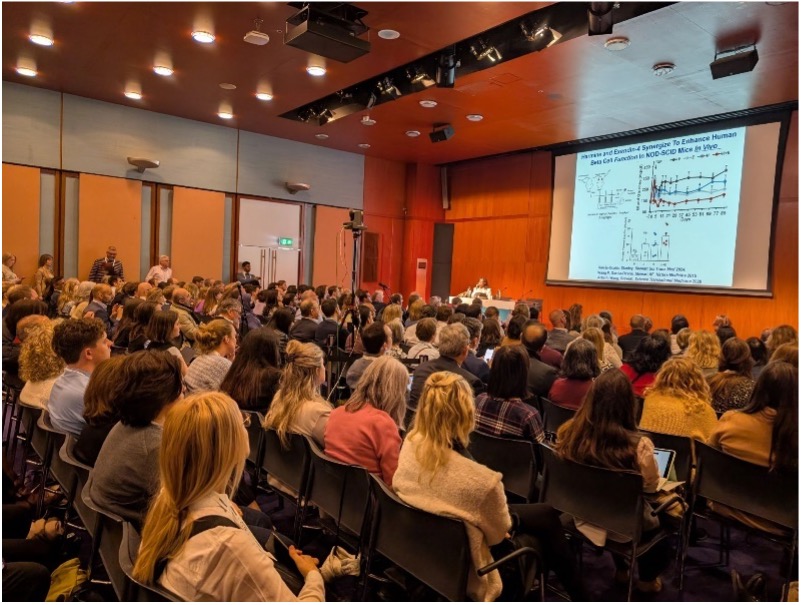
Breakthrough T1D Vice President of Research, Esther Latres, Ph.D., chaired a session on beta cell therapies for T1D. In this session, several researchers funded by Breakthrough T1D, including Andrew Stewart, M.D. (Mount Sinai Icahn School of Medicine), Cristina Nostro, Ph.D. (University of Toronto), Matthias Hebrok, Ph.D. (Helmholtz Munich), and Anath Shalev, M.D. (University of Alabama at Birmingham), discussed their work and the different tactics each are taking.
For example, Dr. Stewart and Dr. Shalev are working on cell survival and regeneration towards identifying ways to protect and prevent the loss of the body’s own beta cells —whereas Dr. Hebrok and Dr. Nostro are working on adapting the immune system to accept and not reject manufactured islet cells after transplantation. Dr. Hebrok is using an elegant approach based on generating chimeric antigen receptor (CAR) T cells to create a localized immune-suppressive environment.
This session highlighted the multiple-shots-on-goal approach required to address the challenge of protecting beta cells from immune-mediated destruction, whether the islet cells are the body’s own that remain at early stages of the disease or are the manufactured islet cells transplanted at later stages.
The speakers at Vertex’s industry symposium emphasized the same key point: the burden of T1D is too high, even with current therapies. Cell therapies can transform how this disease is managed—but they need to be minimally invasive and scalable. (If that sounds familiar, it’s because that’s what Breakthrough T1D is working to create through Project ACT.)
Key Takeaways
The data we have from clinical trials in cell therapies are the case in point for why Breakthrough T1D is prioritizing their development. However, there is still a long way to go before there is a renewable source of manufactured islets. The good news is that there is a lot of momentum around cell therapies, thanks to companies like Vertex, Breakthrough T1D’s Project ACT, and numerous scientists and researchers pushing us closer to our goal.
Using personal experiences to measure the benefits of cell therapies
It is important to understand how a medication, device, or therapeutic procedure (i.e., islet cell transplant) affects the lived experiences of a person. To do this, medical professionals use Person-Reported Outcome and Experience Measures (PROMs and PREMs) to understand how a new therapy influences a person’s day-to-day experience. These assessments generally inquire about how a person with T1D receiving a new therapy feels (stress, anxiety, overall mood), their diabetes management (time spent thinking about or making decisions about the disease), their use of the treatment or device (convenience, effectiveness, intrusiveness), and their overall quality of life (sleep, family life, work, finances, etc.).
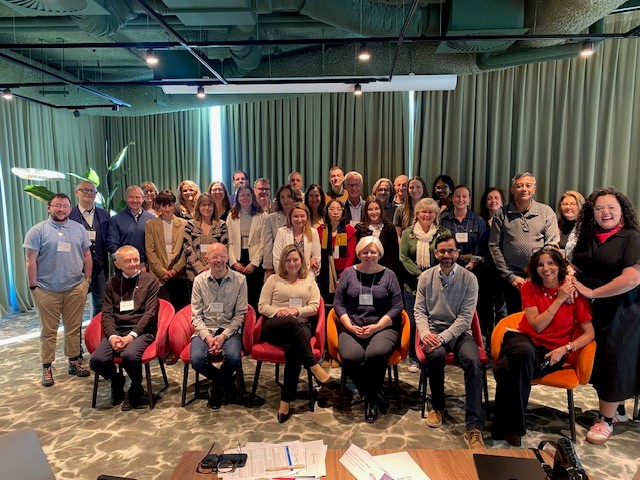
Led by Breakthrough T1D Vice President of Research, Esther Latres, Ph.D., and co-organizers from the Breakthrough T1D Advocacy and Medical Affairs teams, Breakthrough T1D organized a PROMs workshop in Cell Therapy to capture meaningful data on a person’s subjective outcomes and experiences. The participants had a diverse range of expertise across the spectrum of T1D management, including people with lived T1D experience and professional and clinical research backgrounds. The one-day workshop focused on identifying what matter most to people living with T1D to inform PROMs assessments. The goal is to ensure that emerging cell therapy treatments and technologies are valued for both improving glycemic outcomes and improving lives.
Key Takeaways
Understanding the lived experience of people with T1D who receive novel cell therapies will be critical to assess what kind of impact they are having on a personal level. People living with T1D and T1D professionals gathered to discuss which factors matter most to people with T1D so the medical community can ask the right questions to those who receive new therapies.
Improving lives
Until we have cures, we need better tools for the millions around the globe living with T1D to lead healthier, fuller lives. That’s the focus of Breakthrough T1D’s Improving Lives portfolio.
Breakthrough T1D Chief Scientific Officer, Sanjoy Dutta, Ph.D., chaired a session on fully closing the loop with automated insulin delivery (AID) systems. (This means systems that require no input from the user.) There are a number of strategies to work towards this, including dual-hormone pumps, DIY systems, and systems that use insulin alone.
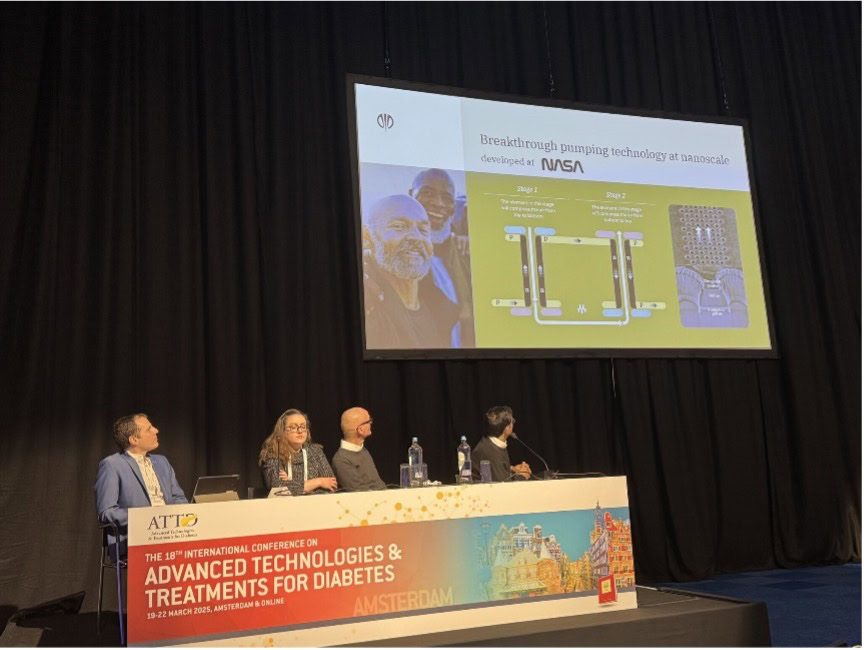
Breakthrough T1D Research Director, Jonathan Rosen, Ph.D., moderated a session titled Futuristic Technologies to Improve Outcomes and Quality of Life in Type 1 Diabetes. This session featured some innovative device and drug-device combinations under development for T1D. This includes a miniaturized insulin pump, a CGM combined with a pump into one wearable device, infusion sets made with new materials to promote extended wear, and non-insulin glucose control therapies paired with AID systems to improve outcomes.
Breakthrough T1D Chief Medical Officer International, Thomas Danne, M.D., chaired a panel titled Time in Tight Range: A Crucial Goal or Unnecessary Burden?
Time in Tight Range, which is now referred to as Time in Normal Glycemia (TING), is defined as time spent in a narrower blood glucose range (70-140 mg/dl). To lower the risk of complications as much as possible, we need to help people with T1D get as close as they can to replicating the glycemic range of a person without T1D.
That’s a lofty goal—especially considering that today, with the tools we have, the majority are not spending enough time in a wider range (70-180 mg/dl). This shift towards TING will give people with T1D a better target to aim for and reinforce the notion that we need better tools.
Key Takeaways
AID systems are helping people with T1D achieve better outcomes, but we need more advanced tools to help people achieve tighter glycemic control. We are making progress towards fully closing the loop and utilizing new strategies, like additional drugs, to help people do better until there are cures.
Building consensus for continuous ketone monitoring
Developing continuous ketone monitoring (CKM) systems is one of the current priorities of Breakthrough T1D’s Improving Lives work. It’s important because diabetic ketoacidosis (DKA) remains a significant and dangerous risk for people with T1D. CKMs have the potential to prevent DKA by informing people when ketones are rising so they can take steps to mitigate it before it becomes a crisis.

Additionally, they have the potential to enable safe use of SGLT inhibitors, a class of drugs that has benefits for heart and kidney complications but comes with an increased risk of DKA.
Led by the Medical Affairs team and Chief Medical Officer International, Thomas Danne, M.D., Breakthrough T1D is spearheading the development of an international consensus guidance document around CKM.
These devices are coming, and the medical community needs to be prepared. They will be a first, and there are many things to work out before they’re ready. For example, when should CKMs alert the users? What actions should the users take when the alarms go off? How do we balance real-world use with clinical utility?
These guidelines—and the experts from around the world who attended the meeting—will cover that. Together, they’re working on a manuscript they expect to publish later in 2025.
Key Takeaways
CKMs have the potential to prevent DKA and may allow for the safe use of SGLT inhibitors. To enable safe and effective usage and adoption of CKMs, medical professionals are working together to publish consensus guidelines.
Early detection
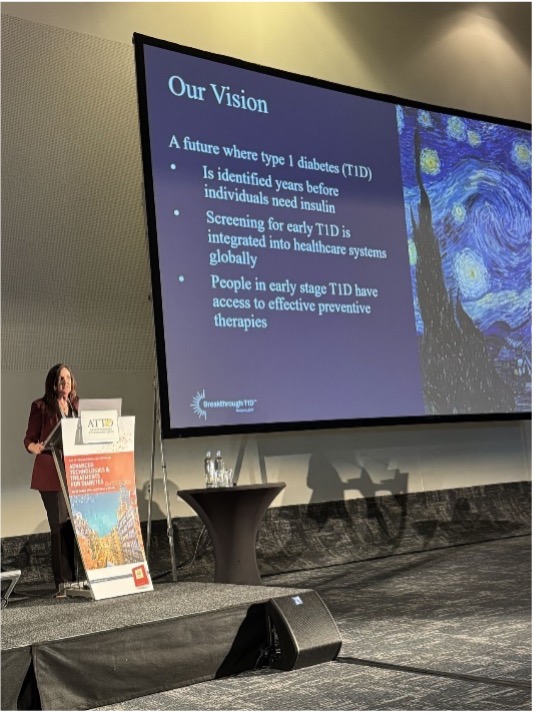
In addition to chairing a panel titled Early Detection of Diabetes and Intervention Strategies to Prevent Complications, Breakthrough T1D Associate Vice President of Community Screening and Clinical Trial Education, Anastasia Albanese-O’Neill, Ph.D., also led a symposium that laid out Breakthrough T1D’ s vision for screening and early detection. This session outlined the many components that must be achieved to fully realize our vision of a world without T1D. For early detection of diabetes, that means that research must first provide evidence of the importance and benefits of screening—a task that has been achieved by all the Breakthrough T1D worldwide screening programs—and work closely with regulatory affairs, health policy, and medical affairs to move towards general population screening.
Key Takeaways
We know the benefits of screening and why it’s important to achieve cures. The next step is to increase awareness of these benefits so that more people get screened.
Up next: ADA
The next big meeting is the year’s largest: The American Diabetes Association Annual Scientific Sessions. This meeting will take place from June 20-23 in Chicago, Illinois—and we’ll be there to cover the latest and greatest.
Did you know that women make up only 28% of the science, engineering, technology, and mathematics (STEM) workforce?
While we have made some progress closing the gender gap in STEM professions in past decades, there is still more work to be done. To support this effort, it’s critically important that we take time to recognize the incredible contributions that women in science are making every day—and all the hard work they’ve done to get there.
This Women’s History Month, Breakthrough T1D is highlighting the accomplishments of Kelsey Voss, Ph.D., a recently appointed Assistant Professor at the University of Virginia (UVA) School of Medicine and a recipient of Breakthrough T1D’s Advanced Postdoctoral Fellowship Award.
Flipping the script

Kelsey’s story begins the same way many other young women’s stories have: she was encouraged to pursue a subject other than science. Maybe something less “hard.”
After a less-than-perfect score on a math exam in high school, Kelsey was pushed toward Liberal Arts and away from courses like Chemistry. Her response? Push back even harder. “…I went all-in on biomedical research after that because that’s what I thought was the most interesting,” she recalled.
From then on, her path became clear. Kelsey majored in Biology at the University of Mary Washington and had her first encounter with the world of biomedical research. The next stop was George Mason University, where Kelsey volunteered in a lab studying host-pathogen interactions. She gained valuable experience in experimental techniques and journal publications, eventually transitioning to and completing a master’s degree there—each day becoming a better scientist.
From trainee to Principal Investigator
All the while, Kelsey knew she wanted to be a Principal Investigator (PI) one day, calling the shots in her own lab. She continued her training and pursued a Ph.D. at the Uniformed Services University, working under Andrew Snow, Ph.D., studying T cells. The lab environment was engaging, fun, and productive. But, research is hard—the graduate program was notoriously difficult, and Kelsey faced unexpected results in her studies. Despite these challenges, Kelsey thrived. “The challenge is to not let failure become tied to your self-worth,” she explained. This is a tough lesson that all scientists eventually come to bear.
She found a mentor in Dr. Snow.
“I saw how it could be possible to have this crazy hard career and still be in love with the science and enjoy it,” Kelsey said. He was a major influence in her decision to continue pursuing her dream of becoming a PI. “I knew from this experience that I wanted to have a lab like [his] one day and be the person who lifts others to their next phase of study, life, and career.”
To finish her training, Kelsey picked up and moved to Nashville, TN, for a postdoctoral fellowship at Vanderbilt University Medical Center. Working under Jeff Rathmell, Ph.D., she studied how targeting iron metabolism in T cells can change their behavior in autoimmune diseases like lupus. Kelsey herself struggles with autoimmune disease as well as some of her friends, so the work had personal meaning.
Calling the shots
During her fellowship, Kelsey applied for Breakthrough T1D’s Advanced Postdoctoral Fellowship Award—and got it—to translate her research in lupus to type 1 diabetes (T1D).
“This is what I really appreciate about [Breakthrough T1D]…new people and new ideas may be riskier but also have the power to make a big impact,” she fondly recalls of Breakthrough T1D’s willingness to take a gamble on her career. And it certainly paid off: Kelsey went on to start her own lab at UVA.
In her new position, Kelsey is building on her postdoctoral work and using both mouse models and human samples to better understand how T cell metabolism is dysregulated in autoimmunity—“a puzzle that never ends.”
Kelsey finds her work rewarding in many ways: she loves being creative and solving problems. “…one of the best feelings in the world is being the first person to see an experimental result in real time. For those moments, you are the only person alive who knows that information,” she explained.
Kelsey’s dream job includes leading the next generation of scientists—including the young women who were told that they should pursue something else but followed their hearts instead.
“Let them know their voices are valued.”
As much of life goes, Kelsey’s personal experiences as a woman in science “had its ups and downs.” A major motivator was seeing other strong women in science flourishing. One such scientist, Polly Matzinger, Ph.D., unapologetically offered a new paradigm of immunology (the “danger theory”) that was in direct contrast to the currently accepted view. To Kelsey, she is an inspiration—someone who can stand up for what she believes in and fight for it.
For women, this is easier said than done. Even in friendly and casual environments, it can be difficult for women in STEM and other fields to speak up and offer their points of view.
“What stands out to me…as a woman in science is how a lot of young women need time to develop the confidence to voice their opinions. They tend to withhold their questions or comments at conferences, journal clubs, or class discussions more often compared to men,” Kelsey explained. “I would encourage the community to allow space for girls to speak up in group settings and let them know their voices are valued.”
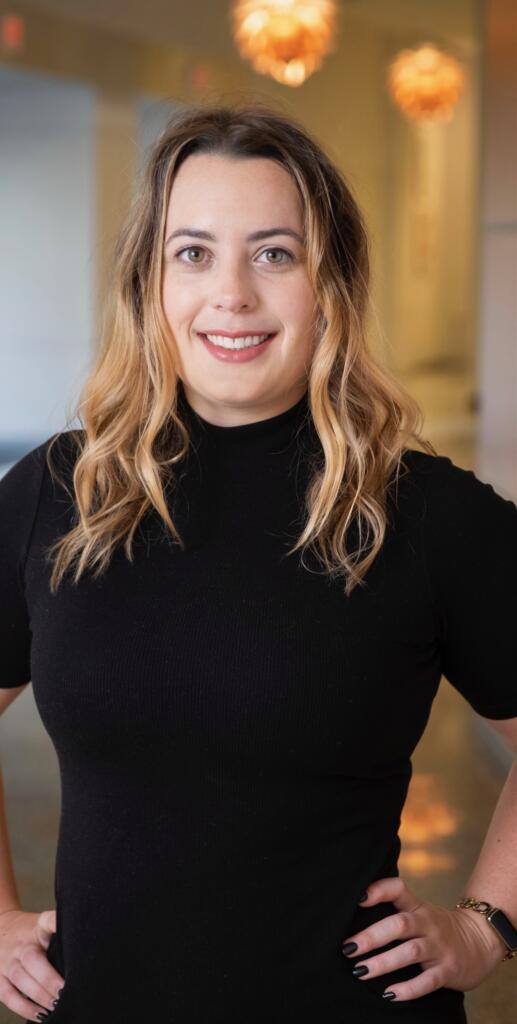
“I think we should change the way we think about research, specifically, as more of a creative pursuit that fits well with imaginative personalities. The next step would be to normalize and destigmatize the idea of ‘failure’ when young women start to experiment in these fields.”
Kelsey Voss, Ph.D.
At Breakthrough T1D, our mission is to accelerate life-changing breakthroughs to cure, prevent, and treat type 1 diabetes (T1D) and its complications. As T1D doesn’t discriminate, we advocate for equitable healthcare for all whose lives are impacted by the disease, no matter who they are or where they live.
Fostering a community of culture and belonging is a priority. As such, during Black History Month, we recognize our Black friends, family, and colleagues who help advance our mission.
This month, we shine the spotlight on Cassandra Bazile, Ph.D., an accomplished scientist at Breakthrough T1D who champions community, mentorship, and inclusion in STEM (science, technology, engineering, and mathematics).
A budding scientist finds her garden

Cassandra’s journey to a career in science began at Morgan State University (MSU), a historically Black institution in Baltimore, Maryland. Thanks to the Research Initiative for Scientific Enhancement (RISE) Program, she was introduced to the world of biomedical research from early in her academic career. While completing her studies, she found unforgettable support and mentorship in her professors at MSU, who offered Cassandra guidance on the many career possibilities within STEM.
“Their guidance played a pivotal role in shaping my academic and professional journey, encouraging me to pursue research and further my education. Their support not only helped me navigate my own path but also inspired my dedication to mentoring and uplifting others from underrepresented backgrounds in STEM,” she explained.
On to bigger and better pastures
After completing her undergraduate degree and working as a research technician at the Massachusetts Institute of Technology, Cassandra pursued her Ph.D. in Microbiology and Immunology at the University of Miami Miller School of Medicine. There, she studied B cells—immune cells that make antibodies and contribute to the development of several autoimmune diseases, including Lupus and T1D.
Cassandra’s increasing passion for understanding autoimmune disease combined with first-hand experience having an older cousin with T1D led her to pursue her current position at Breakthrough T1D. Now, she applies her unique scientific skillset to accelerate therapies that prevent, halt, or reverse T1D. She also finds fulfillment in engaging with the T1D community and deepening her appreciation of what it’s like to live with the disease.
“One of the most rewarding aspects of my role…is interacting with the community and sharing updates on exciting research […]. These conversations…not only allow me to inform and inspire others but also offer critical insights into the unmet needs of those living with T1D,” Cassandra explained.
The garden is growing, but there are still some weeds
As a Black woman in a largely white, male-dominated field, Cassandra’s secret to success is finding a strong community and assembling a mentorship network. Since the moment Cassandra knew she wanted to be a scientist, she’s learned a lot—the ability to advocate for herself is paramount, as is helping others navigate their own paths. Building these supportive connections within her community and becoming a mentor herself has been instrumental in driving her career forward.
While the scientific community has made progress in increasing representation of members of the BIPOC (Black, Indigenous, and People of Color) community, more work needs to be done. Culminating from her experiences, Cassandra suggests greater access to opportunities and mentorship in addition to fostering inclusive work environments.

“Addressing bias, building support networks, and advocating for systemic change within institutions can create a more welcoming space and cultivate an environment that encourages growth and innovation.”
– Cassandra Bazile, Ph.D.
At Breakthrough T1D, thanks to excellent scientists like Cassandra, every day we drive toward cures for T1D and make life with the disease better for the people who face it. This can only be achieved with a true diversity of thought, which happens when the best and brightest minds, from all backgrounds, come together.
As the leading global type 1 diabetes (T1D) research and advocacy organization, Breakthrough T1D has a responsibility to carry out its mission to cure, prevent, and treat T1D and its complications for everyone living with and impacted by T1D. We must help dismantle the barriers that make diabetes healthcare difficult for Black, Brown, and medically underserved people to ensure better health outcomes.
From educating people about T1D and ensuring access to diabetes technology and affordable insulin to emphasizing the importance of members of the BIPOC (Black Indigenous or People of Color) community’s participation in clinical studies and community engagement, we aim to make a difference and improve the quality of life for everyone living with and impacted by T1D.
It is essential to recognize Black history as an integral part of American history and to be aware of the incredible accomplishments of Black people, despite the obstacles of socioeconomic disparities and systemic racism that continue to plague communities and our healthcare system. From pacemakers and blood transfusions to neurosurgery on conjoined twins and open-heart surgery—these are just a few of the lifesaving monumental achievements Black medical experts have made to advance the healthcare we know and benefit from today.
Join us in honoring African American pioneers who have made significant contributions to research, science, and healthcare:

Dr. James McCune Smith
Born to enslaved parents in 1813, Dr. James McCune Smith had his heart set on becoming a doctor but was denied admission into college because of his race. Determined to realize his dream, he pursued his education at the University of Glasgow in Scotland, where he earned a bachelor’s, master’s, and medical degree by age 24. Returning to NYC in 1837, he established his own medical office and pharmacy—making him the first African American doctor with a practice in the U.S.

Dr. Rebecca Lee Crumpler
Dr. Rebecca Lee Crumpler, born in 1831, was the first African American woman in the U.S. to formally graduate with a medical degree despite facing extreme racism and sexism. In 1864, after almost a decade of working as a nurse, she earned her Doctress of Medicine at the New England Female Medical College, where she was the institution’s only black graduate.
There are no known photographs of Dr. Crumpler. Pictured is the front page of her 1883 publication, “A Book of Medical Discourses.”

Dr. Daniel Hale Williams
Dr. Daniel Hale Williams, born in 1858 in Pennsylvania and one of seven children, founded Provident Hospital, the first non-segregated hospital in the U.S., and performed the world’s first successful open-heart surgery in 1893.

Dr. Charles Drew
Dr. Charles Drew, born in 1904 and known as the “father of blood banking,” developed blood preservation techniques that led to thousands of lifesaving blood donations. He was also passionate about surgery and appointed chairman of the department of surgery and chief of surgery at Freedmen’s Hospital (now known as the HBCU Howard University Hospital) in Washington, D.C. During his time there, he went to great lengths to support young African Americans pursuing careers in the medical field.

Dr. M. Joycelyn Elders
Dr. M. Joycelyn Elders, born in 1933, was the first person in Arkansas to become board certified in pediatric endocrinology. She was also the 15th (and first African American) Surgeon General of the United States and only the second woman to head the U.S. Public Health Service.

Dr. Ala Stanford
Dr. Mae Jemison was the first African American female astronaut to travel into space in 1992. She’s also a trained physician dedicated to improving global health. Joining the Peace Corps in 1983, she worked as a medical officer in Africa. Combining her knowledge about satellite telecommunications as an astronaut and her Peace Corps experience, she formed the Jemison Group, which develops telecommunications systems to eliminate health disparities and improve healthcare delivery in developing countries.

Dr. Mae Jemison
Born in Philadelphia to a teenage mother, Dr. Ala Stanford is the first African American female pediatric surgeon to be trained entirely in the U.S. Recognizing the disproportionate distribution of vaccines at the start of the COVID-19 pandemic, she left her pediatric surgeon role to address healthcare disparities in Black and Brown communities. This led to the establishment of the Black Doctors COVID-19 Consortium (BDCC), a collaborative of healthcare professionals who tested more than 30,000 people and administered more than 60,000 vaccinations. Dr. Stanford’s efforts have earned her recognition by Forbes, Fortune Magazine, CNN, and USA Today, to name a few.

Dr. Griffin P. Rodgers
Dr. Griffin P. Rodgers is the director of the National Institutes of Health (NIH) National Institute of Diabetes and Digestive and Kidney Diseases. He is also Chief of the institute’s Molecular and Clinical Hematology Branch. Dr. Rodgers is widely recognized for his contributions to the development of hydroxyurea, the first effective therapy for sickle cell anemia.

Kizzmekia Corbett, Ph.D.
Kizzmekia Corbett, Ph.D., is an assistant professor of Immunology and Infectious Diseases at the Harvard T.H. Chan School of Public Health. She led the research team whose work is the very foundation of the M-RNA COVID-19 vaccines. Read more about her work in the lab and in supporting other Black women scientists in The New York Times.
Content for this blog was provided by the Black at Breakthrough T1D Employee Resource Group: Lori Benning, Krystal Dunlap, Kenya Felton, Christina Ingram, and Yadira Richards.
The leadership, staff, and volunteers of Breakthrough T1D mourn the tragic, sudden loss of five type 1 diabetes (T1D) champions on Friday, Nov. 1, 2024.
That night, five people who were pillars of the Breakthrough T1D Ride community died in a tragic, single-car accident.
The group included two married couples and one single individual—all very close friends and veteran Breakthrough T1D Ride participants.
All five people were inside the vehicle at the time of the accident—no one was riding a bicycle at the time.
The greatest group of people you wish you didn’t need to know

Understandably, the tragedy sent shockwaves through the tight-knit Ride community, as well as the entire Breakthrough T1D organization.
Chris Eaton, a lead volunteer partner of Breakthrough T1D Ride and the Ride Advisory Council, knew all five people well.
“It’s said, ‘Ride is the greatest group of people you wish you didn’t need to know.’ Our friends embodied that feeling of inclusion, hope, and a steadfast focus on getting to a cure,” said Chris. “They will be sorely missed by their family, friends, and the Ride community.”
Jeff and Michelle Bauer

Jeff and Michelle Bauer were highly involved in Breakthrough T1D Ride—especially Michelle.
“The Breakthrough T1D Ride program is a family, and Michelle exemplified this day in and day out,” said Anthony Geraci, National Director, Ride & Endurance.”
Michelle had been a dedicated T1D advocate since her son, Jesse Alswager, was diagnosed with type 1 diabetes in 2000 at the age of 3. Tragically and unexpectedly, Jesse passed away at the age of 13 on February 3, 2010.
After Jesse passed away, Michelle continued to advocate, educate, and push the envelope in his name. In honor of Jesse, the date he died—and generally all people who have passed away from T1D—Mile 23 of each Breakthrough T1D Ride is ridden in silence.
“Whether it was riding thousands of miles in memory of her late son Jesse, authoring a book to help grieving families, bringing her husband Jeff Bauer into the Ride family, to joining the Ride Advisory Council, Michelle was all in,” added Anthony.
In her spare time, Michelle had numerous other T1D-focused projects, including “Jesse Was Here,” which encompassed her work with other families around the world who had lost loved ones to T1D.
Jeff proposed to Michelle in 2018 at Mile 23 of a Breakthrough T1D Ride.
The couple had a lake house in Crandon, Wisconsin, and spent a lot of time there. They were avid boaters.
Jeff and Michelle are survived by their blended family of five children—Alexander Bauer, Claudia Bauer, Samantha Alswager, Joseph Alswager and Sara Alswager—all of whom are now adults.
Learn more about Jeff and Michelle and how to honor their lives.

“When I mentioned to Michelle off the cuff that I was thinking about completing my first Ironman, she was the first to offer up being my coach and cheerleader. The last text message I got from Michelle was on Wednesday of last week simply saying ‘Did you do it yet??’ That’s how I’ll remember Michelle. Always pushing people to be their best. Always pushing herself to be her best.”
Anthony Geraci
National Director, Breakthrough T1D Ride and Endurance
Josh and Tammy Stahl
Josh and Tammy Stahl became close friends with the Bauers through the Ride program. They rode together most recently in La Crosse last August.
Josh started riding in 2011 for his and Tammy’s son, Gavin (now 17 years old) who lives with T1D. Josh had competed in 13 rides including, Lake Tahoe, La Crosse, and Death Valley.
“I’ve been fortunate enough to talk to Josh and Tammy at rides for over a decade,” said Dan Woolf, Executive Director of Breakthrough T1D’s Wisconsin Chapter who has long been involved with Ride. “Most recently in La Crosse, where we traded stories of our spirit jerseys, kids, and what makes the Ride program special, which are the friends you make along the way.”
Josh and Tammy are survived by their sons Gavin Stahl and Blake Stahl.
Learn more about Josh and Tammy and how to honor their lives.
“The Stahls were the perfect example of that incredible spirit.They became close friends with so many people from all over the country while making such a difference for our Ride community, which is truly inspiring to me. It’s something that I’ll never forget and a testament to what wonderful people they were.”
Dan Woolf
Executive Director, Breakthrough T1D Wisconsin Chapter

Barry Sievers
Barry’s first Ride was 10 years ago. He had completed five rides including La Crosse, Nashville, and Loveland.
While he had no direct T1D connection, he was always willing to help with a smile. He hosted training rides at his house and even helped transport bikes with his trailer.
“Barry’s infectious smile and boundless energy embodied our Team Wisconsin spirit,” wrote Joe Brady and Scott Hagen in a statement they issued together.
Joe lives with T1D and is a veteran Ride coach. Scott is Barry’s best friend who recruited him for his first ride a decade ago.
Barry was the Senior Financial Manager for the Institute for Clinical and Translational Research at the University of Wisconsin—Madison.
Barry is survived by his adult son, David T. Sievers, and two school-age daughters, Emma Sievers and Addison Sievers.
Learn more about Barry and how to honor his life.

“Whether opening his home for summer training rides, spinning tales on the team bus to Nashville, or cheering on the last rider at the Loveland finish line, Barry brought joy and camaraderie to every moment. Always ready with a solution to any bike issue, his ‘can do’ attitude inspired us all to push harder, fundraise better, and pedal faster toward our goals. Barry’s good-natured warmth and easy laughter will forever be cherished and missed.”
Statement from Joe Brady and Scott Hagen
Against many headwinds
“Greg Lemond, winner of the Tour de France, once said about cycling: ‘It doesn’t get easier, you just go faster,’” said Chris Eaton.
“Against many headwinds, this group of friends led a community that embodies the imperative that we can, and will, cure type 1 diabetes despite the challenges. They will be missed.”

L-R: Matt Varey, Martin Thibodeau, Royal Bank of Canada Regional President, British Columbia, and Dave Prowten, former Breakthrough T1D Canada President and CEO
Matt Varey, the newly elected Vice Chair of the Breakthrough T1D International Board of Directors (IBOD), brings a global voice as the first Canadian and the first person outside of the U.S. to serve in the role.
Matt, a senior executive at the Royal Bank of Canada (RBC), began volunteering with Breakthrough T1D Canada in 2001. Since then, he has served on Breakthrough T1D’s International Board of Directors and as Chair of the Board of Breakthrough T1D Canada.
He resides with his wife, Dr. Andrea Jack, in Oakville, Ontario, Canada.
Breakthrough T1D sat down with Matt to learn more about his volunteer journey and unique global perspective.
What led you to start volunteering for Breakthrough T1D?
In 2001, I returned to Canada from professional commitments abroad and witnessed colleagues and personal friends whose lives were affected by type 1 diabetes (T1D). I couldn’t just stand by and watch; I had to do anything I could to support them—not just on a personal level but also in a broader capacity. At that time, RBC started a coast-to-coast initiative with Breakthrough T1D Canada, and I recognized I had new ways to make a difference. That started this purposeful journey I have been on with Breakthrough T1D.
What are some of the roles have you had within the organization?
My first involvement with Breakthrough T1D was as a rider in the 2001 Breakthrough T1D Toronto Ride for a Cure. That led to my joining the Toronto Ride cabinet with other business leaders and, later, my becoming Chair of the Breakthrough T1D Ride.
In 2008, I was appointed a Board Member of Breakthrough T1D Canada. From 2014 to 2016, I served as the Chair of Breakthrough T1D Canada. To this date, I remain on the Board of Breakthrough T1D Canada, having taken on different mandates, including Chair of the Audit and Risk Committee and Chair of the Investment Committee.
Since 2016, I have been a Board member of Breakthrough T1D International, serving in various capacities, including member of the Breakthrough T1D International Finance Committee and Chair of the Breakthrough T1D International Audit and Risk Committee.
Do any of your experiences at Breakthrough T1D Canada stand out?
Every moment supporting this meaningful mission is special, and one of the highlights was my role as Chair of Breakthrough T1D Canada from 2014 to 2016. I was directly involved in the purposeful journey of making a difference for over 350,000 Canadians living with T1D, stewarding this cause for Breakthrough T1D Canada as a Canadian. In 2017, in conjunction with the CHIR (Canadian Health Institute Research) and our incredible team under the leadership of former President and CEO of Breakthrough T1D Canada Dave Prowten, we secured a 30-million grant from the Government of Canada to support Breakthrough T1D research and scholastic advancements in Canada.
Do you feel you will offer a unique perspective to IBOD as a person who lives in Canada?
Breakthrough T1D is a global organization on a journey of purpose. I’m excited and grateful to extend the reach of that journey. Canada is world-renowned for diabetes research and breakthroughs—the first genetically engineered human insulin was discovered and manufactured in Canada, after all! It is the responsibility of all Canadians to carry that flame of innovation and discovery, so I feel even more of an obligation as a Canadian on the Breakthrough T1D IBOD to carry that baton forward.
Why are volunteers so essential to our mission?
Grassroots volunteering is empowering and essential to the success of all nonprofit organizations. Breakthrough T1D volunteers keep us close to the cause and the people impacted by the disease—their care, passion, and dedication will help spread our purpose across the globe.
What does the future of T1D look like to you?
We have seen so much progress in recent years, and it will continue at an even faster pace. Cell therapies are an exciting focus area for Breakthrough T1D. I’m eager to see where that research takes us, particularly eliminating the need for immunosuppressant drugs.
Clinical trials show the possibilities for disease-modifying therapies to preserve beta cell function in people newly diagnosed with T1D. Today, we can delay the onset of T1D, and I’m confident tomorrow, we’ll be able to stop it! Scientists are finding ways to make insulin work smarter and work in conjunction with other drugs for better and safer disease management. There are so many ways Breakthrough T1D is improving the lives of people with T1D—treatments and therapies will continue to advance until we reach our ultimate goal: cures.
What does the future of Breakthrough T1D look like to you?
We are purposefully seeking opportunities for Breakthrough T1D to achieve more breakthrough research and facilitate diabetes education and knowledge globally. As an organization with a global reach, it is our responsibility to enable more access to research, education, and awareness in every corner of the world to help everyone understand the disease, navigate it, and support those impacted by it.
L-R: Neil, Perry, Sydney, Harris, and Lisa Wallack
Lisa F. Wallack is the newly elected Chair of the Breakthrough T1D International Board of Directors (IBOD). Her appointment holds distinction: she is the first Chair to have a parent previously serve in the role.
Lisa’s involvement with Breakthrough T1D started in the early 1970s after her younger brother, Scott, was diagnosed with type 1 diabetes (T1D) in 1969 at the age of 18 months. Lisa’s parents, Marilyn and Gerald Fishbone, were among the founders of Breakthrough T1D (then known as “JDF”) in the early 1970s, and her late father served as IBOD Chair from 1983 to 1986. Her passion for T1D advocacy was amplified when her son, Harris, was diagnosed in 2001 at the age of 5.
Lisa is a force at Breakthrough T1D, having served in nearly every volunteer leadership role locally, nationally, and internationally. She was President of the Greater New England Chapter and has been a member of Breakthrough T1D’s IBOD for nine years, helping with governance, strategy, and fundraising. Her leadership efforts were recognized in 2019 with the Jim Tyree Chairman’s Award, and Lisa and her husband, Neil, are being honored at the Breakthrough T1D Greater New England Chapter 2024 Gala for their unwavering dedication to the T1D community.
Breakthrough T1D sat down with Lisa to discuss carrying on her family’s legacy of volunteerism and her hopes for the organization’s future.
Your appointment as the new Breakthrough T1D IBOD Chair must feel like a full-circle moment since your father served in the role more than 30 years ago. How did your parents inspire you to be a leader, and what do you hope to carry on from them?
I grew up watching my parents devote countless hours to building this organization to engage other people impacted by T1D, build a community to support one another, and inspire and enable them to work together to raise awareness and funds to invest in type 1 diabetes cures.
My mom, who founded Breakthrough T1D’s New Haven Chapter and remains an active champion today, has modeled for me how to be an authentic and successful fundraiser driven by our passion to cure our loved ones and the millions of others whose lives have been impacted by T1D.
People say my father always made everyone feel like the most important person in the room. He has inspired me to be a strong but humble leader, to listen to others, and to work to bring out the best in them.
You have extensive experience working with many non-profit boards. What unique perspectives do you hope to bring to the IBOD as a female leader?
Women bring to the table a willingness to listen and collaborate without letting their egos drive the agenda. I want to engage the diverse perspectives of our T1D community and work together to leverage our experiences, insights, and networks to grow Breakthrough T1D’s reach and impact.
What opportunities lie ahead for Breakthrough T1D and the T1D community?
I see Breakthrough T1D being more reflective of the diverse community of those impacted with T1D, engaging people of all ages and stages of life with T1D from different communities around the U.S. and worldwide.
Ninety percent of those living with T1D are adults. We need to show the adult T1D community that we are relevant to them, to demonstrate the role that Breakthrough T1D has played in improving their lives, and to engage them in our quest to conquer the disease for good. We also need to look beyond the United States to strategically engage donors and governments to invest resources in Breakthrough T1D and our mission to accelerate our progress.
You have served in nearly every volunteer role possible at Breakthrough T1D. Do any roles stand out to you?
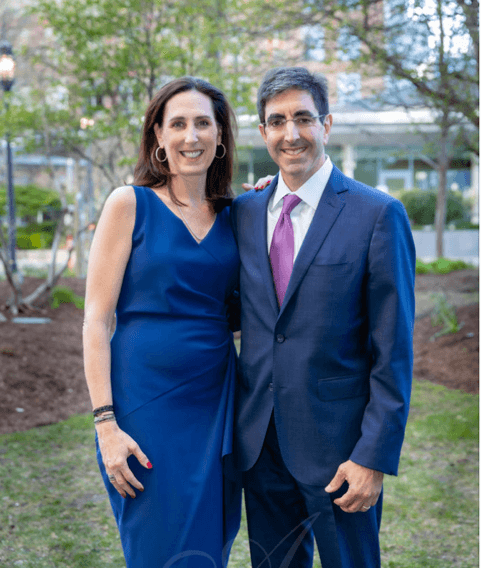
Lisa and her husband Neil, who together have raised over $1.4 million for T1D research
I really enjoy the work I have done at our local Breakthrough T1D chapter, reaching out to newly diagnosed families and introducing them to the Breakthrough T1D community and the progress that we are making.
I’m a passionate fundraiser, asking everyone we know to support Breakthrough T1D each year. My husband Neil’s participation in marathons, Breakthrough T1D Rides, and Ironman competitions inspired many others to support our cause. To date, we have raised over $1.4 million from our efforts!
I enjoyed my many roles on the Breakthrough T1D IBOD, from ensuring our governance structure is as effective and efficient as possible to working with our extraordinary professional leadership team to develop and implement the most impactful strategy to accelerate our mission.
How do you hope to inspire the Breakthrough T1D volunteer community in your new role?
Volunteers are the key to Breakthrough T1D’s success. We are the army that raises the funds needed to achieve our mission goals. We are a community that supports one another, sharing learnings and experiences to help others cope and engage them in our shared fight.
Learning from my parents, I have always valued volunteerism as a way to have an impact and to find fulfillment. Leaning in as a volunteer at Breakthrough T1D has given me a sense of empowerment and the strength, resilience, and hope to know that together we can conquer T1D. Being part of this amazing community and this impactful organization is deeply meaningful and inspiring.
Being involved with Breakthrough T1D for nearly 50 years gives you a unique perspective. How does living with T1D differ from the past to the present? What do you think it will look like in the future?
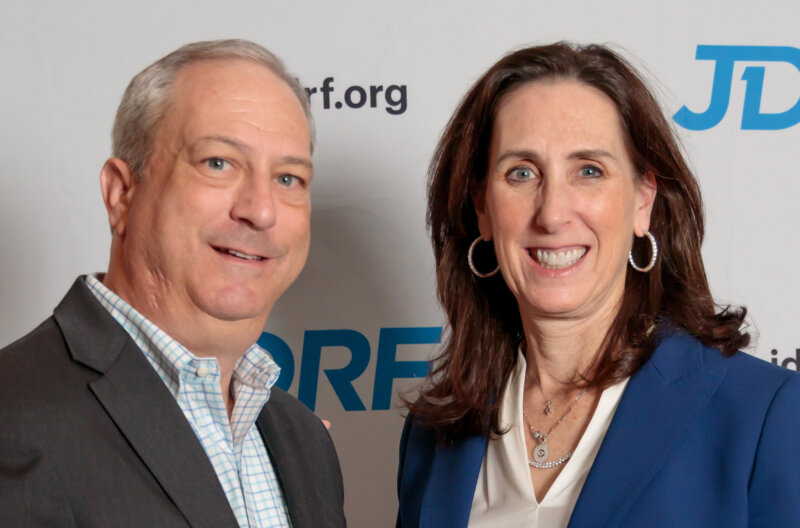
Lisa and her brother Scott, who has lived with T1D for over 50 years
Breakthrough T1D’s strategic leadership has led to the many advances that have made it safer and easier to live with T1D. When my brother was diagnosed in 1969, there was only urine testing and syringes and no blood sugar testing or insulin pump technology. Today, we have CGMs and closed-loop insulin delivery systems that have reduced the burden of living with T1D for Scott and Harris, as well as for Neil and me as caregivers.
I look forward to the day that Scott, Harris, and everyone with T1D will not need to depend on technology to live. I feel that day is getting ever closer as we drive the development of new disease-modifying and cell therapies that will enable us to prevent and cure T1D.
Lisa Fishbone Wallack, an attorney by training and long-time volunteer leader in the greater New England area, will serve as Breakthrough T1D International Board of Directors (IBOD) Chair, succeeding current Chair Grant Beard. Matt Varey, a senior executive at Royal Bank of Canada (RBC) and dedicated volunteer leader in the greater Toronto, Canada, area, will serve as Breakthrough T1D IBOD Vice Chair, succeeding current Vice Chair Michelle Griffin.
Lisa’s and Matt’s terms as Chair and Vice Chair, respectively, begin Monday, July 1, 2024.
Lisa Fishbone Wallack Continues Family’s Legacy of Championing Breakthrough T1D’s Mission
Lisa is a long-time volunteer leader of Breakthrough T1D’s Greater New England Chapter, first getting involved with Breakthrough T1D when her parents Marilyn and Dr. Gerald Fishbone were among the founders of Breakthrough T1D (then known as “JDF”) after her brother Scott was diagnosed with T1D in 1969 at the age of 18 months, and then increasing her involvement after her son Harris was diagnosed in 2001 at the age of 5.
Locally, Lisa has served as President of the Greater New England Chapter Board and remains active with the chapter. Nationally, she has been a member of the IBOD for nine years and has served as Vice Chair of the IBOD, as Chair of the Talent and Compensation Committee, and as Chair of the Nominating and Governance Committee.
Lisa is an attorney by training and is a volunteer leader at numerous other community organizations, leading annual, capital, and comprehensive campaigns and strategic committees.
Lisa and her husband Neil are proud to be leadership donors to Breakthrough T1D as well as donors to Breakthrough T1D’s T1D Fund. She and her family participate in all Breakthrough T1D programs, including the Walk and Gala, and she supports Neil’s participation in endurance events including the Boston Marathon, the Breakthrough T1D Ride program, and Ironman Triathlons, which collectively have raised more than $1.4 million for Breakthrough T1D.
For their outstanding and continued support of Breakthrough T1D, Lisa and Neil will be honored at the Greater New England Chapter’s Gala on Saturday, April 6.
Lisa graduated with a B.A. in The Biological Basis of Behavior from the University of Pennsylvania and with a J.D., summa cum laude, from the Benjamin N. Cardozo School of Law. In addition to their son Harris, Lisa and Neil have a son Perry and a daughter Sydney. They live in Weston, Massachusetts.
Matt Varey Leads and Engages Breakthrough T1D’s T1D Community
Matt Varey is currently a senior executive at Royal Bank of Canada (RBC)—the largest financial institution in Canada and one of the largest and most trusted in the world.
As Senior Vice President, Matt is responsible for national leadership of more than 4,500 Canada-based employees entrusted with important client life events including personal investments, mortgage financing and group benefits, totaling more than $100 billion of human trust annually. Prior to joining RBC in 1987 and taking on a wide range of senior management and executive positions within RBC, Matt was Vice President and General Manager of RBC Suisse, RBC’s Global Private Banking operations in Geneva, Switzerland.
Matt is an ardent supporter of Breakthrough T1D’s commitment to improving the lives of every person living with T1D and driving breakthroughs to cure the condition. His association and commitment to Breakthrough T1D started in 2001 and he currently serves on the Breakthrough T1D International Board of Directors and Breakthrough T1D Canada Board of Directors. His diverse international leadership experience will be instrumental in continuing Breakthrough T1D’s purposeful global mission and navigating the organization’s path forward in partnership with his Breakthrough T1D Board of Directors colleagues.
His previous Board responsibilities included Chair of the Board of Breakthrough T1D Canada and Board member of the Mutual Fund Dealers Association of Canada.
Matt graduated from McMaster University and currently resides in Oakville, Ontario, Canada, with his wife, Dr. Andrea Jack.
An Era of Unprecedented Breakthroughs
This new leadership coincides with an era of unprecedented T1D breakthroughs championed by Breakthrough T1D.
“We are in a golden age of advanced medicine and continue to see incredible progress in T1D cures research—in both disease-modifying therapies and cell therapies,” said Aaron J. Kowalski, Ph.D., Breakthrough T1D Chief Executive Officer. “As the leaders of our International Board of Directors, Lisa and Matt will ensure we will continue to drive cures and other life-changing breakthroughs forward through scientific advancements and advocacy.”
“We thank Grant and Michelle, who amplified our global efforts to improve lives and accelerate cures. There has never been a more exciting time for our mission as cures are now a matter of when, not a matter of if,” Kowalski said. “The potential for transformation is nothing short of electrifying and we look forward to the progress to come during Lisa’s and Matt’s tenure.”
About the Breakthrough T1D International Board of Directors (IBOD)
IBOD is the governing body for Breakthrough T1D and is tasked with accelerating the organization’s mission progress toward life-changing breakthroughs to cure, prevent, and treat T1D and its complications. Learn more about Breakthrough T1D’s volunteer and staff leadership.
Leading researchers gathered in Florence, Italy, for the annual meeting of the Advanced Technologies & Treatments for Diabetes (ATTD), which took place from March 6 through 9. There were more than 5,000 attendees and featured more than 50 studies presented by Breakthrough T1D-funded researchers, funded now or in the past, working toward preventing, treating, and—one day—curing T1D and its complications.
Here are some of the highlights:
- Consensus Guidance—Pre-Stage 3 T1D: Why is guidance for monitoring people with presymptomatic (early stage) T1D important? As it turns out, there are a bunch of reasons. Chairing the Breakthrough T1D-sponsored session was Anastasia Albanese-O’Neill, Ph.D., APRN, CDCES, director of community screening and clinical trial education, who has been leading the international consensus monitoring guidance when it was announced at ATTD 2023.
Autoantibodies are antibodies against one’s own proteins. In T1D, there are three stages:
– Stage 1: 2+ autoantibodies, blood glucose is normal, no symptoms
– Stage 2: 2+ autoantibodies, blood glucose is abnormal, no symptoms
– Stage 3: 2+ autoantibodies, blood glucose is abnormal, clinical symptoms appear
Led by Breakthrough T1D, more than 70 clinicians have worked together to use an evidence-based approach to determine how often people of different ages and with different numbers of autoantibodies for type 1 should be monitored for changes in blood sugar and autoantibodies. Primary purpose #1: Implementing global screening for early detection of T1D. Primary purpose #2: Preventing diabetic ketoacidosis (DKA), a life-threatening complication due to a shortage of insulin, which a significant percentage of people experience at T1D diagnosis.
They are almost done with the manuscript, and it will be published in the next few months.
- In another, related story, a study showing an artificial intelligence (AI) platform could predict which and when individuals with stage 2 pre-T1D will progress to stage 3 T1D, and design a follow-up plan based on this risk prediction. Wow!
The authors of the paper include Ake Lernmark, D.Med., who received grants from us since 1983 and was a Breakthrough T1D Rumbough Award recipient, and Matthias von Herrath, M.D., who was awarded a postdoctoral fellowship in 1993 and received numerous grants since.
- Adjunctive Therapies: Viral Shah, M.D., presented on adjunct therapies, specifically GLP-1 stimulants, which have the potential to improve blood-sugar control in people with T1D. He highlighted the Breakthrough T1D-funded study, ADJUST-T1D, which is assessing once-weekly semaglutide (Ozempic® / Rybelsus®) in adults with inadequately controlled T1D and obesity using automated insulin delivery (AID), or artificial pancreas, systems. GLP-1 therapies are not approved for people with T1D, but we hope they will be eventually. Read more about our work in bringing these therapies to market.
- T1D Management: Osagie Ebekozien, M.D., of the T1D Exchange, gave an update on T1D management in the United States, presenting data demonstrating a move up in HbA1c outcomes, from 8.8 percent in 2016-2017 to 8.2 percent in 2022-2023. What’s more, HbA1c improvements were seen across all racial groups. This is the first update since 2019, when HbA1c outcomes were worse than they had been since 2010-2012 (7.8 percent in 2010-2012 versus 8.4 percent in 2016-2018). Still, the majority of people with T1D are not meeting their HbA1c targets. Perhaps more people will benefit from continuous glucose monitors (see below) and AID systems.
CGMs have gone from largely clinical use to much broader use among people with T1D. This is undoubtedly attributed to the Breakthrough T1D-funded clinical trial, published in 2008, demonstrating that the use of a CGM helps people with T1D to avoid dangerous blood-sugar highs and lows.
A study by T1D Exchange found that approximately 78% of the 48,000 people in the study used CGMs. This includes individuals who use CGM (45%) and hybrid closed-loop technology (33%), which includes the use of CGM. In the study, the mean HbA1c in 2021–2022 was lower at 8.4%. This compared with the mean HbA1c in 2016–2017 of 8.7% (0.3% improvement; P < 0.01). Over the same period, the percentage of people with diabetes using a CGM, insulin pump, or hybrid closed-loop system increased (45%, 12%, and 33%, respectively).
- Replacement: In a Breakthrough T1D-sponsored session chaired and introduced by Esther Latres, Ph.D., Qizhi Tang, Ph.D., who is part of the Breakthrough T1D Center for Excellence in Northern California, presented on barriers to adoption of cell therapy (lack of renewable cell sources, poor engraftment, and immunosuppression) and the field’s status in addressing those barriers. She drew attention to her own efforts to engineer stem cells that can evade immune rejection and remain alive after transplantation, including using thyroid gland co-transplantation, provision of proteins that help the graft survive, and removing specific immune markers to make the beta cells resistant to rejection.
This year’s Advanced Technologies & Treatments for Diabetes (ATTD) meeting, taking place in Florence, Italy, from March 6 through 9, will have 50 presenters who are or were Breakthrough T1D-funded researchers working toward preventing, treating, and—one day—curing T1D and its complications.
Several members of the Breakthrough T1D research and advocacy teams will be there. Here are select highlights of Breakthrough T1D-funded research that will be featured:
- Replacement: There will be several sessions on stem cell-derived islet transplantation, including:
- Camillo Ricordi, Ph.D., University of Miami, who will be presenting on challenges and potential solutions to stem cell-derived islet therapy as a cure for T1D;
- A Breakthrough T1D-sponsored session chaired and introduced by Esther Latres, Ph.D., who will gather Peter Senior, M.D., Ph.D., University of Alberta, Canada, Qizhi Tang, Ph.D., University of California, San Francisco, and José Oberholzer, M.D., University of Virginia and co-founder of CellTrans, which had the first FDA-approved cell replacement therapy (Lantidra™) in the United States in 2023;
- A plenary Industry Symposium sponsored by Vertex Pharmaceuticals, who will likely provide an update on VX-880, a stem cell-derived islet replacement therapy in T1D for individuals with hypoglycemia unawareness, in combination with immunosuppressive therapy to protect the cells from rejection. As of the last presentation at the European Association for the Study of Diabetes (EASD), parts A and B had been enrolled, and half of the people treated were insulin independent. We’ve heard that Part C, where participants receive a full dose of the therapy, has completed enrollment, so we’re excited to learn more about this treatment.
- Prevention: In another Breakthrough T1D-sponsored session chaired by Anastasia Albanese-O’Neill, Ph.D., APRN, CDCES, Director of Community Screening and Clinical Trial Education, presenters Moshe Phillip, M.D., Schneider Children’s Medical Center and Tel Aviv University, Israel, Linda DiMeglio, M.D., Indiana University, Kirstine Bell, Ph.D., University of Sydney, Australia, and Emanuele Bosi, M.D., Fondazione Centro San Raffaele, Italy, will talk about the international consensus monitoring guidance for presymptomatic (early stage) T1D; the latter will talk about his experience in Italy, which recently approved a law allowing for national pediatric screening for T1D.
- Immune Therapies: Laura Jacobsen, M.D., University of Florida, Jennifer Sherr, M.D., Ph.D., Yale University, and Michael Haller, M.D., University of Florida, will talk about predictors of responders vs. non-responders of immune therapy, Tzield™ (teplizumab-mzwv) in the real-world setting, and the cost-effectiveness of immune therapy, respectively.
- Health Equity: ATTD will have several sessions on health equity in the United States and around the world, with Renza Scibilia, Breakthrough T1D, and Antoinette Moran, M.D., University of Minnesota, talking about the T1D Index, the most accurate and comprehensive data representation of T1D around the world, and the key interventions required to address health disparities experienced by people with type 1 diabetes. Lori Laffel, M.D., Joslin Diabetes Center, and Stuart Weinzimer, M.D., Yale University, will talk about strategies to facilitate technology use among disadvantaged individuals.

