We have many reasons to celebrate in the type 1 diabetes (T1D) community. First and foremost, we celebrate YOU. Your support of our efforts is inseparable from the tremendous progress we’ve seen in accelerating cures, improving lives, and advocating for people with T1D and their loved ones.
We celebrate the impact and influence that you have made in research and advocacy to make a difference for members of the T1D community every single day. Here are some examples of how far we’ve come toward creating a world without type 1 diabetes.
1. Accelerating Cures with Stem Cell-Based Therapies
Ninety-one percent less insulin, at half the target dose? Check.
Clinical trial for a gene-edited stem cell replacement therapy? Check.
First reported evidence of implanted stem cells secreting insulin in response to meal consumption? Check.
We’ve got a lot to be thankful for in stem cell therapies.
This year, The New York Times and Good Morning America highlighted the story of Brian Shelton, the first person to receive Vertex’s stem cell-derived therapy, VX-880, showing he needs 91 percent less insulin than before the transplantation. While these are early results from just one person, and this therapy is only being tested in people with severe hypoglycemia, breakthroughs like this bring us a step closer to finding cures for T1D.
Starting in 2000, Breakthrough T1D played a key role in the development of VX-880 by awarding Douglas Melton, Ph.D., a grant to make insulin-producing beta cells from stem cells, which his team did in 2014. Melton founded Semma Therapeutics in 2015, and the Breakthrough T1D T1D Fund made a catalytic investment in 2017. Vertex acquired Semma for almost $1 billion in 2019, and, in March 2021, the FDA fast-tracked its trial of VX-880—producing these exciting results just six months later.
Another big player in the stem cell-derived beta cell space is ViaCyte, who is a longstanding Breakthrough T1D partner and had two announcements. One is for VCTX210, which combines CRISPR Therapeutics’ gene editing technology with ViaCyte’s proprietary stem cell therapy, which will launch a clinical trial in Canada—the first for a gene-edited cell replacement therapy in T1D. The second is preliminary results from its second technology, VC-02™, which yielded the first reported evidence of implanted stem cells secreting insulin in response to meal consumption.
2. Coxsackie Vaccine Has Positive Results
Breakthrough T1D has been funding research into the role viruses play in the development of T1D since the late 1970s and, in the 1990s, we funded a postdoctoral fellowship for Heikki Hyöty, M.D., Ph.D., who demonstrated that enteroviruses—specifically coxsackie B—are the main culprit for T1D. Coxsackie B is a common pathogen where, in most circumstances, the infection is asymptomatic or results in mild symptoms. (Coxsackie B, however, in rare cases, may also lead to viral meningitis, heart or brain infection, or hand, foot, and mouth disease.)
Hyöty co-founded Vactech in 2001, who developed PRV-01, a vaccine targeting coxsackie B, and licensed it to Provention Bio*, which got an investment from the Breakthrough T1D T1D Fund for a first-in-human clinical trial. The results: Not only was it well tolerated, but it induced high concentrations of anti-coxsackie B antibodies.
This was only the interim results; the final results will be revealed this year. But, if they are the same as the interim results, continued development of the vaccine and its use to reduce the burden of T1D will be under way.
*Provention also has teplizumab, the first drug to delay the onset of T1D for nearly three years, under review by the FDA. Breakthrough T1D had a hand in the development of teplizumab from almost the beginning. We gave a Career Development Award to Kevan Herold, M.D., who had just started his faculty-level career at The University of Chicago, in 1988-1990. He showed, in an early animal study, that he could prevent autoimmune diabetes with an anti-CD3 antibody (which, later, became a humanized version, teplizumab). He has gone on to receive more than 15 grants from Breakthrough T1D, and was the lead on the clinical trial that demonstrated that it could delay the onset of T1D for nearly three years.
3. COVID-19 Update
Many of you joined our efforts to raise awareness of the impact that COVID-19 has on the T1D community. This work resulted in the U.S. Centers for Disease Control and Prevention (CDC) updating its guidelines to include T1D on the list of medical conditions associated with higher risk of becoming severely ill from COVID-19. It also helped us secure for members of the T1D community prioritized access to the COVID-19 vaccines and boosters when they first became available.
4. On Medicare? Accessing CGMs Just Got Easier
A regulation by the Centers for Medicare and Medicaid Services (CMS) puts in place expanded access to continuous glucose monitors (CGMs) for people on Medicare. The final rule provides coverage for all FDA authorized CGMs. Previously, CMS only covered therapeutic CGMs, which are those devices approved by the FDA to make insulin dosing decisions (e.g., without use of fingersticks in addition to CGM). This expansion means that people on Medicare with diabetes will now have access to a broader choice of CGMs, similar to what is available to those with commercial insurance.
The positive impact of CGMs on the health and well-being of those with T1D is clear and Breakthrough T1D has long advocated for broader coverage and choice of CGMs, resulting in private plan coverage starting over a decade ago, and Medicare coverage on a partial basis in 2017 and expansion last year. The CMS decision marks an important milestone for Medicare’s coverage of therapies that will improve the lives of those with T1D.
5. Regulatory Approval of Several T1D Therapies and Technologies
We fund research to facilitate the development of new therapies and technologies to make day-to-day life with T1D easier, safer, and healthier, until we can find cures or prevent this disease. In 2021, we got a lot to be thankful for.
Apps
- The FreeStyle® Libre 2 iOS app received approval from the FDA for adults and children ages 4 and up with diabetes. This app is used with the Abbott FreeStyle® Libre 2 CGM system, which was approved on June 15, 2020. Prior to this approval, FreeStyle® Libre 2 users had to wave a reader over the glucose sensor. Now, they can use their iPhone instead.
- The Bigfoot Unity™—a Bluetooth-enabled insulin pen cap—received FDA clearance for individuals 12 and older. For the first time, people who use multiple daily injections (MDI) to manage their diabetes will be able to integrate with a continuous glucose monitor and get personalized insulin dosing recommendations, lessening the burden of T1D.
Insulin
- The FDA approved Semglee® (insulin glargine-yfgn), a long-acting insulin, as the first ever interchangeable biosimilar insulin product, for adults, children, and teens with T1D (and adults with type 2 diabetes). It is biosimilar and interchangeable to Lantus®, a long-acting insulin, and may now be substituted for the prescribed reference product (Lantus®) at the pharmacy counter.
- Walmart will sell the ReliOn™ label insulin, NovoLog® (insulin aspart), a rapid-acting insulin, and NovoLog® Mix 70/30 (insulin aspart protamine and insulin aspart), a rapid-acting insulin plus intermediate-acting insulin that works up to 24 hours, for use in adults and children with diabetes. The cost is $72.88 for 10mL insulin vials or $85.88 for a package of five FlexPens®.
- The FDA approved an expanded label for the rapid-acting insulin, Lyumjev® (insulin lispro-aabc injection) 100 units/mL, for use in insulin pumps for people with diabetes. (It was first approved by the FDA in June 2020.) As a rapid-acting mealtime insulin, Lyumjev helps control blood-sugar levels after meals in adults with diabetes.
Infusion Set
- The FDA has approved Medtronic’s Extended Wear Infusion Set (EWIS), which is the first infusion set approved for seven days. No other infusion set is currently approved for more than three days.
Hypoglycemia
- The FDA approved Zegalogue® (dasiglucagon) injection, for the treatment of severe hypoglycemia in children and adults with diabetes aged 6 and above. Its approval was based on results from three clinical trials, showing an average time to blood sugar recovery of 10 minutes following injection. This is the fourth FDA approval of a glucagon treatment for severe hypoglycemia, providing people with choice for which Breakthrough T1D strongly advocates.
6. Artificial Pancreas Systems: Three at the FDA
With your support, we have ushered in therapy innovations that have made managing T1D easier and have led to improved health outcomes.
The most noticeable impact is in the influx of diabetes devices that have made T1D easier to control and have freed people from the constant worry about their disease. A significant milestone—or three to be exact—is that three artificial pancreas systems—Tidepool Loop, Omnipod 5, and Medtronic MiniMed™ 780G—have been submitted for FDA review.
The Tidepool Loop is an iPhone app that brings together an insulin pump, CGM, and automated insulin dosing algorithm that adjusts to the user’s basal rates as often as every five minutes and allows the wearer to bolus from the phone. The Omnipod® 5 System is the first and only tubeless artificial pancreas system, which pairs its disposable insulin pump (which you can change every 3 days) with a Dexcom G6 CGM. And the Medtronic MiniMed™ 780G is an update on the 670G, which was approved in 2016, and has a time-in-range of around 75 percent.
7. A Potential First-in-Class Adjunct Therapy
The FDA granted Breakthrough Therapy designation for vTv Therapeutics’ TTP399 as an adjunct therapy to insulin for T1D. Breakthrough Therapy designation is intended to expedite the development and review of drugs for serious and life-threatening conditions.
In a Breakthrough T1D-funded phase II clinical trial called Simplici-T1, TTP399 significantly improved HbA1c in people with T1D. Additionally, trial participants who received TTP399 showed a reduction in insulin dose, reduced hypoglycemia, and no increase in diabetic ketoacidosis (DKA).
The next step: A phase III clinical trial.
8. Leading Immune-Mediated Organizations Unite
Did you know that people with T1D are more likely to have a coexisting autoimmune disease? And someone with T1D is at a more than 3-fold increased risk of developing multiple sclerosis, as compared to someone who does not have type 1? And, if you have T1D and lupus, you are more likely to develop kidney complications, as opposed to people with just one disease.
That’s why Breakthrough T1D partnered with the Lupus Research Alliance and the National Multiple Sclerosis Society to advance the understanding of autoimmunity and to obtain more specific insights into commonalities and differences of immune pathways that govern these disease processes. The researchers will get a maximum of $450,000 for up to 2 years to generate the first tranche of results from their projects.
9. Eli Lilly Acquires Protomer Technologies
The Breakthrough T1D T1D Fund portfolio company Protomer Technologies has been acquired by Eli Lilly and Company. Protomer is developing glucose-sensing, or “smart,” insulin, which is designed to sense sugar levels in the blood and automatically activate as needed throughout the day. Smart insulin has the potential to revolutionize the treatment and quality of life of people with diabetes by improving both the effectiveness and safety of insulin therapy and significantly reducing the risks of both dangerous high and low blood-glucose episodes and life-threatening complications, leading to healthier, longer lives.
Breakthrough T1D has been an early supporter of smart insulin (also called glucose-responsive insulin, or GRI), and Breakthrough T1D and the T1D Fund have supported Protomer from before the company’s inception through its sale to Lilly. In 2013, Alborz Mahdavi, Ph.D., was a winner of the Breakthrough T1D Agnes Varis GRI Grand Challenge Prize. Subsequently, he founded Protomer, which was initially funded by Breakthrough T1D’s Industry Discovery and Development Program.
Following these successful grants from Breakthrough T1D, the T1D Fund made a minority equity investment in Protomer’s Seed round, alongside Eli Lilly, to advance the company’s highly promising glucose-sensing insulin program.
The successful sale of Protomer to Eli Lilly is a great example of how Breakthrough T1D research, the T1D Fund, and key diabetes industry players collaborate as a part of a larger ecosystem to help advance meaningful therapies for the T1D community.
10. Breakthrough T1D Centers of Excellence
A notable addition in our progress toward improving lives and curing T1D is the establishment of the Breakthrough T1D Centers of Excellence. There are now a total of five Breakthrough T1D Centers of Excellence: New England, Northern California, University of Michigan, Australia, and the University of British Columbia. These Centers of Excellence represent concentrated investments toward our goals by tackling a myriad of scientific questions that a single lab cannot undertake. By bringing together world-class, interdisciplinary research talents and resources at and across partner institutions, we are changing how we approach T1D research.
Movers, Shakers, T1D Changemakers
Your partnership is inseparable from these advances and many more. On behalf of our community, thank you for shaking things up—for more progress, more advancements, and more access—for everyone impacted by T1D.
Whether your resolution for the new year is to get more exercise or you want to make sure you’re staying on top of your type 1 diabetes (T1D) while staying physically active, we’ve got the right exercise education for you! Our exercise resources are scientifically created to help you get a better understanding of how insulin and blood sugar affects physical activity and how to exercise safely when you have T1D.
And in case you need any more inspiration, we have a great video from Eric Tozer, Breakthrough T1D ambassador and T1D athlete who talks about his journey. Eric made history by becoming one of the first people with type 1 diabetes to complete the World Marathon Challenge, running 7 marathons on 7 continents in 7 consecutive days. Watch it and get inspired!
Our six videos were developed in collaboration with Med-IQ and a team of exercise and T1D experts.
- Get Moving is an introduction to exercise for individuals who’re just starting out. You’ll learn about the importance of exercise, especially for people with T1D and the signs of low or high blood sugar when you’re exercising.
- Stop the Drop explains what exercises are associated with a drop in blood sugar levels and how insulin and blood sugar behave when exercising.
- Anticipate the Rise describes why, during some forms of exercise, blood sugar does not drop but rises instead.
- Achieve Weight Loss Goals gives a realistic understanding on how to lose weight safely with type 1 diabetes and dispels some of the myths associated with weight loss.
- Ramp up Your Performance helps athletes with type 1 diabetes, who are preparing for any athletic event, to be aware of the effect of blood sugar and insulin on their performance and how to manage their diabetes effectively.
- Your Child Can Exercise Safely is for families, caregivers and educators of children with type 1 diabetes so that they can get general information on the impact of exercise on blood glucose and what warning signs to watch out for.
Be sure to check out all the videos and learn how to exercise safely with T1D. Also read through Different Types of Exercise and How They Affect T1D and Exercise and Insulin Management.
Editor’s Note: Written by guest blogger, Christel Oerum, a passionate fitness enthusiast. She holds an ISSA Personal Trainer certification as well as an MBA. She’s had Type 1 diabetes since 1997. This post was originally published on Diabetes Strong and Beyond Type 1.
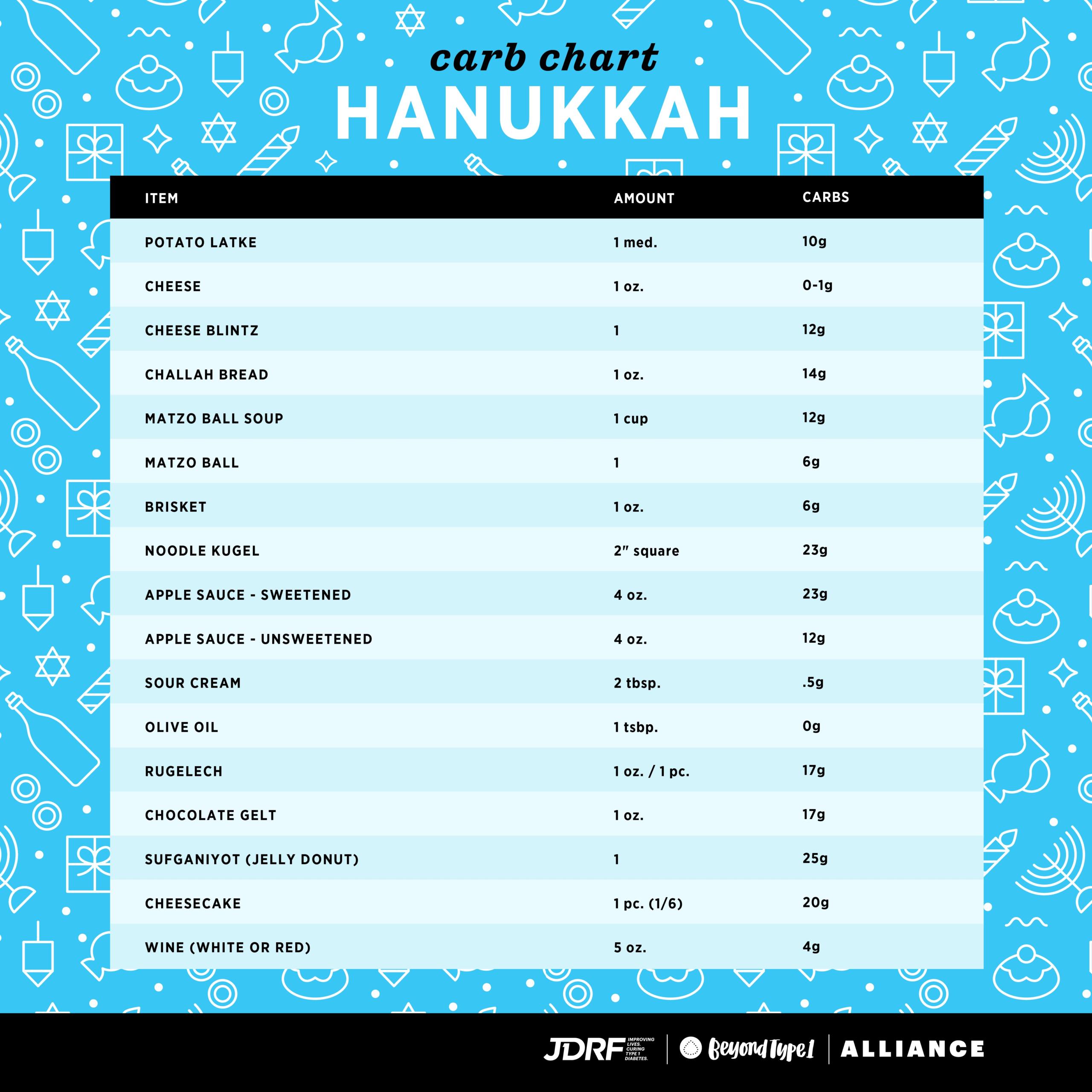
This article is part of Beyond Type 1’s library of resources for Celebrations & Holidays. Consult Beyond Type 1’s food and drinking tips as well as an array of holiday carb charts .
This content brought to you by the Breakthrough T1D – Beyond Type 1 Alliance.
What’s your strategy for managing your diabetes during the holidays? If your plan is to eat yourself into a food coma, you are not alone. Most gatherings this time of year do revolve around food and drinks, and usually not the healthy stuff. And I absolutely think there should be room for that!
There should be room for indulgence, throwing your diet to the wind for a few hours, and just enjoying being with family and friends. And yes, of course we can do that even though we live with diabetes.
If you are insulin-dependent like me, you just need a solid game plan and you’ll be able to get through the festivities without wreaking havoc on your diabetes management. This is my easy-to-follow plan for successfully managing my diabetes during the holidays:
1. Know your carb ratios (how much insulin to take to a gram of carbs)
If you don’t know them yet, get a piece of paper and take notes for a few days to get it right. Knowing your daily carb ratios will help you gain good blood sugar control year round, not just for the holidays. You can read my post about carb ratios and sensitivities to learn more.
2. Know what you are eating
If you didn’t make it yourself, ask the host. You can’t always see what’s in a dish. Mashed potatoes are usually not just potatoes but also include a lot of butter, milk (or cream) and maybe even sugar.
3. Bring a carb counting cheat sheet
Bring a Holiday Carb Chart, such as this one for Thanksgiving or this one for Hanukkah or this one for other winter Holiday foods from the Breakthrough T1D-Beyond Type 1 Alliance. If you go to your mom’s house during the holidays, you probably know a lot of the food she will be cooking because you have had it since childhood. You can also do a little research upfront and find out how many carbs are in a serving of your favorites. Maybe you can even get mom’s recipe to calculate the exact carbs?
4. Work out in the morning
Hit the weights before you go out. It will improve your insulin sensitivity and make it easier to manage your blood sugars during the afternoon/night. Not only will you feel better, but your muscles will love the additional carbs and proteins you’ll enjoy later in the day. Why not use all those holiday calories to build some muscles?
5. Consider increasing your basal rate
If you are sitting down eating for hours, your basal insulin may need to be turned up. Always consult your healthcare professional before making changes to your insulin dosage, but it might be an idea to increase your basal rate during dinner and throughout the night.
6. Go for a walk after dinner (or a snowball fight)
It will not only help digestion but also your blood sugar. I’m not even sure this one needs more explanation. Just be sure your sugars don’t crash during your walk or snowball fight.
7. Test, test, test and keep track of active insulin so you don’t overdose
I bring my meter to the table and rely heavily on my continuous glucose monitor (CGM). My blood sugar levels will have some spikes, and that’s okay, as long as they come down as planned.
8. Remember to bolus for alcohol
Bolusing for alcohol can be tricky because alcohol can make your blood sugar levels drop. My rule of thumb is that I bolus for everything except hard liquor (which I never drink anyway). Especially if your alcohol is mixed with juice or other carb-heavy drinks, you’ll need insulin with that. And please drink responsibly.
It’s really hard to manage anything—especially your diabetes—if you are out of your mind drunk. If you for some reason aren’t eating but only drinking, be very careful with dosing for alcohol since you’ll have a high likelihood of going low during the night. Alcohol is tricky, so if you’re drinking and unsure of how your blood sugars will react, I suggest having a bedtime snack just to be safe.
What success looks like …
I’ve successfully managed my diabetes during the holidays if I’ve enjoyed myself without having to worry about my diabetes too much, if I’ve been able to manage my blood sugar levels so that I don’t wake up the next morning in the 200 mg/dL 11.1 mmol/Lrange, and if I haven’t had too many low blood sugars.
I doubt Santa is going to bring me a new pancreas for Christmas, so it’s a good thing I have learned to manage my diabetes on my own. Happy Holidays!!!!
Christel is a blogger, personal trainer, diabetes advocate, fitness bikini champion and fitness personality. She has been living with Type 1 diabetes since 1997, and lives by the motto “There’s nothing you can’t do with diabetes¾if you have the right care, technology and mindset.” Christel writes at DiabetesStrong.com with her husband. She blogs about health, fitness and how to be fit with diabetes. You can email her directly at Christel@DiabetesStrong.com.
Type 1 diabetes (T1D) and sleep, or lack thereof, are often tied together. Someone living with T1D must navigate a wide range of challenges that can impact sleep, and poor quality of sleep negatively affects your psychological and physical health.
In addition, one of the greatest fears of nighttime is low blood sugar (called hypoglycemia), which occurs when blood-sugar levels fall below 70 mg/dL. Symptoms can include shaking, an accelerated heart rate, and clammy skin. It’s possible to sleep through a hypoglycemic event, but you can wake up tired, confused, sweaty, and can feel lethargic or foggy.
But artificial pancreas systems are changing that.
Artificial pancreas systems (also called automated insulin delivery systems) have two interrelated functions: Monitoring the blood-sugar levels in your body (through a continuous glucose monitor) and automatically providing insulin to keep them in a healthy range (through an insulin pump), via a smart algorithm. By automating much of blood-sugar management, these systems can help improve diabetes-related outcomes and lighten the burden of T1D.
Even during sleep.
Time-in-Range and Sleep
Time-in-range (TIR) is a measurement that tells you what percentage of the day your blood sugars are in your goal range (typically 70-180 mg/dl). The American Diabetes Association recommends that people with diabetes spend 70% of their time in the target range, meaning you should aim for roughly 17 out of 24 hours each day to be in range. Unfortunately, less than half of the diabetes population meets this recommendation.[i]
But experts emphasize that even a 5% improvement in TIR—let’s say, going from 60% to 65%—is meaningful, as it translates to one more hour per day spent in-range.[ii]
Now, let’s look at some recent scientific findings in the table below.
Not only can the artificial pancreas systems improve time-in-range, but they can dramatically improve time-in-range during sleep.
Note: Left click on image to enlarge.
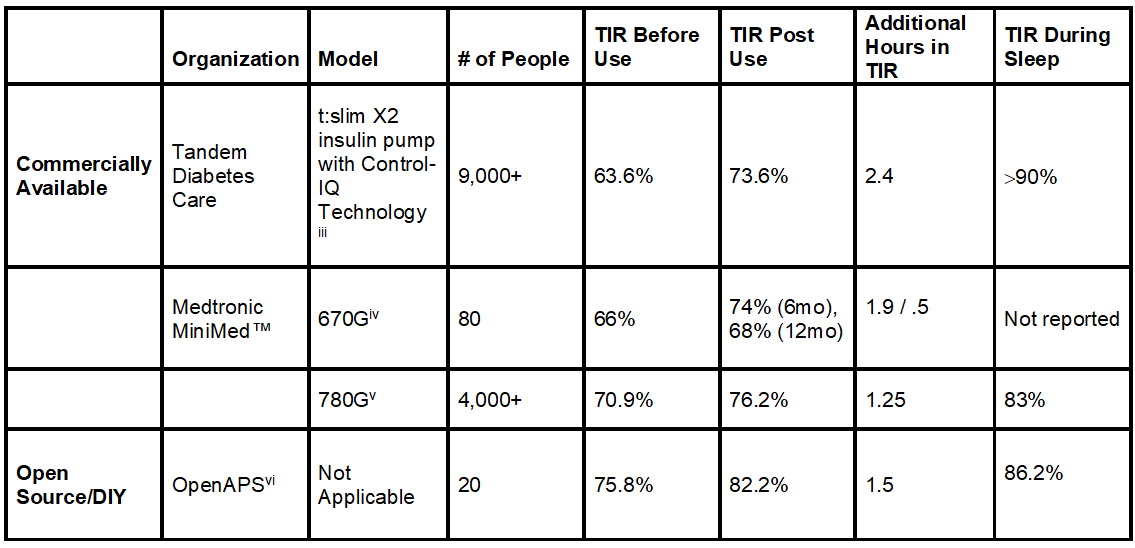
More time-in-range, even when you’re asleep. Now that’s research that can help you rest easy and more often than not, wake up on the right side of the bed.
Have a goodnight!
Watch Breakthrough T1D’s and Tandem’s Facebook Live event (video below) exploring AP systems and improvements in TIR and sleep.
Editor’s Note: This educational content is made possible with support from Tandem Diabetes Care. Breakthrough T1D produces this content to provide information to our supporters about their potential options for managing their T1D and not as an endorsement of products. Editorial control rests solely with Breakthrough T1D.
RX ONLY. The t:slim X2 insulin pump with Control-IQ technology is indicated for patients with type 1 diabetes, 6 years and older. BOXED WARNING: Control-IQ technology should not be used by people under age 6, or who use less than 10 units of insulin/day, or who weigh less than 55 lbs. For full safety information, visit tandemdiabetes.com/safetyinfo.
[i] Bergenstal RM, Hachmann-Nielsen E, Tarp J, Kvist K, Buse JB. 65-LB: Real-World Continuous Glucose Monitoring Data on Time-in-Range from a U.S. Population, 2015–2019. Diabetes Jun 2021, 70 (Supplement 1); doi: 10.2337/db21-65-LB
[iii] Breton MD, Kovatchev BP. One Year Real-World Use of the Control-IQ Advanced Hybrid Closed-Loop Technology. Diabetes Technol Ther. 2021; 23 (9): 601-608. doi:10.1089/dia.2021.0097
[iv] DuBose S, Bauza C, Verdejo A, Beck RW, Bergenstal RM, Sherr J. Real-world, Patient-Reported and Clinic Data from Individuals with Type 1 Diabetes using the MiniMed 670G Hybrid Closed Loop System. Diabetes Technol Ther. 2021; 10.1089/dia.2021.0176. doi:10.1089/dia.2021.0176
[vi] Lewis DM, Swain RS, Donner TW. Improvements in A1C and time-in-range in DIY closed-loop (Open-APS) users. Diabetes. 2018; 67: 352-OR. https://diabetes.diabetesjournals.org/content/67/Supplement_1/352-OR.abstract.
People living with type 1 diabetes (T1D) have numerous advanced technologies to choose from to better manage their T1D: Continuous glucose monitors (CGMs), insulin pumps, and artificial pancreas systems, which combine the two.
These technologies can make managing T1D easier and help facilitate better outcomes: Fewer experiences of low blood sugar (called hypoglycemia) or high blood sugars (called hyperglycemia), better sleep, and more time-in-range.
There is no such thing as too many options to choose from for T1D management—what works for one person may not be the best fit for another.
Now, people living with T1D who prefer multiple daily injections (MDI) of insulin have two high-tech T1D management options: An insulin smart pen or an insulin smart pen cap.
What are Insulin Smart Pens/Smart Pen Caps? How Do They Work?
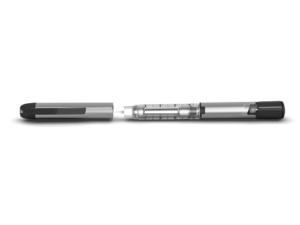
These are innovative devices used for MDI insulin administration.
Medtronic’s InPen™ (a Bluetooth-enabled insulin pen) was first cleared by the FDA in 2016, but received FDA clearance for all ages* in 2020. Bigfoot Biomedical’s Bigfoot Unity™ (a Bluetooth-enabled insulin pen cap) received regulatory clearance for ages 12 and up this past year.
Like conventional insulin pens, insulin smart pens can be used to administer certain long- or rapid-acting insulin as needed while basal insulin pen caps can track long-acting insulin.
Unlike conventional insulin pens and insulin pen caps, InPen and Bigfoot Unity do a lot more than physically deliver insulin into the body—they are part of an intuitive diabetes management system.
InPen and Bigfoot Unity pair with corresponding smartphone apps through which a person with diabetes can keep track of insulin doses, blood-glucose levels (via data from a compatible CGM or blood-glucose meter), as well as receive reminders, alerts, and reports.
More specifically, insulin smart pens/caps can:
- Calculate insulin dosage based on current blood-glucose level, carbohydrate reading, meals, active insulin or insulin on board, and settings prescribed by a physician
- Deliver correct half-unit doses that are ½ units**
- Issue alerts to help prevent skipped or missed doses
- Crunch the numbers when you’re trying to calculate how to dose for a meal or correct high blood glucose
- Track the time and amount of every dose, and issue reminders for the next insulin dose
- Indicate whether insulin has expired or has been subjected to high temperatures so the cartridge can be replaced
- Provide diabetes data to your health care team at any time
- Sync with smart phones or watches, as well as popular diabetes data tracking platforms
Both InPen and Bigfoot Unity sync with CGMs that provide blood-glucose level data in real time; InPen with Medtronic’s Guardian™ Connect System or Dexcom and Bigfoot Unity with Abbott’s Freestyle Libre 2.
Both can also be used by people using blood-glucose meters. Automatic transmission of blood glucose data may require the meter to meet technological requirements.
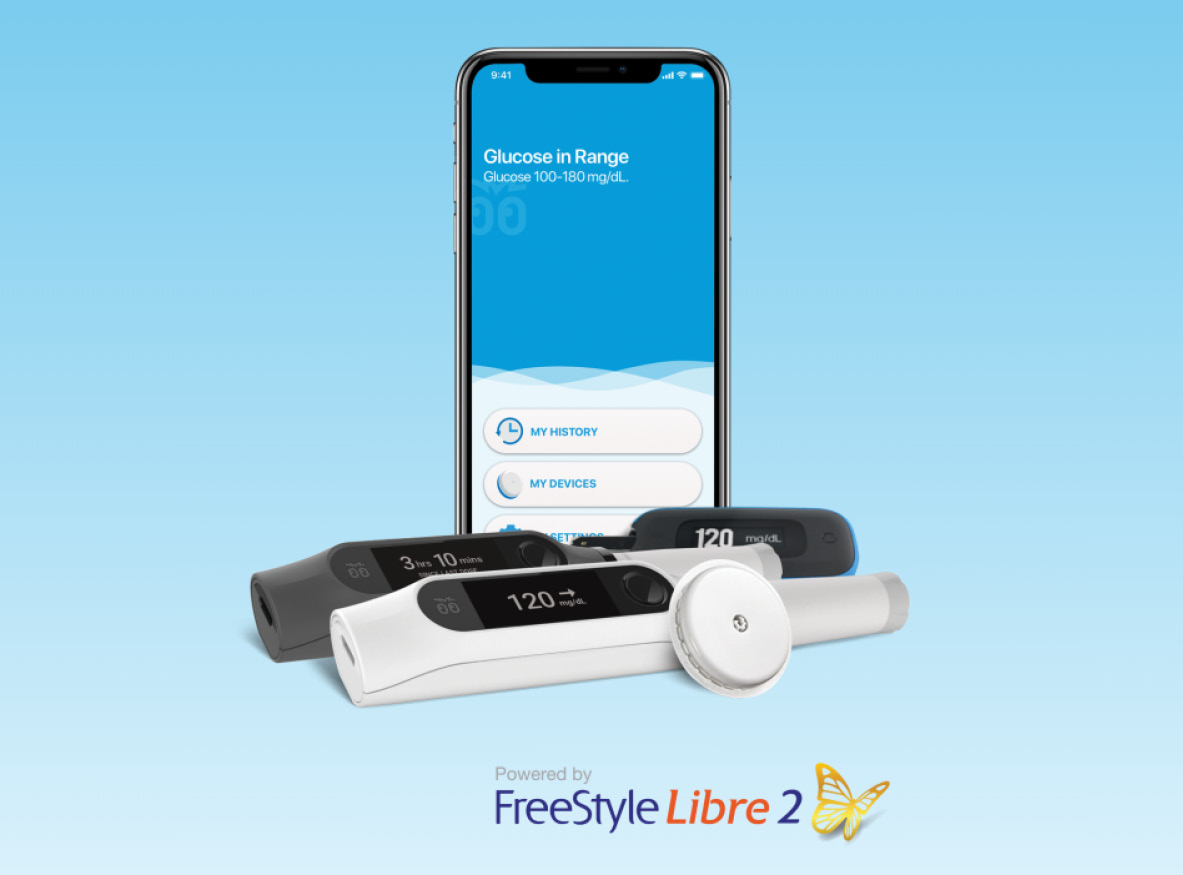
This is crucial in that for the first time, people with T1D who do not wish to use any kind of wearable device, can finally reap some of the benefits of using more advanced T1D management technologies—and they have more than one choice. A huge step in bridging the T1D technology gap.
“One of Breakthrough T1D’s goals is to make sure that everyone has the diabetes management tools that work best for them,” said Associate Director of Research at Breakthrough T1D, Jonathan Rosen, Ph.D. “While we have driven forward the development of AP systems, which consist of a pump, CGM, and controller, and have demonstrated benefits in improving outcomes and reducing disease burden, we appreciate that not everyone wants to wear a pump and are thrilled to see the progress in smart pens like Medtronic’s InPen and Bigfoot Biomedical’s Unity. Smart pens can aid with many aspects of T1D care, including helping users determine when to take insulin and what the dose should be, which helps relieve the daily burden of T1D.”
“I am OBSESSED with My InPen”
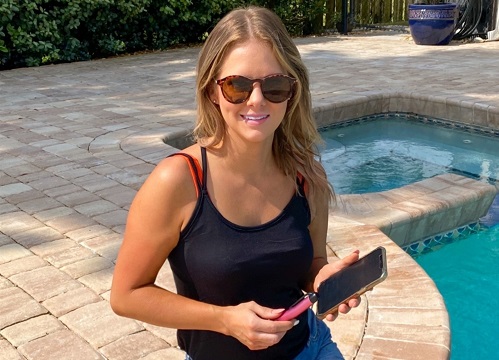
Mattie Fisher is a wife and mother of two from Titusville, Florida. This marketing manager for a transportation firm is a plant-based lifestyle devotee who loves to spend time with her family outdoors—mostly engaging in water sports.
Diagnosed at age 12, Mattie has been living with T1D for 20 years. She can’t say enough good things about her InPen.
“I like to say I am OBSESSED—in a healthy way—with my InPen,” she said.
When she was first diagnosed, Mattie used vials of long-lasting and rapid-acting insulin, along with syringes and lots of finger sticks. When she was ready to enter high school, she decided to try an insulin pump.
Turns out, it wasn’t the right fit for her.
“I did not like being connected to something all the time. Sleeping was uncomfortable, it would snag on different things,” she said.
She, her parents, and her heath care team decided to switch to insulin pens.
“I have been on Humalog®1 pens and my long-lasting pens since age 16,” Mattie said. “The pens really seemed to suit my lifestyle better, but I did not get any of the perks that the insulin pump offered—having to manually do all the adding and subtracting for all meal boluses and corrections for any high blood sugars was not my strong suit.”
Related content: “You’re a Mathematician! No, I just have type 1 diabetes”
She said this often led to her simply using a number she was comfortable with for meals or corrections.
“And that led to guessing, which is not a good idea,” she said.
Insta Attraction
All of that changed in March 2021.
“I came across another person on Instagram who is living with type 1 who was using the InPen,” Mattie said. “I had no clue what the InPen was and messaged her with a few questions. After a couple messages back and forth, I knew I had to find out more.”
She called Medtronic for more information and was immediately taken with InPen.
“I love that it does much of the work for me, as far as calculating how many units [of insulin] I need for the meal I am about to eat,” Mattie said. “I also enter my blood glucose and the amount of carbs into the InPen App—and BAM!—it does the rest. Lastly, it also calculates my correction dosage, if needed. And it automatically adjusts if I still have insulin on board [active in my body].”
Mattie uses the InPen with Medtronic’s Guardian Connect CGM. And while she raves about how much easier her T1D management is now, that is not the only big benefit.
“The InPen tells me how much insulin I have used and keeps track of how much insulin I still have in my system,” she said. “I am having fewer instances of low blood sugars now and my confidence in how I am managing my diabetes has improved greatly—almost immediately from using the InPen. I am happy with how my diabetes is being managed and I know my doctor is as well.”
Soon to Come: Even More Choices
Reportedly, other companies are working on products similar to InPen and Bigfoot Unity.
These will provide more people who choose MDI even more new technology choices to help ease the burden of managing their T1D, as well as potentially improve how they manage their T1D.
Mattie is living proof that finding the “just right” technology can make all the difference, and she’s far from the only person singing the praises of the InPen.
Editor’s note:
*<7 requires adult supervision
**InPen only
-
Humalog ® is a registered trademark of Eli Lilly and Company
Help us kick off National Diabetes Awareness Month at TypeOneNation Virtual Summit on November 1, 3, and 4, from 6:00 – 8:00 pm ET. This free event is for people of all ages and stages of type 1 diabetes and their loved ones. We’re offering three nights of sessions covering important topics like Breakthrough T1D’s mission, T1D innovations, and wellness.
Below, you will find sessions, descriptions and the lineup of powerful speakers you can expect to hear from! Pre-registration is required to attend.


Monday, November 1 – Research/Breakthrough T1D Mission Sessions
Breakthrough T1D RESEARCH–PROGRESSING TOWARDS CURES
Breakthrough T1D Director of Research Frank Martin, Ph.D. will provide an overview of Breakthrough T1D’s cures portfolio, which includes disease modifying and cell therapies. He will also share exciting progress, projects, and active clinical trials.
Presented by Frank Martin, Ph.D., Director of Research, Breakthrough T1D
DRIVING RESEARCH AND POLICY PROGRESS THROUGH ADVOCACY
Tune in for the latest on what the team in DC is up to, and how Breakthrough T1D’s nationwide network of advocates is driving meaningful progress that benefits the T1D community. You’ll learn about Breakthrough T1D’s critical work on the insulin affordability front, the newly proposed biomedical research agency called the Advanced Research Projects for Health (ARPA-H), exciting regulatory milestones, and more!
Presented by Breakthrough T1D Advocacy Team Carla Falasco, Director, Grassroots Advocacy; Niels Knutson, Director, Government Relations; Marjana Marinac, Senior Director, Regulatory Affairs; and Aaron Turner-Phifer, Director, Health Policy
GET THE MOST OUT OF YOUR HEALTH INSURANCE
It’s open enrollment season! Tune in to learn how to best utilize Breakthrough T1D’s T1D Health Insurance Guide to help you get the most out of your coverage! In addition to assistance with cost of insulin, the guide helps individuals and families navigate topics including prior authorizations, denials and appeals, and
applying for an exception.
Presented by Jackie Le Grand, Manager, Health Policy, Breakthrough T1D and Aaron Turner-Phifer, Director, Health Policy, Breakthrough T1D
LIDERANDO EN LA INVESTIGACIÓN DE DT1 Y LAS POLÍTICAS DE SALUD A TRAVÉS DE ABOGACÍA
Sintonice nuestra sesión de información donde hablaremos sobre el trabajo de nuestro equipo de abogacía en Washington, D.C. y como nuestra red de voluntarios de Breakthrough T1D está impulsando progreso significativo que beneficia a la comunidad DT1. También aprenderá sobre el trabajo de Breakthrough T1D para asegurar accesibilidad a la insulina, sobre la Agencia de Proyectos de Investigación Avanzada de Salud que fue propuesta por la Administración de Joe Biden, y cubriremos recientes triunfos regulatorios, y mucho más.
Presented by Pedro Montenegro, Manager, Government Relations, Breakthrough T1D
APROVECHE TODOS LOS BENEFICIOS DE SU SEGURO MÉDICO
¡Es hora de registrarse para su cobertura de seguro médico a través del período de inscripción abierta! Sintonice nuestra sesión para aprender cómo usar el guía que creó Breakthrough T1D para que usted pueda aprovechar todos los beneficios que ofrece su seguro médico. El guía ayuda a individuos que están viviendo con DT1 y sus familiares como navegar los temas de pre -autorizaciones, rechazos y apelaciones, recursos para ayudarle con el costo de la insulina, y como solicitar una excepción con su compañía de seguro médico.
Presented by Pedro Montenegro, Manager, Government Relations, Breakthrough T1D


Wednesday, November 3: T1D Innovation Sessions
Breakthrough T1D RESEARCH–EFFORTS IN IMPROVING LIVES
Breakthrough T1D Vice President of Research Sanjoy Dutta, Ph.D. will do a deep dive into Breakthrough T1D’s Improving Lives portfolio, which includes glucose control and complications. He will also provide a current T1D therapy landscape and share exciting clinical trials and projects.
Presented by Sanjoy Dutta, Ph.D., Vice President of Research, Breakthrough T1D
T1D PRODUCT SHOWCASES
The T1D Product Showcases offer product demonstrations and updates from Abbott Diabetes Care, Dexcom, Eversense, Gvoke, Medtronic and Tandem. Join the discussion to learn the latest and greatest in T1D technology, treatment and care.
APOYO ENTRE PARES Y REDES SOCIALES
La diabetes, de todos sus tipos, es con frecuencia una condición de vida que nos hace sentir solos. Encontrar a otros con quienes compartir experiencia y conocimiento puede tener un impacto positivo en nuestra salud en general. Acompáñanos a descubrir dónde y cómo encontrar a tus pares para crear así comunidad.
Moderated by Mariana Gómez, Beyond Type 1, with T1D bloggers and influencers Mila Ferrer and Estefanía Malassisi


Thursday, November 4: Wellness Sessions
RISING ABOVE THE ↑↑ AND ↓↓ OF DIABETES: STRATEGIES FOR STAYING SANE IN THE MADNESS
This presentation will focus on tried and true strategies for maintaining one’s mental health while dealing with the day-to-day challenges of diabetes. The focus will be on building resilience in the face of the challenges of life and the challenges of diabetes.
Presented by Michael Harris, Ph.D., Oregon Health & Science University
NAVIGATING NUTRITION FOR DIABETES
As many of us know, understanding food and learning about nutrition while managing diabetes can be challenging. Join Bridget Wood, R.D., L.D., CDCES as she gives tips, shares helpful information, and discusses all things food and nutrition for people living with diabetes.
Presented by Bridget Wood, R.D., L.D., CDCES
DIABETES Y BIENESTAR EMOCIONAL
En esta sesión hablaremos sobre los retos que implica vivir con diabetes y cómo impacta el manejo de nuestra condición de vida en nuestra salud emocional. Descubre respuestas para vivir más allá de tu diabetes.
Moderated by Eugenia Araiza, Beyond Type 1, with Certified Psychologist Daniela Rojas, Professor René Buenfil and Psychology Clinician Nancy Martínez
Philanthropist and “Good Morning America” (GMA) host Robin Roberts premiered the latest episode of her “Thriver Thursday” series featuring Breakthrough T1D Volunteer Family, NFL Champion Isaiah Stanback, his wife Natalie, and their daughter Nadia. Premiering nationally on ABC’s “GMA” on October 7, 2021, the episode captures the Stanbacks’ life with type 1 diabetes (T1D), highlighting Nadia’s strength and determination as she thrives with T1D.
Nadia was diagnosed with T1D at three years old and the family has been committed to raising awareness and funding for research ever since. Their passion is also driven by other close family members and friends who have been impacted by the disease.
The episode also features a special appearance by WNBA player and Breakthrough T1D Ambassador Lauren Cox. Diagnosed at seven years old, Lauren is an advocate for the diabetes community and an inspiration to Nadia and other youth living with T1D.

Leading researchers from around the world will gather for the annual meeting of the European Association for the Study of Diabetes (EASD). At this year’s meeting, which will take place virtually from September 27-October 1, more than 40 studies will be presented by Breakthrough T1D researchers, funded now or in the past, working to find cures for type 1 diabetes (T1D) and improve the lives of those living with the disease today.
- Chantal Mathieu, M.D., Ph.D., will present on the clinical trial that tested AG019, an immune-modulating therapy, alone or with teplizumab, an anti-CD3 therapy, in recent-onset T1D (a side note: Kevan Herold, M.D., was also a principal investigator on the study), suggesting that AG019 could be effective in preserving insulin production. In addition, AG019 has the convenience of being taken orally.
- Breakthrough T1D-funded Hypo-RESOLVE (Hypoglycemia—REdefining SOLutions for better liVEs), an international consortium of 23 public and private organizations, has preliminary results from its effort to understand low blood sugar, called hypoglycemia, and its impact on people with T1D, from its pooled database of dozens of clinical trials.
- Breakthrough T1D-funded Carmella Evans-Molina, M.D., Ph.D., Roberto Mallone, M.D., Ph.D., and Raghu Mirmira, M.D., Ph.D., will discuss the role of beta cells and how they contribute to T1D, in an EASD/Breakthrough T1D Symposium: Beta cell (dys)function, on which Breakthrough T1D CEO, Aaron J. Kowalski, Ph.D., and Breakthrough T1D-grantee, Sarah Richardson, Ph.D., are chairs.
- A novel dual-hormone artificial pancreas for T1D will be presented by Ahmad Haidar, Ph.D., a former Breakthrough T1D-funded postdoctoral fellow and grantee for clinical trials of his insulin plus pramlintide—a synthetic hormone engineered to closely resemble another hormone which is produced by beta cells, amylin—artificial pancreas system.
Together with our supporters, we have played a key role in the discovery and availability of nearly every major T1D advance and we can’t stop now. Future breakthroughs start with us.
We know many of you will soon contemplate your year-end giving and will want to make the most of your charitable dollars. Fortunately, the U.S. tax code fosters a tradition of generosity, making America the most philanthropic nation. Here are a few tax-wise giving strategies if you’re considering a year-end contribution to Breakthrough T1D.
Cash
Cash is still the most popular way to make a charitable gift and could provide important tax benefits. If you itemize your deductions, you can elect to deduct cash contributions up to 100 percent of your AGI (formerly 60 percent prior to the passage of the CARES Act in 2020).
The CARES Act also includes a charitable giving incentive providing non-itemizers with an “above the line” deduction of $300, and extended in 2021 to $600 for those married and filing jointly, making it easier to support your favorite causes. This applies to cash contributions made and can be claimed on 2021 Form 1040.
This incentive doesn’t apply to contributions to donor advised funds, private non-operating foundations, or section 509(a)(3) supporting organizations. All other contributions for which a deduction is allowable under section 170 are covered.
Stocks, bonds, mutual funds
Gifts of appreciated securities can be one of the most tax-wise ways of giving. If you have owned your securities for more than one year, you may deduct the full fair market as a charitable contribution, while bypassing capital gains taxes.
Real estate
Gifts of appreciated real estate are like gifts of appreciated securities. Assuming you have owned the property for more than one year, you may deduct the fair market value as a charitable contribution while bypassing all capital gains taxes.
Charitable IRA Rollover
If you’re 70½ or older, you can contribute up to $100,000 annually from your IRA without generating taxable income. This is an ideal way of making a tax-wise gift while satisfying your required minimum distribution (RMD). Charitable IRA Rollovers are simple to make and are a tax-wise giving strategy. A call to your plan administrator is all that is required to get started.
Donor Advised Fund
Giving through a donor advised fund (DAF) has become the fastest growing source of charitable gifts over the last two decades. You receive an immediate charitable tax deduction for each contribution you make to your DAF, provided you itemize your deductions. You can then contribute to Breakthrough T1D and other charities at any time you choose, from one single account, simplifying your giving.
Including Breakthrough T1D in your estate plan is an important way to ensure research continues until we realize our vision of a world without T1D.
– Joe Lacher, Chairman of Breakthrough T1D’s International Board of Directors
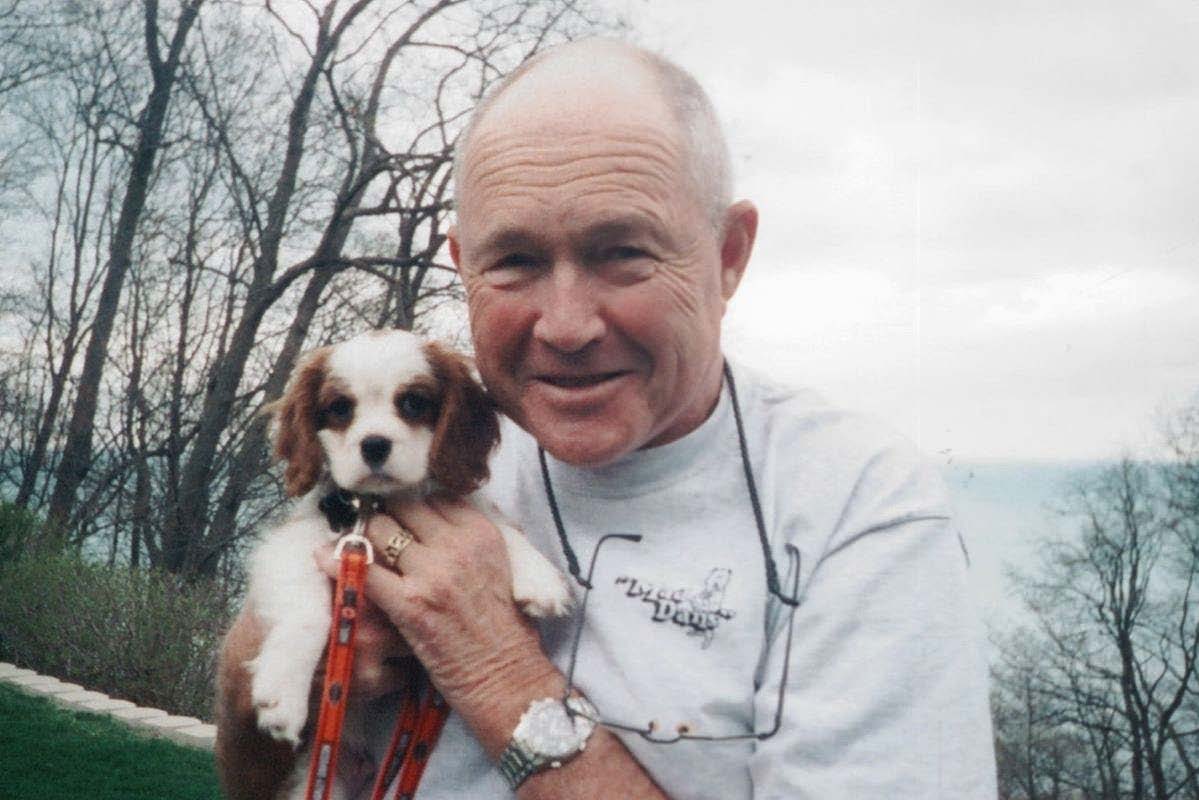
John J. McDonough was a self-made man with a successful career in business and finance. But to us, he will be remembered for his service to Breakthrough T1D and his perseverance in moving life-changing research forward for the many people living with type 1 diabetes (T1D) today.
John served on our International Board of Directors and as board chairman. He and his wife, Marilyn, were also founders and proud supporters of the BETA Society, which honors donors who have included Breakthrough T1D in their will or estate plan.
John and Marilyn have five children, but it was the diagnosis of their daughter, Allison, with T1D in 1983, that led John to become involved in accelerating T1D research.
John was six when he was diagnosed with T1D in 1943—long before insulin pumps, continuous glucose monitors, and engineered insulin were available. He was told he would likely die by age 15, but instead, he thrived. John was determined to defy the odds and control his disease and he succeeded.
But his own success wasn’t enough. He wanted to make a significant contribution and change not only his daughter Allison’s life, but the lives of everyone living with T1D. He made significant gifts over the years to advance research while also serving on many special Breakthrough T1D committees.
John passed away earlier this year from complications of T1D at the age of 84. We are forever grateful to John and the role he played advancing our Breakthrough T1D family’s mission to accelerate life-changing breakthroughs to cure, prevent and treat T1D and its complications.
If, like John and Marilyn, you’re interested in changing lives through a legacy gift, please request our free booklet, Your Will to Give: A Guide to Creating Your Legacy by filling out our request form here.