
Islet cell therapies for type 1 diabetes (T1D) are in the works. In clinical trials, people are coming off external insulin—and experiencing healthy blood sugar levels. Researchers and clinicians are working hard behind the scenes to advance next-generation manufactured islet cell therapies as scalable cures. The momentum is real—and it’s more important than ever to double down, bring all the key players together, and make them a reality.
First- Versus Next-Generation Islet Cell Therapies
First-generation islet cell therapies, including those in clinical trials today, are limited to people with severe hypoglycemic events and hypoglycemia unawareness. Next-generation islet cell therapies, including manufactured versions that can be made at large scale, will, ideally, be open to expanded populations. The future we’re working toward is one where everyone with T1D who wants an islet cell therapy can get one.
The Workshop: Bringing Together Key Voices
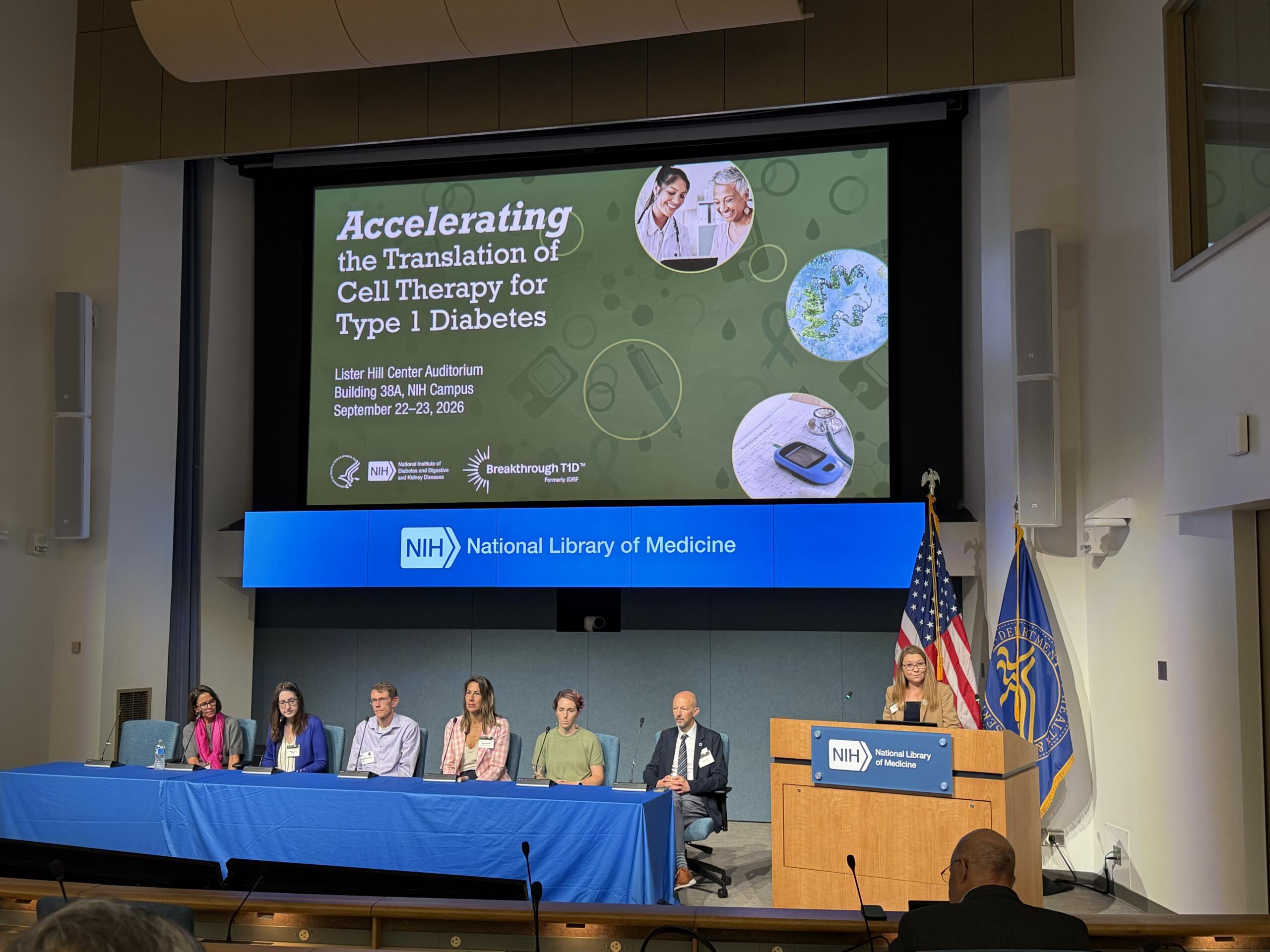
To keep the momentum going, Breakthrough T1D co-hosted a public workshop with the National Institute of Diabetes and Digestive and Kidney Diseases (NIDDK) titled “Accelerating the Translation of Cell Therapy for Type 1 Diabetes.” This workshop convened researchers, clinicians, industry leaders, representatives from the U.S. Food and Drug Administration (FDA), individuals with T1D, and moreto discuss best practices and recommendations for accelerating islet cell therapies for the T1D community as newer generations become available.
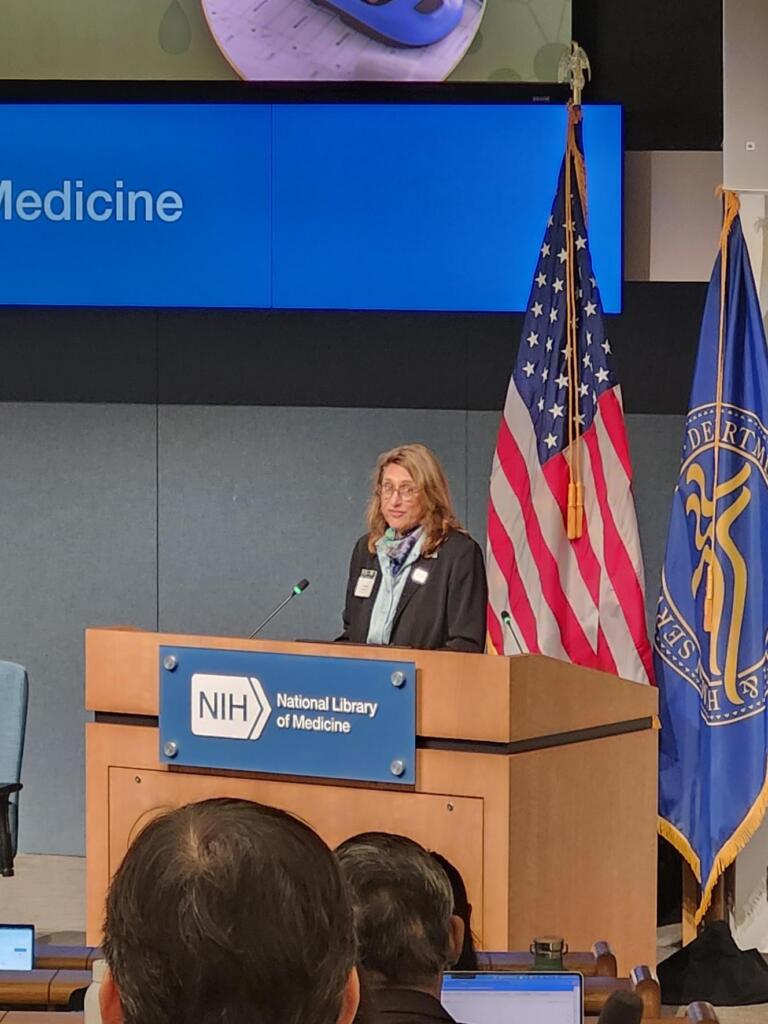
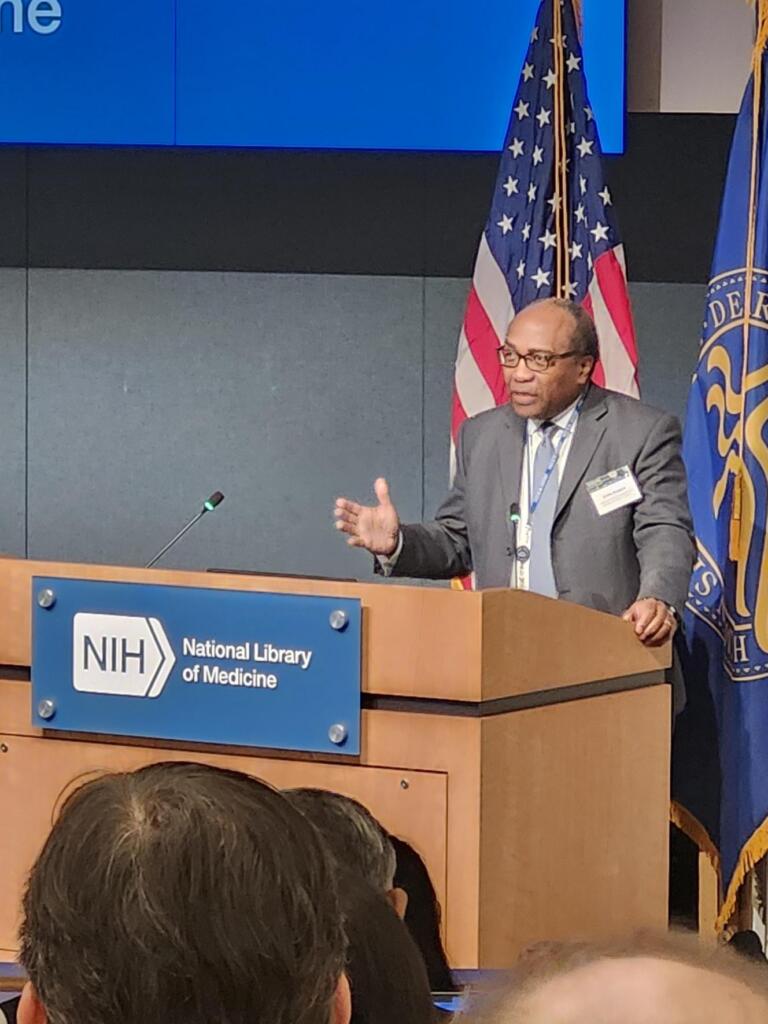
The planning committee included several Breakthrough T1D staff:
- Esther Latres, Ph.D. (Senior Vice President, Research)
- Nicholas Mamrak, Ph.D. (Senior Scientist, Research)
- Marjana Marinac, Pharm.D. (Associate Vice President, Regulatory Affairs)
- Chanel Press, Ph.D. (Director, Regulatory Affairs)
- Brianna Greeno (Senior Manager, Regulatory Affairs)
Key Takeaways
- Preclinical studies must be thoughtfully designed to ensure these novel islet cell therapies can be tested in human clinical trials.
- From the very beginning of their experiments, researchers must consider manufacturing requirements for nonclinical and clinical studies to effectively translate islet cell therapies to large scale.
- Real-life T1D experiences must be integrated into study designs and decision-making around next-generation islet cell therapies to ensure they create meaningful improvements to life with T1D and that the community is educated on them and is interested.
- Artificial intelligence (AI) is safely being applied to several different aspects of the islet cell therapy workflow, from forecasting responses to transplants, to optimizing manufacturing, to engineering cells.
The Conversation: Advancing Islet Cell Therapies from the Lab to Humans
The workshop broadly focused on considerations for advancing manufactured islet cell therapies, including lab-based work, large-scale manufacturing, and clinical trial design. Read on to learn more about the discussion around each topic.
Nonclinical studies gather evidence showing that new therapies are likely to work and be safe in people before moving to clinical trials. Choosing the best experimental design is key for accurate, reliable, and reproducible data, which includes identifying the right T1D model and data collection method to answer the question at hand. Presenters also shared data around islet cell source, survival, and immune protection from ongoing preclinical projects.
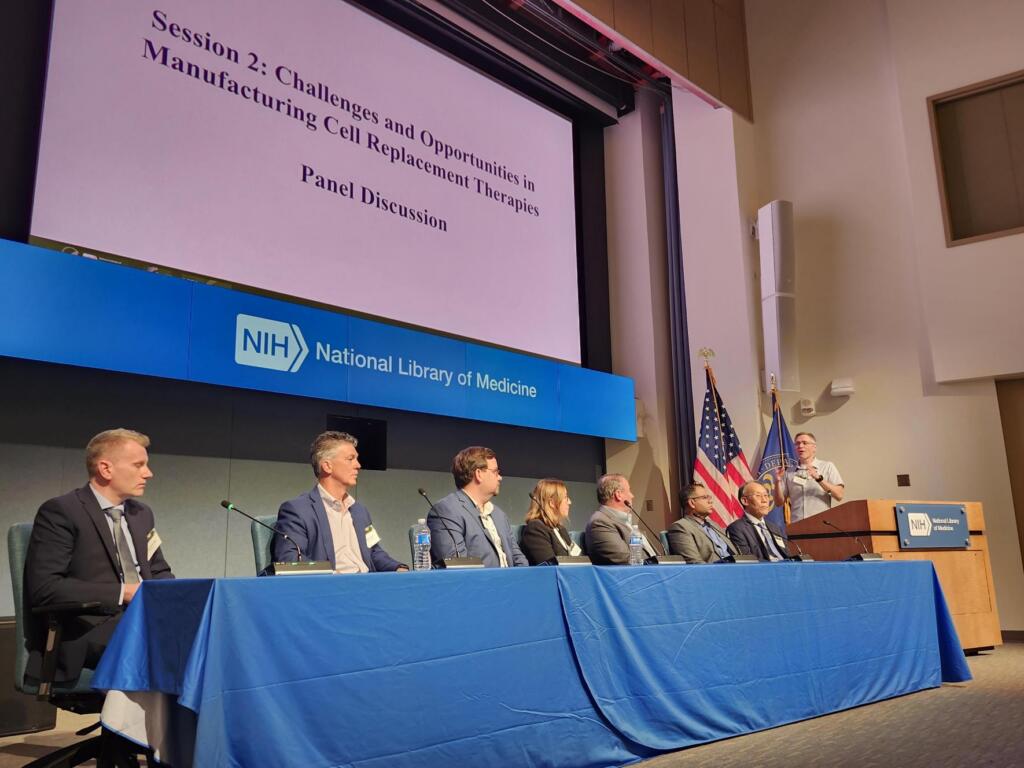
Large-scale manufacturing is critical to make sure there are enough islets for everyone with T1D who wants them. There are several FDA manufacturing requirements that need to be met for scalable islet cell therapies to move from preclinical studies to first-in-human studies, and these requirements change as the studies get bigger. Presenters dove into considerations for islet manufacturing in academic versus industry settings and how each is helping us learn about the optimal ways to produce lots of consistent and reliable islets at once—which is really hard to do!
We know from previous and ongoing studies that islet cell therapies work—people are reducing or eliminating their need for injected insulin. We also know that for many people with T1D, the benefits of getting an islet cell transplant outweigh the risks associated with long-term immunosuppression. Presenters considered what future clinical trials should look like: how to expand inclusion criteria, define meaningful endpoints, and educate the T1D and healthcare community to drive referrals and participation. Researchers must carefully consider manufacturing, safety, and efficacy considerations to ensure that trial designs meet requirements defined by regulators to clear a path for approval of next-generation therapies.
Researchers are taking advantage of AI and applying it to different aspects of the islet cell therapy workflow, including individually forecasting blood sugar responses one-year post-transplant to help guide informed decision-making. Researchers are also using AI to optimize islet manufacturing, from predicting how islet cells will fare under certain conditions to analyzing data and modifying processes. AI can help design novel therapies on a cellular level, meaning “smart” islet cells that could sense immune attack and deploy immune-protective measures in a targeted way.
Several members of the T1D community shared powerful stories around their lived experiences with the condition. Some panelists have lived with T1D for decades and are seeing their children go through the same thing, while others have received successful (or unsuccessful) islet cell transplants. The group covered a range of topics: day-to-day burdens, technology, experiences with immunosuppression, and how islet transplants changed their lives (with one person noting that still needing one insulin injection per day post-transplant is a dramatically positive outcome). Ensuring the voices of the T1D community are heard by people in the field driving islet cell therapies forward is key to thoughtful person-centered research and design.
Learn more about how our Participant Advisory Council uses their voices to guide clinical trials.
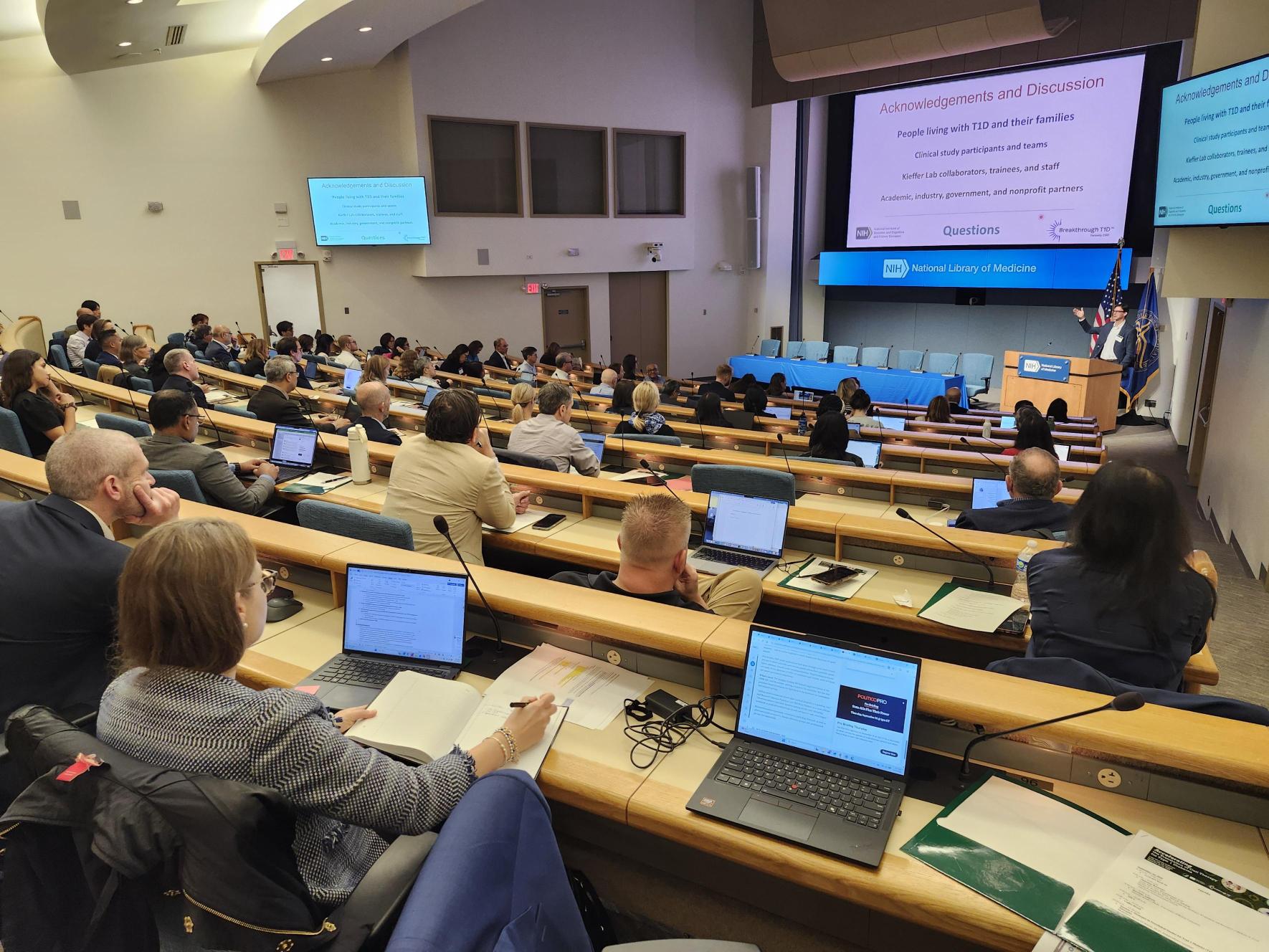
Why this Matters
Islet cell therapy science is advancing on three fronts at once: nonclinical research in the lab, clinical trials in humans, and large-scale manufacturing. While researchers, scientists, and clinicians are working hard pushing these efforts forward, Breakthrough T1D is helping to keep the conversation open around what’s working, how to overcome challenges, how to engage with regulators, and new partnerships and collaborations. Even more, keeping the voices of people with T1D in the mix is key to advancing islet cell therapies in a way that’s meaningful for our community. Breakthrough T1D thanks the NIDDK for co-hosting a successful event and all presenters, panelists, and attendees for contributing to critical conversations that will ultimately help accelerate next-generation islet cell therapies for type 1 diabetes.
