While we look back on 2024, we can reflect upon the incredible progress we’ve made in advancing breakthroughs toward cures and improving everyday life with T1D.
This wouldn’t have been possible without each and every one of you and your continued support of our mission as we drive toward cures for T1D.
Here are the top 11 advances that together, we made happen in 2024:
Breakthrough T1D announced the launch of Project ACT, an initiative aimed at accelerating breakthroughs in T1D cell replacement therapies that do not require broad immunosuppression. Recent advances, such as Vertex’s stem cell-derived islets, have been made possible by Breakthrough T1D’s Cell Therapies program as part of our drive toward cures. The goal of Project ACT is to push research, development, regulatory policies, access, and adoption to increase the rate at which cell therapies without the need for broad immunosuppressants will become available to people with T1D.
Why this matters: Immunosuppressive drugs are a barrier to access to cell replacement therapies because of their toxic side effects, which is why islet transplants are currently only available to people with severe low blood sugar (hypoglycemic) unawareness and episodes. By striving toward a future where we realize the benefits of cell replacement therapies without the downsides of the current regimen of immunosuppressants, we will make islet replacement therapies broadly accessible to the T1D community.
Vertex’s clinical trial of VX-880, a first-generation stem cell-derived islet replacement therapy for people with severe hypoglycemia (requiring the use of immunosuppressants), has transitioned into a phase 1/2/3, or pivotal, trial. This news comes after Vertex shared incredibly promising data in the earlier phases of the trial, including 11 of 12 participants reducing or eliminating the need for external insulin.
The upcoming trial will expand to 50 people who will get a single, target dose of VX-880. The primary endpoint will be insulin therapy independence without severe hypoglycemic events after one year. This is the final clinical testing stage before Vertex can seek FDA approval.
Breakthrough T1D has a decades-long relationship with Vertex and the leading scientists behind stem cell-derived islet therapies, an advancement that would not have been possible without Breakthrough T1D funding and support. The T1D Fund had invested in Semma Therapeutics, which was acquired by Vertex Pharmaceuticals in 2019, eventually leading to the active clinical development of VX-880 in T1D.
Why this matters: This is the first time a scalable cure for T1D is entering phase 3 clinical trials—a significant win and a huge step toward accelerating the delivery of cell therapies to members of the T1D community!
Tegoprubart: Transplant Survival Without Standard Immunosuppressive Drugs
Tegoprubart, an anti-CD40L immunotherapy that limits the immune response, is being tested in a Breakthrough T1D-funded study in people with T1D and severe hypoglycemia who have received deceased donor islets. Eledon Pharmaceuticals announced promising initial results in which two of three people achieved insulin therapy independence. According to the study, tegoprubart is safer for both people and transplanted cells in comparison to broad immunosuppressants, with milder side effects and greater islet survival. To further support this effort, the T1D Fund: A Breakthrough T1D Venture invested in Eledon.
Cell Pouch: A Home for Transplanted Islets
Breakthrough T1D has been supporting the development of Cell Pouch, an implantable device from Sernova that provides a safe, immune-protected environment for transplanted islet cells. In phase 1/2 clinical trials, all six people who received donor islets within the Cell Pouch achieved sustained insulin therapy independence with immunosuppressants, including long-term islet survival and function over five years without harmful side effects.
Why this matters: Standard of care immunosuppressive drugs that help avoid transplant rejection come with unwelcome side effects, such as increased risk of infection and malignancy and toxicity to kidneys, nerves, and islet cells themselves. Breakthrough T1D is focused on finding alternative ways to keep transplanted islet cells alive and healthy so that cell replacement therapies can become more tolerable and accessible.
In a major effort spearheaded by Breakthrough T1D, the first internationally recognized clinical guidelines for those who test positive for T1D autoantibodies have been published. These include guidance on monitoring frequency, education, and psychosocial support in addition to recommended actions for healthcare professionals (HCPs) when the risk of T1D progression is high. The guidelines were cooperatively developed with over 60 international experts spanning ten countries.
Why this matters: Previously, there had been no consensus on monitoring guidelines for people who test positive for T1D autoantibodies. Standardization of clinical recommendations means that individuals, families, and HCPs have tangible next steps to monitor early T1D progression and catch life-threatening complications sooner.
- Breakthrough T1D is leading a campaign to secure a recommendation for T1D screening from the U.S. Preventative Services Task Force (USPSTF), the main authority for preventative care. Approval would require T1D screening to be covered by insurance—an important step forward in expanding access.
- Driven by Breakthrough T1D’s advocacy efforts, The Centers for Medicare and Medicaid Services (CMS) established a unique ICD-10 code for stage 2 T1D. ICD-10 codes are used by HCPs to classify and document diagnoses, symptoms, and procedures. These codes provide a unified way for doctors and providers to indicate what diseases or conditions a person has in their electronic health record (EHR), empowering HCPs to document accurate diagnoses and provide the best possible care.
Why this matters: T1D early detection is critically important to prevent life-threatening complications at diagnosis and to give people necessary resources to make informed decisions about their health. Integrating T1D screening into the U.S. healthcare system will increase access to care.
The past year has seen some important advances in glucose management therapies and devices:
- Cadisegliatin, an activator of a blood sugar regulator in the liver, is being investigated in a phase 3 clinical trial (TTP399) as an adjunct therapy to insulin for people with T1D, although it is currently placed on clinical hold. vTv Therapeutics, the trial sponsor, is also a T1D portfolio company.
- The Omnipod 5 app is now available for the iPhone, making it easier to control the Omnipod without the need to carry a controller. It can also integrate with the Dexcom G6 continuous glucose monitor (CGM).
- Eversense 365 is the first FDA-approved year-round sensor that can easily integrate with automated insulin delivery (AID) systems. Other sensors require replacement after 10-14 days.
Why this matters: While advancements in glucose management have been pivotal in improving health outcomes for people with T1D, access remains a challenge. AID systems are globally underutilized, and not everyone has the necessary technology to connect devices. Breakthrough T1D is working to not only support advances in glucose management but also increase access.
Related content: While Breakthrough T1D consistently strives to improve the lives of those living with T1D, as an organization we have made incredible progress in the development of AID systems, also called the artificial pancreas systems. Read a historical perspective written by Breakthrough T1D volunteer Doug Lowenstein that covers conception to FDA approval of the first artificial pancreas systems, which changed the lives of people with T1D.
An inquiry spearheaded by the Breakthrough T1D affiliates in the U.K. uncovered risks of developing T1D eating disorders (T1DE), including bulimia, anorexia, or insulin restriction to lose weight. There is a significant gap in education and clinical guidelines for HCPs, a lack of internationally recognized criteria for T1DE diagnosis, and insufficient care integration, leading to preventable complications and healthy years of life lost. Breakthrough T1D recognizes the importance of spreading awareness and support for T1DE, and much work is needed to improve the lives of those living with T1DE.
Why this matters: There is an urgent need to change the way T1DE is approached, including integrated physical care with mental health services to get people with T1DE the access to care that they need.
In a study that included people with T1D, finerenone (Kerendia®) has been shown to improve cardiovascular outcomes in adults with heart failure. The drug is already approved in the U.S. to treat kidney and cardiovascular disease in people with T2D. Based on these results, Breakthrough T1D is supporting a clinical trial (FINE-ONE) in conjunction with Bayer to investigate the use of finerenone for T1D with the hopes of reducing kidney complications.
Why this matters: Kidney and cardiovascular disease remain significant challenges for those with T1D, especially given the FDA’s recent rejection of an SGLT inhibitor to lower blood glucose in people with T1D and chronic kidney disease. Yet, a new clinical trial (SUGARNSALT) will better assess the benefits versus risks.
Breakthrough T1D is advocating for the regulatory approval of C-peptide, a biomarker for insulin production by beta cells, to be used as an endpoint in clinical trials. An endpoint can accurately predict a meaningful benefit in clinical trials for disease-modifying therapies (DMTs; treatments that can slow, halt, or reverse T1D). To support this endeavor, Breakthrough T1D scientists and an expert consensus panel published research with evidence supporting C-peptide as an endpoint. Breakthrough T1D is continuing to engage with regulators, coordinate with industry, and assess more clinical trial data to drive this effort forward.
Why this matters: Current clinical trial endpoints (HbA1c, hypoglycemia, and complications) are not the best way to gauge the clinical benefits of T1D therapies. If C-peptide gets regulatory approval to be used as an endpoint, clinical trials could be smaller and shorter while still accurately assessing the advantages of a DMT. This means that drug development can move more quickly, and people with T1D will be able to access therapies sooner.
Related content: Two years ago, the T1D community received the incredible news that Tzield® had become the first FDA-approved disease-modifying therapy that can significantly delay T1D onset. Breakthrough T1D volunteer Doug Lowenstein recounts the life-changing drug’s journey nearly 100 years after the discovery of insulin.
The T1D Index is a data simulation tool that measures the global health impact of T1D, bridging gaps in our knowledge of public health statistics. T1D Index 2.0 has new and improved functionality, including advanced simulation capabilities, validation of data, and enhanced user experience. Breakthrough T1D contributed to both the development and improvement of the T1D Index.
Why this matters: The T1D index is critical in defining the intercontinental scope of T1D, driving us toward country-specific solutions and improved global health outcomes.
Earlier this year, JDRF rebranded to Breakthrough T1D. While our mission remains the same, our name needs to better reflect who we are and where we’re going. Our new brand aligns with our mission to accelerate life-changing breakthroughs for those of every age living with T1D as we work toward a world without it.
Why this matters: The proof is in the name—each day we strive to increase and accelerate breakthroughs in T1D, and it’s critical for our brand to accurately reflect our mission.
It’s certainly been an exciting year! While we still have more work to do, it’s crucial to celebrate our wins, both big and small, to see how far we’ve come in our push to make T1D a thing of the past.
Together, we’re accelerating breakthroughs for people with T1D, and the support of the T1D community drives our mission forward every single day, leading the way to lifechanging therapies and cures. Let’s see what 2025 has in store!
On Monday, Vertex made a monumental announcement. Their Phase 1/2 trial for VX-880 is converting to a Phase 1/2/3 pivotal trial, enrolling 50 total people.
It’s a huge first for type 1 diabetes (T1D). It’s the first time a scalable cure for some people with T1D is entering a Phase 3 clinical trial.
Let’s dive into what it means, how we got here, and what comes next.
What are cell therapies?
People with T1D are missing one big thing: the ability to produce insulin. In people with T1D, the immune system destroys the insulin-producing islets in the pancreas. If we can make insulin-producing cells and safely put them inside the body to replace the cells that were lost, we’ll have cured this disease.
Those are cell therapies—one of Breakthrough T1D’s biggest priorities, and what VX-880 is.
What is VX-880?
Vertex’s VX-880 is a stem cell-derived islet therapy. It uses stem cell-derived islets, which primarily contain beta cells, to restore the body’s ability to produce insulin. VX-880 requires the use of immunosuppressants to protect the transplanted cells from rejection.
The immunosuppressive regimen administered to accompany the infusion of cells is akin to those taken by recipients of solid tissue organ transplants. It has serious side effects. Finding alternative, less-toxic methods to prevent rejection is a key priority of Breakthrough T1D and next-generation products from Vertex.
The islets used in VX-880 derive from the Breakthrough T1D-funded work of Doug Melton, who first turned stem cells into insulin-producing cells in 2014.
VX-880 is not for the entire T1D community. It is only being tested in people with type 1 diabetes with severe hypoglycemia unawareness and significant hypoglycemic episodes. Vertex is testing it only in this patient population.
The data has been eye-opening
Vertex has regularly shared data on how this therapy is working in people, and it’s been incredibly exciting.
The most recent update came at the European Association for the Study of Diabetes annual meeting in September 2024. The data presented included:
- All participants who received the full dose of the therapy are showing benefits, including:
- Insulin production as measured by C-peptide
- (C-peptide is a biomarker that shows endogenous insulin production)
- Elimination of severe hypoglycemia
- Significantly improved glucose control, with HbA1c’s less than 7% and >70% time in range.
- Insulin production as measured by C-peptide
- 11 out of 12 participants have reduced or eliminated the need for external insulin.
- All 4 participants who received the full dose of cells with a follow-up after more than one year met the primary endpoint of eliminating severe hypoglycemic events and achieved the secondary endpoint of insulin independence.
- The safety profile is consistent with the immunosuppressive regimen, infusion procedure, and complications of longstanding T1D.
These data show that VX-880 can restore insulin production in people with type 1 diabetes. The primary endpoint for this study will be the proportion of study participants with insulin independence and absence of severe hypoglycemic episodes.
Stem cell versus deceased donor islets
Today, there is an FDA-approved islet transplant for individuals with T1D who are unable to achieve target HbA1c because of current repeated episodes of severe hypoglycemia called Lantidra. This therapy utilizes the Edmonton Protocol and relies on deceased-donor islets, which are taken from the pancreases of deceased organ donors. It can take up to three pancreases to harvest enough islets for one transplant.
There are simply not enough donor pancreases to gather enough islets for everyone with T1D. Stem cell-derived islets are the scalable solution to that problem.
These islets are manufactured in a laboratory and can be produced at scale. Vertex can make exponentially more cells in their facility than can be obtained via deceased donors—and they’ve broken ground on a manufacturing facility to make them.
What is a pivotal trial?
A therapy must undergo a series of clinical trials to assess its safety and efficacy before receiving FDA approval. The last stage is usually the Phase 3, or pivotal trial, which gathers the data required for an FDA submission.
This trial is a continuation of Vertex’s successful Phase 1/2 clinical trial.
Breakthrough T1D’s role
Breakthrough T1D has a collaborative partnership with Vertex and the leading researchers on the project, Drs. Doug Melton and Felicia Pagliuca, that goes back decades. Some key collaborations:
- Breakthrough T1D funded Doug Melton starting in 2004 to turn stem cells into insulin-producing cells. He accomplished this in 2014.
- In 2015, Melton founded Semma Therapeutics to turn these cells into curative therapies for T1D. In 2017, the T1D Fund made a catalytic investment in Semma.
- The T1D Fund also invested heavily in ViaCyte, which was acquired by Vertex in 2022.
Breakthrough T1D is thrilled this therapy is advancing. However, only a small subset of the T1D population will be authorized to use this therapy (assuming it gets FDA approval in the coming years). Our ultimate goal is a therapy that does not require the use of chronic immunosuppressants that the majority of people with T1D can use. (Vertex shares this goal).
We applaud Vertex for this achievement and we will continue our work to develop these strategies that will allow more people to use these potentially curative therapies.
Learn more about our work in cell therapies.
Other data shared
Vertex also shared that the Phase 1 trial for VX-264, their encapsulated stem cell-derived islet therapy, is progressing nicely and they expect to share data in 2025. Their gene-edited, hypoimmune islet therapy is still in development. These cells will not require the use of immune suppression.
What comes next?
Vertex has stated that its clinical trial is enrolling. We encourage anyone who is interested to visit clinicaltrials.gov and see if they are eligible to participate.
A novel immune therapy called tegoprubart made by Eledon Pharmaceuticals and being tested in kidney transplant patients has the potential to help beta cell transplants survive in people with type 1 diabetes (T1D) with fewer side effects. The first data from this Breakthrough T1D-funded study suggests it does. The study was presented at the 5th Annual International Pancreas and Islet Transplant Association/Harvard Stem Cell Institute/Breakthrough T1D Stem Cells Summit.
The need for a better drug regimen
Organ transplants are a wonder of modern medicine, but they require the use of immunosuppressive drugs. These drugs have serious side effects. They include but are not limited to an increased risk of infections and malignancies. They are also toxic to the kidneys, nerves, and islet cells themselves.
This is one reason that islet transplants, which follow the Edmonton Protocol, are only an option for people with hypoglycemia unawareness who have had severe hypoglycemic events. (Another reason is the extremely limited supply of deceased donor islets.) Today, Breakthrough T1D and researchers across various disciplines are working on developing novel and more targeted drugs. They goal: develop drugs that can inhibit the immune response to transplanted cells, like pancreatic islets, with more tolerable, or milder, side effects.
If the more serious side effects can be prevented, a much larger population of people with T1D could have access to this therapy. That is, assuming we have a larger supply of cells to transplant.
Enter tegoprubart
Tegoprubart is an immune therapy (anti-CD40 ligand) manufactured by Eledon Pharmaceuticals. It helps limit the body’s immune response.
It works by inhibiting CD-40L, a protein involved in the immune system. By blocking this protein, the drug interferes with how immune cells communicate with each other. It also increases the number of T regulatory cells, which suppress the body’s immune response.
This drug is currently in a phase 3 clinical trial in kidney transplants conducted by Eledon Pharmaceuticals. Results to date indicate that it has the potential to be a less toxic option to keep transplanted organs and cells, like islet cells, alive and healthy post-transplant.
Early results from new study are positive—and more data is needed
Breakthrough T1D is funding longtime collaborator Dr. Piotr Witkowski at the University of Chicago to use Eledon Pharmaceutical’s drug, tegroprubart, as an alternative to traditional immunosuppressives in people with T1D and severe hypoglycemia who have received deceased donor islet transplants.
Per Eledon Pharmaceutical’s press release:
- The first two out of three subjects treated with tegoprubart as part of an immunosuppression regimen to prevent transplant rejection achieved insulin independence. They remained insulin-free, with glucose control in the normal range.
- The third subject was recently transplanted. They reduced insulin dosage by 60% within three days post-transplant.
- Islet engraftment in the first two subjects with tegoprubart was three to five times higher than engraftment in three subjects receiving standard-of-care tacrolimus-based immunosuppression.
- Treatment with tegoprubart was well tolerated.
This news is exciting and has the potential to be life-changing for people with T1D. Removing the 24/7, 365-day-a-year burden of T1D without toxic side effects through curative therapies is our goal.
However, the data is only in two people to date. We look forward to seeing data from more transplants in the future.
How this fits into our strategy for cures
Breakthrough T1D is laser-focused on cell therapies, which implant insulin-producing cells into the bodies of people with T1D. Our ultimate goal is an unlimited, or allogenic, supply of cells derived from stem cells. These cells can be transplanted into anyone living with T1D without the use of chronic immunosuppressives.
In other words, we need two things: a unlimited cell source and a non-toxic way to keep the cells healthy.
Incredible recent progress has been made toward both of these goals. For example, in Vertex’s VX-880 study, they are using stem-cell-derived islets, and the 11/12 recipients are fully insulin-independent after 1 year. Individuals in this study are on the traditional post-transplant immunosuppressive regimen. (The study is ongoing and has expanded enrollment to 37 people.)
Breakthrough T1D, Vertex, and others are also working on how to keep the cells safe using a combination of encapsulation, gene editing, and other tactics. Several of these studies are in clinical trials.
Tegoprubart can potentially be a viable tactic to keep these cells functional durably. That’s why we’re funding the study along with the Cure Alliance. It’s also why the T1D Fund invested in Eledon Pharmaceuticals several months ago and again on October 29.
What we’re saying
“Breakthrough T1D is proud to fund and support this research and is encouraged by the tegoprubart study showing that patients who received islet transplants with a tacrolimus-free immunosuppressive regimen are making insulin again,” said Breakthrough T1D Chief Scientific Officer Sanjoy Dutta, Ph.D. “Islet replacement therapies are a key priority for Breakthrough T1D, and we’re committed to driving research that moves us toward a world where these therapies are available to the broader T1D community. Achieving this requires novel approaches to keep transplanted cells functional with a tolerable immunosuppression regimen. These results are an important step toward that goal, and we look forward to seeing additional data.”
Read more in the press release.
A new study published in Cell and summarized in Nature has shown positive results using stem cell-derived islets to restore insulin production in a patient with type 1 diabetes (T1D). These results add to the mounting evidence that stem cell-derived islets can provide benefits to people with T1D.
The study, conducted by investigators in Beijing, China, involved creating insulin-producing islets from the patient’s own cells. These islets were then implanted behind the abdominal muscles of the patient. This individual was already on immunosuppressive therapy from a liver transplant. They also were experiencing severe hypoglycemic events and hypoglycemia unawareness.
Before and after
Before the islet transplant, the patient’s time-in-range (TIR), i.e. the percentage of time a person’s blood glucose levels are in the target range, was only 43.81%. Following the transplant, the patient’s TIR soared to over 98% at the one-year mark.
In addition to the substantial increase in TIR, the treatment also eliminated the patient’s severe hypoglycemic events.
After just two and a half months, the cells were working as intended, and the recipient no longer needed to administer insulin.
Autologous versus allogenic
The strategy employed by these researchers differs slightly from the approach Breakthrough T1D is taking.
Breakthrough T1D is particularly focused on allogenic cell therapies, which utilize a single cell source to create unlimited islets. This approach would allow multiple individuals to use the cells from the same source. This is a one-size-fits-all approach that will be more scalable, cost-effective, and faster. A notable example of this effort is Vertex Pharmaceuticals, whose cell lines were initially developed with support from Breakthrough T1D.
The study in China used autologous cells—derived from the patient’s own body. The key upside to this approach is that, in theory, the recipient would not need immunosuppression because the transplanted cells would not be recognized as foreign and destroyed by the immune system. However, the person in the trial is already on immunosuppression, so it is difficult to tell if the cells would survive without immunosuppression.
Potential downsides to autologous cells are they are individualized and cannot be done at scale. For example, the cells used in this study treat just one patient required testing in hundreds of mice and multiple primates over the course of several years.
Why this research matters
Cell therapies are a priority of Breakthrough TD. This study shows stem cell-derived cells in people can make insulin, which is incredible and another proof point for this strategy to cure the disease.
Sanjoy Dutta, Ph.D., Chief Scientific Officer at Breakthrough T1D, emphasized the importance of accelerating the development of cell therapies, stating, “We are encouraged to see researchers all over the world focus on using stem cell-derived islets to cure T1D. We look forward to seeing more data from these researchers in the coming months.”
As the leading global type 1 diabetes (T1D) research and advocacy organization, Breakthrough T1D helps make everyday life with the condition better while driving toward cures. We won’t stop until the condition is a thing of the past.
That means powering research to cure, prevent, and better treat T1D and its complications and ensuring that the entire T1D community has access to the tools they need to thrive.
Breakthroughs past, present, and future
For more than 50 years, Breakthrough T1D has played a pivotal role in nearly every major T1D breakthrough—from how HbA1c came to be more than 40 years ago to recent advancements like advanced T1D management devices, such as artificial pancreas (AP)/automated insulin delivery (AID) systems. Our work has also ensured that people have access to these advances.
Let’s have a look at some of the biggest breakthroughs we’ve advanced that are improving lives right now and those that promise to improve lives in the future.
The first disease-modifying therapy for T1D
In 2022, the FDA approved Tzield™ (teplizumab-mzwv) for use in delaying the onset of clinical T1D. This was the first disease-modifying therapy (DMT) for T1D to be approved. These are treatments that can slow, halt, or reverse the course of a condition. It took decades of Breakthrough T1D research for Tzield to reach approval.
Beginning with basic research by Kevan Herold, M.D., in the 1980s to preclinical and early clinical trials to a strategic investment from the T1D Fund: A Breakthrough T1D Venture that brought Provention Bio—the company that launched Tzield—into T1D for the first time, in 2017.

“The story with the clinical use of teplizumab began with a Breakthrough T1D grant to support a trial in patients with new-onset type 1 diabetes more than two decades ago. The success of this initial study planted a seed that led to further studies and support from the NIH.”
Kevan Herold, M.D.
Yale School of Medicine
But there’s a personal story, too.
Andy Drechsler and his wife Moira are the parents of four children; three of them have T1D. They have been involved with Breakthrough T1D since their son was diagnosed at the age of 22 months in 2005.
Andy’s professional life intersected with his personal life when he helped start Provention Bio in 2017.
“Everyone living with T1D provides us with great inspiration. We also appreciate the parents and caregivers of T1Ds. We are so happy to see the improvements in pumps and CGMs for those living with T1D. We are also thrilled to see therapies to delay the onset. Ultimately, we are confident that therapies will allow many to live without T1D someday.”
Andy Drechsler
Board of Directors President
Breakthrough T1D New Jersey Metro and Rockland County Chapter

We are moving ever closer to a world without this disease. Tzield is one gigantic step along the way, and others are right behind it. Read about the other disease-modifying therapies in our pipeline to learn about the drugs that could become the “next Tzield.”
T1D management devices—decades in the making
For 20+ years, Breakthrough T1D spearheaded efforts to develop artificial pancreas (AP) systems—also called automated insulin delivery (AID) systems. We would go on to fund more than 150 grants, including 50+ clinical trials, funded by us and backed by our Artificial Pancreas Consortium, to make the artificial pancreas system a reality.
Thanks to Breakthrough T1D research and advocacy efforts, approximately 15 FDA-approved T1D management devices are on the market today—more than half of them AP systems and the remainder, advanced CGMs and insulin pumps.
Read about the different AID systems that the U.S. Food and Druge Administration has approved in recent years.

“Witnessing the progression of T1D breakthroughs over the years has been nothing short of remarkable. When I first started insulin injections, it was a cumbersome routine, requiring multiple injections a day. Today, thanks to advancements in insulin pump technology, managing T1D has become more streamlined and efficient, improving my quality of life.”
Princess Padmaja Kumari Parmar
Breakthrough T1D Global Ambassador
Early detection empowers families, helps advance research
T1D develops in stages over time. Early detection identifies people who have early-stage T1D, but no symptoms, by a simple blood test. It looks for markers in their blood called autoantibodies. These autoantibodies signal that the body’s immune system is attacking the insulin-producing cells in the pancreas.
Autoantibodies also have value in identifying individuals who would later develop T1D, providing a new staging for presymptomatic T1D. The presence of two or more means that your lifetime risk of getting T1D is nearly 100 percent.
Early detection gives families time to plan and prepare before the onset of the condition, prevents life-threatening complications and hospitalization at the onset of symptoms. Critically, it also identifies at-risk people who can take advantage of preventive therapies—including disease-modifying therapies such as Tzield—or participate in clinical trials for T1D therapies being developed.
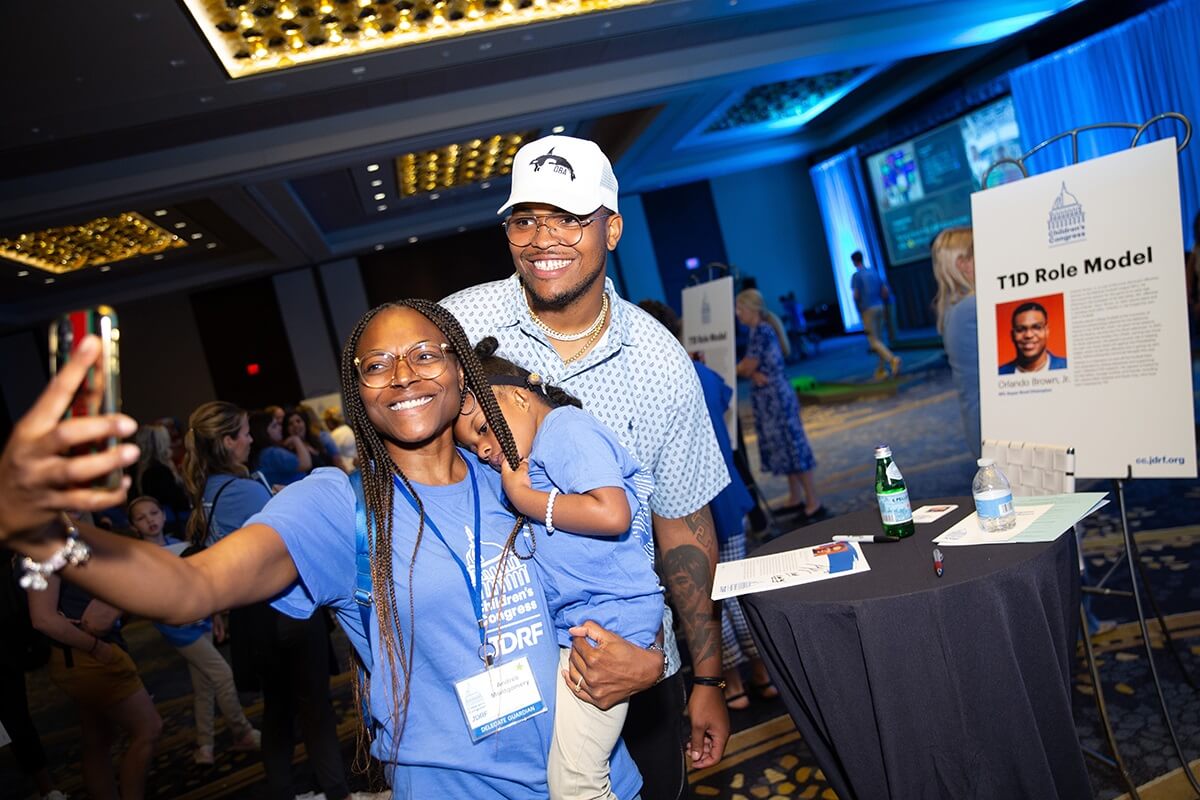
NFL Super Bowl Champion Orlando Brown, Jr., knows all too well how dramatically T1D can impact families, as his late father and his younger brother were both diagnosed with T1D.
In his role as Breakthrough T1D ambassador, the Cincinnati Bengals offensive tackle strives to educate people about T1D and the importance of T1D early detection and research. He also uses his platform to advocate for insulin affordability and policies like the Special Diabetes Program (SDP). Last summer, he was one of 10 Celebrity Role Models at Breakthrough T1D Children’s Congress.
Learn about our program, Breakthrough T1D Early Detection.
“The sudden loss of my father to diabetic ketoacidosis and my younger brother’s type 1 diabetes diagnosis at just 11 years old brought us face-to-face with uncertainty and the stigmas surrounding this condition. However, as we learned about diabetes devices and treatments to help manage the disease, we discovered a renewed sense of peace and hope. With more research, we believe we can ultimately end this disease. Knowledge is power and I’m sharing my family’s story to educate and inspire others who are living with type 1 diabetes.”
Orlando Brown, Jr.
NFL Super Bowl Champion
Breakthrough T1D Ambassador
Breakthrough in progress: stem cell-derived replacement therapies
Cell therapies replace beta cells in the bodies of people with T1D so that they can again produce their own insulin.
Biotech powerhouse Vertex Pharmaceuticals is making major headway in its goal of developing stem cell-derived replacement therapies for T1D. This work being advanced by Vertex has been supported by Breakthrough T1D for decades.
Vertex launched its clinical trial of VX-880, a stem cell-derived islet therapy in T1D for individuals with hypoglycemia unawareness, in combination with immunosuppressive therapy to protect the cells from rejection. Several people who have received VX-880 have been able to stop taking insulin.
This work was pioneered by Doug Melton, Ph.D., whose years of Breakthrough T1D-funded research led to successfully transforming stem cells into beta cells in 2014. A catalytic investment from the T1D Fund in Semma Therapeutics—the biotech company Melton founded to develop a stem cell-derived islet therapy for T1D—was followed years later by Vertex acquiring Semma. Vertex also acquired ViaCyte, which like Semma, had received support from Breakthrough T1D and the T1D Fund for its cell therapies research.
See the timeline of Breakthrough T1D’s support of stem cell-derived islet replacement therapies.
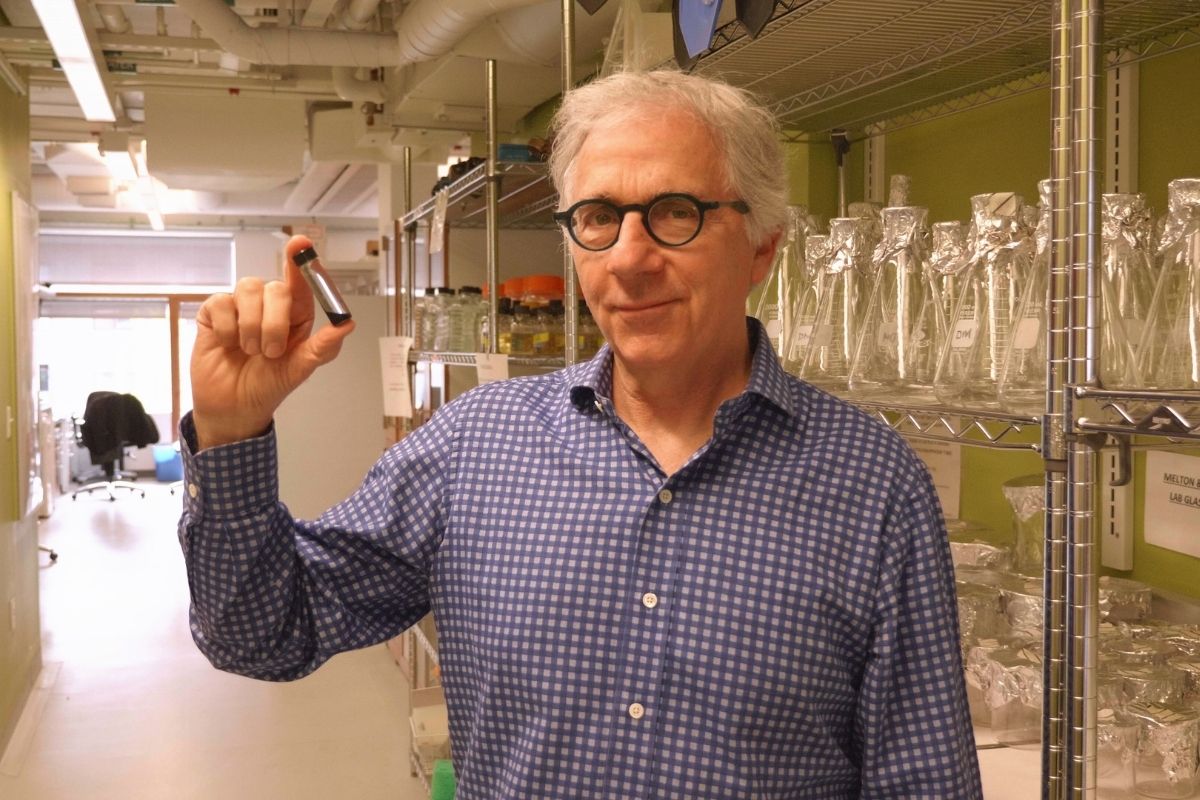
“My lab research has been for more than a decade or two, trying to cure type 1 diabetes. That might sound like an overly ambitious project, but I believe it’s a solvable problem. Our lab worked for years to figure out how to turn stem cells into functional beta cells. We can now make billions of functional beta cells.”
Doug Melton, Ph.D.
Vertex Pharmaceuticals Research Scholar
We are Breakthrough T1D
Breakthrough T1D is knocking on the door of something big. Giant leaps are happening nearly every day. You have gotten us to where we are today—and you can help us get to the finish line faster. So that you, your loved ones, and people everywhere can enjoy a world free from the burden of T1D. A world where people don’t have to manage their diabetes—don’t take insulin, don’t have blood sugar highs and lows, and don’t develop complications. With your ongoing support, we won’t stop until this condition is a thing of the past.
Learn More About Our New Brand.
Learn More About Our Organization.
There’s a new approach to cell therapies for T1D being tested in human clinical trials—and Breakthrough T1D deployed resources in many different ways to support it
Cell therapies are one of Breakthrough T1D’s biggest priority areas. For decades, we’ve funded the best and brightest to pursue the most promising ways to figure out how to place insulin-producing cells inside people and keep them there without the use of immunosuppression.
Eledon, a biotech company developing immunotherapies that modulate the immune response with fewer detrimental side effects, recently announced a new round of funding of approximately $50 million. This includes an investment by the T1D Fund: A Breakthrough T1D Venture—and the research team at University of Chicago Medicine’s Pancreatic and Islet Transplant Program launched a clinical trial in T1D.
Their drug tegoprubart, an anti-CD40L antibody, is currently in clinical trials being evaluated for prevention of rejection in kidney transplantation. Current drug regiments for cellular and organ transplantation have significant side effects, so tegoprubart aims to permit transplanted kidneys to thrive with fewer side effects. So far, a Phase 1b trial is demonstrating tegoprubart prevents kidney transplant rejection while showing a good safety and tolerance profile.
The use of immunosuppressive drugs (e.g., calcineurin inhibitors) leads to an increased risk of infections and malignancies. It also contributes toxicity to the kidneys, nerves, and the islet cells themselves. This is why only people with hypoglycemia unawareness who have had severe hypoglycemic events are eligible to receive islet cell transplants. Novel and more targeted drugs that can inhibit immune responses toward transplanted islets while circumventing these side effects could shift the risk-to-benefit calculation and allow a broader population of patients to access this therapy. Tegoprubart could be one of these drugs.
Breakthrough T1D and the T1D Fund have been in contact with Eledon for several years about the prospect of using this drug with transplanted cadaveric islets. Now, the company has announced a new round of funding—and the first T1D patient has received the therapy in a clinical trial.
If this clinical trial goes well, this therapy has the potential to be used in conjunction with stem cell-derived islets as well, thus eliminating the need for deceased donor islets. While the current study is testing the therapy in established T1D, this therapy also has the potential ability to slow down the progression of T1D in individuals in stage 2 (or earlier) T1D. Breakthrough T1D is working with Eledon to explore all potential uses in T1D.
This trial, which is conducted by the research team at University of Chicago Medicine’s Pancreatic and Islet Transplant Program is being funded by Breakthrough T1D and The Cure Alliance, and would not have been possible without the ongoing support of Breakthrough T1D, the T1D Fund, and the team at The Cure Alliance.
We look forward to seeing results from this clinical trial in the future.
The study is currently recruiting. If you’re interested in enrolling, you can learn about the clinical trial here.
JDRF’s vision is a world without type 1 diabetes (T1D) and in the past fiscal year, through many top type 1 diabetes advances, we’ve made incredible progress toward that goal.
Your support of our efforts is inseparable from the top type 1 diabetes advances we’ve seen in accelerating cures, improving lives, and advocacy wins for people with T1D and their loved ones.
As we approach the end of fiscal year 2023 (FY23), let’s highlight the many top type 1 diabetes advances we’ve seen.
Top Type 1 Diabetes Advance 1: First T1D Disease-Modifying Therapy
In a historic moment for T1D—and one that Breakthrough T1D had a hand in from the beginning, supporting research from the 1980s on—the U.S. Food and Drug Administration (FDA) approved Tzield™ (teplizumab-mzwv) for use in delaying the onset of clinical disease in at-risk individuals aged 8+.
For the first time in history, Tzield will treat the autoimmune process behind T1D, not the symptoms, altering the course of the disease.
Among our top type 1 diabetes advances, this is the first disease-modifying therapy—treatments that can slow, halt, or reverse the course of the disease—for T1D to be approved, but it won’t be the last.
Additionally, months after Tzield’s FDA approval, Sanofi acquired Provention Bio, the manufacturer of Tzield.
The acquisition brings the first T1D disease-modifying therapy available in the U.S. into the portfolio of a global leading pharmaceutical company, representing an endorsement of the potential of these types of therapies and, we hope, the opportunity to bring this life-changing therapy and others in the pipeline to more people faster.
Tzield and breakthroughs like it put us on the pathway to finding cures and, one day, preventing T1D entirely.
Top Type 1 Diabetes Advance 2: A Blood Pressure Drug Preserves Beta Cell Function
A Breakthrough T1D-funded study found that children and teens newly diagnosed with T1D who took verapamil—a drug already approved to treat high blood pressure—were making more insulin one year after diagnosis than those on placebo. In other words, in the children and teens who took verapamil, more beta cells were healthier one year post T1D diagnosis than those in the children and teens who took the placebo.
This was the second trial that found the drug can preserve beta cells in the newly onset period.
Additional studies may be needed to further validate the results, as well as identify all benefits and potential side effects of the drug. Breakthrough T1D has the strategy to answer these and other questions.
The finding brings us closer to our goal of having numerous disease-modifying therapies widely available for people with type 1 diabetes.
Top Type 1 Diabetes Advance 3: Affordable Insulins for Everyone
Breakthrough T1D and partnering organizations are supporting nonprofit pharmaceutical manufacturer Civica Rx to produce biosimilar insulin that will cost no more than $30 a vial/$55 a box of five pens, regardless of insurance status.
One year after the Civica announcement, Eli Lilly, Novo Nordisk, and Sanofi all announced reductions to the prices of their insulins—including the most used insulins, such as Humalog, NovoLog, and Lantus.
Another big win for insulin affordability was the $35 monthly out-of-pocket co-pay cap for those on Medicare included in the Inflation Reduction Act that Breakthrough T1D fought hard to secure.
In April, the Senate Diabetes Caucus Co-Chairs, Jeanne Shaheen (D-NH) and Susan Collins (R-ME), introduced the INSULIN Act of 2023, another key step toward achieving affordable insulin for all who need it.
The bill seeks to limit out-of-pocket insulin costs by ensuring that people with commercial insurance pay no more than $35 or 25 percent of the net price per month for at least one insulin of each type and dosage form, and includes other important provisions to help make insulin more affordable and accessible.
You can contact your members of Congress and encourage them to support the INSULIN Act of 2023.
Top Type 1 Diabetes Advance 4: Turbo Boosting Cell Therapies
Breakthrough T1D is working to develop and deliver life-changing therapies that place healthy, insulin-producing beta cells back into the bodies of people with T1D. There was a lot of progress in FY23.
Vertex, which previously acquired Semma Therapeutics, also acquired ViaCyte, bringing together the leading companies developing stem cell-based therapies for diabetes.
Vertex is advancing a stem cell-derived islet replacement therapy for T1D. It’s in human clinical trials and showing amazing results, with one participant being off insulin entirely.
Vertex also started a trial with a new product using encapsulated stem cell-derived islets as replacement therapy, and is exploring gene-edited stem cell-based therapies—both with the goal of eliminating the need for immunosuppressive drugs.
Just this past April, Aspect Biosystems—an industry leader in 3D bioprinting technology—and Novo Nordisk announced a partnership to expand the development of a new class of treatments for diabetes and obesity, using Aspect’s bioprinting technology and Novo Nordisk’s expertise in stem cell and cell therapy development.
The Aspect-Novo Nordisk partnership’s initial focus will be on developing bioprinted therapies for transplant that would be designed to maintain normal blood-sugar levels without the need for immunosuppression. This could represent a transformative treatment for people living with T1D.
Additionally, the U.S. Food and Drug Administration (FDA) approved CellTrans’s Lantidra™, the first cell therapy to be authorized in the United States, for use in adults unable to approach average blood glucose levels due to current, repeated episodes of severe low blood sugar. This therapy, which requires the use of immunosuppressive drugs, takes deceased donor islets and places them into people with T1D suffering from repeated severe low blood-sugar, called hypoglycemia, events. This is an exciting first.

Approved! Numerous T1D Management Technologies
Breakthrough T1D funds research to facilitate the development of new therapies and technologies to make day-to-day life with T1D easier, safer, and healthier. In the past year, we saw:
Newly-Approved Artificial Pancreas (AP) Systems and Algorithms
- iLet® Insulin-Only Bionic Pancreas System for ages 6+
- Medtronic MiniMed™ 780G AP system for ages 7+
- Tidepool Loop, an algorithm that will allow for interoperability of continuous glucose monitors (CGMs) and insulin pumps
Newly-Approved Continuous Glucose Monitoring (CGM) Systems
- Dexcom G7® CGM system for ages 2+
A New Tool to Accurately Diagnose Type 1 in Adults
Misdiagnosing adults with T1D as having T2D is an all-too-common problem that can have tragic consequences. Breakthrough T1D and IQVIA teamed up to develop an algorithm using artificial intelligence to examine medical records and identify individuals who were diagnosed with T2D but actually have T1D. This could be used in real time to correct misdiagnoses, offering the potential for future development into a clinical decision support tool.
A First-of-its-Kind Lifesaving Tool: The T1D Index
Breakthrough T1D and other T1D-related organizations launched the T1D Index, a first-of-its-kind data simulation tool that offers the most accurate estimate of T1D ever created. The Index measures and maps how many people live with this condition in every country, the healthy years of life it takes from people living with T1D, the number of people who would still be alive today if they hadn’t died prematurely from T1D complications, and our global strategy to reduce the impact of T1D.
Go Forward
Your partnership has been crucial to these advances and many more. On behalf of our community, thank you for moving us forward and ever closer to a world without T1D.
We are excited for the top type 1 diabetes advances that fiscal year 2024 (FY24) will bring!
Read Past Blogs about Top Type 1 Diabetes Advances:
What We Can Be Proud of in 2022
What We Can Be Proud Of in 2020
Top 10 T1D Breakthroughs of 2019
Breakthrough T1D is committed to supporting the development of cell replacement therapies that will one day offer cures for type 1 diabetes (T1D). The first step, initiated more than 60 years ago, is replacing cells that have been lost with donor-derived or renewably sourced cells.
Cell transplantation outcomes to restore glucose control have improved over the years, but currently still require immunosuppressive drugs—medications that keep the immune system from attacking these cells and rejecting the implant. Taking these medications can have detrimental side effects on a person’s organs. The need for chronic use of immunosuppressive drugs has limited transplantation to people with diabetes who have severe, life-threatening unawareness of their low blood sugar, or hypoglycemia.
3D Bioprinting: A Paradigm Shift in Treatment Technology
3D bioprinting employs methods used in traditional 3D printing, except it’s used to combine cells and other biomaterials to fabricate tissues and organs. In 2019, Breakthrough T1D held a workshop to discuss ways that 3D bioprinting could be used to develop cell therapies for T1D and subsequently put out a request for applications for this new and innovative technology.
Enter Aspect Biosystems, an industry leader in 3D bioprinting. Its unique technology allows the combination of multiple different biomaterials in one cell-containing implant. Founded in 2013 and located in Vancouver, Aspect’s technology was a perfect match to support development of an implantable insulin-producing cell therapy for T1D without the need for immune suppression. Breakthrough T1D provided funding for the project in 2022, giving strategic support through its deep expertise and vast network in the diabetes field.
Fast forward to this week: Aspect Biosystems and Novo Nordisk announced a partnership to expand the development a new class of treatments for diabetes and obesity, using Aspect’s bioprinting technology and Novo Nordisk’s expertise in stem cell and cell therapy development.
“With this partnership, we have a leader in the diabetes space, Novo Nordisk, investing in the technology developed by Aspect Biosystems,” said Sanjoy Dutta, Ph.D., Breakthrough T1D Chief Scientific Officer. “We are delighted by this partnership, which helps validate Breakthrough T1D’s focus in this area. This development could be very beneficial for the T1D community, as it is another approach that could make cell therapies an option for more people with type 1 diabetes.”
The Aspect-Novo Nordisk partnership’s initial focus will be on developing bioprinted therapies for transplant that would be designed to maintain normal blood-sugar levels without the need for immunosuppression. This could represent a transformative treatment for people living with T1D.
Stay tuned for more on this breakthrough collaboration.
Photo courtesy Aspect Biosystems
Cell replacement therapies aim to provide insulin on demand from cells implanted in the body, but, today, the shortage of donor beta cells and the need for chronic immunosuppression limit its widespread clinical adoption.
Breakthrough T1D is funding researchers around the world working on every aspect of cell replacement technologies to make them a reality—a cure—for type 1 diabetes (T1D). There’s a lot to figure out an many obstacles to overcome until these therapies realize their potential. These include:
- Cell Supply: How do we make enough cells for everyone who needs them? Do we use a renewable beta cell source from stem cells or animal models?
- Immunoprotection: How do we protect the cells from the hostile environment in the body once they are transplanted—and where is the best place for them to be transplanted?
- Oxygen and Other Nutrients: How do the transplanted cells get the resources they need to survive while keeping the immune system out?
Several approaches, however, are aiming to make these obstacles a thing of the past. Read more below.
Blood vessel growth + Local immunosuppression = A win for islet cell therapy
A way to combine islets—the group of pancreatic cells that produce insulin and glucagon—with blood vessels before transplantation would give them a virtually infinite supply of oxygen and nutrients, but it exposes the islets to the immune system, requiring systemic immunosuppression to prevent rejection. A novel encapsulation approach that integrates blood vessel growth for islets with effective immune evasion to prevent rejection could work.
Encapsulation: An advanced form of transplantation where a material is designed to keep cells protected from immune attack, while letting insulin out and letting oxygen and other nutrients in.
Enter the NICHE. It stands for Neovascularized Implantable Cell Homing and Encapsulation device. It is a quarter-sized device with two reservoirs—one for islets which have undergone the process of developing blood vessels and one for local immunosuppressant delivery—for the transplantation of islets to treat T1D. It is the first platform that integrates both blood vessel growth plus local immunosuppression into a single, implantable device.
In animal models, this device restored healthy glucose levels and eliminated T1D symptoms for more than 150 days while avoiding the adverse effects of anti-rejection therapy by administering immunosuppressive drugs only where the transplanted islet cells were located.
The results pave a path for the continued translational development of the NICHE technology, which has the potential to transform the field of islet transplantation.
Engineering a pancreas-like organ for transplantation
An unlimited source of less immunogenic islets? Check. Blood vessel growth prior to transplantation? Check. A novel scaffold to put these into? Check.
What does this mean?
You have an immune-protected, functional pancreatic organ—the first bioengineered device aimed to treat T1D.
What’s more? Results showed immediate function upon transplantation, preserving normal blood-sugar levels for up to 18 weeks.
Eventually, with further testing, this could be the next phase of cell replacement therapy, overcoming the current limitations in islet transplantation to generate a bioengineered device for the treatment of T1D.
Transplantation without the need for any immunosuppression
Vertex Pharmaceuticals—which acquired Semma Therapeutics in 2019 and ViaCyte in 2022, both of which had Breakthrough T1D or Breakthrough T1D T1D Fund support, with the goal of developing stem cell-derived replacement therapies for T1D—has a new first: No immunosuppression.
VX-264 takes the stem cell-derived therapy VX-880—which is being used to try to restore the body’s ability to produce insulin combined with immunosuppression—and encapsulates it with an immunoprotected device. The trial will begin to recruit later this year.
In Vertex’s phase I/II clinical trial, the first person to receive VX-880 is 100% insulin independent 270 days after receiving the therapy.
“Advancing research in cell replacement is a core pillar of Breakthrough T1D’s research strategy and we have been a significant supporter of these and other promising approaches,” said Jaime Giraldo, Ph.D., Associate Director of Research at Breakthrough T1D. “There is a revolution in cell therapy technologies and approaches, which will bring us one day to finding cures for type 1 diabetes.”
To one day cure type 1 diabetes (T1D), we must halt the destruction of beta cells that produce insulin. A new Breakthrough T1D-funded study suggests a potential path to keeping beta cells healthier for longer—meaning their body will still make insulin for more time, known as the “honeymoon” phase—for newly diagnosed youth.
The clinical trial looked at whether the effects of a hybrid closed loop system (also known as an artificial pancreas system or automated insulin delivery system) and/or verapamil preserved beta cell function one year after diagnosis in children and teens with T1D.
The study found that newly diagnosed individuals on verapamil were making more insulin one year after diagnosis than those on placebo, with the average C-peptide, which is used to measure insulin, being 30% higher for the verapamil group compared to placebo. HbA1c was 6.6% in the verapamil group versus 6.9% in the placebo group, at one year. (There was no change, however, in the hybrid closed loop system arm.)
“Safe, effective therapies are urgently needed to delay disease progression in people recently diagnosed with type 1 diabetes, an area of high priority for Breakthrough T1D,” said Sanjoy Dutta, Ph.D., Breakthrough T1D chief scientific officer. “The CLVer study is the second trial showing that verapamil, an inexpensive and widely used blood pressure medication, can preserve beta cells in the new onset period, making us one step closer to our goal of having disease-modifying therapies widely available for people with type 1 diabetes.”
But you don’t have to rely on what the blog said; from the clinical study authors: “oral verapamil was well-tolerated and slowed the rate of beta cell decline in youth with newly-diagnosed type 1 diabetes….In view of the favorable safety profile…once-a-day oral administration, and low cost, initiation of verapamil therapy should be considered for newly-diagnosed type 1 diabetes.”
What Does It Mean for the T1D Community?
Today, verapamil is not an approved therapy for newly diagnosed people with T1D, and it will not be in the very near future. There are additional studies that may need to be conducted to validate the results and learn so that all the benefits of the drug are known, as well as all of the potential side effects. Breakthrough T1D has a strategic road map to answer all these questions. These include:
- What are the long-term effects of the drug?
- Does the preserved beta cell function last?
- Can this drug help people in stage 2 T1D?
There’s a lot more we must learn!
What Comes Next?
Breakthrough T1D will gather longer-term evidence of verapamil’s effectiveness, while in the near term sharing these data with the clinical community and other health care leaders to facilitate future access:
- Breakthrough T1D has a grant for a follow-up study for three years to see if C-peptide benefits persist
- Breakthrough T1D is funding several clinical trials to validate the results of this study and see if verapamil is effective when used in conjunction with other disease-modifying therapies, such as Tzield™ (teplizumab-mzwv)
