
What’s Happening?
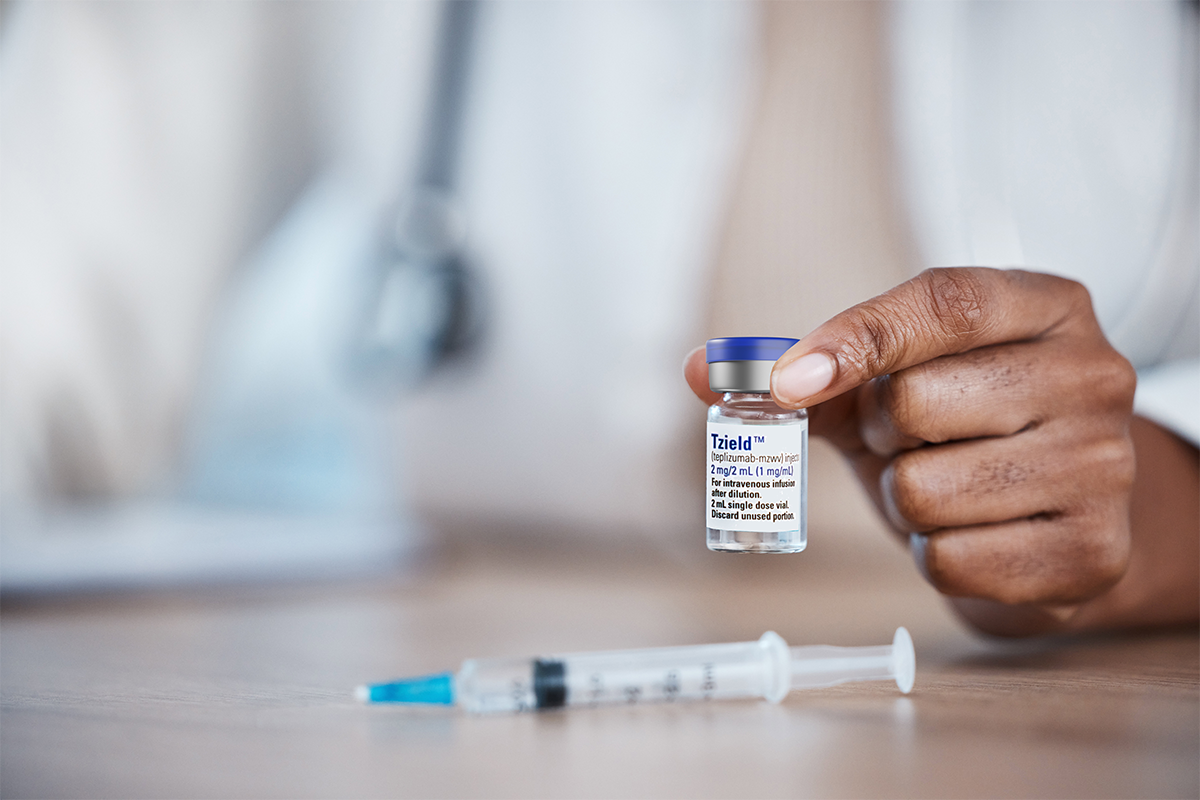
In an exciting update for the type 1 diabetes (T1D) community, Tzield—the first disease-modifying therapy approved by the FDA to delay progression of stage 2 T1D—has now been approved by the FDA for use in stage 3 T1D. People aged 8-17 with stage 3 T1D will soon be able to get Tzield in clinics (with a prescription) if they have been diagnosed within the last 8 weeks. This makes it the first disease-modifying therapy approved for individuals in stage 3 T1D.
Breakthrough T1D thanks the FDA for recognizing the urgent need for disease-modifying therapies in T1D and for advancing access to Tzield for individuals with stage 3 T1D through a complete and rigorous review of the data and Sanofi for their commitment to the T1D community.
How Did This Happen?
Regulators at the FDA thoroughly reviewed data from the PROTECT clinical trial to support Tzield’s approval. The PROTECT study demonstrated that Tzield could safely and effectively preserve insulin-producing beta cells in newly diagnosed children and adolescents with stage 3 T1D. Clinical data shows that individuals with more beta cell function also have better diabetes-related outcomes, like improved HbA1c, more time in range, less hypoglycemia, and less insulin use.
Tzield was approved through FDA’s accelerated approval pathway, demonstrating FDA’s recognition of the urgent needs faced by those living with T1D. This means that based on the available data, the FDA has determined the drug is safe and reasonably likely to provide a clinical benefit and can be available while an additional clinical study happens. Based on the experience with Tzield in stage 2 and the robust evidence in stage 3, input from an external advisory committee was not needed.
Tzield is the first drug approved for stage 3 T1D—a major milestone for the field. Many disease-modifying therapies for stage 3 T1D are currently in clinical trials and at various stages of the drug development pipeline. This also marks the first time a disease-modifying therapy has been granted approval based on C-peptide, a marker of beta cell function. Breakthrough T1D has supported efforts to advance C-peptide as a clinical trial endpoint for nearly 10 years.

The Importance of Beta Cells
Beta cells are the cells in the pancreas that make insulin. In people with T1D, these vital cells are destroyed by the immune system. Thanks to years of research, including many studies funded by Breakthrough T1D, there is a significant amount of evidence showing that there are meaningful benefits to preserving beta cell function in people with T1D who are already using insulin. These include reduced hypoglycemic events, less insulin, reduced burden of care, and improved HbA1c. Learn more about C-peptide and the benefits of preserving beta cell function.
Tzield is Addressing an Unmet Need
Tzield was granted accelerated approval because FDA recognizes there is a large unmet need in the T1D population—and the potential for Tzield to help meet these needs.
In 2022, Sanofi’s Tzield also became the first disease-modifying therapy approved to delay the onset of stage 3 T1D in people with stage 2 T1D. Tzield, which has been supported by Breakthrough T1D for decades, has been a game changer in T1D as it’s the first therapy for this disease that addresses the root cause of T1D, not the symptoms. It targets the T cells that are responsible for destroying insulin-producing beta cells, slowing down the autoimmune processes that cause T1D. In people with stage 2 who receive Tzield, a stage 3 diagnosis is delayed by an average of 2 years. In April 2026, FDA expanded Tzield’s indication in stage 2 to include children as young as 1 year of age and older.
The vast majority of people in stage 2 don’t even know they have early T1D because there are no external symptoms. The only way to know is to get screened for risk markers of T1D. While the number of individuals screened for T1D has dramatically risen in recent years, most people progress to stage 3 before they have the chance to reap the benefit of Tzield delaying onset. Now that Tzield is approved for stage 3 T1D, people will have more opportunities to preserve insulin-producing beta cells, even if they didn’t identify their T1D early.

“The approval of Tzield for individuals ages 8-17 with stage 3 type 1 diabetes is an exciting milestone that reinforces the importance of beta cell preservation and provides an opportunity to change the course of the disease for those living with T1D,” said Aaron J. Kowalski, Ph.D., Breakthrough T1D CEO. “For the first time, individuals diagnosed with type 1 diabetes in stage 3 will have the option to treat the disease rather than just the symptoms. Breakthrough T1D thanks the FDA for recognizing the urgent unmet need in T1D and granting Tzield accelerated approval in the U.S. We are also grateful for Sanofi’s continued study of Tzield, and we look forward to the results of the confirmatory clinical research.”
What Happens Next?
Sanofi is conducting a new clinical trial, called BETA PRESERVE, to support full approval of Tzield for stage 3 T1D. This study will provide additional safety and efficacy data from children and adults with T1D up to 25 years old with stage 3 T1D treated with Tzield or placebo.
There are two primary endpoints: HbA1c levels and days without mealtime insulin. If you or anyone you know may be interested in participating, contact a study site near you to learn more and see if you are eligible.
The Bottom Line
For the first time, individuals diagnosed with T1D have a therapy option besides insulin that addresses the root cause of the disease. This is a historic first, modifying the course of T1D and allowing people to benefit from preserved beta cell function, as the PROTECT study has demonstrated.
This is incredibly exciting, but we are not done. We will continue to work to ensure individuals in stage 3 T1D all over the world, not just the U.S., have access to more therapies to help them do better.
Breakthrough T1D has been supporting the evolution of Tzield for decades, and we support its use in stage 3 T1D. We thank the FDA for recognizing the urgent unmet needs in T1D, and we are grateful to Sanofi for their continued research. Read more about the journey of Tzield from the lab and into clinics (written by Breakthrough T1D supporter Doug Lowenstein).
