
Islet cell therapies for type 1 diabetes (T1D) are in the works. In clinical trials, people are coming off external insulin—and experiencing healthy blood sugar levels. Researchers and clinicians are working hard behind the scenes to advance next-generation manufactured islet cell therapies as scalable cures. The momentum is real—and it’s more important than ever to double down, bring all the key players together, and make them a reality.
First- Versus Next-Generation Islet Cell Therapies
First-generation islet cell therapies, including those in clinical trials today, are limited to people with severe hypoglycemic events and hypoglycemia unawareness. Next-generation islet cell therapies, including manufactured versions that can be made at large scale, will, ideally, be open to expanded populations. The future we’re working toward is one where everyone with T1D who wants an islet cell therapy can get one.
The Workshop: Bringing Together Key Voices
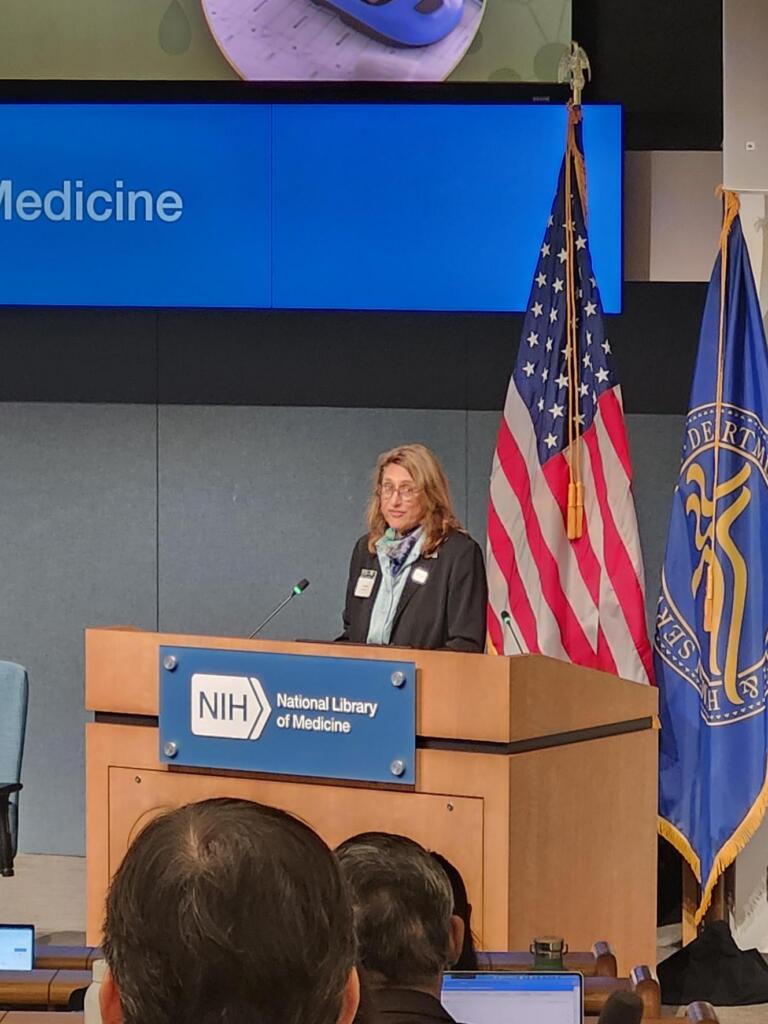
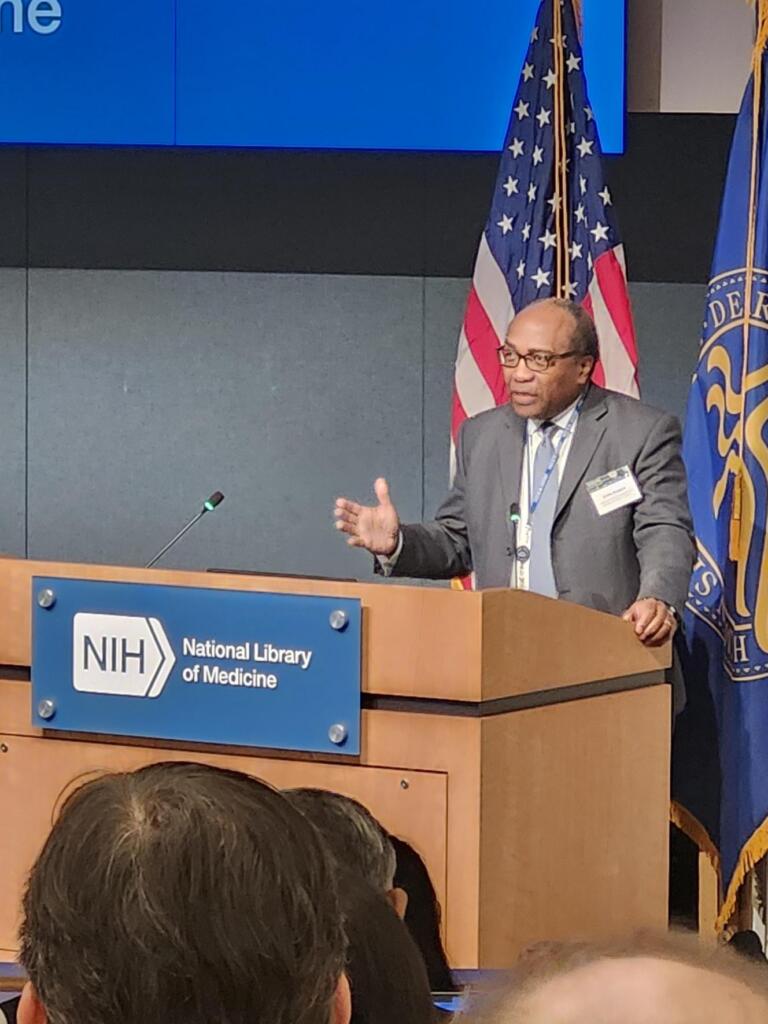
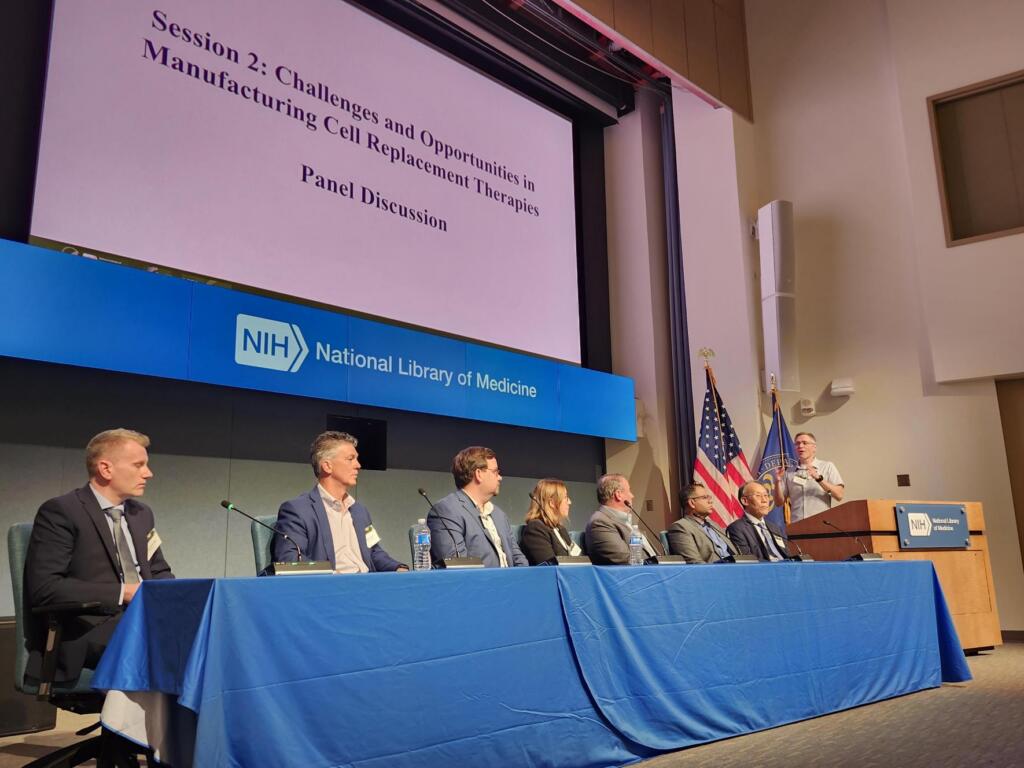
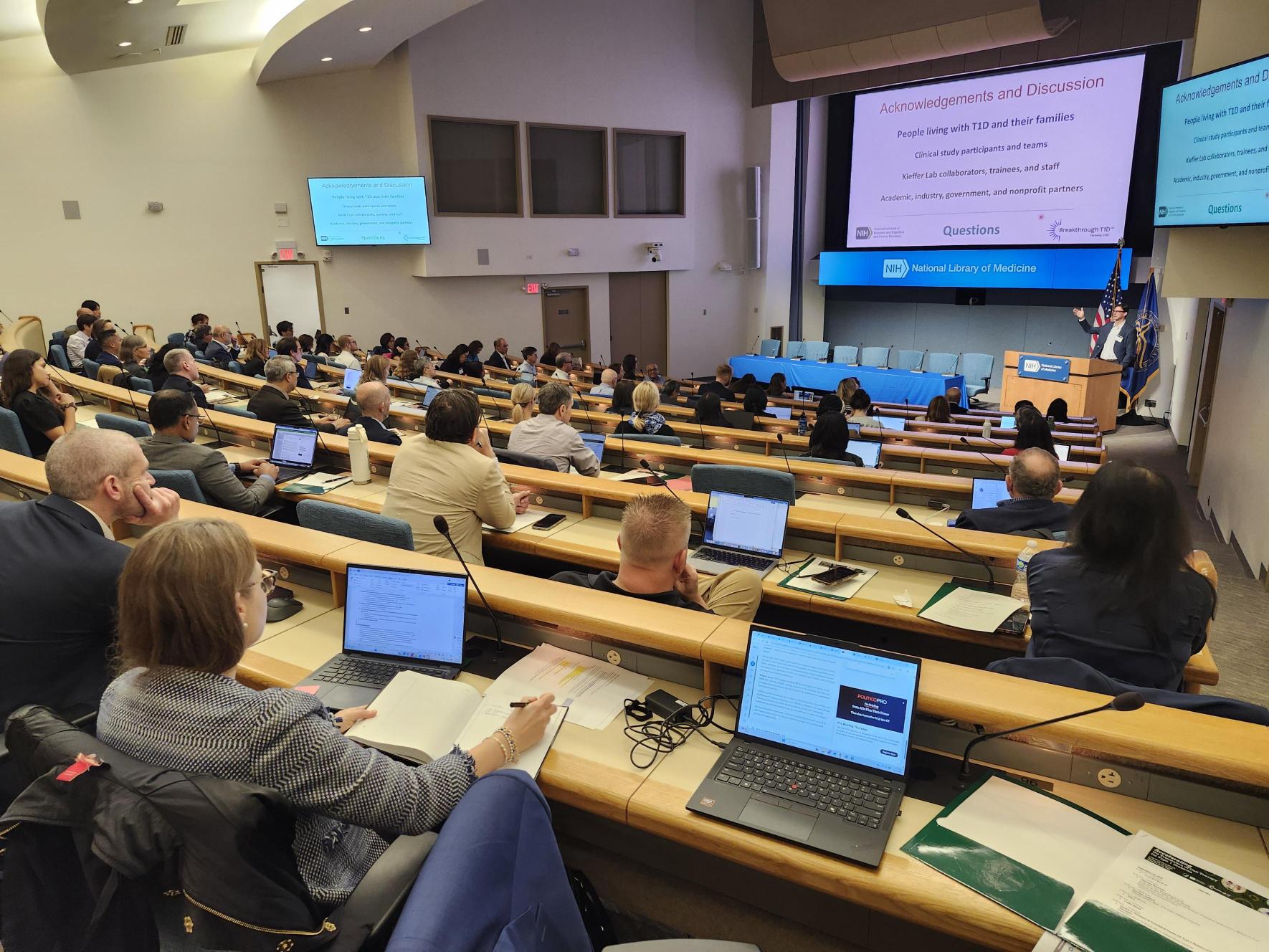
To keep the momentum going, Breakthrough T1D co-hosted a public workshop with the National Institute of Diabetes and Digestive and Kidney Diseases (NIDDK) titled “Accelerating the Translation of Cell Therapy for Type 1 Diabetes.” This workshop convened researchers, clinicians, industry leaders, representatives from the U.S. Food and Drug Administration (FDA), individuals with T1D, and more to discuss best practices and recommendations for accelerating islet cell therapies for the T1D community as newer generations become available.
The planning committee included several Breakthrough T1D staff:
- Esther Latres, Ph.D. (Senior Vice President, Research)
- Nicholas Mamrak, Ph.D. (Senior Scientist, Research)
- Marjana Marinac, Pharm.D. (Associate Vice President, Regulatory Affairs)
- Chanel Press, Ph.D. (Director, Regulatory Affairs)
- Brianna Greeno (Senior Manager, Regulatory Affairs)
Key Takeaways
- Preclinical studies must be thoughtfully designed to ensure these novel islet cell therapies can be tested in human clinical trials.
- From the very beginning of their experiments, researchers must consider manufacturing requirements for nonclinical and clinical studies to effectively translate islet cell therapies to large scale.
- Real-life T1D experiences must be integrated into study designs and decision-making around next-generation islet cell therapies to ensure they create meaningful improvements to life with T1D and that the community is educated on them and is interested.
- Artificial intelligence (AI) is safely being applied to several different aspects of the islet cell therapy workflow, from forecasting responses to transplants, to optimizing manufacturing, to engineering cells.
The Conversation: Advancing Islet Cell Therapies from the Lab to Humans
The workshop broadly focused on considerations for advancing manufactured islet cell therapies, including lab-based work, large-scale manufacturing, and clinical trial design. Read on to learn more about the discussion around each topic.
Nonclinical studies gather evidence showing that new therapies are likely to work and be safe in people before moving to clinical trials. Choosing the best experimental design is key for accurate, reliable, and reproducible data, which includes identifying the right T1D model and data collection method to answer the question at hand. Presenters also shared data around islet cell source, survival, and immune protection from ongoing preclinical projects.
Large-scale manufacturing is critical to make sure there are enough islets for everyone with T1D who wants them. There are several FDA manufacturing requirements that need to be met for scalable islet cell therapies to move from preclinical studies to first-in-human studies, and these requirements change as the studies get bigger. Presenters dove into considerations for islet manufacturing in academic versus industry settings and how each is helping us learn about the optimal ways to produce lots of consistent and reliable islets at once—which is really hard to do!
We know from previous and ongoing studies that islet cell therapies work—people are reducing or eliminating their need for injected insulin. We also know that for many people with T1D, the benefits of getting an islet cell transplant outweigh the risks associated with long-term immunosuppression. Presenters considered what future clinical trials should look like: how to expand inclusion criteria, define meaningful endpoints, and educate the T1D and healthcare community to drive referrals and participation. Researchers must carefully consider manufacturing, safety, and efficacy considerations to ensure that trial designs meet requirements defined by regulators to clear a path for approval of next-generation therapies.
Researchers are taking advantage of AI and applying it to different aspects of the islet cell therapy workflow, including individually forecasting blood sugar responses one-year post-transplant to help guide informed decision-making. Researchers are also using AI to optimize islet manufacturing, from predicting how islet cells will fare under certain conditions to analyzing data and modifying processes. AI can help design novel therapies on a cellular level, meaning “smart” islet cells that could sense immune attack and deploy immune-protective measures in a targeted way.
Several members of the T1D community shared powerful stories around their lived experiences with the condition. Some panelists have lived with T1D for decades and are seeing their children go through the same thing, while others have received successful (or unsuccessful) islet cell transplants. The group covered a range of topics: day-to-day burdens, technology, experiences with immunosuppression, and how islet transplants changed their lives (with one person noting that still needing one insulin injection per day post-transplant is a dramatically positive outcome). Ensuring the voices of the T1D community are heard by people in the field driving islet cell therapies forward is key to thoughtful person-centered research and design.
Learn more about how our Participant Advisory Council uses their voices to guide clinical trials.
Why this Matters
Islet cell therapy science is advancing on three fronts at once: nonclinical research in the lab, clinical trials in humans, and large-scale manufacturing. While researchers, scientists, and clinicians are working hard pushing these efforts forward, Breakthrough T1D is helping to keep the conversation open around what’s working, how to overcome challenges, how to engage with regulators, and new partnerships and collaborations. Even more, keeping the voices of people with T1D in the mix is key to advancing islet cell therapies in a way that’s meaningful for our community. Breakthrough T1D thanks the NIDDK for co-hosting a successful event and all presenters, panelists, and attendees for contributing to critical conversations that will ultimately help accelerate next-generation islet cell therapies for type 1 diabetes.
Finerenone is the First Therapy Approved in 30 Years for Kidney Disease and T1D
Today, the U.S. Food and Drug Administration (FDA) approved finerenone (brand name Kerendia) to reduce urinary albumin-to-creatinine ratio (UACR) in adults with chronic kidney disease (CKD) associated with type 1 diabetes (T1D). UACR is a measure of kidney damage, and reducing it is expected to slow kidney disease progression in adults with CKD and T1D. This is a major win for the T1D community—finerenone is the first therapeutic advance in 30 years for people living with the burden of T1D and kidney disease.

Finerenone
Finerenone is a once-daily pill that has been approved since 2021 for the treatment of CKD in type 2 diabetes and, since July 2025, for certain adults with heart failure. In CKD, the hormone aldolsterone is overactive, leading to kidney damage. Finerenone blocks this hormone’s activity to protect the kidneys from further damage.
Data from the FINE-ONE Study that Led to this Approval
Bayer’s global, phase 3 FINE-ONE clinical trial investigated the use of finerenone in people with CKD associated with T1D. This trial achieved its primary outcome: finerenone significantly reduced UACR—a measure of kidney damage—compared to placebo.
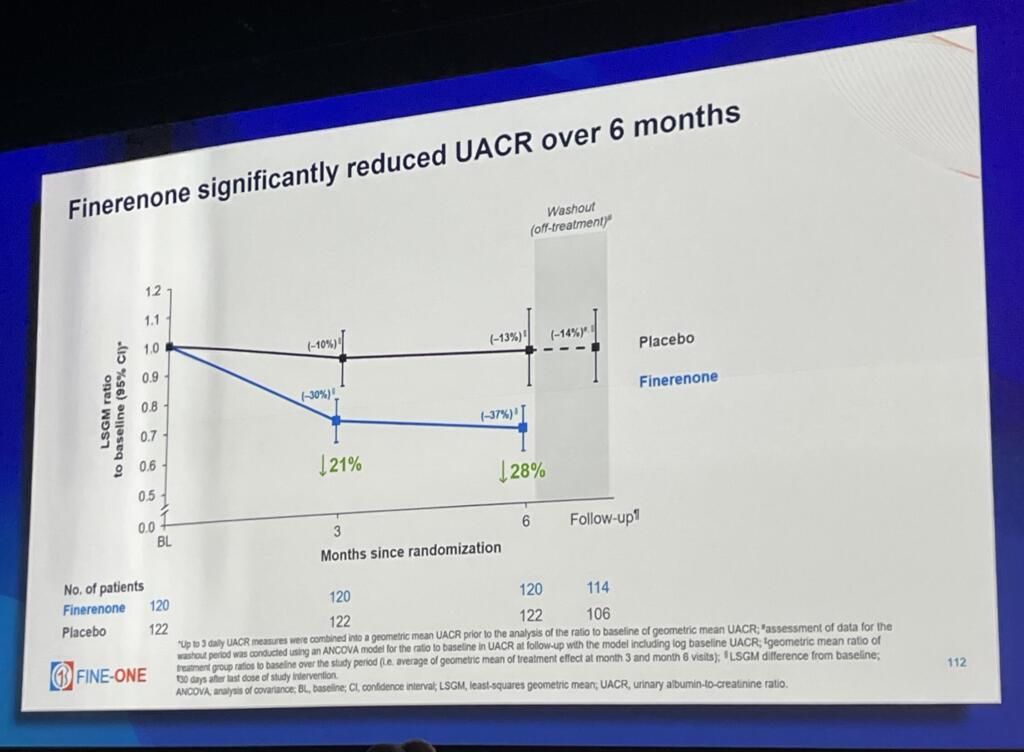
So, what does this mean? Previous clinical trials with people who have type 2 diabetes and CKD have shown that reductions in UACR from finerenone are associated with positive long-term health outcomes. In people with T1D, reductions in UACR caused by finerenone are likely indicative of lower risk of kidney disease progression, kidney failure, and cardiovascular events. These data were published in The New England Journal of Medicine.
Finerenone was well-tolerated, with no new safety issues reported and few serious adverse events. Based on these results, Bayer submitted the data for regulatory review, with the goal of expanding finerenone’s indication to include treatment of CKD in people living with T1D. Finerenone’s approval represents an incredible step forward for people living with the burden of both kidney disease and T1D.
A Win for T1D and Kidney Disease
CKD is one of the most common complications of T1D. Nearly a third of people living with T1D will develop CKD, increasing the risk of both kidney failure and cardiovascular disease. Right now, the treatment options for people with T1D and CKD are limited—and there is a major need for therapies that can address this.
Finerenone is the first therapy in three decades to achieve positive outcomes for CKD in people with T1D. This is a huge step forward in the right direction, and this exciting data has the potential to transform the lives of people living with T1D with CKD now that finerenone is approved for this population.
The Bigger Picture
Breakthrough T1D strategically collaborated with Bayer to support the FINE-ONE clinical trial, and we are committed to further collaboration with Bayer to advance therapies for people with T1D. Working together with Bayer and other companies will allow us to deliver more treatments to people with T1D to address complications like kidney disease.
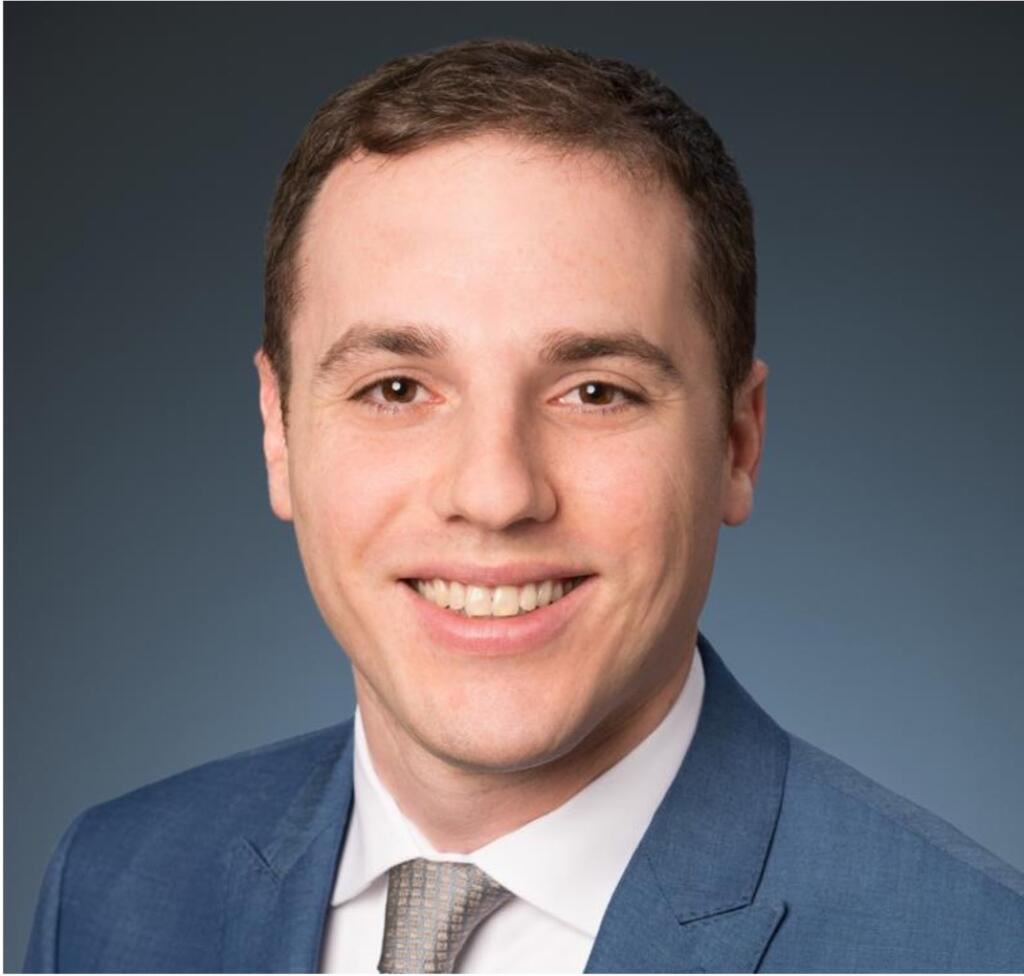
“Today, there are few treatments available for chronic kidney disease, a common complication of type 1 diabetes. The approval of finerenone (brand name Kerendia) is a huge win for the T1D community. Breakthrough T1D thanks the FDA for its review and approval and Bayer for their commitment to giving people with T1D a new therapeutic option for chronic kidney disease.”
Jonathan Rosen, Ph.D., Research Director at Breakthrough T1D
As a part of our Improving Lives portfolio, we aim to identify and support treatments and therapies that can address complications that arise from T1D, like CKD. The approval of finerenone opens the door for more treatments to come that could transform the landscape of available therapies for people with T1D, and industry investment in this space helps drive progress forward faster than ever. The T1D community needs more options, and our strategic industry partnerships will help make this possible.
Breakthrough T1D thanks the FDA for approving finerenone and Bayer for their commitment to improving the lives of people living with CKD associated with T1D.
New Publication Alert!
Breakthrough T1D spearheaded a paper titled “International consensus guidance for general population screening for islet autoantibodies to diagnose early-stage type 1 diabetes” that was published in Diabetologia. This is an important step toward integrating general population screening for type 1 diabetes (T1D) into clinical practice globally. Read on to learn more about why this is important, what experts think this should look like, and what it means for you and your family.
Early Detection, Screening, and Islet Autoantibodies
Early detection of T1D means detecting the disease before symptoms appear or insulin therapy is needed. This is done through screening blood samples to detect the presence of islet autoantibodies, which signal that the body’s immune system is attacking insulin-producing cells. If a person has two or more persistent autoantibodies, they are in stage 1 or 2 T1D, and it’s very likely they’ll develop clinical, stage 3 T1D.

Making the Case for General Population T1D Screening
In 2024, Breakthrough T1D led the way with the publication of Consensus Guidance for Monitoring Persons with Islet Autoantibody-Positive Pre-Stage 3 Type 1 Diabetes, which lays out what clinicians should do when T1D autoantibodies are detected. But it does not touch on the bigger question: who should get screened?
There is an urgent need for population-level screening because:
- Global T1D incidence is increasing.
- Early detection has substantial benefits.
- Most T1D diagnoses occur in people without any family history of the disease.
- Evidence from ongoing, large-scale studies around the globe has shown that we have a screening method that works.
Benefits of Early Detection
- Reduced risk of diabetic ketoacidosis (DKA) at diagnosis
- Option to intervene with the approved therapy Tzield (teplizumab)
- Increased eligibility for participating in disease-modifying therapy (DMT) clinical trials
- Increased early control of hyperglycemia that can reduce the risk of complications
- Time to plan, prepare, and empower educated decision-making
Breakthrough T1D convened a group of nearly 30 international experts to establish consensus that can act as a clinical roadmap to make general population screening a reality.
Key Recommendations for Clinical Adoption of General Population T1D Screening
So, who should get screened? Experts recommend that T1D screening begin in young children aged 2-4 years, with rescreening of children who test negative at ages 4-6 years and again at 10-15 years, aligned with other preventative healthcare visits. Every initial screening result should be confirmed with another test before diagnosis.
This may seem simple enough, but integrating screening into established clinical workflows will require collective effort. Healthcare systems must be fully prepared to deliver the entire screening, monitoring, and referral pathway before widespread integration. Policy and infrastructure must be in place, including established processes for confirming test results, education and monitoring of people with early-stage T1D, and referring people to specialists. In addition, healthcare professionals (HCPs) will need to effectively communicate with and provide psychosocial support to families at every step of the screening process.
The bottom line is that integrating general population T1D screening into clinics will require extensive cooperation across diverse medical settings to become a reality. But the payoff is clear: combined with Tzield and other emerging DMTs, general population screening should open the door to delaying—and eventually preventing—the onset of clinical, stage 3 T1D.
What this Means for You and Your Family
Right now, children and adults with or without a family history of T1D can participate in screening through free, research-based programs like TrialNet and ASK. Screening can be done in-person at certain locations, or screening kits can be sent straight to your home.
Based on the consensus guidance, families may consider starting to screen their children as early as ages 2-4. If the screening test detects autoantibodies, there are now concrete next steps that families can discuss with their physicians. You don’t have to wait until general population screening is integrated into clinics to take advantage of it.
Screening and Early Detection are Key to Breakthrough T1D’s Mission
General population T1D screening is a key part of our mission strategy, and more people screening means more people experiencing the benefits of early detection. To screen as many people as possible, clinicians need guidance—and this publication provides just that. We now have concrete recommendations for who to screen for T1D and when. Even more, this consensus has been signed off by almost every single one of our peer institutions, amounting to 20 global diabetes societies and organizations.
This publication is bringing conversations around general population T1D screening to the forefront. Breakthrough T1D is committed to expanding T1D early detection on a global scale, and widespread screening is one of our top priorities. We are mobilizing our resources, knowledge, and partnerships to make this a reality sooner so that more families around the world can benefit.
This article was written by Francine Maloney, MPH (Director, Implementation and Director, U.S. Coalition for Early T1D Action) and Umila Singh, MFA (Design Specialist, Innovation) from Ariadne Labs at Brigham and Women’s Hospital and Harvard T.H. Chan School of Public Health. The U.S. Coalition for Early T1D Action has utilized our Participant Advisory Council (PAC) to better understand the lived experience of early-stage T1D screening and monitoring. This article explores how the voices of the PAC inform the work of Ariadne Labs. The views expressed by the authors are their own and are not necessarily representative of Breakthrough T1D or our leadership, employees, or supporters.
Many parents of children with type 1 diabetes (T1D) know the diagnosis story all too well. Your child is constantly thirsty. They’re not feeling well. Something seems off. Suddenly, you’re in a hospital, and they’re in diabetic ketoacidosis (DKA). You’re thrust into an unfamiliar world of 24/7 monitoring, managing blood sugars, and adopting a whole new way of living while trying to give your child some semblance of “normal.”
Islet autoantibody screening for type 1 diabetes offers a chance to change this story. When parents and clinicians know which children are at higher risk of developing T1D, they can work together to catch the signs and symptoms of T1D onset, reduce the potential for serious complications, and be more prepared to effectively manage the condition if symptoms do appear. But even though this screening exists, families may not be aware of how they can access screening and the potential benefits.
A Coalition for Change
Ariadne Labs, a joint center for health systems innovation at Brigham and Women’s Hospital and the Harvard T.H. Chan School of Public Health, convened the U.S. Coalition for Early T1D Action with the goal of developing actionable pathways and resources to expand access to screening to more children in primary care. This Coalition brings together 25 multidisciplinary stakeholders, including clinicians, researchers, advocates, policymakers, and families impacted by T1D.
As we launched our work to explore opportunities to expand screening, we knew that parents’ voices needed to guide our work. Their insights would be essential to creating tools that genuinely support families as they consider screening and navigate the steps that follow.
Centering the Parent Voice
We set out to gain a deeper understanding of what parents actually experience during early-stage T1D screening and monitoring. Through conversations with clinical colleagues, we were introduced to Breakthrough T1D’s Participant Advisory Council (PAC), which included parents who had personally navigated the process of screening and monitoring their children for T1D. We invited them to participate in early interviews to advise on the tools and resources that parents would need to navigate the screening process with their children. Their firsthand perspectives, shared candidly and in detail, were exactly what we needed as we began mapping out our ideas and resource concepts.
Throughout our process, we’ve relied heavily on the PAC members to describe their experiences. For example, one parent shared confusion in the results letter they received after screening. Their child had no antibodies, but they weren’t sure what that meant or what, if anything, should happen next. Their experience revealed an important gap between how screening information is delivered and how families actually understand it. This underscored a need to communicate results in a way that aligns with families’ real questions and concerns. The content, clarity, and delivery of the message deeply shaped this family’s experience. As the parent put it, “information can be transformative and helpful,” and it’s critical for that information to be tailored to support the people who need it most.
Expanding Family Engagement
After formally launching the Coalition at an in-person meeting in April 2025, we continued to expand our family and parent engagement. We included more parents with a broad range of experiences, including not just those whose children had been screened or diagnosed, but also those whose family history puts their children at greater risk for T1D but chose not to screen and those who are largely unfamiliar with T1D altogether. By bringing together such a broad parent community, we’ve been able to tailor our pathways and educational materials to be relevant, clear, and supportive for all families, regardless of where they are in the screening process.
Beyond ensuring our resources could resonate among parents with a wide range of experiences, our parent involvement had another unexpected benefit: clinicians gravitated more to the resources initially developed for families over the more clinically-focused tools. The clear language, step-by-step instructions, and approachable format helped healthcare clinicians communicate more effectively with parents to develop a shared understanding.
Why Lived Experience Matters

Direct engagement with families shaped our understanding of what matters most in T1D risk screening, diagnosis, and early care. Parents shared with us a strong desire to improve the process for others, whether or not their own children had been screened. By sharing their experiences, concerns, and hopes, they steered our work toward solutions that address both technical and emotional needs. Without this input, we risk missing the mark on creating something that families and clinicians find useful. Our approach recognizes parents and people with T1D as true partners in co-creating better care.
This work has shown that building tools around the lived experience of those affected leads to more effective, compassionate solutions that help families, clinicians, and systems alike. We strongly recommend including the PAC or local family voices in any T1D-related research or improvement initiative, from start to finish.
If you or someone you know may be interested in joining the Participant Advisory Council, please reach out to Michelle Simes-Kennedy at [email protected].
Learn More About Early Detection and Screening
Visit Breakthrough T1D’s Early Detection and Screening webpage to learn more about how screening for T1D works, the importance of detecting T1D early, and options for you and your family to get screened.
What’s Happening?
A new publication in The New England Journal of Medicine provides more detail about the first person with type 1 diabetes (T1D) treated with Sana Biotechnology’s gene-edited islets. This person is still making insulin 14+ months after their islet transplant—without immunosuppressants!
What to Know About Sana’s Gene-Edited Islets
Sana’s novel cell therapy approach is designed to help transplanted islet cells evade immune attack while continuing to produce insulin. The strategy uses gene editing to create hypoimmune islet cells, which are cells engineered to avoid detection by the immune system while maintaining their insulin-producing function. This approach is one of several next-generation cell therapy strategies being prioritized by Breakthrough T1D to help overcome one of the biggest barriers to cell replacement therapies: immune rejection.
In this first-in-human study, deceased-donor islets were genetically modified to become immune-evasive and then transplanted into the forearm. Because this is a phase 1 trial, the primary goal is to assess safety, while also monitoring islet function through C-peptide, a marker of the body’s own insulin production.
Importantly, the transplant included only about 5% of the number of cells typically needed to fully restore insulin production, reflecting the exploratory nature of the study.
The Results So Far
The results so far are encouraging. After 60 weeks, there have been no severe adverse events, meeting the trial’s primary safety endpoint. At 14 months after transplantation, the participant continued to produce detectable C-peptide, indicating that the transplanted cells remained alive and functional. The islet cells were also visible in the participant through PET and MRI imaging.
Researchers also observed that C-peptide levels temporarily declined after about one year, likely due to beta cell exhaustion, but subsequently recovered. This is an encouraging signal that the transplanted cells may be capable of regaining function.
Importantly, the participant had no detectable immune response to the transplanted islet cells. While the levels of T1D autoantibodies remained unchanged, this had no impact on the survival and function of the gene-edited islets.
What’s Coming Next
While still very early, these findings provide important proof of concept that gene-edited, immune-evasive islet cells can survive and function in a person with T1D. If confirmed in larger studies, this approach could help move the field closer to cell therapies that work without long-term immune suppression—a major goal for the future of T1D cures.
Excitingly, Sana plans to translate their hypoimmune gene-editing technology to manufactured islets in a new clinical trial, meaning that they are combining their unique immune protection strategy with a scalable approach. This is in line with our Project ACT initiative, which aims to dramatically speed development, access, and adoption of islet cell therapies for everyone with T1D who wants them.
Project ACT
Scientific progress takes time, resources, collaborations, and effort. To get islet cell therapies to people with T1D faster than ever, Breakthrough T1D launched Project ACT (Accelerate Cell Therapies) to simultaneously advance research, development, regulatory policies, access, and adoption of islet cell therapies that do not require broad immunosuppression.
Driving Research into T1D Cell Therapies
Sana is a portfolio company of the T1D Fund: A Breakthrough T1D Venture. Through equity investments, we have helped Sana grow their T1D pipeline, leading to their gene-edited islet cell therapy being investigated in human clinical trials. Even more, the T1D Fund recently invested in Century Therapeutics, another company developing manufactured islet cell therapies with immune-evasive capabilities. We will continue to work closely with Sana and other promising companies to support their product development and accelerate scalable islet cell therapy approaches that do not require immunosuppression.
This article was written by Sandy Vogt, Ph.D., and Brian Herrick.
Spotlight on Jessie Stover

Jessie Stover is the Development Manager at Breakthrough T1D’s Indiana Chapter. Stover was born and raised in Evansville, Indiana, and she now lives in Indianapolis with her two cats, Milo and Zuko. She enjoys reading, crafting, concerts, and “baking gluten-free desserts so good that no one can tell they’re gluten-free.”
Here, Stover tells her story: from type 1 diabetes (T1D) diagnosis as a toddler, to an insulin pump clinical trial, to learning how to manage her T1D as a teenager, to a new outlook on living with the condition as an adult. Breakthrough T1D thanks Stover for her bravery in sharing her story and her commitment to the T1D community.
Gummy Bears and Insulin Shots

Stover was diagnosed with type 1 diabetes when she was just 2 years old. While her family has a history of autoimmune disorders, “there is no one else in my family with T1D, so it was a big shock to my parents, and we all had so much to learn,” explains Stover.
The learning process started in the kitchen, with a container forever-full of gummy bears to treat lows, a new kitchen scale to measure and track carbs, and sugar-free versions of things Stover had always enjoyed, like Kool-Aid. Between her parents, grandparents, and school secretary, she had “quite the village.”
But, like any kid, Stover didn’t like shots, and she remembers running away from her parents when it was time for an insulin dose.
A Kiddo in a Clinical Trial
During one of Stover’s appointments with her endocrinologist in Indianapolis, she was referred to a clinical trial exploring whether young children could benefit from an insulin pump. “My mom is a very practical person, so it was almost a no-brainer for her since it meant the possibility of no more insulin shots, and it could help manage my blood sugars more smoothly,” explains Stover. No shots sounded pretty good.
By the age of 4, she was enrolled in the trial and using her first insulin pump. Stover noticed a difference immediately; the pump site insertion didn’t hurt at all because they had the option to use a numbing cream. The relief was tangible not just for Stover, but also for her primary caregiver: her mom. Using an insulin pump meant automatically calculated insulin doses, remote control of insulin dosing, and, most importantly, no more shots. Stover has been using an insulin pump ever since.


Learn More about Clinical Trials
Visit Breakthrough T1D’s clinical trials web page to learn more about how you can get involved in clinical trials. Use our clinical trial matching tool to find recruiting trials near you that you may be eligible for. Connect with a Clinical Trial Education Volunteer in your area to better understand the process and get your questions answered.
Being a Teenager is Hard Enough

As Stover grew into a teenager, she also grew into managing T1D on her own. This was when she first truly understood what her diagnosis meant. “It wasn’t new, but it was as if something finally clicked in my brain that it wasn’t going to go away, and now it was my turn to do all the work,” she explains. Coupled with stressful conversations around needing to “do better” to avoid future complications, it was a tough transition, and Stover struggled to find the resources to help her get through it. “Just because the textbook makes it look easy, and my mom made it look easy, it felt like I was expected to immediately do the same,” Stover recalls.
It all changed when someone on Stover’s diabetes care team said: “Being a teenager is hard enough. Adding T1D into the mix is like trying to stop a volcano from erupting!” For the first time, Stover felt that everything she was feeling about being a teen and managing T1D had been put perfectly into words. “I realized I was allowed to be angry, upset, and unhappy, and I didn’t have to just accept T1D and move on. Stepping back and allowing space to understand and grieve my diagnosis helped me,” she said.
This realization opened the door to more candid conversations and a stronger relationship with her parents. Stover was able to openly discuss her mental health needs and set boundaries around what she felt comfortable sharing with her parents about her T1D. “I let myself have space to have bad days and started celebrating the good. I started celebrating my diaversary and stopped trying to make other people comfortable with what I was going through, because I was the one going through it and I needed to do what I needed to do,” Stover explains.
Mental Health Guide
Check out Breakthrough T1D’s Mental Health Guide, which has everything you need to help you navigate the day-to-day of living with T1D.
A Fresh Outlook on Living With T1D

While Stover’s mindset around T1D evolved over the years, she also feels that mental health resources have improved dramatically since she was a teen. Now, she advocates for people living with T1D to take advantage of therapy or connect with others on social media who are experiencing the same thing. “There’s an entire community of people who decided diabetes wasn’t going to be invisible, and in doing so, more honest conversations can happen,” Stover explains. “We know more about chronic illness fatigue, medical trauma, and the effect of societal pressure to be ‘normal.’ If you go looking, you can find someone talking about it. Validation is a very powerful thing.”
Stover’s fortitude shined through when she was diagnosed with Celiac disease right after she graduated college. This time, things went a little differently; Stover had learned to give herself grace, and she found that figuring out how to manage a second autoimmune disease was a bit easier this time around.
In the years since Stover first started using an insulin pump, diabetes technology rapidly advanced with the evolution of pumps and continuous glucose monitors (CGMs), which, when used together, are called an automated insulin delivery (AID) system. As she grew up, Stover was hesitant to put her trust in new systems. “There are so many nuances to T1D care, and it’s been hard to wrap my head around how technology could know me better than I know myself,” Stover explains.
Yet, she eventually decided to add a CGM to her T1D management toolkit. “It is nice to be able to see how your glucose levels are trending,” Stover said. Despite living with anxiety around technology failures and hypoglycemia, Stover found a way to make CGMs work for her. She has her low alarm set when her glucose levels reach 100 mg/dL—well before the typical threshold of 70 mg/dL—so she can execute a plan of action before her blood sugars drop further. “It’s a little extra peace of mind to know that I can catch a low before it becomes a big problem.”
From kid to adult and all the ups and downs in between, Stover found how to manage her T1D in the way that works best for her.
Breakthrough T1D was (and Still is) Along for the Ride

Stover and her family were connected with other T1D families and Breakthrough T1D from the very start. There was a “tiny but mighty” team of parents who started a Breakthrough T1D Walk in Southern Indiana during Stover’s childhood, which, over time, often included many of her friends and classmates. Over two decades later, the Holiday World Walk in Indiana is still alive and well (and organized by Stover herself!).
In addition to Walk, Stover was a Youth Ambassador. “Breakthrough T1D has been a part of my life almost as much as T1D has. And now, getting to be a part of sharing the Walk with other families is truly a gift,” she says.
Word to the Wise
A word of advice from Stover: T1D is only invisible if you let it be. She encourages people living with the condition to take up space.
“Celebrate your diaversary, bedazzle your Omnipod, rock your fun patterned tapes, celebrate with diabesties. Find little ways to bring joy into it, but also take the time to feel the bad days. Take the time to learn how to let the good and bad coexist.”
Talk about T1D. Take advantage of resources. Connect with others online and in person. Give yourself grace. We can all learn a thing or two from Stover!

“We were never meant to do the job of the pancreas. Everyone carries the weight of T1D differently; everyone processes and grieves differently. There are going to be bad days, and the bad days should NEVER be punished. Grace, compassion, and a safe space to authentically be a person living with T1D will have a much better outcome. The only party at fault is the immune system that attacked the wrong thing.”
-Jessie Stover
They’re all over the news: Ozempic ®. Trulicity ®. Jardiance ®. Mounjaro ™. And more.
These drugs are all approved for glucose control in type 2 diabetes (T2D). Some of them also have additional indications reflecting their demonstrated benefits for cardiovascular disease, kidney health, and obesity.
None of these drugs are currently approved for glucose control in people with type 1 diabetes (T1D). However, a recent consensus report addressed the growing interest in GLP-1 receptor agonists as an adjunctive therapy for T1D and their “potential to improve glycemic and metabolic outcomes without increasing the risk of severe hypoglycemia or diabetic ketoacidosis.”
Let’s examine GLP-1 therapies and SGLT inhibitors and consider how drugs like Ozempic may one day help people with type 1 diabetes.
GLP-1 therapies
GLP-1 (glucagon-like peptide-1) receptor agonists work in multiple ways to control blood glucose and obesity. They block the release of glucagon, stimulate insulin production, slow the rate at which your stomach empties, and increase the sensation of feeling full. They are usually injected, but oral versions are available.
In people with T2D, this class of drugs lowers blood sugar levels and, for most people, causes weight loss. GLP-1 therapies have also been shown to reduce the risk of long-term cardiovascular complications often experienced by people with T2D, such as heart attack and stroke.
GLP-1 drugs include Ozempic/Rybelsus/Wegovy (semaglutide), Trulicity (dulaglutide), Victoza (liraglutide), and Mounjaro (tirzepatide), among others.
When GLP-1 treatments hit the market in the early 2000s, Breakthrough T1D and others funded several clinical trials to test whether GLP-1 receptor agonists, in addition to insulin, improved outcomes for people with type 1 diabetes. While some of these studies showed that the addition of GLP-1 therapies to insulin led to improvements in HbA1c, total insulin dose, and weight, the benefits were relatively modest and accompanied by some side effects like hypoglycemia (low blood sugar). As a result, these studies did not lead to GLP-1 receptor agonists being highly adopted for use by people with T1D.
However, these trials were done with older GLP-1 drugs. We are investigating whether the newest, most advanced GLP-1 therapies (like Ozempic) will improve the health of people living with type 1 diabetes. (See below!)
Consensus report on safe use of GLP-1 medications in T1D
Despite the fact that GLP-1 receptor agonists (and dual GLP-1/GIP receptor agonists) are not FDA-approved for use in T1D for any indication, people with T1D are still able to access these drugs since they are approved to treat obesity and overweight. Until now, HCPs have not had clear guidance around safe use for this class of drugs in people living with T1D.
Thanks to the diaTribe Foundation, including co-authorship by Brynn Marks, M.D. (Senior Director of Medical Affairs), we now have a consensus report featuring recommended expert guidelines for how HCPs and people with T1D can safely use GLP-1 medications alongside insulin therapy. This includes considerations around insulin dosing and continuous glucose monitor (CGM) adjustments, ketone management, monitoring and mitigating side effects (especially gastrointestinal) and complications like eye disease, and more. The idea is to support safe, individualized care for people living with T1D who may benefit from these medications.
This report also provides an overview of evidence around benefits of GLP-1 medications in T1D populations based on real-world and clinical trial data. Ongoing and future large-scale clinical trials are needed to provide additional data supporting the use of these drugs in people with T1D. Until then, both HCPs and T1D community members have a tangible resource for important considerations around using GLP-1 drugs safely. Consensus reports are a key step in driving clinical adoption of these therapies if they become FDA-approved for T1D in the future, and Breakthrough T1D endorses this report alongside five international diabetes organizations.
If you are living with T1D, consider talking to your healthcare team about the potential benefits of GLP-1 medications and see if they could be a fit for you.
SGLT inhibitors
SGLT (sodium-glucose co-transporter) inhibitors are oral medications for people with T2D that lower blood sugar by preventing the kidneys from reabsorbing glucose, leading to the excretion of sugar through the urine.
In addition to improving blood sugar for people with and without T2D, these drugs also provide benefits such as weight loss, blood pressure reduction, and transformative benefits to the heart and kidneys.
SGLT drugs include Jardiance (empagliflozin), Farxiga (dapagliflozin), and Invokana (canagliflozin), among others. The SGLT inhibitors empagliflozin and dapagliflozin are approved to treat chronic kidney disease and heart failure, regardless of diabetes status.
Yet, increased risk of diabetic ketoacidosis (DKA) in people with T1D limits the use of these therapies to improve blood sugar management or reduce the risk of complications. A key Breakthrough T1D priority is to find ways to mitigate this risk so people with T1D can also take advantage of the benefits of SGLT inhibitors.
Breakthrough T1D-funded research in GLP-1 and SGLT therapies
Breakthrough T1D has a long history with GLP-1 medications like Ozempic. In the 1980s, Breakthrough T1D-funded researcher Pauline Kay Lund, Ph.D., was the first to clone the hormone glucagon and discover two new hormones, one of which was GLP-1.
Today, there is real-world evidence of GLP-1 receptor agonists improving the lives of people with type 1 diabetes.
Real-world evidence
Observational studies using historical patient data from electronic health records (not randomized clinical trials) that can give an idea if a drug might be beneficial or not for a certain indication.
Evidence demonstrates that semaglutide (Ozempic) or tirzepatide (Mounjaro) have the potential to lower A1c, increase time-in-range, and reduce the amount of daily insulin needed in people with T1D. More research is needed in this area. That’s where Breakthrough T1D comes in!
Most recently, the Breakthrough T1D-funded ADJUST-T1D clinical trial showed that, in people with T1D and obesity or overweight using an automated insulin delivery system, Ozempic can help manage both weight and blood sugar.
Additional Breakthrough T1D-funded research on GLP-1 and SGLT therapies is investigating the benefits of these drugs for people with T1D, including reducing the risk of common complications of type 1 diabetes like cardiovascular disease and kidney disease.
Snapshot of active clinical trials in GLP-1 and SGLT therapies
Here are a few examples of Breakthrough T1D-funded clinical trials in GLP-1 and SGLT therapies that are currently underway:
| Clinical Trial Name | Study Details |
|---|---|
| REMODEL T1D | Determine whether semaglutide (Ozempic) protects the kidneys in those living with T1D. |
| Triple Therapy in T1DM | Assess whether the addition of dapagliflozin (Farxiga) to semaglutide (Ozempic) and insulin improves glycemic control in those living with T1D. |
| SUGARNSALT | Determine the effectiveness and safety of sotagliflozin (Inpefa) in slowing kidney function decline in those living with T1D and moderate to severe diabetic kidney disease. |
| Dapagliflozin + Pioglitazone in T1D | Examine how adding dapagliflozin (Farxiga) and pioglitazone (Actos) to insulin therapy affects glucose control and ketone concentration in people living with T1D. |
Our commitment to improving lives
Breakthrough T1D strives to improve health outcomes in people living with type 1 diabetes. Insulin therapy alone is often not enough for people with T1D to achieve glucose and metabolic control. The use of adjunctive drugs that complement insulin therapy can help. Since the FDA has already approved these medications for treating other conditions, positive results from these clinical trials could speed up the adaptation of these therapies for people living with T1D.
Learn more about clinical trials and how they are advancing breakthroughs for the T1D community.
What’s Happening?
In an exciting update for the type 1 diabetes (T1D) community, Tzield—the first disease-modifying therapy approved by the FDA to delay progression of stage 2 T1D—has now been approved by the FDA for use in stage 3 T1D. People aged 8-17 with stage 3 T1D will soon be able to get Tzield in clinics (with a prescription) if they have been diagnosed within the last 8 weeks. This makes it the first disease-modifying therapy approved for individuals in stage 3 T1D.
Breakthrough T1D thanks the FDA for recognizing the urgent need for disease-modifying therapies in T1D and for advancing access to Tzield for individuals with stage 3 T1D through a complete and rigorous review of the data and Sanofi for their commitment to the T1D community.
How Did This Happen?
Regulators at the FDA thoroughly reviewed data from the PROTECT clinical trial to support Tzield’s approval. The PROTECT study demonstrated that Tzield could safely and effectively preserve insulin-producing beta cells in newly diagnosed children and adolescents with stage 3 T1D. Clinical data shows that individuals with more beta cell function also have better diabetes-related outcomes, like improved HbA1c, more time in range, less hypoglycemia, and less insulin use.
Tzield was approved through FDA’s accelerated approval pathway, demonstrating FDA’s recognition of the urgent needs faced by those living with T1D. This means that based on the available data, the FDA has determined the drug is safe and reasonably likely to provide a clinical benefit and can be available while an additional clinical study happens. Based on the experience with Tzield in stage 2 and the robust evidence in stage 3, input from an external advisory committee was not needed.
Tzield is the first drug approved for stage 3 T1D—a major milestone for the field. Many disease-modifying therapies for stage 3 T1D are currently in clinical trials and at various stages of the drug development pipeline. This also marks the first time a disease-modifying therapy has been granted approval based on C-peptide, a marker of beta cell function. Breakthrough T1D has supported efforts to advance C-peptide as a clinical trial endpoint for nearly 10 years.

The Importance of Beta Cells
Beta cells are the cells in the pancreas that make insulin. In people with T1D, these vital cells are destroyed by the immune system. Thanks to years of research, including many studies funded by Breakthrough T1D, there is a significant amount of evidence showing that there are meaningful benefits to preserving beta cell function in people with T1D who are already using insulin. These include reduced hypoglycemic events, less insulin, reduced burden of care, and improved HbA1c. Learn more about C-peptide and the benefits of preserving beta cell function.
Tzield is Addressing an Unmet Need
Tzield was granted accelerated approval because FDA recognizes there is a large unmet need in the T1D population—and the potential for Tzield to help meet these needs.
In 2022, Sanofi’s Tzield also became the first disease-modifying therapy approved to delay the onset of stage 3 T1D in people with stage 2 T1D. Tzield, which has been supported by Breakthrough T1D for decades, has been a game changer in T1D as it’s the first therapy for this disease that addresses the root cause of T1D, not the symptoms. It targets the T cells that are responsible for destroying insulin-producing beta cells, slowing down the autoimmune processes that cause T1D. In people with stage 2 who receive Tzield, a stage 3 diagnosis is delayed by an average of 2 years. In April 2026, FDA expanded Tzield’s indication in stage 2 to include children as young as 1 year of age and older.
The vast majority of people in stage 2 don’t even know they have early T1D because there are no external symptoms. The only way to know is to get screened for risk markers of T1D. While the number of individuals screened for T1D has dramatically risen in recent years, most people progress to stage 3 before they have the chance to reap the benefit of Tzield delaying onset. Now that Tzield is approved for stage 3 T1D, people will have more opportunities to preserve insulin-producing beta cells, even if they didn’t identify their T1D early.

“The approval of Tzield for individuals ages 8-17 with stage 3 type 1 diabetes is an exciting milestone that reinforces the importance of beta cell preservation and provides an opportunity to change the course of the disease for those living with T1D,” said Aaron J. Kowalski, Ph.D., Breakthrough T1D CEO. “For the first time, individuals diagnosed with type 1 diabetes in stage 3 will have the option to treat the disease rather than just the symptoms. Breakthrough T1D thanks the FDA for recognizing the urgent unmet need in T1D and granting Tzield accelerated approval in the U.S. We are also grateful for Sanofi’s continued study of Tzield, and we look forward to the results of the confirmatory clinical research.”
What Happens Next?
Sanofi is conducting a new clinical trial, called BETA PRESERVE, to support full approval of Tzield for stage 3 T1D. This study will provide additional safety and efficacy data from children and adults with T1D up to 25 years old with stage 3 T1D treated with Tzield or placebo.
There are two primary endpoints: HbA1c levels and days without mealtime insulin. If you or anyone you know may be interested in participating, contact a study site near you to learn more and see if you are eligible.
The Bottom Line
For the first time, individuals diagnosed with T1D have a therapy option besides insulin that addresses the root cause of the disease. This is a historic first, modifying the course of T1D and allowing people to benefit from preserved beta cell function, as the PROTECT study has demonstrated.
This is incredibly exciting, but we are not done. We will continue to work to ensure individuals in stage 3 T1D all over the world, not just the U.S., have access to more therapies to help them do better.
Breakthrough T1D has been supporting the evolution of Tzield for decades, and we support its use in stage 3 T1D. We thank the FDA for recognizing the urgent unmet needs in T1D, and we are grateful to Sanofi for their continued research. Read more about the journey of Tzield from the lab and into clinics (written by Breakthrough T1D supporter Doug Lowenstein).
Breakthrough T1D was on site in New Orleans, LA from June 5-8 for the American Diabetes Association’s (ADA) 86th Scientific Sessions. Check out all of our coverage below, including type 1 diabetes (T1D) advances across all our mission priority areas and several Breakthrough T1D-funded researchers and staff driving progress forward.
In case you missed it, see below for a recording our Mid-Year Mission Update, featuring key takeaways from ADA and other exciting developments that we’re looking forward to in 2026.
ADA 2026: Days 1 and 2
ADA 2026: Days 3 and 4
Check out coverage from days 3 and 4 at ADA, including an update on Eledon’s tegoprubart.
Mid-Year Mission Update with Breakthrough T1D leadership
For more ADA news and 2026 T1D progress updates, tune in below to hear Breakthrough T1D Chief Executive Officer Aaron Kowalski, Ph.D. cover the top advancements presented at ADA 2026 alongside updates from our mission pillar leads, Sanjoy Dutta, Ph.D. (Chief Scientific Officer), Lynn Starr (Chief Global Advocacy Officer), and Thomas Danne, M.D., Ph.D. (Chief Medical Officer, International).
Thanks for joining us throughout our coverage of the ADA 86th Scientific Sessions. We were encouraged by continued progress across our mission priority areas, including cures therapies, treatments, and devices. Breakthrough T1D staff and leadership were on-site hosting and participating in panel discussions, meeting with industry leaders, and engaging with researchers from around the world to accelerate T1D mission progress. Breakthrough T1D-funded research was front-and-center, showcasing the reach of our impact driven by supporters like you. That’s a wrap on ADA 2026, and we’re already looking forward to ADA 2027!
The recent news about successful clinical trials in islet cell therapies for type 1 diabetes cures is very exciting. But the science behind it can be confusing. Breakthrough T1D is here to answer all of your questions about islet cells, from the research lab to real-world treatments.
What are islet cells?
Islet cells are a group of cells in the pancreas that release hormones to regulate blood sugar. Beta cells are a type of islet cell that make insulin. In people with type 1 diabetes (T1D), the autoimmune system destroys the beta cells in the pancreas, which produce insulin.
What is islet cell therapy?
Islet cell therapies replace destroyed islet cells with external insulin-producing cells and protect them so that they can function for a very long time.
Is islet cell therapy a cure for type 1 diabetes?
The answer is: It could be.
Adults around the world who have received islet cell transplants are coming off external insulin, lasting from months to years. But for newer, more advanced islet cell therapies, we are still doing clinical trials and don’t yet know how these cells will work long-term.
Right now, islet cell therapies as potential cures for type 1 diabetes are limited to adults with severe T1D who have a lot of trouble managing their condition. Even more, adults who are eligible to receive islet cell therapies need to take lifelong immunosuppressants, which, depending on other health considerations, may not be the right decision for everyone.
To make islet cell therapies available to everyone with T1D who may want them, Breakthrough T1D’s end goal is to manufacture islet cells on a large scale and safely put them inside the body of every person with T1D to replace the cells that were lost without the use of immunosuppressants. This would effectively cure type 1 diabetes.
Are there any islet cell therapies available right now?
In Europe and Canada, islet cell therapies using islet cells from deceased donors have been successfully used to treat people with T1D for years.
In the United States, there is currently one islet cell therapy approved for T1D as of 2023 called Lantidra®, which is also derived from deceased donors. Lantidra and other islet cell therapies used around the world are intended for adults with T1D who experience:
- Severe hypoglycemia (dangerous low blood sugar)
- Hypoglycemia unawareness (the inability to sense when blood sugar is dropping)
These individuals often cannot safely manage their blood glucose levels with the standard therapies used to manage T1D.
Other islet cell therapies are still in clinical trials. Adults with T1D who are interested in participating in these clinical trials generally must meet the same eligibility requirements: severe hypoglycemia and hypoglycemia unawareness.
What are deceased donor islet cells?
Deceased donor islet cells come from the pancreases of deceased donors. It can take up to three pancreases to get enough islet cells for one transplant. Deceased donor islet cells are in limited supply, and there aren’t enough for everyone with T1D who may want them. This is similar to a kidney or liver transplant—there aren’t enough organs for everyone who needs them.
What are manufactured islet cells?
Thanks to years of support from Breakthrough T1D and others, scientists can manufacture islet cells in a laboratory by using specific protocols to turn precursor cells into insulin-producing cells. Manufactured islet cells can be made in large quantities and are the only solution to making sure there are enough islet cells for everyone with T1D who may want them.
How are islet cells transplanted?
Islet cell transplantation is a procedure in which insulin-producing islet cells (from either deceased donors or a manufactured source) are transplanted into a person living with T1D. Once transplanted, these cells can begin producing insulin in response to blood glucose levels.
Lantidra, the only approved donor-derived islet cell therapy for T1D in the U.S., is transplanted as a single infusion into a vein in the liver. Other islet cell therapies in clinical trials are testing different transplantation sites around the body, such as in the forearm muscles, in a small device underneath the skin, or within the abdominal wall. The goal is to figure out which transplant sites allow the cells to have the greatest chance of survival.
Recipients of Lantidra—and most other donor-derived and manufactured islet cell therapies in clinical trials—must take immunosuppressives to prevent the body from rejecting the transplanted cells. However, researchers are testing new ways to protect islet cells without immunosuppressants.
What is immunosuppression?
Immunosuppression uses drugs to reduce the effectiveness of your immune system. It is required to prevent your body from rejecting a transplant.
A person who receives a transplant of any kind will almost always need to take immunosuppressants for the rest of their lives. Immunosuppressants help keep transplanted organs, tissues, and cells alive. However, they can come with side effects and may make individuals more susceptible to infections and cancers. For those who are eligible to receive an islet cell transplant, it is up to individuals and their care teams to determine if the benefits of receiving a transplant outweigh the risks of lifelong immunosuppression.
Why do current cell therapies require immunosuppression?
Most islet cell therapies—including Lantidra and those in clinical trials—require immunosuppression. This is because the source of the islet cells comes from somewhere other than your own body. Your body views the transplanted cells as “foreign,” meaning the immune system will activate and reject the transplant, and the islet cells will die. To prevent this from happening, immunosuppressants can dampen your immune system so that it doesn’t attack the transplanted cells.
Researchers are finding new ways to make immunosuppression milder or remove the need for immunosuppression altogether. Some of these approaches are already in clinical trials.

Why is there so much talk about clinical trials and T1D?
Without clinical trials, we would never know if new therapies developed by scientists in the lab could make a difference in people’s lives. This is where the T1D community comes in! By volunteering to participate in clinical trials, you become uniquely positioned to help drive biomedical research forward. Moreover, by participating, you help not only yourself, but everyone with T1D.
Why are there such specific eligibility requirements for cell therapy clinical trials?
Clinical trials can come with both risks and benefits. The potential benefit would be the islet cell therapy working, meaning the transplanted islets survive and make insulin. The potential risks include side effects from the transplant procedure, chronic immunosuppression, and more.
Right now, these trials are limited to adults with the most difficultly managing their T1D because the potential benefits outweigh the risks. The adults eligible to participate in these trials will help researchers gather more evidence about the safety and efficacy of islet cell replacement therapies.
Until researchers have more data on the safety and efficacy of islet cell therapies, children are not yet eligible for these trials to protect them from the potential risks. Future clinical trials may be available to children and other populations of adults with T1D, but we are not there yet.
Where can I find cell therapy clinical trials I’m eligible for?
Breakthrough T1D has an easy-to-use tool called the Clinical Trials Connection, which asks users simple questions—about where they live, the distance they can travel, and other characteristics—to match them with trials for which they are eligible.
Here are some currently recruiting trials in cell therapies in the U.S.:
| Clinical Trial Name | Immunosuppression Required? | Participation Criteria |
|---|---|---|
| A Safety, Tolerability, and Efficacy Study of VX-880 in Participants With Type 1 Diabetes | Yes | Ages: 18 to 65 Years Living with Insulin-Dependent T1D: More than 5 Other Criteria: At least two episodes of documented severe hypoglycemia in the 12 months prior to enrollment Consistent use of a CGM for at least 3 months before screening |
| An Efficacy, Safety, and Tolerability Study of VX-880 in Participants With Type 1 Diabetes With a Kidney Transplant | Yes | Ages: 18 to 65 Years Living with Insulin-Dependent T1D: More than 5 Other Criteria: Taking a stable immunosuppression regimen of tacrolimus and mycophenolate mofetil, mycophenolate sodium, or sirolimus for at least 4 weeks Consistent use of CGM for at least 4 weeks before screening and willingness to use CGM for the duration of the study |
| Safety, Tolerability, and Efficacy of Immunomodulation With A Monoclonal Antibody Against CD40L in Combination With Transplanted Islet Cells in Adults With Brittle Type 1 Diabetes Mellitus (T1D) (Tegoprubart) | Yes | Ages: 18 to 65 Years Living with Insulin-Dependent T1D: More than 5 HbA1c Level: 6.5% to 9.5% Other Criteria: At least 3 unexplained severe hypoglycemic episodes not secondary to a missed meal or dosing error, in the 12 months prior Impaired awareness of hypoglycemia |
| Breakthrough – T1DM and Chronic Kidney Disease | Yes | Ages: 18 to 70 Years Living with Insulin-Dependent T1D: More than 5 HbA1c Level: 6.5% to 9.5% Other Criteria: Chronic kidney disease stage 1, 2 or 3a |
| A Study to Investigate Safety and Effectiveness of Porcine Pancreatic Cells (OPF-310) in Patients With Type 1 Diabetes Mellitus | No | Ages: 35 to 65 Years Living with Insulin-Dependent T1D: More than 5 HbA1c Level: Over 9.0% Other Criteria: Unable to achieve adequate control of T1D using a closed-loop systems for at least 6 months prior to enrollment At least one episode of severe hypoglycemia in the 12 months prior to study consent |
| Improving Islet Transplantation Outcomes With Gastrin for Type 1 Diabetes | Yes | Ages: 18 to 68 Years Living with Insulin-Dependent T1D: More than 5 Other Criteria: Unstable blood glucose characterized by frequent hypoglycemia and/or hypoglycemic unawareness and/or one or more hospital visits for DKA in the 12 months preceding enrollment |
| Islet Transplantation in Type 1 Diabetic Kidney Allograft | Yes | Ages: 18 to 68 Years Living with Insulin-Dependent T1D: More than 5 Other Criteria: Kidney transplant 3 or more months ago and taking appropriate calcineurin inhibitor (CNI)-based maintenance immunosuppression |
| Pancreatic Islet Transplantation Into the Anterior Chamber of the Eye | Yes (localized eye drops) | Ages: 18 to 75 Other Criteria: At least one eye with extensive loss of vision from hand motion to no light perception Phakic or pseudophakic with a stable intraocular lens in the blind eye Normal cornea with good visualization of the anterior segment Normal anterior segment anatomy including the iris bed |
| Islet Transplantation With Recipient T-Reg Cells or Deceased Donor Vertebral Bone Marrow Therapy | Yes | Ages: 18 to 75 Years Living with Insulin-Dependent T1D: More than 5 Other Criteria: Involvement in intensive diabetes management defined as self-monitoring of glucose values no less than a mean of three times each day averaged over each week and by the administration of three or more insulin injections each day or insulin pump therapy. At least two episodes of severe hypoglycemia in the 12 months prior to study enrollment Reduced awareness of hypoglycemia |
Everyone says a cure is 5-10 years away. Why does progress seem to be so slow for T1D advancements?
First, clinical trials can take quite a long time. It can be difficult to find people with T1D who are eligible and willing to participate. Also, people who are receiving a new therapy or treatment often need to be monitored for years to understand long-term safety and efficacy.
Second, science is often complex and unpredictable. Research and clinical trials don’t always turn out the way we hope they will. And we can’t always predict how long research will take. But, all data is good data! Researchers learn from clinical trials to help think about the best way to approach future studies.
Does fundraising for Breakthrough T1D helping fund research in cell therapies?
As the leading global T1D research and advocacy organization, Breakthrough T1D is currently funding over $450 million in research in 24 countries. Everything we do is focused on making cures happen for everyone facing T1D, sooner.
Without continuous support from the T1D community, we would never have gotten this far.
Breakthrough T1D looks forward to a future where manufactured islet therapies are a reality for everyone with T1D, and we will not stop until we get there.
Will cell therapies ever become available for everyone living with T1D?
In the coming years, it’s likely that first-generation manufactured islet therapies will be available to people with T1D with severe hypoglycemia unawareness and will require broad immunosuppression. Later, advancements in cell survival and immune protection—combined with the discovery of more tolerable immune suppression approaches—will open the doors for more people with T1D to access these life-changing therapies.
Project ACT
Scientific progress takes time, money, and effort. To accelerate islet replacement therapies faster than ever, Breakthrough T1D launched Project ACT (Accelerate Cell Therapies) to simultaneously advance research, development, regulatory policies, access, and adoption of manufactured islet therapies that do not require broad immunosuppression.
By Sandy Vogt, Ph.D. and Kara Sweet

